 Skip to content
How to Cultivate Wild Betel in Your Home Garden
Distinguishing Between Wild Betel and Betel Leaf Plants It is critical to distinguish Wild Betel (Piper sarmentosum) from its more
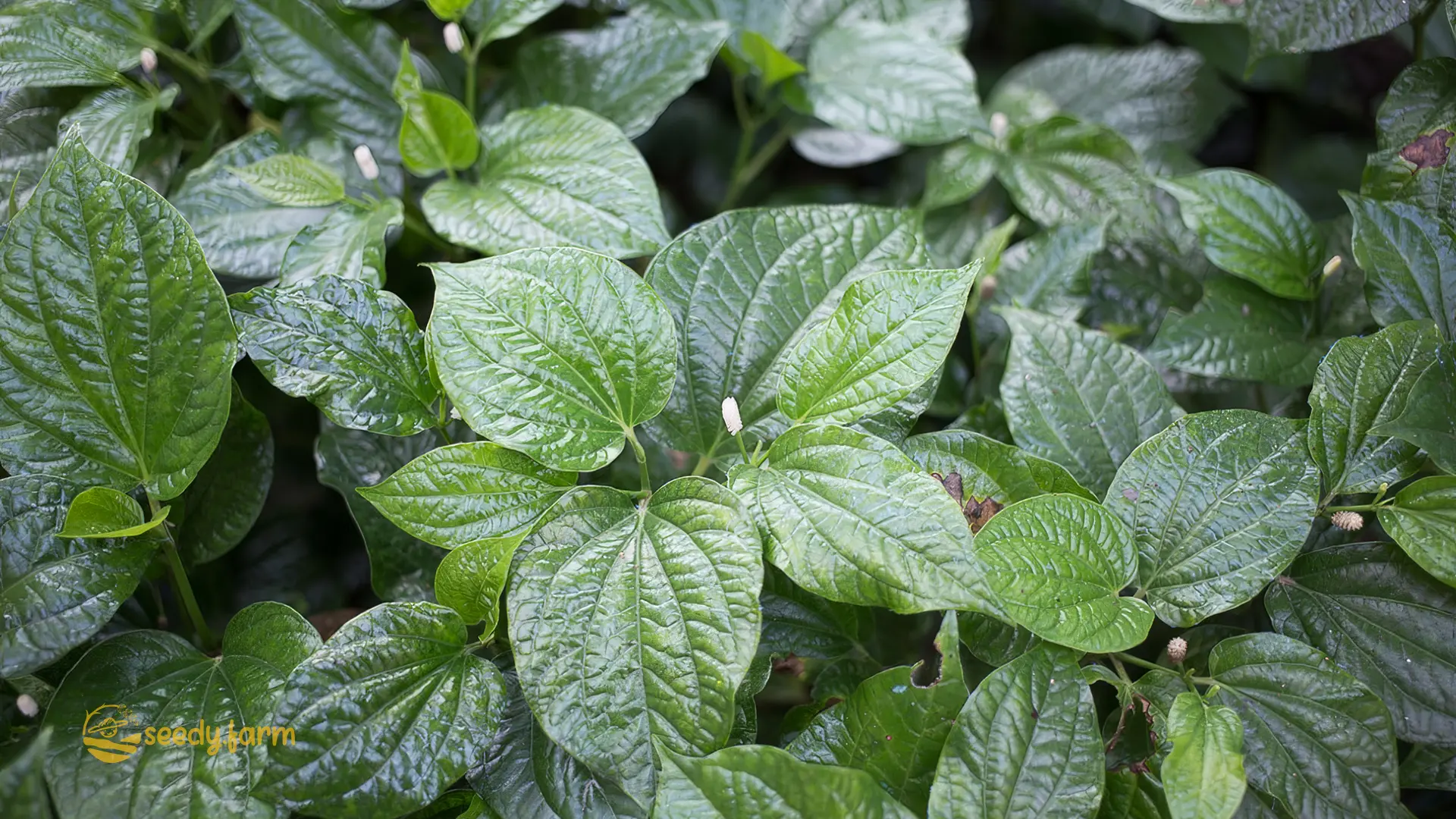
Distinguishing Between Wild Betel and Betel Leaf Plants
It is critical to distinguish Wild Betel (Piper sarmentosum) from its more famous relative, Betel Leaf (Piper betle), as their uses and growth habits differ. P. sarmentosum has thinner, shinier, heart-shaped leaves and a milder, peppery flavor suitable for cooking and salads. P. betle has larger, thicker, more matte-textured leaves with a much stronger, pungent flavor, and is primarily used as a wrapper for areca nut chews. For culinary gardening, Piper sarmentosum is the target species. Always confirm the scientific name when purchasing plants.
I. Understanding Wild Betel
1. Botanical Background
Wild Betel (Piper sarmentosum) is a fast-growing, evergreen perennial vine in the pepper family, Piperaceae. This family also gives us black pepper (Piper nigrum) and kava (Piper methysticum). Native to the warm, humid forest floors of Southeast Asia, its natural habitat informs all aspects of its cultivation. It spreads via runners, or stolons, which are horizontal stems that root where they touch the ground, quickly forming a dense, lush groundcover.
Its leaves are glossy, heart-shaped, and attached to slender, flexible stems. The plant produces small, erect flower spikes (inflorescences) that are interesting but not showy. Understanding its identity as a tropical, shade-loving understory plant is the key to providing it with the right care.
| Specification | Description |
|---|---|
| Scientific Name | Piper sarmentosum |
| Common Names | Wild Betel, Lolot, Chaphlu (Thailand), Kadok (Malaysia) |
| Family | Piperaceae (Pepper Family) |
| Native Range | Southeast Asia |
| Plant Type | Evergreen perennial vine or spreading groundcover |
| Leaf Shape | Glossy, heart-shaped (cordate) |
| Leaf Size | Typically 7-15 cm long, 5-10 cm wide |
| Stem | Slender, vining, produces adventitious roots at nodes |
| Flower | Minute white flowers on an erect, cylindrical spike |
| Fruit | Tiny drupes embedded in the fleshy spike; rarely seen in cultivation |
| Growing Conditions | Bright, indirect light or partial shade; consistently moist, well-drained soil |
| Hardiness | Frost-tender; reliably perennial in USDA Zones 10-12. Can be grown as a container plant or annual elsewhere. |
| Culinary Uses | Used fresh as wraps, in salads, stir-fries, and curries |
| Medicinal Uses | Traditionally used for anti-inflammatory and digestive properties |
| Propagation | Stem cuttings (highly reliable); division. Seed propagation is not a practical method for home gardeners. |

2. Culinary and Medicinal Uses in Southeast Asian Cuisine
The leaves are prized for their unique peppery and slightly bitter flavor profile, which intensifies when cooked. They are a cornerstone ingredient in many regional dishes. A classic Thai appetizer, Miang Kham, uses fresh leaves as cups for a mixture of toasted coconut, ginger, lime, and other ingredients. In Vietnamese cuisine, they are famously used to wrap grilled beef (Bò lá lốt).
Historically, various parts of the plant have been used in traditional medicine. The primary active compounds are alkaloids and flavonoids, which are believed to contribute to its anti-inflammatory and digestive-aid properties. It is commonly consumed as a tea or applied as a poultice. This traditional use is a subject of ongoing scientific research.
3. Ornamental Value in Landscaping and Home Gardens
Beyond the kitchen, **Piper sarmentosum is an exceptional ornamental groundcover for shaded, tropical-style gardens**. Its vining habit is perfect for covering bare ground under trees or along shaded pathways where lawns struggle. The glossy, heart-shaped leaves create a dense, verdant carpet that effectively suppresses weeds.
Its ability to thrive in low-light conditions makes it a valuable plant for brightening up dark corners of a garden or patio. In cooler climates, it performs beautifully in a container as a lush, trailing “spiller” element in mixed plantings or as a standalone specimen that can be brought indoors for the winter.
A Critical Warning: The Invasive Potential of Wild Betel
Before you commit Piper sarmentosum to an in-ground planting, it is imperative to understand its capacity for aggressive, invasive growth. In favorable climates (i.e., frost-free, warm, and humid, such as USDA Zones 10 and above), this plant’s primary survival mechanism—prolific vegetative reproduction via rooting stolons (runners)—can turn it from a garden asset into a formidable adversary.
The Challenge of Control and Removal:
The plant’s runners will creep across the ground, rooting at every node where they touch the soil. This allows it to rapidly form a dense, impenetrable monoculture that will smother less vigorous perennials, invade lawns, and escape designated garden beds. The true difficulty lies in its removal. Due to its regenerative ability, any small piece of stem or runner left behind in the soil after pulling can, and will, resprout. Eradicating an established patch can become a multi-season battle requiring persistent and diligent effort.
Horticultural Best Practices for Containment:
To prevent a future garden takeover, containment is not optional—it is essential.
- Container Growing (Strongly Recommended): The safest, most responsible, and entirely trouble-free method for cultivating Wild Betel is to grow it in a container. This completely negates its ability to spread and allows you to enjoy its benefits without any risk to your garden or local ecosystem.
- Strict In-Ground Containment: If you must plant it in the ground, you must install a solid, non-perforated root barrier buried at least 30-40 cm (12-16 inches) deep around the entire perimeter of the planting area.
- Island Planting: An alternative is to plant it in an “island” bed completely surrounded by hardscaping or a frequently mowed lawn. This makes escaping runners highly visible and allows you to sever them immediately before they can establish.

Do not underestimate this plant’s vigor. What starts as a beautiful groundcover can become a significant regret if planted without these strict precautions.
## II. Preparing the Ideal Growing Environment
1. Climate and Location Requirements
Success with Wild Betel comes from mimicking its native environment: the floor of a tropical forest. This means it requires bright, indirect light or partial shade. A location that receives morning sun and afternoon shade is perfect. Avoid intense, direct midday sun, which will scorch the leaves, causing them to yellow and burn.
The ideal temperature range is 18°C to 35°C (64°F to 95°F) with high ambient humidity. The plant is frost-tender and will be damaged or killed by temperatures approaching 0°C (32°F). In climates with cold winters, it must be grown in a container that can be moved indoors or treated as an annual. Indoors, place it near a bright window but out of direct sun, or supplement with a grow light.
2. Soil Preparation and Drainage
This plant demands soil that is both moisture-retentive and exceptionally well-draining. Waterlogged soil is the fastest way to kill Wild Betel, as it leads to root rot (a condition where roots die from lack of oxygen). The ideal soil has a rich, crumbly texture.
- For in-ground planting: Amend heavy clay or sandy soil heavily with well-rotted compost, leaf mold, or aged manure. This improves both soil structure and nutrient content. If your soil is particularly dense, consider creating a raised bed to guarantee superior drainage.
- For containers: Use a high-quality potting mix and amend it with about 20-30% perlite or small orchid bark. This creates air pockets in the soil, ensuring oxygen can reach the roots even when the soil is moist.
Do not use garden soil in containers, as it compacts easily and drains poorly.
3. Choosing the Right Containers or Ground Space
In the ground, give Wild Betel room to spread. Its runners will quickly colonize an area, making it an excellent groundcover. If you wish to contain it, install a root barrier or plan to prune the runners regularly.
For container growing, choose a pot that is wider than it is deep to accommodate its spreading nature. A 30 cm (12-inch) wide pot is a good starting size.
- Material: Terracotta pots are excellent as they are porous and allow soil to breathe, reducing the risk of waterlogging. However, they also dry out faster. Plastic or glazed ceramic pots retain moisture longer, which can be beneficial in dry climates, but requires more careful watering.
- Drainage is non-negotiable: Ensure the container has at least one large drainage hole, preferably more. Do not place a layer of gravel at the bottom; this is a myth and actually creates a perched water table, which worsens drainage. Simply use a good potting mix and ensure the hole is not blocked.
III. Propagating and Planting Wild Betel
This is where many new growers go wrong. Wild Betel is one of the easiest plants to propagate, but only if you use the correct method.
1. Starting from Seeds or Cuttings
Starting from Seed: An Educational Project, Not a Practical Method
While the plant does produce flowers and sometimes fruit, sourcing viable Piper sarmentosum seed is extremely difficult. Germination is often erratic and slow. More importantly, this method is unnecessary because propagation from cuttings is nearly foolproof and exponentially faster. Attempting to grow from seed should be viewed as a fun botanical experiment rather than a reliable way to get a plant.
Stem Cuttings: The Professional Standard
This is the guaranteed method for success. Wild Betel has a remarkable ability to produce roots (called adventitious roots) from the nodes along its stems. A node is the small, slightly swollen point on the stem where a leaf emerges.
- Select a Cutting: Snip a healthy, vigorous stem that is 10-15 cm (4-6 inches) long. Ensure it has at least 3-4 nodes.
- Prepare the Cutting: Carefully remove the leaves from the bottom two nodes. Leaving one or two leaves at the top is sufficient; this reduces water loss while still allowing for photosynthesis.
- Root in Water (Easy): Place the cutting in a glass of water, ensuring the stripped nodes are submerged. Place in a bright, warm spot out of direct sun. You should see white roots emerge from the nodes within 1-2 weeks. Once the roots are a few centimeters long, plant it in soil.
- Root in Soil (Direct): Insert the prepared cutting directly into a pot of moist, well-draining potting mix. Bury the stripped nodes about 2-3 cm (1 inch) deep. Keep the soil consistently moist but not soaking wet. The cutting will root and begin to show new growth in 2-4 weeks. This method avoids the shock of transitioning from water to soil.
2. Planting Techniques and Spacing Considerations
Plant your rooted cuttings at the same depth they were in their propagation pot.
- In-ground Spacing: If planting as a groundcover, space individual plants about 30-45 cm (12-18 inches) apart. They will fill in the gaps within a single growing season in warm climates.
- Container Planting: You can plant 3-5 rooted cuttings in a single 30 cm (12-inch) pot to create a full, lush plant from the start.
Water thoroughly after planting to settle the soil around the roots.
Mentor’s Corner: Managing Aggressive Growth
In ideal tropical or subtropical climates (USDA Zones 10+), Wild Betel’s vigor can be a double-edged sword. Its ability to spread makes it a fantastic groundcover, but it can also become invasive, sending runners into lawns or other garden beds. Be prepared to manage its spread by trimming the edges with a spade or shears a few times a year. If this is a concern, growing it in a container is a much better choice.
### 3. Providing Support for Climbing Growth
While its primary habit is a spreading groundcover, Wild Betel will climb if given the opportunity. If you want to encourage vertical growth:
- Provide a structure: A moss pole, a small trellis, or the trunk of a tree can serve as a support.
- Gentle guidance: The plant does not have strong tendrils, so you may need to loosely tie the stems to the support with soft plant ties or jute twine to get it started. Once established, it will cling more readily.
Training the plant upwards can improve air circulation and make harvesting easier, especially in dense plantings.
IV. Nurturing Your Wild Betel Plants
1. Watering and Humidity Requirements
The guiding principle is “consistently moist, never waterlogged.” Check the soil by inserting your finger 2-3 cm (1 inch) deep. If it feels dry at that depth, it’s time to water. Water thoroughly until it runs out of the drainage holes, then discard the excess water from the saucer. Do not let the pot sit in water.
Wild Betel loves high humidity. In dry climates or indoors during winter, you can increase humidity by:
- Grouping it with other plants.
- Placing the pot on a tray of pebbles filled with water (ensure the pot bottom is not submerged).
- Using a room humidifier.
Misting the leaves provides a temporary boost but is less effective than raising the overall ambient humidity.
2. Fertilizing for Optimal Growth
This plant is a moderate feeder. Over-fertilizing can lead to weak, leggy growth and diminish the leaves’ flavor.
- Method: Use a balanced liquid fertilizer (like a seaweed extract or fish emulsion) diluted to half the recommended strength. Apply every 4-6 weeks during the active growing season (spring and summer).
- Alternative: A top-dressing of compost or worm castings applied to the soil surface 2-3 times a year provides a slow, gentle release of nutrients.
Reduce or stop fertilizing in fall and winter when growth naturally slows.
3. Pruning and Training Techniques
Pruning is not just for maintenance; it’s for stimulating the growth you want.
- To Encourage Bushiness: Regularly pinch or snip the growing tips of the vines. This breaks the plant’s apical dominance (its tendency to grow from the tip) and forces it to send out new side shoots, resulting in a denser, fuller plant.
- For Plant Health: At any time, remove yellowing, dead, or damaged leaves and stems. This improves air circulation and directs the plant’s energy toward healthy growth.
- Harvest as Pruning: Regular harvesting of leaves is the best form of pruning. By selectively cutting stems for the kitchen, you are constantly encouraging new, tender growth.
If the plant becomes too leggy or overgrown, you can perform a hard prune, cutting stems back by up to half. It will respond with a flush of fresh growth.
V. Harvesting and Utilizing Wild Betel Leaves
1. Knowing When to Harvest for Peak Flavor and Aroma
Harvest leaves that are medium to large in size, fully expanded, and have a vibrant, deep green color. Young, small leaves will have a less developed flavor, while old, tough leaves can be bitter. The best time to harvest is in the morning, when the leaves are fully hydrated (high turgor pressure) and their concentration of flavorful essential oils is at its peak.
2. Proper Harvesting Techniques to Ensure Plant Health
This is your chance to prune and harvest simultaneously.
- Method: Use clean scissors or snips. You can either snip individual leaves with their short stem (petiole) attached, or you can cut entire sections of the vine.
- Best Practice: Tracing a vine back and cutting a 15-20 cm (6-8 inch) section gives you a nice bundle of leaves for the kitchen and simultaneously encourages the plant to branch out from where you cut.
- Rule of Thumb: Never harvest more than one-third of the entire plant at one time. This ensures it has enough foliage left to photosynthesize and recover quickly.

3. Storing and Preserving Wild Betel Leaves
Fresh is always best, but with a productive plant, you will have excess.
- Short-Term (Up to 1 week): Wrap the stems of the leaves in a damp paper towel and place the bundle inside a sealed plastic bag or an airtight container in the refrigerator’s crisper drawer.
- Freezing (Best for cooking): Wash and thoroughly pat the leaves dry. Stack them, roll them into a tight log, and wrap tightly in plastic wrap, then place in a freezer bag. They will lose their crisp texture upon thawing but will retain their flavor perfectly for use in cooked dishes like soups and curries.
- Drying (For teas/powders): While possible, drying results in a significant loss of the characteristic fresh flavor. To dry, hang small bundles in a warm, dry, well-ventilated area out of direct sun. Once brittle, crumble and store in an airtight jar.
VI. Pest and Disease Management
1. Common Pests and Their Natural Predators
Wild Betel is quite pest-resistant, but watch for sap-sucking insects, especially on stressed plants.
- Pests: Aphids, spider mites, and mealybugs are the most likely culprits. You’ll find them on new growth or the undersides of leaves.
- Solution – First Line of Defense: A strong spray of water from a hose or sink sprayer can physically dislodge most pests. For stubborn clusters, wipe them off with a cloth dipped in soapy water.
- Solution – Organic Control: If infestations persist, use horticultural oil or insecticidal soap. These products work by smothering the pests and are safer for the environment than synthetic pesticides. Always apply in the evening to avoid burning the leaves.
Encouraging beneficial insects like ladybugs and lacewings by planting a diversity of flowers (like dill, cilantro, and alyssum) provides a free, natural pest control service.
2. Identifying and Treating Fungal Diseases
The primary disease risk is root rot from overwatering. Other fungal issues like powdery mildew or leaf spot can occur in conditions of high humidity combined with poor air circulation.
- Prevention is Key: - Ensure excellent drainage in your soil and pots. - Water the soil, not the foliage. Wet leaves are an invitation for fungal spores to germinate. - Prune to open up the plant, allowing air to move freely through the leaves.
- Treatment: At the first sign of powdery mildew (a white, dusty coating on leaves), remove the affected leaves. You can treat the plant with a fungicide. An effective organic option is a spray made from 1 tablespoon of baking soda and a half-teaspoon of liquid soap mixed into one gallon of water. For more persistent issues, commercial copper or sulfur-based fungicides are available.
2. FAQ
Can I grow Wild Betel indoors successfully through the winter?
Absolutely. It makes an excellent houseplant. Bring it indoors before the first frost. Place it in a spot with bright, indirect light, such as near an east-facing window. Its biggest challenge indoors will be low winter humidity, so use the methods described above to keep it happy. Reduce watering slightly as growth slows, but do not let the soil dry out completely. Also, reduce fertilizing to once every 8 weeks or stop until spring.
My plant looks leggy and is producing small leaves. What’s wrong?
This is a classic symptom of insufficient light. The plant is stretching (a process called etiolation) in search of more light, resulting in long, weak stems with sparse, small leaves. Move the plant to a location with brighter, indirect light. For indoor plants, supplementing with a grow light can make a significant difference. Pruning the leggy stems back will encourage new, more compact growth.

My Wild Betel has become too aggressive. How can I remove it from my garden bed completely?
Complete removal can be challenging due to the plant’s ability to regrow from small pieces of its runners (stolons). It requires a persistent, methodical approach.
- Manual Removal (Preferred Method): First, cut back all the top foliage to get a clear view of the ground. Using a digging fork, carefully loosen the soil around the plants and begin to trace and lift out the runners. Try to pull up entire lengths of the runners without breaking them. You must be diligent and remove every piece you can find.
- Vigilant Follow-Up: It is almost certain that small fragments will remain in the soil and resprout. For the next several weeks to months, you must monitor the area closely and pull out any new shoots the moment they appear. By repeatedly removing the new growth, you prevent the remaining roots from photosynthesizing, eventually starving and killing them.
- Soil Solarization (For Large Areas): After a thorough manual removal, you can use soil solarization. Water the area deeply, then cover it tightly with a clear plastic sheet, burying the edges with soil or rocks to trap the heat. During the hottest part of the year, leave this in place for 4-6 weeks. The high temperatures can kill remaining roots and seeds.
- Chemical Control (Last Resort): For severe infestations where manual removal is impractical, a systemic herbicide can be used. This should be a last resort. Choose a product that is labeled for use on broadleaf perennial groundcovers, and follow the manufacturer’s instructions exactly. Be extremely careful to avoid spray drift onto desirable nearby plants.
Comments (0)
No comments yet. Be the first to share your thoughts.