 Skip to content
How to Grow Betel Leaf at Home: A Comprehensive Guide
Betel Leaf, Piper betle, is a perennial tropical vine with a deep history woven throughout South and Southeast Asia. Valued
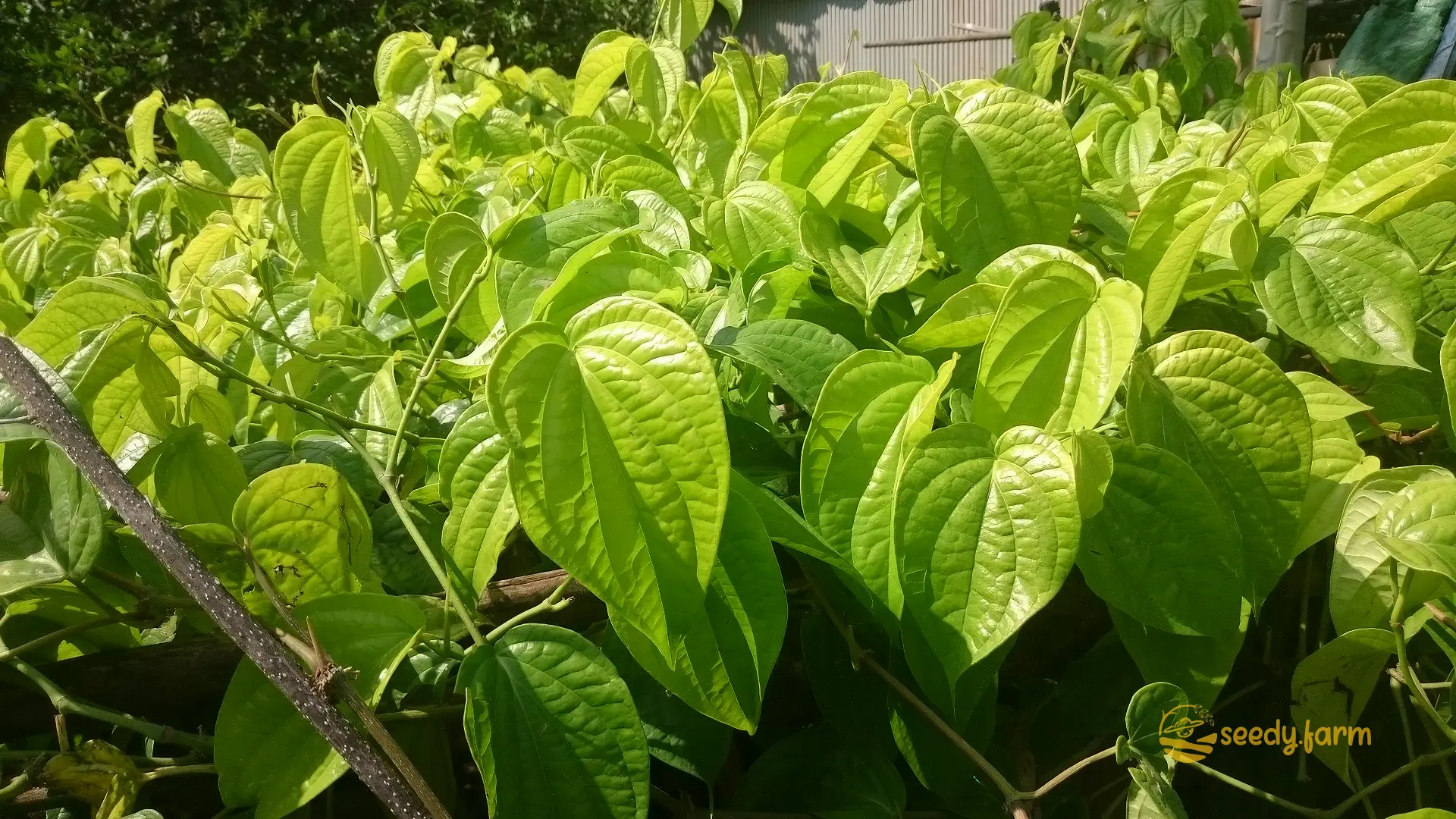
Betel Leaf, Piper betle, is a perennial tropical vine with a deep history woven throughout South and Southeast Asia. Valued for its aromatic, peppery leaves, it is central to countless cultural ceremonies, culinary uses, and traditional wellness practices. Its leaves are most famously combined with areca nut and slaked lime to create “paan” or “betel quid.”
Growing Piper betle at home is a direct way to connect with this rich heritage. While it is native to warm, humid climates, this guide provides the specific techniques needed to successfully cultivate it in home gardens, on balconies, and in containers, even in more temperate zones. This is not a difficult plant to grow, but it does have specific needs that, once met, will reward you with a vigorous, productive vine.
A Note on Plant Identity: Piper betle vs. Piper sarmentosum
It is crucial to distinguish true Betel Leaf (Piper betle) from a related plant often called “Wild Betel” or “Lá Lốt” (Piper sarmentosum, sometimes misidentified as P. lolot). While both are in the pepper family, their uses are distinct. Piper betle has larger, glossier, heart-shaped leaves primarily used for chewing and ceremonial purposes. Piper sarmentosum has smaller, thinner leaves and is a culinary herb, most famously used in Southeast Asian cuisine to wrap grilled meats. This guide is exclusively for cultivating Piper betle.
## I. Understanding Betel Leaf
1. Botanical Background
Piper betle is a member of the Piperaceae family, making it a close relative of Black Pepper (Piper nigrum) and Kava (Piper methysticum). As a tropical evergreen vine, its entire life strategy is adapted to the conditions of a forest understory. This single fact informs nearly every aspect of its care. It naturally climbs trees, using small adventitious roots that emerge from its stem nodes to cling to bark. Its broad, heart-shaped leaves are designed to capture the dappled sunlight that filters through the forest canopy.
Understanding its native habitat is the key to success. Your goal is to replicate these warm, humid, and partially shaded conditions. Propagation is almost exclusively done vegetatively, via cuttings, to ensure the new plant is a clone of the parent with the same desirable leaf characteristics.
| Specification | Description & Horticultural Significance |
|---|---|
| Scientific Name | Piper betle |
| Family | Piperaceae (The Pepper Family) |
| Origin | South and Southeast Asia |
| Plant Type | Perennial evergreen vine (a liana). |
| Leaf Shape | Distinctly heart-shaped (cordate), with a glossy surface. |
| Leaf Texture | Smooth and pliable when young, becoming slightly more leathery with age. |
| Leaf Color | Varies by cultivar from bright to deep green. |
| Growth Habit | A climbing vine that requires a support structure to thrive. It uses adventitious roots at each node to attach itself. |
| Propagation | Almost exclusively by stem cuttings. This is the only reliable method for home gardeners. |
| Climate Preference | Thrives in warm, humid conditions (USDA Zones 10-12). Must be protected from frost and temperatures below 50°F (10°C). |
| Primary Use | Leaves are used in cultural ceremonies, traditional medicine, and for chewing (paan). |
| Key Bioactive Compound | Chavibetol, an allylphenol, is a major contributor to its distinct aroma and peppery flavor. |
### 2. Cultural Significance Across South and Southeast Asia
For centuries, Piper betle has been more than just a plant; it is a cultural cornerstone. In nations like India, Vietnam, Thailand, and Sri Lanka, offering a prepared betel leaf, or paan, is a profound gesture of hospitality, respect, and friendship. The leaf serves as a vehicle for areca nut, slaked lime (calcium hydroxide), and various spices. It also holds a sacred place in religious ceremonies, weddings, and festivals, where it symbolizes prosperity, new beginnings, and purity. Cultivating this plant is a way of participating in a living history that spans millennia.
II. Preparing Your Home Garden
1. Selecting the Ideal Location: Partial Shade and Protection
Your plant’s location is the single most important factor for its health. Piper betle requires partial shade or dappled sunlight. This mimics the light it receives in its native forest understory habitat. An ideal location would receive 2-4 hours of gentle morning sun and be protected from the intense, scorching sun of the afternoon. A spot under a larger tree, on an east-facing porch, or under the cover of 50% shade cloth is perfect. Intense, direct sun will scorch the leaves, causing them to yellow and burn.
As a tropical native, this plant is intolerant of cold. It thrives in temperatures between 65-95°F (18-35°C) and will suffer damage or death if exposed to frost or temperatures below 50°F (10°C). It must also be sheltered from strong, drying winds, which can tatter the large leaves and dehydrate the plant. For anyone outside of a true tropical climate (USDA Zone 10 and above), this means growing it in a container that can be moved indoors for the winter is the most practical approach.

2. Soil Preparation: Well-Draining and Nutrient-Rich
The soil must provide a balance of moisture retention, excellent drainage, and fertility. Betel Leaf is highly susceptible to root rot if its roots sit in waterlogged, anaerobic (oxygen-deprived) soil. The goal is a medium with a light, crumbly texture that holds moisture but allows excess water to drain away freely. A soil pH that is slightly acidic, between 5.5 and 6.5, is optimal for nutrient uptake.
For container growing, create a superior potting mix by combining:
- 1 part high-quality potting soil: Provides a stable base and some initial nutrients.
- *1 part perlite or pumice:* Creates air pockets in the soil, ensuring sharp drainage and preventing compaction.
- *1 part mature compost or worm castings:* Supplies slow-release organic nutrients and beneficial microbes.
If planting in the ground in a suitable climate, heavily amend the native soil with compost and sand or gravel to improve its structure and drainage to a depth of at least 12 inches (30 cm).
3. Choosing the Right Container or Ground Space
a. Advantages of Container Gardening for Betel Leaf
For most gardeners, container cultivation is the most reliable method. It provides complete control over the critical factors of soil composition, drainage, and location. Most importantly, it allows you to move the plant to a protected location—indoors or into a greenhouse—during cold weather. This mobility is essential for overwintering the plant successfully in temperate climates.
b. Size and Depth Requirements for Healthy Root Growth
Select a container that is appropriate for the size of the plant. A young cutting can start in a 6-inch (15 cm) pot, while a mature plant will require a pot at least 12-18 inches (30-45 cm) in diameter and depth. Ensure any container has ample drainage holes. Terracotta pots are an excellent choice as their porous nature allows soil to breathe, reducing the risk of overwatering. However, they also dry out faster. Plastic pots retain moisture longer but require more careful watering to prevent waterlogging. As the plant grows, you will need to repot it into a larger container every 1-2 years to prevent it from becoming root-bound.
III. Planting and Propagation
1. Obtaining Betel Leaf Cuttings or Seedlings
a. Sourcing from Reliable Nurseries or Fellow Gardeners
Your starting material determines your success. Seek out nurseries specializing in tropical or Asian plants, as they are most likely to carry healthy, correctly identified Piper betle. Another excellent source is to connect with local gardening groups or online communities. Fellow enthusiasts are often happy to share cuttings from their established, healthy vines. This ensures you are getting a plant that is known to perform well.
b. Selecting Healthy and Vigorous Planting Material
When choosing a cutting or a small plant, look for these signs of health:
- For cuttings: Select a semi-hardwood stem that is 4-6 inches (10-15 cm) long and has at least 3-4 nodes. A node is the small bump on the stem where leaves and roots emerge. The stem should be firm and green, not woody, thin, or mushy.
- For seedlings/plants: The leaves should be a vibrant green, glossy, and free of yellowing, spots, or pest damage. The root system should be light-colored and fibrous, not dark, mushy, or tightly circling the bottom of the pot.
2. Proper Planting Techniques for Optimal Growth
a. Preparing Cuttings or Seedlings for Planting
If starting with cuttings, prepare them to encourage root formation. Make a clean, angled cut just below the lowest node. Remove the leaves from the bottom two nodes to prevent them from rotting and to expose the areas where roots will form. For an increased success rate, you can dip the cut end into a rooting hormone powder, though this is often not necessary as Piper betle roots readily.
If planting a nursery-grown seedling, gently remove it from its pot. Inspect the root ball. If roots are tightly wound, gently tease them apart with your fingers to encourage them to grow outwards into the new soil.

Mentor’s Corner: A Word on Growing from Seed
You may see Betel Leaf seeds for sale online. While it is technically possible for the plant to produce seed, this is not a recommended or practical method for home gardeners. The seeds often have very low viability and are difficult to germinate. More importantly, plants grown from seed are not clones of the parent and can exhibit high genetic variability. This means you may wait years for a mature plant only to find it has inferior flavor or growth habits. The standard, professional, and only reliable method for getting the exact plant you want is propagation from stem cuttings.
#### b. Depth, Spacing, and Orientation Considerations
Plant cuttings so that at least two nodes are buried beneath the soil surface. These buried nodes are where the new root system will develop. For nursery plants, set them in the new pot or garden bed at the same depth they were growing in their original container. If planting multiple vines, space them at least 18-24 inches (45-60 cm) apart to ensure good air circulation, which is vital for preventing fungal disease. When planting, position the vine so it is already touching or leaning against its intended support structure.
3. Spacing and Support Systems for Vining Growth
a. Trellising Options for Vertical Growth
As a natural climber, Piper betle must have a support structure to thrive. Providing vertical support not only saves space but also promotes healthier growth by lifting leaves off the ground and improving air circulation. Simple options include bamboo stakes, a wooden or wire trellis, or a tomato cage. A coir or moss pole is an excellent choice for container-grown plants, as its fibrous texture mimics tree bark and can be kept moist to encourage the attachment of the plant’s adventitious roots.
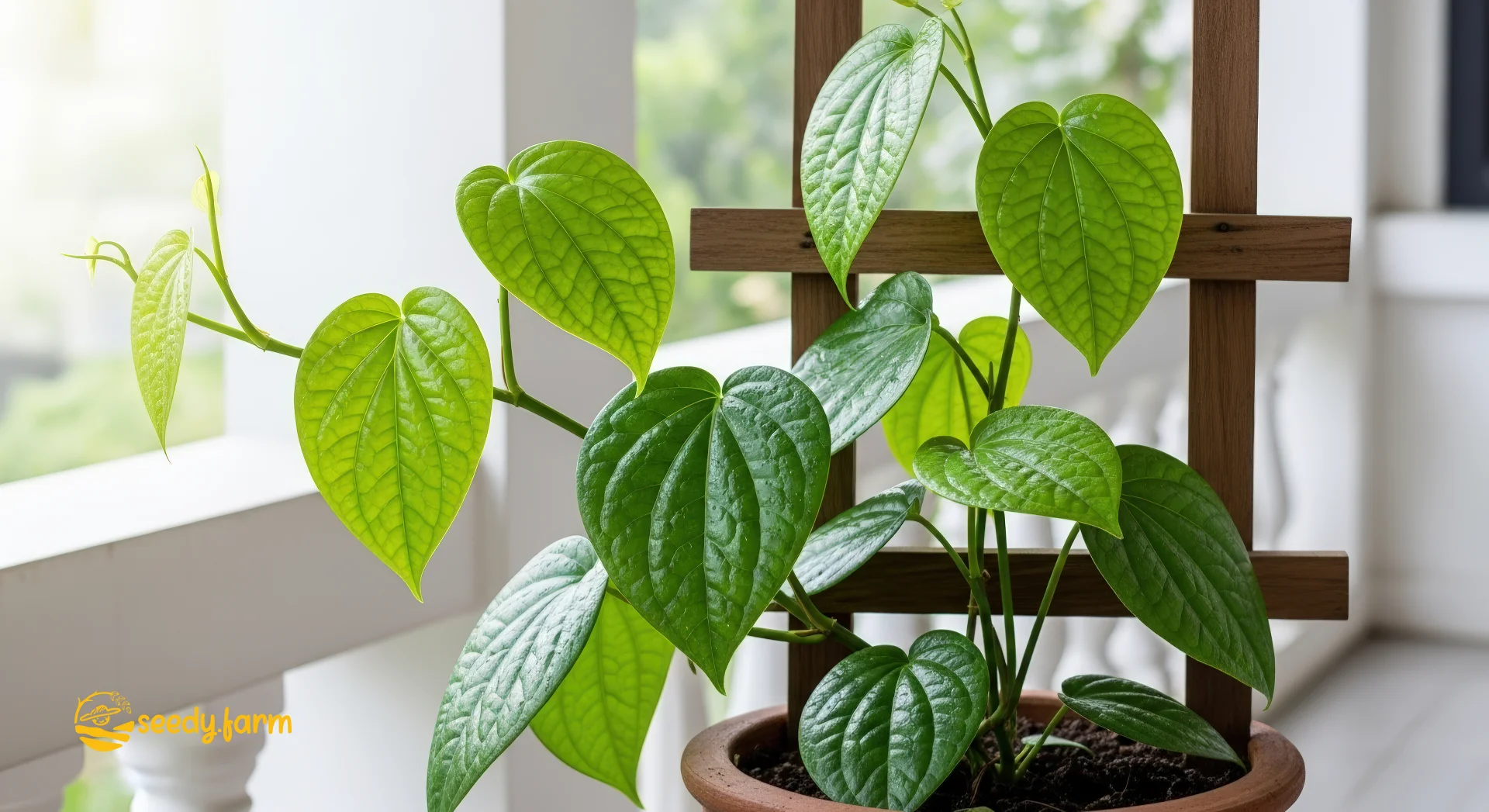
b. Importance of Adequate Spacing for Air Circulation
Proper spacing is a cornerstone of preventative pest and disease management. When vines are crowded, moisture gets trapped between leaves, creating a perfect breeding ground for fungal pathogens like powdery mildew and leaf spot. Ensure there is enough room between plants—and between the plant and any walls—for air to move freely. This helps leaf surfaces dry quickly after watering or rain, drastically reducing the risk of disease.
IV. Nurturing Your Betel Leaf Plants
1. Watering
Proper watering requires a balance between consistent moisture and avoiding sogginess. Water the plant deeply and thoroughly whenever the top 1-2 inches (2.5-5 cm) of soil feel dry to the touch. The best way to check is to insert your finger into the soil. Allow the pot to drain completely; never let it sit in a saucer of water. This deep watering encourages roots to grow downward, creating a more resilient plant. Always apply water directly to the soil at the base of the plant. Wetting the foliage, especially in the evening, creates an ideal environment for fungal diseases to take hold. Reduce watering frequency during the cooler, shorter days of winter when the plant’s growth slows.
2. Fertilizing: Organic and Balanced Nutrient Application
a. Choosing the Right Fertilizers for Betel Leaf
Betel Leaf is a heavy feeder during its active growing season (spring and summer). It requires a balanced supply of nutrients to produce lush, healthy leaves. An all-purpose balanced liquid fertilizer (e.g., 10-10-10 or 20-20-20) is effective. For even better results, use a fertilizer slightly higher in nitrogen (N), the nutrient most responsible for leafy growth. Organic options like fish emulsion, compost tea, or a top-dressing of well-rotted manure are excellent choices that also improve soil health.
b. Application Methods and Schedules
During the spring and summer, fertilize your plant every 4-6 weeks. Always dilute liquid fertilizers to half the recommended strength on the label to avoid burning the roots. Apply the fertilizer to moist soil after a regular watering, never to dry soil. Suspend all fertilizing in the fall and winter when the plant’s growth naturally slows. This allows the plant to rest and prevents a buildup of fertilizer salts in the soil.
3. Pruning and Training: Encouraging Healthy Growth and Shape
a. Techniques for Removing Dead or Diseased Foliage
Regularly inspect your plant for any leaves that are yellow, brown, damaged, or show signs of disease. Prune these off immediately using clean, sharp scissors or pruning shears. Make your cut at the base of the leaf stalk (petiole). This practice, known as sanitation, prevents the potential spread of pathogens and directs the plant’s energy toward healthy new growth.
b. Guiding Vine Growth for Optimal Leaf Production
Pruning is not just for maintenance; it’s a tool to create a fuller, more productive plant. When you pinch or prune the growing tip of a vine, it stimulates the plant to activate dormant buds at the nodes below the cut. This results in the growth of two new lateral branches where there was previously only one. Regularly pinching the tips of the longest vines will encourage a bushy, dense habit with more leaves for harvesting. As the vines grow, gently guide them onto their support structure, tying them loosely with soft plant ties if needed.
V. Pest and Disease Management
1. Common Pests and Their Natural Remedies
a. Identifying and Controlling Aphids, Mealybugs, and Spider Mites
The most common pests on Betel Leaf are sap-suckers.
- **Aphids:** Small, pear-shaped insects, often green or black, that cluster on new growth.
- **Mealybugs:** Appear as white, cottony masses in leaf axils and on stems.
- **Spider Mites:** Tiny arachnids that are hard to see. Their presence is usually indicated by fine webbing and a stippled, dusty appearance on leaves.
These pests weaken the plant by draining its sap. Your first action should be to spray the affected areas with a strong jet of water to dislodge them. For persistent pests, wipe them off with a cotton swab dipped in rubbing alcohol.
b. Organic Pest Control Methods, Such as Neem Oil and Beneficial Insects
For larger infestations, use low-impact organic treatments. Insecticidal soap and horticultural oils (including neem oil) are effective contact pesticides that work by suffocating soft-bodied insects. They are most effective when sprayed thoroughly, covering all leaf surfaces, including the undersides. Always apply these in the early morning or evening to avoid burning the leaves. In an outdoor garden, you can encourage beneficial insects like ladybugs and lacewings, which are natural predators of these pests, by planting a diversity of flowers nearby.
2. Recognizing and Treating Fungal Diseases
a. Symptoms of Common Fungal Infections, Such as Leaf Spot and Powdery Mildew
Fungal issues are almost always caused by environmental factors, primarily excessive moisture and poor air circulation.
- Leaf Spot: Appears as dark brown or black spots on the leaves, which may have a yellow halo. The spots can enlarge and merge, causing the leaf to drop.
- Powdery Mildew: Presents as a white or grayish powdery coating on the surface of leaves and stems. It thrives in high humidity with dry leaf surfaces.
b. Preventive Measures and Treatment Options
Prevention is far more effective than treatment. The cultural practices described in this guide—providing good air circulation, watering the soil instead of the leaves, and sanitizing pruning tools—are your best defense. If you see signs of fungal disease, immediately remove and destroy the infected leaves. For treatment, organic fungicides containing potassium bicarbonate, sulfur, or copper can be effective if applied at the first sign of disease. However, they will not succeed unless you also correct the underlying environmental condition that allowed the fungus to take hold.
VI. Harvesting and Storing Betel Leaves
1. Identifying the Right Time to Harvest
a. Indicators of Leaf Maturity and Readiness
Leaves are ready for harvest when they have reached their full, mature size and have a uniform, deep green color. A prime leaf will feel pliable and robust, not overly tender like a new leaf or tough and brittle like an old one. The flavor and aroma are most potent at this stage. Harvesting regularly actually encourages the plant to produce more leaves.
b. Balancing Leaf Yield and Plant Health
Harvesting is a healthy form of pruning for the plant, but it’s important not to be greedy. Never remove more than 25-30% of the plant’s total leaves at any one time. This ensures that enough foliage remains to perform photosynthesis and fuel new growth. Harvest leaves from various parts of the vine to maintain a balanced shape and allow all areas to regenerate.
2. Proper Harvesting Techniques to Ensure Plant Health
a. Using Clean, Sharp Tools for Leaf Removal
Always use clean scissors or a sharp knife. This ensures a clean cut on the petiole (leaf stalk) and prevents tearing the main vine, which can create an entry point for disease. Make your cut close to the main stem, leaving a tiny stub of the petiole on the vine.
b. Minimizing Damage to the Plant During Harvest
Handle the vines gently during harvest. Avoid yanking or pulling leaves off by hand, which can easily damage the stem. Be methodical and deliberate. Your care during harvest contributes directly to the long-term health and productivity of your vine.

3. Post-Harvest Handling and Storage Methods
a. Cleaning and Sorting Harvested Leaves
Gently rinse the harvested leaves under cool water to remove any dust or debris. Pat them completely dry with a soft cloth or paper towel. Moisture on the leaf surface will accelerate decay in storage. Sort the leaves, setting aside any that are less than perfect for immediate use.
b. Storage Conditions for Maintaining Freshness and Quality
While best used fresh, Betel Leaves can be stored for several days. The key is to maintain high humidity without direct water contact. The most effective method is to wrap a small bundle of dry, clean leaves in a slightly damp paper towel. Place this bundle inside a sealed plastic bag or airtight container and store it in the crisper drawer of your refrigerator. Stored this way, they can remain fresh for up to a week. Check them periodically and remove any leaves that show signs of wilting or decay.
Comments (0)
No comments yet. Be the first to share your thoughts.