 Skip to content
A Complete Guide to Using Insecticidal Soap in Your Garden
Insecticidal soap is a cornerstone of responsible pest management, valued for its effectiveness against specific pests and its low impact
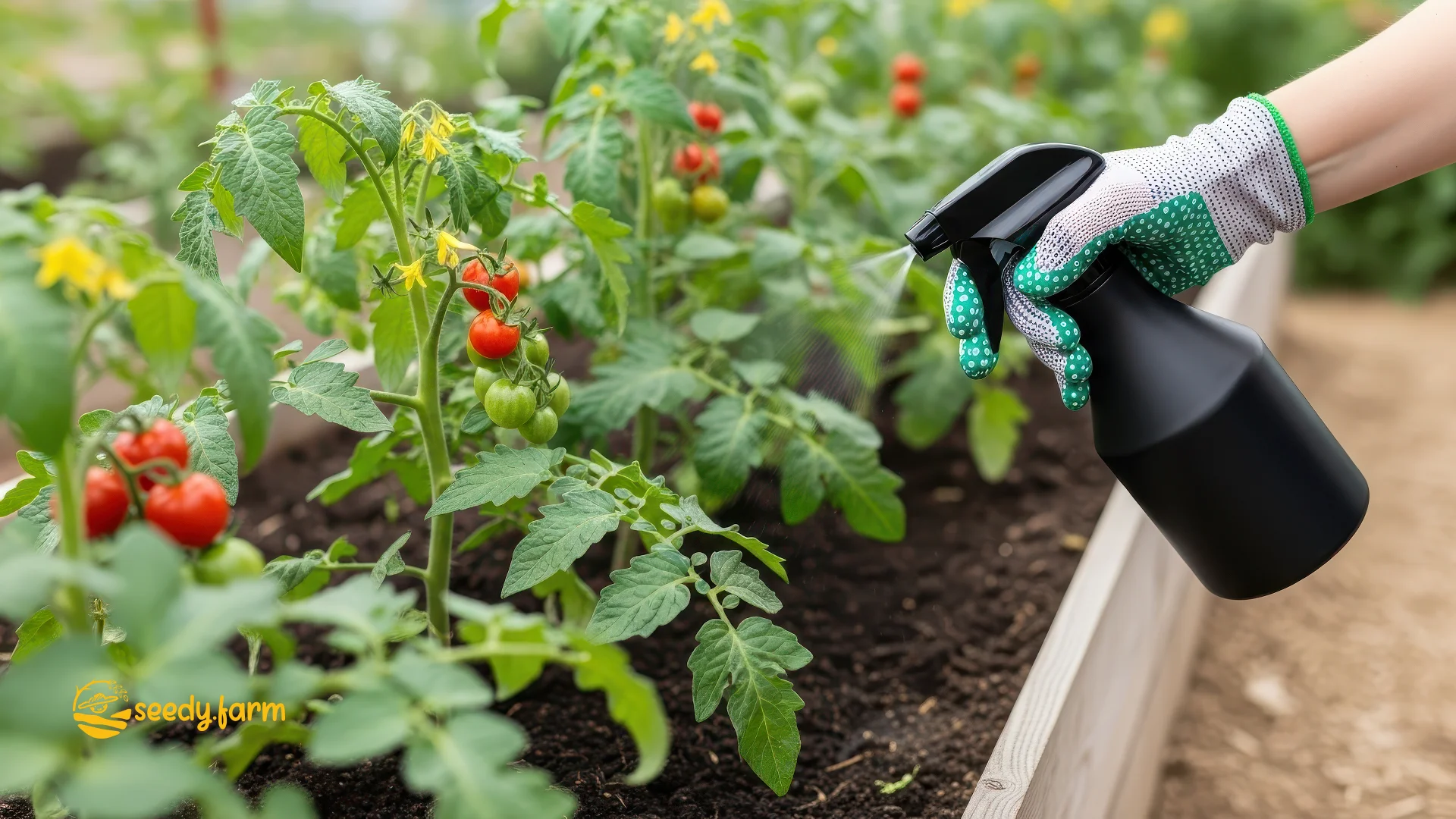
Insecticidal soap is a cornerstone of responsible pest management, valued for its effectiveness against specific pests and its low impact on the wider garden ecosystem. It is not a detergent; it is a carefully formulated product designed for plant safety and pest control. This guide provides the practical knowledge for professional horticulturists and home gardeners alike to use this tool correctly and confidently, protecting plants while preserving a healthy garden environment.
I. Understanding Insecticidal Soap
1. Definition and Composition
Insecticidal soap consists of potassium salts of fatty acids. These are created through a process called saponification, where a fat or oil—typically from a plant source like olive, coconut, or cottonseed—is reacted with an alkali, in this case, potassium hydroxide. This specific formulation is critical. The potassium salts make the fatty acids water-soluble and are particularly effective at disrupting insect cells, while being gentler on plants than the sodium salts found in many household soaps. It is crucial to distinguish these from household detergents, which are synthetic surfactants designed to strip grease and can damage the protective waxy cuticle on plant leaves.
The soap works on contact, breaking down the outer protective layer of soft-bodied insects. This action compromises their cellular integrity, leading to rapid dehydration and death. Because it is biodegradable and has no residual activity once dry, it fits perfectly within an Integrated Pest Management (IPM) framework.
2. Historical Background
The use of soap-like substances to manage pests dates back to at least the 18th century. Gardeners observed that solutions made from fish oil soap or simple lye soaps could control certain insect infestations. These early methods, while unrefined, laid the groundwork for modern formulations. Scientific advancements in the 20th century allowed for the isolation and standardization of the most effective fatty acids, leading to the consistent and reliable commercial products available today. This history underscores a long-standing desire for effective pest control that works in greater harmony with the environment.
3. Benefits of Insecticidal Soap
The primary advantage of insecticidal soap is its targeted action and high degree of safety when used correctly.
- Targeted Efficacy: It is highly effective against a specific group of common, soft-bodied pests like aphids, mites, and whiteflies.
- Low Environmental Impact: Composed of fatty acids, it biodegrades rapidly in the environment, typically within a few days, leaving behind no harmful residues in the soil or on plants.
- Safety for Non-Target Organisms: When dry, it is essentially harmless to humans, pets, and most beneficial insects that arrive later. Its mode of action is mechanical, not toxic, reducing risk to birds and mammals.
- No Harvest Interval: Because it has no residual effect, edible crops can be harvested shortly after application. Standard food safety practice dictates washing all produce before consumption.
- Minimal Pest Resistance: Since it works by physically disrupting cell membranes, it is very difficult for pests to develop resistance, a common problem with synthetic chemical pesticides.
These attributes make it an indispensable tool for organic growers and any gardener seeking a first-line defense against common pests before escalating to stronger, higher-impact treatments.
II. How Insecticidal Soap Works
1. Mode of Action
The effectiveness of insecticidal soap is entirely dependent on direct contact. It is not a poison that is ingested or a systemic product that circulates within the plant.
- Contact: The spray must thoroughly coat the insect’s body. This is why coverage is the most critical factor in application.
- Penetration and Dissolution: The fatty acids in the soap solution penetrate and dissolve the insect’s cuticle—its waxy, protective outer layer.
- Cell Disruption: Once this layer is breached, the soap disrupts the cell membranes of the insect’s epidermis. This is analogous to how soap breaks up grease.
- Dehydration: The damaged cells can no longer hold water. Bodily fluids leak out, causing rapid dehydration.
- Mortality: The insect dies quickly from this massive fluid loss and cellular collapse.
This entire process happens only while the soap is wet. Once the solution dries, it becomes an inert, harmless residue. This is why it has no preventative or residual effect; it cannot kill pests that arrive after the plant has dried. It is a tactical tool, not a long-term barrier.
2. Target Pests
Insecticidal soap is most effective against small, soft-bodied arthropods. It is generally ineffective against insects with hard, well-developed exoskeletons like adult beetles or those in a protected life stage like eggs or pupae.

- Aphids (Aphididae family): A primary target. The soap easily penetrates their soft bodies, quickly controlling large populations on new growth and the undersides of leaves.
- Spider Mites (Tetranychidae family): These are not insects but arachnids. Insecticidal soap is highly effective, but thorough coverage is essential to reach the tiny mites, often hidden under leaves and fine webbing.
- Whiteflies (Aleyrodidae family): The soap is effective against both adult and nymph stages, but repeat applications are necessary to break their life cycle, as they reproduce quickly.
- Mealybugs (Pseudococcidae family): The soap helps break down their protective waxy, cottony coating, allowing it to reach and kill the insect. A forceful spray can help penetrate dense colonies.
- Thrips (Thysanoptera order): Effective against the larval and nymphal stages. Adults may fly away during spraying, so targeting early morning activity is key.
- Scale Insects (Coccoidea superfamily): The soap is only effective against the vulnerable “crawler” stage—the mobile nymphs that have not yet formed their hard, protective shell. Timing is critical for controlling scale.
- Psyllids, Soft-bodied Caterpillars, and Earwigs: The soap can have some effect, but other targeted organic options, like Bt for caterpillars, may be more appropriate.

### 3. Impact on Beneficial Insects
A significant benefit of insecticidal soap is its relatively low impact on beneficial insects, provided it is used with care and precision.
- The soap is a broad-spectrum contact insecticide, meaning it can harm any soft-bodied insect it directly contacts. This includes the larval stages of beneficials like lady beetles and lacewings.
- To protect pollinators, never apply insecticidal soap to open flowers or when bees and butterflies are actively foraging. Apply in the early morning or late evening when pollinators are not present.
- The key to protecting beneficials is precise application. Do not blanket-spray entire plants. Identify the pest and spray only the infested areas. By the time mobile predators and pollinators arrive, the soap will have dried and become harmless.
Your goal is to use the soap as a surgical tool to knock back a pest outbreak, allowing the recovering population of beneficial insects to manage what remains.
III. Preparing and Using Insecticidal Soap
1. Commercial vs. Homemade Solutions
Choosing between a commercial product and a homemade one involves a trade-off between convenience, consistency, and cost.
a. Commercial Solutions
Commercial insecticidal soaps are formulated and registered by the EPA (in the U.S.) for pest control. They are the recommended choice for reliability and plant safety.
Pros:
- Consistent and Safe: Formulated with specific fatty acid chains known to be effective on pests and gentle on most plants. They are pH balanced and contain no impurities.
- Convenience: Available as ready-to-use (RTU) sprays or economical concentrates that are easy to dilute with water.
- Efficacy: Often include spreading agents (surfactants) that help the solution stick to and cover waxy leaves and insects more effectively.
- Clear Instructions: Come with tested application rates and lists of sensitive plants, reducing the risk of user error.
Cons:
- Higher Initial Cost: More expensive per volume than a homemade solution, although concentrates can be very economical over time.
- Packaging: RTU bottles contribute to plastic waste, though concentrates reduce this significantly.
b. Homemade Solutions
Making your own solution can be cost-effective, but it carries a higher risk of ineffectiveness or plant damage (phytotoxicity).
Pros:
- Low Cost: Can be made cheaply from common household items.
- Accessibility: Ingredients are readily available.
Cons:
- High Risk of Plant Damage: Most household “dish soaps” are actually synthetic detergents with degreasers, perfumes, and dyes. These are not true soaps and can strip the protective waxy cuticle from leaves, causing them to dry out and “burn.”
- Inconsistent Efficacy: The concentration and type of fatty acids in household soaps are variable and not optimized for pest control.
- Water Quality Issues: The minerals in hard tap water can react with the soap, reducing its effectiveness and leaving residue on leaves.
Mentor’s Corner: The “Dish Soap” Dilemma
The advice to mix dish soap and water is one of the most common yet problematic tips in gardening. While it can sometimes work, it’s a gamble. Think of it this way: you wouldn’t wash your hair with laundry detergent. Both clean, but one is formulated for a specific, delicate purpose. Using a product designed as an insecticidal soap—or at least a pure castile soap—is the horticultural equivalent of using the right tool for the job. It respects plant biology and gives you predictable, safer results.
### 2. Making Your Own Insecticidal Soap
If you choose to make your own, it is essential to use the right ingredients and to test meticulously. This is presented as an educational exercise; for valuable plants, a commercial product is always the safer choice.
A Safer Homemade Insecticidal Soap
Ingredients
- 1 to 2 teaspoons of pure liquid castile soap (like Dr. Bronner’s, unscented) or another pure, oil-based soap. Do not use detergents.
- 1 quart (4 cups) of distilled or soft water to prevent mineral interference.
Instructions & Application
- Combine the water and pure soap in a clean spray bottle.
- Mix gently by swirling, not shaking, to avoid creating excessive foam.
- Label the bottle clearly with the contents and date. Use the solution within a day or two for best results.
- Test First, Always: Before spraying an entire plant, spray one or two leaves. Wait 48 hours and check for any signs of damage like spotting, yellowing, or wilting.
- Thorough Coverage is Non-Negotiable: Spray tops and bottoms of leaves, stems, and leaf axils—anywhere pests are hiding.
- Timing is Everything: Apply in the cool of the early morning or late evening to prevent rapid evaporation and reduce the risk of leaf burn.
### 3. Choosing the Right Soap
The chemical difference between soap and detergent is what matters to your plants.
- Recommended: Pure castile soaps (olive oil-based), other pure vegetable oil-based soaps, or commercial insecticidal soap concentrates. These are true soaps made from fatty acids.
- Acceptable with Caution: Some gentle, simple liquid dish soaps that are explicitly soap-based and free of additives, but these are increasingly rare.
Avoid at all costs:
- Dish detergents, especially “ultra” or concentrated formulas with degreasers.
- Soaps or detergents with bleach, antibacterial agents, or strong fragrances.
- Laundry detergents and powdered soaps.
IV. Application Techniques and Best Practices
1. Proper Application Methods
Success hinges on application technique. The goal is to drench the pests, not just the plant.
- Achieve Direct Contact: Insecticidal soap works like a line-of-sight weapon. You must hit the target. Use a sprayer that produces a fine, forceful mist to coat all plant surfaces, paying special attention to the undersides of leaves and crevices where pests congregate.
- Spray to the Point of “Glisten,” Not Runoff: The goal is a thin, continuous film on all surfaces. Excessive spraying that results in runoff wastes product and can overly saturate the soil at the plant’s base.
- Repeat Applications Are Necessary: One application rarely solves a problem. Pest eggs and pupae are often unaffected, and new pests can arrive. Reapply every 5-7 days, for at least 2-3 applications, to break the pest life cycle.
2. Timing Considerations
When you spray is as important as how you spray.
- Time of Day: Always apply in the early morning or late evening. This allows the spray to remain wet on the plant longer, maximizing its effectiveness. It also avoids direct, hot sun.
- Weather Conditions: Never apply when temperatures are above 85°F (29°C) or in bright, direct sunlight. The combination of heat, sun, and soap dramatically increases the risk of phytotoxicity (leaf burn). Do not apply if rain is forecast within the next 24 hours.
- Plant Stress: Avoid spraying plants that are already stressed from drought, disease, or recent transplanting. Water your plants thoroughly a day or two before application to ensure they are well-hydrated.
- Sensitive Plants: Some plants are notoriously sensitive to soaps. These include ferns, palms, succulents, plants with hairy leaves (e.g., begonias), and those with a waxy blue sheen (e.g., blue spruce, some hostas). Be extra cautious and always test first.
3. Safety Precautions
While insecticidal soap is one of the safest options available, professional habits are always recommended.
- Personal Protection: Wear gloves and safety glasses. While low in toxicity, the soap solution can irritate eyes and skin.
- Plant Safety is Paramount: The “test spray” on a single leaf is the most important safety step. Do not skip it, especially with new plants or homemade formulas.
- Protect Aquatic Life: Fatty acids can be harmful to fish and other aquatic organisms. Avoid spray drift into ponds, streams, or drains.
- Proper Storage: Store concentrates and unused solutions in clearly labeled, original containers, out of reach of children and pets. Do not store diluted solutions for long periods, as they can lose efficacy.
V. Combining Insecticidal Soap with Other Organic Methods
Insecticidal soap is most powerful when used as part of a larger Integrated Pest Management (IPM) strategy. It is an excellent tool for knocking down pest populations, allowing other, slower-acting methods to work more effectively.

### 1. Companion Planting
Use plant diversity to your advantage to reduce reliance on any single spray.
- Aromatic Repellents: Interplanting with herbs like basil, rosemary, and mint can confuse and deter some pests from finding their target crops.
- Trap Crops: Plant nasturtiums near squash to lure away squash bugs, or plant a perimeter of marigolds. Monitor the trap crop and use insecticidal soap to control pests that congregate there, protecting your primary crop.
- Beneficial Attractors: Plant flowering herbs like dill, cilantro, and fennel, or flowers like alyssum and yarrow. These provide nectar and pollen for beneficial insects. Use soap sprays very selectively to avoid harming your allies.
2. Neem Oil Treatments
Neem oil is an excellent rotational partner for insecticidal soap.
- Rotate Applications: Use insecticidal soap for an initial, quick knockdown of a pest population. A few days later, apply neem oil, which acts as a growth regulator, anti-feedant, and repellent, providing a longer-term control effect.
- Target Different Pests: Use soap for soft-bodied insects and neem oil for pests like powdery mildew or as a soil drench for fungus gnat larvae. Do not mix them unless the product label specifically allows it.
3. Biological Controls
Use insecticidal soap to manage outbreaks while you build an army of beneficials.
- Release Beneficial Insects: After knocking down a severe aphid infestation with soap, release lady beetles or lacewing larvae to prey on the survivors. The soap will be inert by the time they arrive.
- Bacillus thuringiensis (Bt): This bacterium is a targeted control specifically for caterpillars. Use Bt for caterpillar issues and insecticidal soap for aphids on the same plant, applying the right tool for each job.
- Beneficial Nematodes: These microscopic worms control soil-dwelling pests like grubs and root weevil larvae. They are unaffected by foliar soap sprays, allowing you to manage pests both above and below ground simultaneously.
4. Physical Barriers and Traps
Prevent pests from reaching your plants in the first place.
- Row Covers: Use lightweight floating row covers to physically exclude pests like cabbage moths and flea beetles. If pests appear underneath, lift the cover and spot-treat with soap.
- Sticky Traps: Use yellow sticky traps to monitor and trap flying pests like whiteflies and fungus gnats. Use the traps as an early warning system, then deploy soap sprays when you see pests on the plants themselves.
- Water Spray: A strong jet of water from a hose can be very effective at dislodging aphids and mites. Follow up with an insecticidal soap spray to treat any remaining pests.
5. Cultural Practices
A healthy garden is the best defense against pests.
- Proper Watering and Airflow: Water at the base of plants to keep foliage dry, and prune to promote good air circulation. This creates a less hospitable environment for fungal diseases and many pests.
- Sanitation: Remove and destroy heavily infested plant parts and clear away debris at the end of the season to eliminate overwintering sites for pests and their eggs.
- Build Healthy Soil: Healthy plants are less susceptible to pests. Use compost and organic matter to build soil that provides steady, balanced nutrition.
6. Compost Teas and Organic Fertilizers
Support plant health from the inside out.
- Compost Tea: A foliar spray of actively aerated compost tea can coat leaves with beneficial microbes, potentially outcompeting pathogens and improving plant resilience.
- Seaweed and Kelp Extracts: These provide micronutrients and plant growth hormones that improve a plant’s natural defenses against stress from pests and disease.
VI. Troubleshooting and FAQs
1. Common Problems and Solutions
| Symptom | Likely Cause(s) | Solution(s) |
|---|---|---|
| Pests are still active after spraying. | 1. Incomplete coverage (pests were missed). 2. Wrong pest type (hard-shelled). 3. Solution was too dilute or washed off by rain. 4. New pests have arrived or hatched. | 1. Reapply, ensuring complete coverage of leaf undersides. 2. Confirm pest ID. Use a different method for hard-bodied insects. 3. Check dilution rate; reapply after rain. 4. Continue applications every 5-7 days to break the life cycle. |
| Plant leaves have yellow/brown spots or burnt edges. | 1. Phytotoxicity from a too-concentrated solution. 2. Application in hot sun or high temperatures. 3. Plant is a known sensitive species. 4. Use of a household detergent, not a true soap. | 1. Immediately rinse affected leaves with clean water. 2. Dilute the solution further or switch to a commercial brand. 3. Always apply in cool, overcast conditions. 4. Discontinue use on that plant; make a note for the future. |
| A white, filmy residue is left on leaves. | 1. Use of hard tap water. 2. Solution was too concentrated. | 1. Switch to distilled or rainwater for mixing. 2. Reduce the concentration of soap in your solution. 3. A few hours after application, lightly rinse leaves with clean water. |

### 2. Frequently Asked Questions (FAQs)
Is insecticidal soap safe for all plants?
No. While safer than many alternatives, some plants are sensitive. Always perform a test spray on a single leaf and wait 48 hours before treating a whole plant. Be especially cautious with ferns, palms, succulents, bleeding hearts, sweet peas, and plants with a waxy blue-gray coating (glaucous foliage).
How soon can I harvest edible plants after applying insecticidal soap?
There is no required pre-harvest interval (PHI) for insecticidal soap. Once the spray has dried, you can harvest. As a standard practice, always wash all fruits and vegetables thoroughly with clean water before eating.

#### Can I mix insecticidal soap with other pesticides or fertilizers?
It is not recommended. Mixing products can create unpredictable chemical reactions that may be toxic to plants or reduce the effectiveness of both ingredients. This is called “tank mixing” and should only be done if the product labels specifically state they are compatible. Apply different products on different days.
Can I store a diluted insecticidal soap solution for later use?
It is best to mix a fresh batch for each use. The fatty acids can degrade over time, especially when mixed with water, reducing efficacy. Storing the concentrate is fine, but diluted solutions should be used within a day or two.
Why did the soap kill the aphids but not the Japanese beetles?
Insecticidal soap is only effective on soft-bodied insects. The hard exoskeleton of an adult Japanese beetle, stink bug, or squash bug protects it from the soap’s mode of action. It may, however, be effective against their softer-bodied larval or nymph stages.
Is homemade insecticidal soap as effective as commercial products?
When made correctly with pure soap and soft water, it can be effective. However, commercial products offer superior consistency, safety, and performance. They are formulated with the ideal fatty acid chains and often contain adjuvants (stickers/spreaders) that help the product adhere to plant surfaces, making them a more reliable and often safer choice.
Comments (0)
No comments yet. Be the first to share your thoughts.