 Skip to content
How to Make an Organic Insecticide from Pineapple Scraps
The effectiveness of this pineapple insecticide is based on established biological principles, not anecdotal claims. This potent organic spray functions…
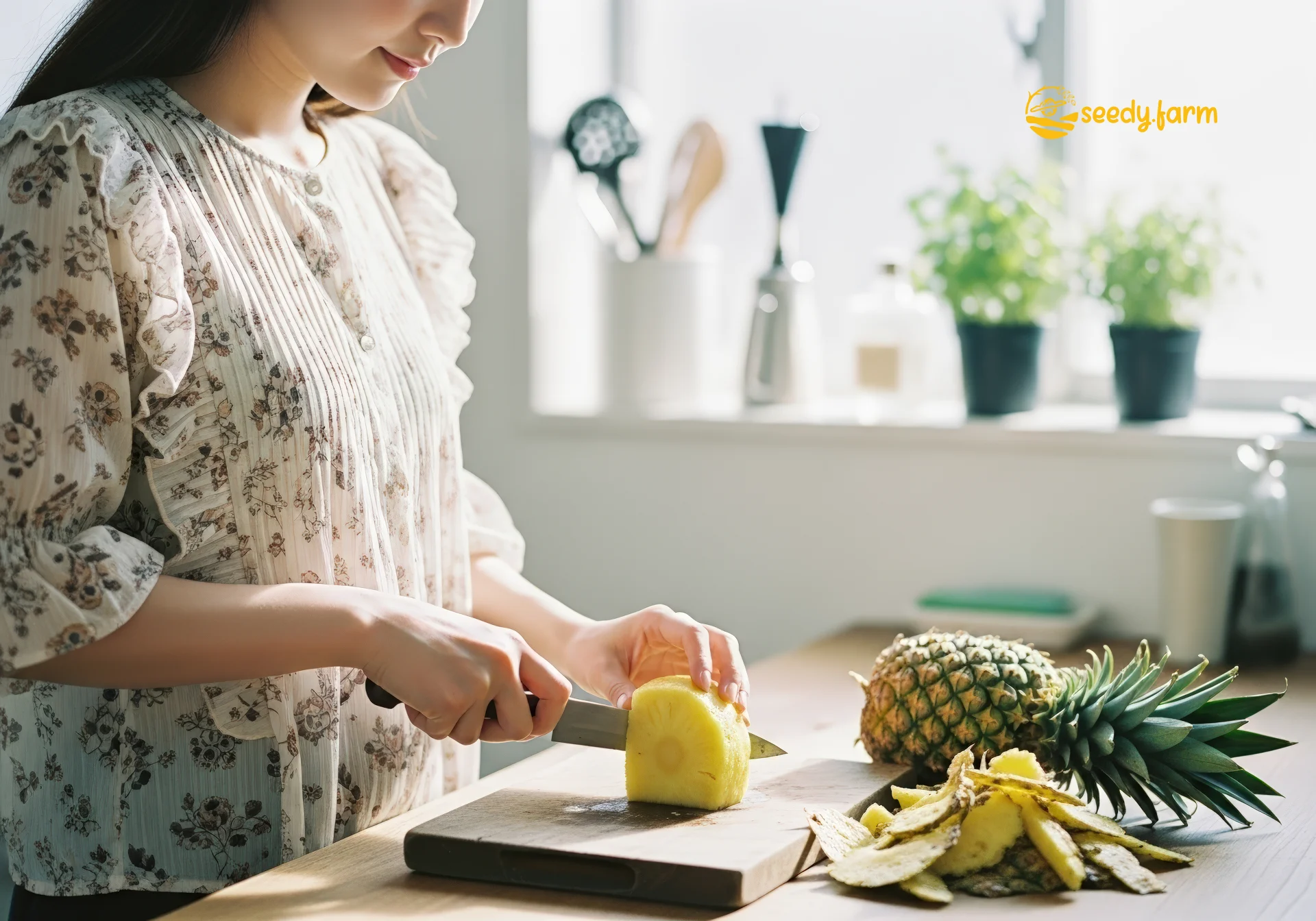
I. Pineapple Ferment: What It Is and How It Works
1. Understanding the Science: How Pineapple Ferment Works
The effectiveness of this pineapple insecticide is based on established biological principles, not anecdotal claims. This potent organic spray functions through two primary mechanisms.
- *Proteolytic Enzymes (Bromelain): Pineapple tissue is famously rich in a group of protein-digesting enzymes called bromelain. The cuticle, or exoskeleton, of soft-bodied insects is a complex of protein and chitin*. When applied directly, bromelain specifically attacks and degrades this protein component, compromising the exoskeleton’s structural integrity. This leads to rapid dehydration and makes the pest vulnerable, effectively acting as a potent contact insecticide.
- Acidic Environment (Lactic Acid): The fermentation process, when done correctly, is dominated by Lactic Acid Bacteria (LAB). These microbes convert sugars into lactic acid, dropping the solution’s pH to a highly acidic 3.5-4.0. This acidity creates an inhospitable environment on the leaf surface for many pests and can also inhibit the germination of certain fungal spores, such as powdery mildew.
Beyond pest control, the finished liquid is a probiotic brew. When used as a soil drench, it introduces beneficial microorganisms that can help improve nutrient cycling and soil structure, making it a valuable bio-stimulant for overall plant vitality.
2. Target Pests and Limitations: Setting Realistic Expectations
a. Effective Against (Primarily):
- Soft-Bodied Sucking Insects: This spray is most effective against pests with delicate exoskeletons. This includes common garden nuisances like Aphids, Spider Mites, Thrips, Mealybugs, and Whiteflies.
- Small Larvae: The early-stage, small caterpillars of some moths and butterflies are also vulnerable before they develop tougher skins.
b. Ineffective Against:
- Hard-Bodied Insects: It will have little to no effect on adult beetles (e.g., Japanese Beetles, Cucumber Beetles), Squash Bugs, or Shield Bugs. Their hardened, waxy carapaces are impervious to the enzymes.
- Insect Eggs: The spray does not penetrate the protective casings of most insect eggs, so it will not stop a future generation from hatching.
- Slugs and Snails: While they are soft-bodied, this spray is not a reliable tool for mollusk control.
c. A Note on Fungal Issues:
The acidic nature of the spray can act as a preventative against surface fungi like Powdery Mildew by creating a pH on the leaf that inhibits spore germination. However, it is not a curative fungicide and will not treat established systemic diseases like blight or downy mildew.
II. How to Make a Pineapple Peel Ferment: A Step-by-Step Guide
This guide will show you how to turn what is normally kitchen waste into a potent and effective pineapple scrap pesticide. The process is a form of anaerobic fermentation, where precision and cleanliness are key to cultivating the right microbes and avoiding spoilage.
Pineapple Peel Ferment Recipe
1. Ingredients and Equipment
- Pineapple Scraps: 3 kg (approx. 6.6 lbs). Use the peels and the tough central core. Chop them into smaller, 2.5-5 cm (1-2 inch) pieces to increase the surface area available to the microbes, which accelerates fermentation.
Simple Sugar: 1 kg (approx. 2.2 lbs). The sugar is not for the plant; it is the essential food source for the fermenting microorganisms. Microbes like yeast and Lactic Acid Bacteria consume these simple sugars and convert them into beneficial outputs like enzymes and organic acids. Without this initial fuel, the desired fermentation cannot begin, and the mixture would likely putrefy. Brown sugar, which contains molasses, is an excellent choice.

Non-Chlorinated Water: 10 liters (approx. 2.6 US gallons). Chlorine is an anti-microbial agent and will kill the beneficial bacteria and yeast required for fermentation. Use rainwater, distilled water, or tap water that has been left uncovered for 24 hours to allow the chlorine to dissipate. Food-Grade Plastic Container with Lid: Choose a container significantly larger than 15 liters (4 US gallons) to allow for “headspace.” Fermentation produces carbon dioxide (CO₂), and this space prevents pressure from building to dangerous levels. A bucket with a lid that can be set on loosely is ideal.
2. The Preparation Process
- Wash the Peels: Thoroughly rinse the pineapple scraps to remove any surface dirt or potential contaminants. Drain well.
- Combine Ingredients: Place the chopped pineapple scraps into your container. Add the 1 kg (2.2 lbs) of sugar and mix vigorously until the pieces are fully coated. The sugar will begin to draw water out of the pineapple through osmosis.
- Add Water and Stir: Pour in the 10 liters (2.6 gal) of non-chlorinated water. Stir until the sugar is completely dissolved into the solution.
- Seal for Fermentation: Place the lid on the container. Do not seal it airtight. During the first week, the lid should be placed on loosely to allow CO₂ to escape. Alternatively, you can use a fermentation airlock, the same kind used for brewing beer or wine.
### 3. The Fermentation Process: Signs of Success
The ideal temperature range is 20-30°C (68-86°F). Fermentation will take 2-4 weeks.
- Days 1-7 (Active Fermentation): You will see bubbling as yeast and bacteria consume the sugars and produce CO₂. A sweet, slightly alcoholic smell is normal. Stir the mixture once daily with a clean utensil to submerge the floating solids, which helps prevent unwanted mold growth.
- Weeks 2-3 (Maturation): The bubbling will slow significantly. The aroma will shift from sweet to a more pleasant, sweet-and-sour scent, similar to apple cider vinegar. A thin, translucent-to-white film of beneficial yeast and bacteria (similar to a kombucha SCOBY) may form on the surface. This is a positive sign.
- Ready for Use: The ferment is ready when all bubbling has stopped, the solids have mostly sunk, and the liquid has a distinct, sharp but pleasant vinegar-like smell. The liquid should be a translucent brownish-yellow.

## III. How to Use Pineapple Ferment in the Garden
Once fermentation is complete, strain the liquid through cheesecloth or a fine sieve to remove all solids, which can be composted. The resulting liquid is your concentrate.

### 1. Dilution Ratios for Application
Always dilute the concentrate. Applying it undiluted will severely damage your plants. Always perform a patch test on a single leaf 24 hours before spraying an entire plant.
- General Foliar Spray & Pest Prevention: For routine use on most vegetables, herbs, and established ornamentals. Ratio: 1:100 (e.g., 10 ml or 2 tsp of concentrate mixed with 1 liter or approx. 1 US quart of water). Apply every 10-14 days.
- Active Pest Infestation (Soft-Bodied Pests): For treating active populations of aphids, spider mites, or thrips. Ratio: 1:50 (e.g., 20 ml or 4 tsp of concentrate mixed with 1 liter or approx. 1 US quart of water). Apply every 3-5 days.
- Sensitive Plants & Seedlings: For delicate plants like orchids, ferns, or very young seedlings. Ratio: 1:200 (e.g., 5 ml or 1 tsp of concentrate mixed with 1 liter or approx. 1 US quart of water).
2. Essential Application Technique
Correct application is as important as correct dilution to prevent causing harm (phytotoxicity).
- Apply in Low Light: Spray plants during the cool of the late afternoon or on an overcast day. Sunlight can concentrate the acidic droplets on leaves, creating a lens effect that causes leaf burn.
- Provide a Morning Rinse: The day after application, lightly rinse the plant foliage with plain water. This step is critical for two reasons: First, it washes off the acidic, sugary residue that can cause chemical leaf burn (phytotoxicity) when exposed to sun. Second, it removes the sticky film that can attract sooty mold, a fungus that grows on sweet residues.

### 3. Integrating Pineapple Spray into Your Pest Management Plan
a. Use as a Contact Spray, Not a Repellent:
This spray works on direct contact and has minimal residual effect; it must thoroughly coat the pests to be effective. It does not act as a long-term repellent. Pests that arrive after the spray has dried will be unaffected.
b. Combining with Other Organic Methods:
For best results, use this pineapple insecticide as part of an Integrated Pest Management (IPM) plan. Rotate its use with other organic options like insecticidal soap or neem oil. This prevents pests from developing tolerance and allows you to target a wider range of issues. For example, use the pineapple spray for a fast-acting knockdown of an aphid outbreak, and use neem oil for its broader, anti-feedant properties.
c. Protecting Pollinators and Beneficials:
Always spray in the late evening when bees and other pollinators are no longer active. While organic, this is a non-discriminatory contact spray and can harm beneficial insects like ladybug larvae if they are coated directly. This timing protocol dramatically minimizes collateral damage, as any beneficial insects that arrive the next morning will be completely safe.
IV. Storage and Effective Lifespan for Horticultural Use
Store the strained concentrate in a sealed container in a cool, dark place. It does not require refrigeration. The solution’s properties and best uses change over time.
- Peak Enzymatic Activity (for Insecticide Use): The bromelain enzymes are most active in the first 1-3 months. For the most potent insecticidal effect, use your ferment within this window.
- Long-Term Viability (for Soil Drench): After several months, the enzymatic activity will decrease significantly, but the liquid remains acidic and rich in dormant microbes. It remains an excellent soil drench or compost accelerator indefinitely. When using older ferment, think of it less as an insecticide and more as a probiotic tonic for your soil.

## V. Troubleshooting & Frequently Asked Questions (FAQ)
1. About the Fermentation Process:
Why isn’t my mixture bubbling?Lack of bubbling is usually due to temperature. If it’s too cold (below 20°C / 68°F), the microbes are dormant. Move the container to a warmer spot. It can also mean your water was chlorinated; unfortunately, you would need to start over. There is fuzzy green/black mold on top. Is it ruined?Yes. Fuzzy, colored mold indicates contamination and the batch must be discarded. A flat, white film of yeast is normal and beneficial; fuzzy mold is not. This usually happens from too much oxygen or unclean equipment. Can I use less sugar or a different type of sugar?You can substitute any simple sugar but stick to the 3:1:10 ratio by weight. Reducing the sugar will starve the microbes and likely lead to spoilage. Can I use other fruits like oranges or lemons?Yes, but the result will be different. Pineapple is used specifically for its high concentration of bromelain. Citrus peels create a ferment rich in limonene, which has some repellent qualities but lacks the potent protein-dissolving enzymes.
### 2. About Application and Safety:
I forgot to rinse my plants. What should I do?Rinse them as soon as you remember. If the leaves show signs of scorching (brown, crispy spots), the plant will likely recover by growing new leaves, but learn from the experience. Will this spray burn my plants?It can if used incorrectly. Always dilute properly, perform a patch test, spray in the evening, and rinse the next morning. These steps will prevent leaf burn. Is it safe to use on edible herbs and vegetables?Yes. Since it is made from food ingredients, it is safe for edible plants. Follow the morning rinse protocol, and as a standard practice, always wash all produce thoroughly before consumption. How soon before harvest can I spray?You can spray up to the day before harvest. The morning rinse and a final wash of your produce after picking are sufficient to remove any residue.
### 3. About Efficacy and Storage:
How do I know if the spray is working?Check the plants 24 hours after spraying. You should see a significant reduction in the number of live pests. Aphids and mites will appear shriveled or washed off. Can I make a smaller batch? What is the ratio?Absolutely. The core ratio is 3:1:10 by weight. For a smaller batch, you could use 300g (approx. 10.5 oz) of pineapple scraps, 100g (approx. 3.5 oz) of sugar, and 1 liter (approx. 1 quart) of water. My stored ferment has solids at the bottom. Is it still good?Yes, this is perfectly normal. These are settled yeast and microbial colonies. Simply give the container a gentle swirl before measuring out your concentrate for dilution.
Comments (0)
No comments yet. Be the first to share your thoughts.