 Skip to content
A Home Gardener’s Guide to Growing Fennel
Of all the vegetables you can grow, fennel may be the one with the most personality. With a wild heart
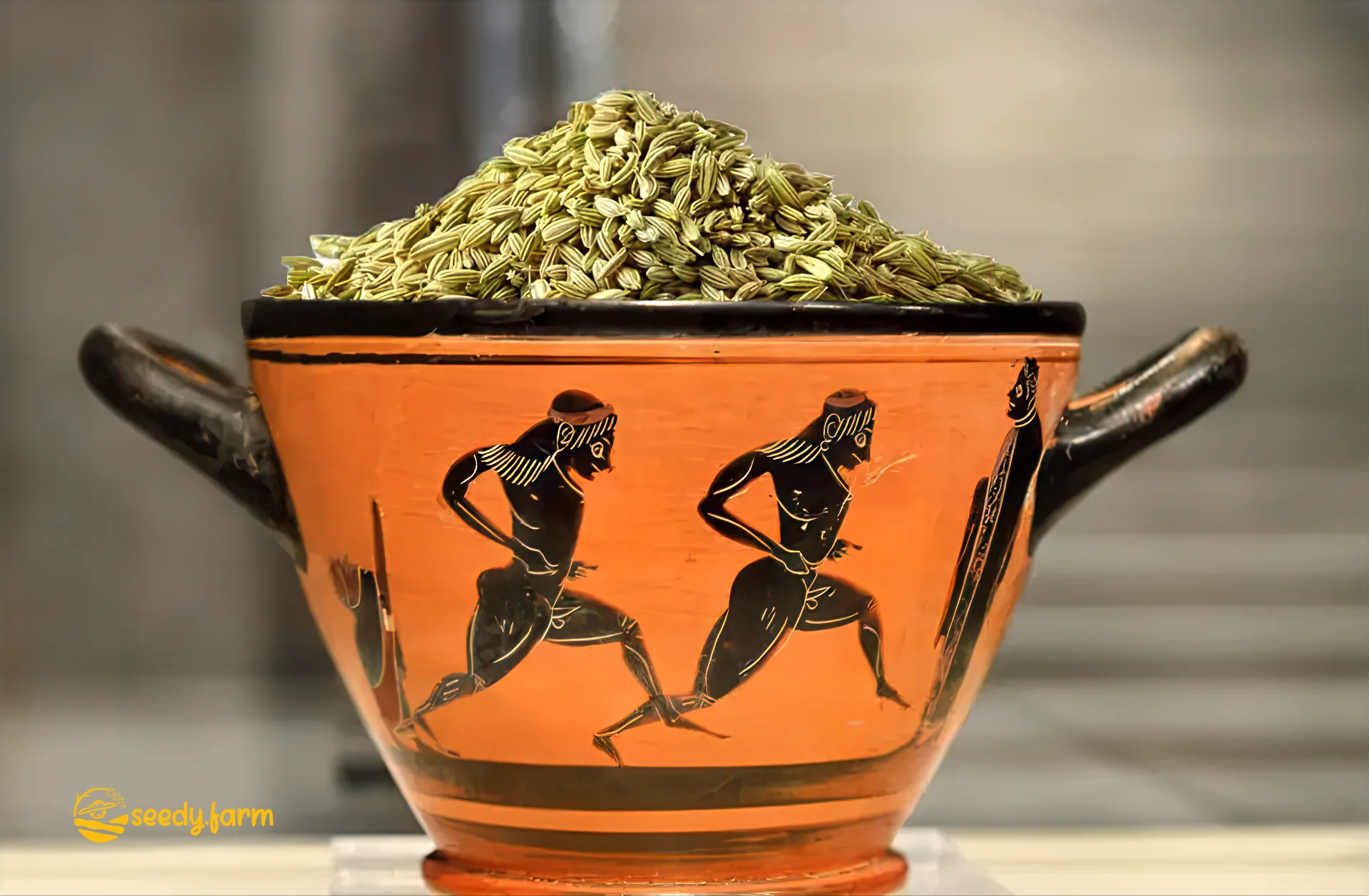
Of all the vegetables you can grow, fennel may be the one with the most personality. With a wild heart tracing back to the sun-drenched Mediterranean coast, it’s a plant that knows what it wants. It has a reputation for being particular, but this isn’t fussiness—it’s a deep-seated memory of its native habitat. To grow fennel successfully is to understand and respect its nature. This guide will show you how to do just that, transforming a patch of soil into a thriving home for this incredible plant, a culinary delight, and a powerhouse for a healthy garden ecosystem.
I. Understanding Fennel: Types, Parts, and Uses
Before you even think about soil, it’s crucial to know which fennel you want to grow. The “fennel” you buy for seeds is a different plant, in purpose, from the “fennel” you buy for its bulb. They are the same species, but centuries of selection have pushed them in two very different directions.
1. Herb vs. Vegetable: Choosing Your Fennel
*Common Fennel (Foeniculum vulgare) is a tall, short-lived perennial that stays true to its wild origins. Cultivated for its aromatic foliage and seeds, it puts its energy into a tall, branching structure that can reach 6 feet or more. It does not form a usable bulb; if you try to harvest the base, you will find only a tough, stringy, and inedible collection of stems. Ornamental varieties like Bronze Fennel (F. vulgare ‘Purpureum’)* fall into this category, prized for their striking color and their role as a beacon for beneficial insects.
*Florence Fennel (Foeniculum vulgare var. azoricum) is the vegetable variety, grown as an annual for its swollen, layered leaf base that forms a crisp “bulb.” Known as finocchio*, this is the type you find in grocery stores. Through selective breeding, this variety was developed to put its energy into creating a dense, tender base rather than height. Think of it as the domesticated cousin, tamed for the dinner table.
2. From Bulb to Pollen: A Plant of Many Uses
Every part of the fennel plant is edible and offers distinct culinary value, making it a model of garden efficiency.
- Bulbs: The crisp, layered base of Florence fennel is exceptional when roasted, grilled, braised, or shaved raw into salads for a refreshing crunch. Cooking mellows its anise flavor, making it sweet and surprisingly delicate.
- Fronds: The delicate, dill-like foliage from both types provides a fresh, bright anise flavor. Use it as you would any soft herb—as a final garnish, or blended into pestos, marinades, salads, and sauces for fish.
- Stalks: The celery-like stalks are more fibrous than the bulb but are packed with flavor. Chop them and add them to the base of soups and stocks (the “mirepoix”), or lay them under a roasting chicken or fish to infuse the meat with flavor.
- Seeds: Harvested from second-year common fennel or bolted Florence fennel, the seeds are a potent spice used in baking, sausages, Indian spice blends (mukhwas), and herbal teas known to aid digestion.
- Flowers & Pollen: The yellow, umbel-shaped flowers are magnets for pollinators and beneficial predatory insects. The pollen itself is a gourmet ingredient, often called “culinary gold dust” for its intense, concentrated flavor and aroma. To collect it, gently tap mature flower heads over a sheet of parchment paper.

## II. The Planting Process: Timing and Technique
With your site prepared, it’s time to plant. Fennel is a plant that remembers a bad childhood. Stress early in its life will convince it that its time is short, and it will abandon bulb growth to rush to make seeds.

### 1. The Gardener’s Calendar: When to Sow Fennel
Fennel reads the environment for clues, bolting when exposed to the combined stress of heat and long summer days. This isn’t a flaw; it’s a brilliant survival instinct.
- Spring Planting: This is a race against time. Direct sow seeds after all danger of heavy frost has passed, hoping the bulb can size up before summer’s heat arrives.
- Fall Planting: This is the ideal window for most climates. Direct sow seeds in mid-to-late summer, about 90-110 days before your first fall frost. The plant germinates in warmth but does the critical work of bulb formation during the cooler, shorter days of autumn.
2. Sowing for Success: Direct Seeding vs. Transplants
Because fennel has a long, sensitive taproot, direct sowing is the best method.
a. Mentor’s Corner: The Problem with Transplanting Fennel
Fennel’s taproot is its lifeline. If this root is bent, broken, or constricted during transplanting, the plant’s internal “panic button” is pushed. It perceives this damage as a life-threatening event and switches its priority from growth to reproduction (bolting). This is why direct sowing is strongly recommended.
- Direct Sowing: Prepare a fine seedbed. Sow seeds 1/4 to 1/2 inch deep, about 4-6 inches apart. Once seedlings are 3-4 inches tall, thin them to a final spacing of 8-12 inches apart. To avoid disturbing the roots of your chosen plants, use small scissors to snip the unwanted seedlings at the soil line rather than pulling them out.
- Starting Indoors: If you must, use deep, individual biodegradable pots that can be planted directly into the ground. Sow 2-3 seeds per pot and thin by snipping. Harden off seedlings for 7-10 days before planting pot and all to minimize shock.
III. Cultivation and Care: Creating the Ideal Environment
1. Laying the Groundwork: Site, Soil, and Spacing
Now that you’ve chosen your fennel, the planning phase begins. Success is determined here, before a single seed is sown. Your job is to mimic the conditions of a sunny, gravelly Mediterranean shore.
a. Sunlight: The Non-Negotiable Requirement
Fennel demands full, blazing sun—a minimum of 6 to 8 hours of direct, unobstructed sunlight daily. This is a non-negotiable homage to its heritage. However, it is sensitive to intense heat, which can trigger bolting. In hot climates (USDA Zone 8 and above), selecting a site with afternoon shade can be a saving grace. This mimics the cooling effect of a coastal breeze, moderating soil temperature and telling the plant it’s safe to keep growing its bulb.
b. Soil and Drainage: The Foundation of Health
Think about a seaside cliff in Italy. The soil is gritty, drains instantly, and isn’t overly rich. This is what fennel craves.
- For In-Ground Beds: A loamy or sandy-loam soil amended with 2-3 inches of mature compost is ideal. Drainage is the most critical factor. If you have heavy clay, growing in raised beds (at least 12 inches deep) is not just a suggestion; it is the most reliable path to success. Fennel also prefers a neutral to slightly alkaline pH of 6.5 to 8.0, another echo of its coastal home.
- For Containers: This is a great way to control the soil perfectly. Select a deep container (at least 5 gallons and 12-15 inches deep) to accommodate the long taproot. Use a high-quality potting mix blended with compost and perlite or coarse sand to ensure the sharp drainage fennel loves.
c. Allelopathy: Why Fennel Needs Its Own Space
Fennel is not a team player. It defends its territory through allelopathy, releasing compounds that inhibit the growth of many other plants. This is a critical planning step: give fennel its own dedicated bed or a spot at the edge of the garden.
Tolerant Companions
Some plants can coexist if given enough space (at least 1-2 feet).
- Aromatic Herbs: Strong, shrubby herbs like rosemary or sage are generally unbothered.
- Flowers for Pollinators: Planting fennel near a flower border is an excellent strategy, where it can complement yarrow, calendula, and borage without direct competition.
Antagonistic Companions to Avoid
Do not plant fennel near the following:
- Dill, Coriander, Caraway: They are close relatives, will cross-pollinate (ruining the seed flavor for both), and will be stunted by fennel’s presence.
- Tomatoes, Bush Beans, Peppers: Fennel’s allelopathic compounds are particularly detrimental to them.
- Kohlrabi & Cabbage Family Crops: These show significant growth inhibition near fennel.
- Potatoes: Fennel can impede tuber formation and stunt growth.
2. Seasonal Care: Nurturing the Growing Plant
Your main job during the growing season is to provide a stable, stress-free environment. This consistency reassures the plant that life is good and it can focus on making a big, tender bulb.
a. Watering and Mulching: The Key to Consistency
Consistent moisture is non-negotiable for quality fennel. The goal is soil that feels like a well-wrung-out sponge.
- Provide at least 1 inch of water per week, either from rain or irrigation. A long, deep soak is better than a light sprinkle. Inconsistent watering is a primary trigger for split stalks and bolting.
- Apply a 2-3 inch layer of organic mulch (straw, shredded leaves). This is a critical step. Mulch conserves moisture, keeps roots cool, and suppresses weeds, creating the stable environment fennel craves.

#### b. Blanching for Tenderness: An Optional Step
Fertilize sparingly. One side-dressing of compost tea or fish emulsion when plants are about a foot tall is plenty. When the bulb base swells to the size of an egg, you can begin blanching. This optional step involves mounding soil up around the base to shield it from the sun, resulting in a whiter, more tender bulb.
c. Embracing Fennel’s Insect Partners
Fennel is relatively trouble-free, but its greatest “pests” are actually valuable partners in creating a healthy garden.
- Parsleyworms (Black Swallowtail Caterpillars): You will likely find striking green, black, and yellow striped caterpillars on your fennel. Do not panic! These are the larvae of the magnificent Black Swallowtail butterfly. Consider it a privilege to host them. Plant extra fennel to share; your garden becomes a nursery for butterflies.
- Aphids: Let fennel flower, even if it bolts. The blooms attract an army of beneficial insects like ladybugs and hoverflies, whose larvae are voracious aphid predators. Fennel doesn’t just feed you; it protects your entire garden.

## IV. Harvesting and Preservation: Reaping the Rewards
The culmination of your planning and care is a delicious, aromatic harvest. Knowing when to act ensures you capture the best flavor and texture.
1. Knowing When and How to Harvest Each Part
- Fronds: Harvest foliage as needed once the plant is established. Snip fronds with scissors, but never remove more than a third of the foliage at once from a plant grown for its bulb.
- Bulbs: Harvest when bulbs are firm, white, dense, and 3-4 inches across. Squeeze it gently; it should feel solid. Use a sharp knife to slice the plant off at the soil line, leaving the root in the ground. The resilient root will often send up small, tender, intensely flavored shoots for a secondary garnish harvest.
- Seeds: Allow seed heads to mature and turn brown and dry on the plant. Cut the stalks and place them upside down in a paper bag in a dry, airy location. The seeds will fall off easily when ready.
2. Storage Techniques to Preserve Flavor and Freshness
Trim the fronds and stalks from the bulb immediately after harvest, as they pull moisture from it. Store the bulb in a perforated plastic bag in the refrigerator’s crisper drawer for 1-2 weeks. Freeze chopped stalks and fronds in ice cube trays with water or stock for easy “flavor bombs” for winter soups.
V. Advanced Topics and Troubleshooting
A lack of garden space doesn’t mean you can’t grow fennel. These methods are tailored for balconies, patios, and even a sunny windowsill.
1. Growing Fennel in Containers
As covered in the planning section, the key to container fennel is a deep pot (5+ gallons, 12-15″ deep) and a fast-draining potting mix. The biggest challenge for container gardeners is watering. Pots dry out quickly, so daily moisture checks are essential to prevent the stress that leads to bolting.
2. Indoor Growing for Aromatic Fronds
Growing a full-sized bulb indoors is impractical, but you can easily grow a quick crop of flavorful fronds.
- Fill a shallow tray with 1-2 inches of seed-starting mix and moisten it thoroughly.
- Sprinkle seeds densely over the surface and lightly cover with soil.
- Cover until germination, then place under a grow light for 12-16 hours per day.
- Harvest with scissors in 10-20 days. Use to garnish anything and everything.
3. Regrowing from Scraps: A Lesson in Plant Biology
This is an excellent way to get a small, secondary harvest of fronds, but it will not grow a new bulb. The base has enough stored energy for one last push of foliage, but not to regenerate a full root system.
- Place the 1-inch base of a store-bought bulb in a shallow dish with a half-inch of water on a sunny windowsill.
- Change the water daily to prevent rot.
- Snip the new green shoots as they emerge from the center. Enjoy it for what it is: a free, fresh garnish and a lesson in plant biology.

### 4. Troubleshooting Common Fennel Problems
- Why did my fennel plant grow tall and flower instead of making a bulb? This is bolting—the plant’s ancient survival instinct kicking in. It’s a stress response triggered by heat, long days, or root disturbance. To prevent it, plant for a fall harvest, direct sow seeds, and maintain consistent soil moisture. You’re reassuring the plant that life is good and there’s no need to panic.
- My fennel bulbs are small and tough. What went wrong? This is almost always a result of stress or competition. The likely causes are crowding (thin to 8-12 inches apart), inconsistent water, heat stress, or compacted soil. The plant didn’t have the resources or ideal conditions to form a tender, succulent bulb.
- Is Bronze Fennel edible? Or is it just ornamental? Absolutely edible! Bronze fennel is a variety of common fennel. Its fronds, stalks, and seeds are delicious, often with a slightly sweeter flavor. Think of it as the beautiful, wild-hearted cousin of the vegetable variety.
- Can I save seeds from my ‘Zefa Fino’ fennel and plant them next year? You can, but it’s a genetic lottery. ‘Zefa Fino’ is an F1 hybrid, like a mule created by crossing a horse and a donkey. It’s fantastic, but its offspring (the seeds) will not be the same. They will revert to traits from the grandparent plants and will be highly variable, likely losing the bolt resistance and uniformity you paid for. For reliable results, buy fresh seeds of your chosen variety each year.
Comments (0)
No comments yet. Be the first to share your thoughts.