 Skip to content
Neem Oil in Gardening: Uses and Benefits
Neem oil is a cornerstone of organic horticulture, derived from the seeds of the neem tree, Azadirachta indica. It is
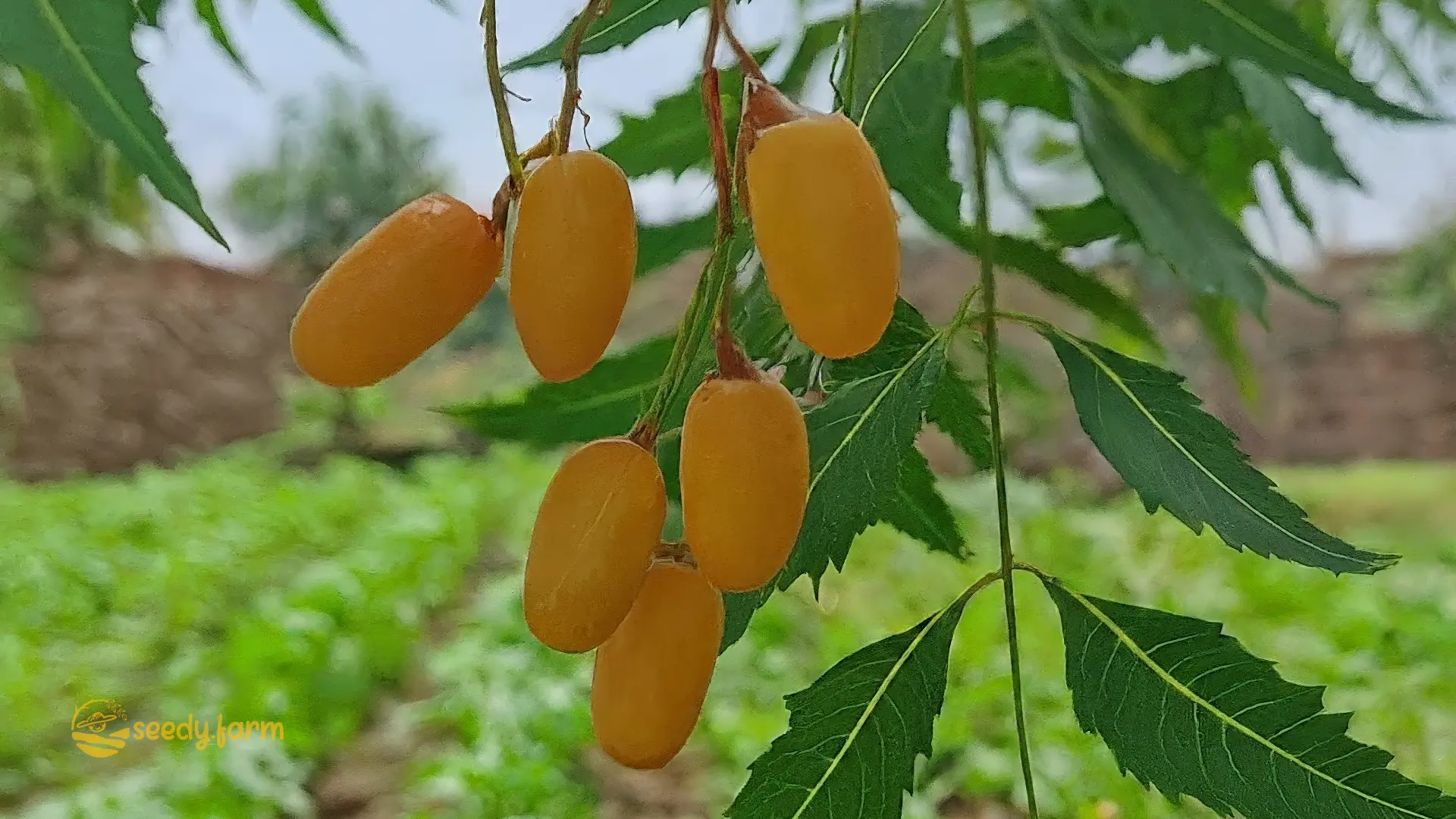
Neem oil is a cornerstone of organic horticulture, derived from the seeds of the neem tree, Azadirachta indica. It is not a single-action product but a complex botanical oil containing multiple active compounds. Its effectiveness stems primarily from a compound named azadirachtin, a natural insect growth regulator and antifeedant.
Unlike synthetic contact poisons that kill indiscriminately, azadirachtin works more strategically. When ingested by a susceptible insect, it disrupts the hormonal systems that control molting, growth, and reproduction. This action effectively stops pest populations from developing, often before they can cause significant damage. Furthermore, neem oil’s other compounds can act as repellents and, when applied directly, the oil itself can suffocate soft-bodied insects like aphids and mites. This multi-pronged approach makes it an invaluable tool for integrated pest management (IPM).
This guide provides a comprehensive, practical overview for using neem oil effectively and safely, whether you are managing a commercial crop or tending a few pots on a balcony.

## I. Exploring Neem Oil Benefits
1. Understanding Neem Oil
Neem oil is extracted from the seeds of the neem tree, Azadirachta indica, a species native to the Indian subcontinent with a long history in traditional agriculture and medicine. The quality and efficacy of the oil depend heavily on the extraction method. For horticultural use, always select 100% cold-pressed neem oil. This method preserves the highest concentration of azadirachtin, the key insecticidal compound. Avoid products labeled “clarified hydrophobic extract of neem oil,” as these have had the azadirachtin removed and primarily work by suffocation, lacking the full range of benefits.
The primary mode of action for azadirachtin is as an Insect Growth Regulator (IGR). It mimics an insect’s natural hormones, preventing larvae from molting into their next life stage and disrupting mating and egg-laying in adults. It also functions as an antifeedant, making treated leaves unpalatable to chewing and sucking insects. This is not a fast-acting contact poison; its strength lies in breaking the pest life cycle over several days. Its effects on fungal diseases are primarily fungistatic, meaning it inhibits spore germination and mycelial growth rather than killing established colonies outright.
2. Key Advantages of Neem Oil in Gardening
Integrating neem oil into a plant care regimen provides layered, proactive benefits beyond simple pest control. It is a foundational tool for building a resilient garden ecosystem.
- Broad-Spectrum, Yet Targeted, Pest Management: Neem oil is effective against over 200 species of plant-feeding insects, including common problems like aphids, mealybugs, whiteflies, spider mites, and Japanese beetle larvae. Because it primarily works upon ingestion, it has a much lower impact on adult beneficial insects like bees, ladybugs, and lacewings that do not feed on plant tissues, especially when applied in the evening after pollinators have returned to their hives.
- Fungal Disease Suppression: It is effective at preventing and controlling common fungal issues like powdery mildew, black spot, and rust. The oil creates a physical barrier on the leaf surface that prevents spores from germinating. Its fungistatic properties slow the spread of existing infections, allowing the plant to outgrow the damage. This is a preventative measure, not an eradicant for severe, established disease.
- Strengthens Plant Health and Vigor: The fatty acids and triglycerides in neem oil can be absorbed by the leaves, providing a mild foliar nutrition boost that can enhance the natural sheen and health of foliage. When used as a soil drench, it does not harm earthworms and can support a healthier soil microbiome by discouraging pathogenic nematodes and fungi.
- Minimal Environmental Impact: As a biodegradable, plant-based oil, neem breaks down quickly in the environment through exposure to sunlight and microbes. This leaves no persistent, harmful residues in the soil or on crops, making it a responsible choice for food gardens and sustainable landscapes.
- Reduces Likelihood of Pest Resistance: Synthetic pesticides often use a single mode of action, which can lead to pests developing resistance over time. Because neem oil contains multiple active compounds (azadirachtin, nimbin, salannin) and works in several ways (growth regulation, feeding deterrence, repellency), it is much more difficult for pests to develop resistance.

## II. Preparing and Applying Neem Oil
1. Crafting the Ideal Neem Oil Solution
A properly mixed neem oil solution is essential for both safety and effectiveness. The goal is to create a stable emulsion—a mixture of oil and water that will not separate immediately. This ensures every droplet from your sprayer delivers a consistent dose.
The most critical components are 100% cold-pressed neem oil, water, and a pure soap to act as an emulsifier. Do not use household dish detergents. Many contain degreasers, fragrances, and other chemicals that can strip the protective waxy cuticle from leaves, leading to phytotoxicity (plant damage). The best choice is a pure, liquid castile soap or a commercial insecticidal soap, which are specifically designed for horticultural use.
The concentration of your mix depends on its purpose. A gentler solution is used for preventative maintenance or on sensitive plants, while a stronger mix is reserved for active, heavy infestations. Always start with a lower concentration if you are unsure of a plant’s sensitivity.
2. Step-by-Step Guide to Mixing Neem Oil
Follow these steps precisely to create a stable and effective neem oil spray. It is best to mix a fresh batch before each use, as the active compounds begin to break down once diluted in water.
- Gather Your Materials: You will need 100% cold-pressed neem oil, pure liquid castile soap (or insecticidal soap), warm water, measuring spoons, and a clean garden sprayer. Using warm water helps the oil mix more easily.
- Prepare the Neem Oil: Pure neem oil solidifies at cool temperatures (below 70°F / 21°C). If your oil is thick or solid, place the sealed bottle in a bowl of warm water for 10-15 minutes until it becomes fully liquid. Do not microwave it.
- Create the Emulsifier Base: In your sprayer, first mix the soap with the warm water. This ensures the emulsifier is evenly distributed before adding the oil. A standard ratio is 1 teaspoon of soap per gallon of water.
- Measure and Add Neem Oil: For a standard preventative spray, add 2 teaspoons of neem oil per gallon of water. For an active infestation, you can increase this to a maximum of 4 teaspoons (1.5 tablespoons) per gallon. Add the measured oil to the soapy water.
- Combine Thoroughly: Secure the sprayer lid and shake vigorously for at least 30-60 seconds. The mixture should appear milky and uniform, with no visible oil slicks on the surface. You must re-shake the sprayer periodically during application to keep the emulsion stable.
- Test the Mixture: This is a critical step. Before spraying an entire plant or crop, test your solution on a few leaves in an inconspicuous area. Wait 24-48 hours and check for any signs of damage, such as spotting, yellowing, or burning. If the plant shows no ill effects, proceed with a full application.
3. Best Practices for Neem Oil Application
How you apply neem oil is as important as how you mix it. Proper technique maximizes its benefits while protecting your plants and the surrounding ecosystem.
- Timing is Everything: Apply neem oil during the cooler hours of the day—either early in the morning or late in the evening. This prevents the oil from causing leaf scorch in direct, hot sun and minimizes contact with pollinators like bees, which are most active during the day. Once dry, neem oil poses a minimal threat to these beneficials.
- Ensure Complete Coverage: Pests and fungal spores often hide on the undersides of leaves and in the crevices where leaves join the stem. Adjust your sprayer nozzle to a fine mist and methodically coat all plant surfaces—tops and bottoms of leaves, stems, and buds—until they are wet but not dripping.
- Do Not Apply to Stressed Plants: Avoid spraying plants that are already stressed from drought, recent transplanting, or waterlogged soil. A stressed plant is more susceptible to phytotoxicity. Ensure plants are well-watered a day or two before application.
- Establish a Consistent Schedule: For prevention, apply every 10-14 days. To control an active pest problem, a more aggressive schedule of every 5-7 days is required. Consistent reapplication is necessary to break the pest life cycle and protect new growth.
- Reapply After Rain: Neem oil is broken down by water and UV light. If it rains within 24 hours of application, you will need to reapply the spray for it to remain effective.

### 4. Optimal Timing for Neem Oil Application
Strategic seasonal and responsive timing elevates neem oil from a simple treatment to a core component of a preventative plant health strategy.
- Dormant Season Application: A stronger “dormant oil” concentration (4 teaspoons per gallon) can be applied to dormant deciduous trees and shrubs in late winter or early spring before buds break. This helps smother overwintering insect eggs (like aphids and scale) and fungal spores.
- Early Spring Prevention: Begin a preventative schedule (2 teaspoons per gallon every 14 days) as soon as new growth emerges in the spring. This is when many pests become active and plants are most vulnerable.
- High-Pressure Periods: Increase application frequency to every 7 days during periods known for high pest or disease pressure, such as humid mid-summer weather which favors powdery mildew, or when Japanese beetles emerge.
- Responsive Treatment: The moment you spot the first sign of pests (e.g., a few aphids on a rosebud) or disease (e.g., the first powdery spots on squash leaves), apply immediately. Early intervention is far more effective than trying to control a widespread infestation.
5. Synergizing Neem Oil with Other Treatments
Neem oil is a team player in an Integrated Pest Management (IPM) program. Relying on any single solution can be ineffective and lead to resistance. Combining or rotating treatments provides more robust, resilient control.
- Rotation for Pest Control: To manage tough pests like spider mites or aphids, rotate weekly applications of neem oil with insecticidal soap or horticultural oil. This presents pests with different modes of action, preventing them from developing tolerance. For caterpillar pests, neem oil is a good deterrent, but an application of *Bacillus thuringiensis (Bt)* is a more specific and effective control.
- Enhanced Fungal Management: For gardens prone to fungal diseases like powdery mildew, alternate neem oil sprays with a potassium bicarbonate-based fungicide or a biological fungicide containing beneficial bacteria. Neem oil prevents spore germination, while these other products can help eradicate existing colonies.
- Combining with Foliar Feeding: A neem oil solution can be combined with a liquid seaweed or fish emulsion fertilizer for a dual-action foliar spray. This provides pest and disease protection while simultaneously delivering micronutrients to strengthen the plant’s own defenses. Always perform a patch test when combining products for the first time.
- Soil Health Synergy: A neem oil soil drench is excellent for controlling fungus gnat larvae. Follow up a week later with an application of beneficial nematodes or a mycorrhizal inoculant to further enhance soil health and build a resilient root environment that pests and pathogens cannot easily colonize.
Mentor’s Corner: The IPM Philosophy
Integrated Pest Management (IPM) is not about eliminating every insect from your garden; it’s about managing pests below a threshold where they cause unacceptable damage. Neem oil is a perfect IPM tool because it works in harmony with this philosophy. It weakens pest populations, making them more susceptible to natural predators. True success comes from using neem oil not as a standalone “magic bullet,” but as one part of a larger strategy that includes healthy soil, proper watering, encouraging beneficial insects, and choosing resistant plant varieties.
## III. Storing and Handling Neem Oil Safely & FAQ
1. Proper Storage Techniques for Neem Oil
Preserving the chemical integrity of neem oil is essential for its effectiveness. The active compound, azadirachtin, degrades when exposed to heat, light, and air.
- Optimal Storage Conditions: Store neem oil in a cool, dark, and dry location, away from direct sunlight. An unheated basement, garage, or a dedicated cabinet is ideal. The target temperature range is between 40°F and 85°F (4°C to 30°C). Do not allow it to freeze.
- Keep it in its Original Container: The original packaging is typically opaque and designed to protect the oil from light. Ensure the cap is sealed tightly after each use to prevent oxidation, which degrades the active compounds.
- Understand its Shelf Life: When stored correctly, 100% cold-pressed neem oil has a shelf life of 1-2 years. Over time, the concentration of azadirachtin will naturally decrease. Always check the expiration date and write your purchase date on the bottle with a marker.
- Check for Quality: Fresh, high-quality neem oil has a strong, distinctive smell often described as a mix of garlic and sulfur. If the oil smells rancid or has permanently separated into layers that won’t remix, it has likely degraded and should be replaced.
2. Safe Handling Practices for Neem Oil
While neem oil is a natural, organic product, it is still a pesticide and must be handled with respect and care to ensure the safety of the user, pets, and the environment.
- Use Personal Protective Equipment (PPE): Even organic products can cause skin or eye irritation. Always wear: - Waterproof gloves to protect your hands. - Safety glasses or goggles to shield your eyes from accidental splashes. - Long sleeves and pants to minimize skin contact. - A mask is recommended when mixing and spraying in enclosed spaces like a greenhouse.
- Mix and Apply with Caution: Always mix your solution in a well-ventilated area, preferably outdoors. Never spray on windy days to prevent drift onto non-target plants, patios, or neighboring properties. Be mindful of runoff into storm drains or waterways.
- Post-Application Cleanup: Immediately after you finish spraying, wash your hands and any exposed skin with soap and water. Wash your application clothing separately from your regular laundry. Thoroughly rinse your sprayer with clean water to prevent clogs and residue buildup.
- Secure and Safe Storage: Store concentrated neem oil in a locked cabinet or on a high shelf, safely out of reach of children and pets. The container should be clearly labeled.
- Proper Disposal: Never pour concentrated neem oil or leftover spray mix down the drain or into a compost pile. The best way to dispose of a small amount of leftover mix is to dilute it further with water and spray it on a tolerant, non-edible ornamental plant until the sprayer is empty. For concentrated, expired oil, contact your local solid waste authority for guidance on hazardous waste disposal.
3. Frequently Asked Questions About Neem Oil
a. How often should I apply neem oil to my garden?
The frequency depends entirely on your goal.
- Symptom: No visible pests or disease. Goal: Prevention. Solution: Apply every 14 days during the active growing season.
- Symptom: Active, visible pest infestation or early signs of fungal disease. Goal: Control. Solution: Apply every 5-7 days for at least three applications. Re-evaluate and return to a preventative schedule once the issue is under control. Always reapply after a significant rainfall.
b. Can neem oil harm my plants?
Yes, if used improperly. This is called phytotoxicity.
- Symptom: Scorched, yellowed, or spotted leaves after application. Likely Cause: 1) Solution was too concentrated. 2) Application was in direct sun or high heat. 3) The plant species is particularly sensitive (e.g., some ferns, delicate herbs like cilantro, or plants with hairy leaves). Solution: Always mix according to directions, test on a small area first, and apply only in the early morning or evening. If damage occurs, rinse the leaves with plain water.
c. Is neem oil safe for all insects?
No, but it is considered selective and has a low impact on many beneficials when used correctly.
- Target Pests: Highly effective against insects that chew or suck on plant tissues, as they ingest the azadirachtin. This includes aphids, mites, whiteflies, and many beetle and caterpillar larvae.
- Beneficial Insects: It is not a broad-spectrum contact killer. Adult pollinators like bees and predators like ladybugs are generally unaffected if they are not directly sprayed, as they do not eat the plant foliage. Solution: The best practice to protect all beneficials is to spray in the late evening when bees and other pollinators are inactive. The solution will dry overnight, making the plant surfaces safe by morning.
d. Can I use neem oil on edible plants?
Yes, it is a popular choice for organic food gardening.
- Guideline: Neem oil is OMRI (Organic Materials Review Institute) listed, meaning it is approved for use in certified organic production. Solution: As a best practice, stop all applications 7-14 days before you plan to harvest. Regardless of what you spray, always wash all fruits and vegetables thoroughly in fresh water before eating.
e. Does neem oil expire?
Yes. The active compounds degrade over time.
- Symptom: The oil smells rancid, or your spray mix seems less effective than it used to be. Likely Cause: The oil is likely past its 1-2 year shelf life, or it was stored improperly (exposed to heat or light). Solution: Purchase a fresh bottle of 100% cold-pressed neem oil. To maximize shelf life, store it in a cool, dark place with the cap tightly sealed.
f. How does weather affect neem oil application?
Weather is a critical factor for both safety and efficacy.
- Temperature: Do not apply when temperatures are above 85°F (30°C) or below 40°F (4°C). High heat increases the risk of leaf burn.
- Rainfall: Apply when no rain is forecast for at least 24 hours to allow the oil to dry and work effectively.
- Sunlight: Direct sun can cause leaf burn and also rapidly breaks down azadirachtin via UV rays. Always apply in the indirect light of early morning or late evening.
- Wind: Do not spray on windy days to prevent the solution from drifting onto you, non-target plants, or hardscapes.
g. Can neem oil be used as a soil drench?
Yes, this is an excellent method for targeting certain soil-dwelling pests.
- Benefits: A soil drench is highly effective against fungus gnat larvae, root mealybugs, and harmful nematodes. The plant can also absorb some of the compounds systemically through its roots, providing protection from within against some sucking insects.
- Application Rate: Use a slightly more diluted solution than for foliar sprays, typically 1 tablespoon of neem oil and 1/2 teaspoon of soap per gallon of water.
- Method: Water the plant as you normally would with the prepared solution, ensuring the entire root zone is saturated. Apply every 2-3 weeks as needed.
Comments (0)
No comments yet. Be the first to share your thoughts.