 Skip to content
How to Use Eggshells in a Garden? The Expert Guide
In your kitchen, often overlooked, lies a resource with remarkable potential for your garden—the humble eggshell. Frequently discarded as waste,
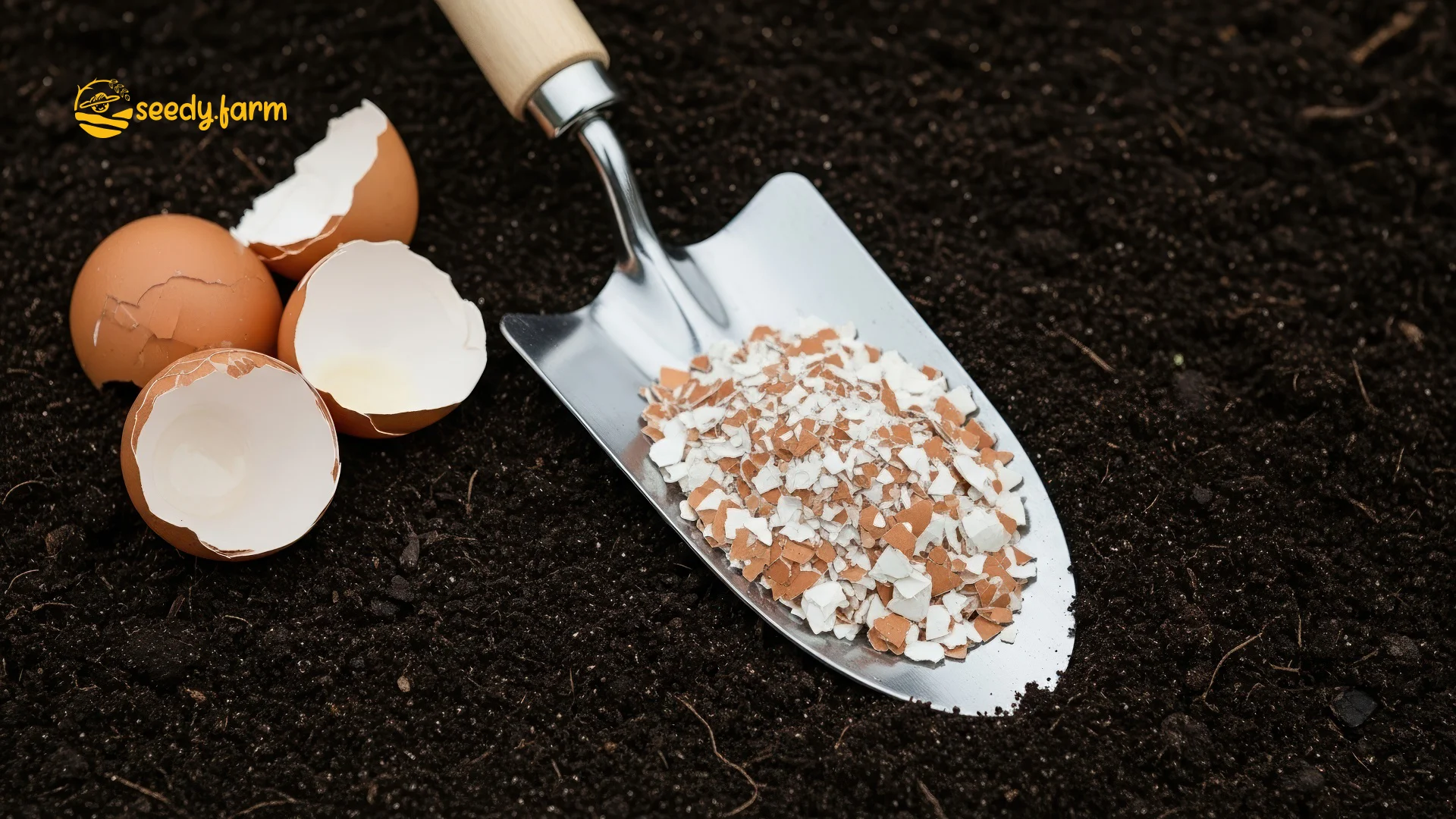
In your kitchen, often overlooked, lies a resource with remarkable potential for your garden—the humble eggshell. Frequently discarded as waste, these calcium-rich shells represent a sustainable opportunity for gardeners, offering natural solutions to common challenges while diverting valuable organic matter from landfills. By thoughtfully incorporating eggshells into your gardening routine, you can contribute to healthier soil, support robust plant growth, and even potentially discourage certain pests.
I. Enriching Your Garden: The Power of Eggshell Calcium and Minerals
- The Crucial Role of Calcium: Eggshells are primarily composed of calcium carbonate (around 94-97%), a mineral vital for plant health. Calcium is essential for building strong plant cell walls and membranes, akin to the skeleton in animals. This structural integrity enhances plant vigour and can improve resistance to some diseases and physiological disorders. It’s particularly important for fruiting plants like tomatoes (Solanum lycopersicum), peppers (Capsicum annuum), and melons, helping prevent issues like blossom end rot. This common problem isn’t usually caused by a lack of calcium in the soil, but rather the plant’s inability to transport sufficient calcium to developing fruit, especially during fluctuating moisture levels. Consistent soil moisture and available calcium help mitigate this.
- Trace Minerals and Slow Release: While calcium is the star, eggshells also contain small amounts of other minerals beneficial to plants, such as potassium, phosphorus, and magnesium, along with trace elements like sodium, iron, zinc, copper, and manganese. These are present in much smaller quantities than in balanced fertilizers but contribute to overall soil fertility. The calcium carbonate structure means these minerals break down and become available to plants slowly over months or even years, providing a gentle, long-term nutrient source rather than a quick fix.
- Improving Soil Structure and Aeration: When crushed, eggshells can help improve the physical properties of soil, especially compacted or clay-heavy soils. The irregular shapes create small air pockets, enhancing aeration (allowing roots to breathe) and drainage (preventing waterlogging). For this benefit, coarser crushing is acceptable, but finer grinding is needed for nutrient availability. Incorporate crushed shells into the top few inches of soil or add them to your compost.
- Gentle pH Moderation: Due to their calcium carbonate content, eggshells are alkaline and can slightly raise the pH of acidic soils over time, making them more neutral. However, this effect is very gradual and typically minor compared to using agricultural lime, especially when used in moderation. For extremely acidic soils needing significant adjustment, lime is more effective. This gentle buffering can be beneficial for many common vegetables and flowers that prefer near-neutral pH (6.0-7.0). Be mindful with acid-loving plants like blueberries (Vaccinium spp.), azaleas, and rhododendrons (Rhododendron spp.); use eggshells very sparingly, if at all, around these plants and monitor soil pH regularly. Using eggshells is a sustainable alternative to mined limestone for minor pH adjustments.
| Component | Approximate Content & Significance | Benefits for Plants |
|---|---|---|
| Calcium Carbonate (CaCO3) | ~94-97% by weight (yielding ~37-38% elemental Calcium) | The primary component. Essential for strong cell walls, root development, nutrient transport. Helps prevent calcium-related disorders like blossom end rot. Improves soil structure. Gradually raises pH of acidic soils. |
| Other Minerals (K, P, Mg, Na, Fe, Zn, Cu, Mn) | Present in trace amounts. Variable depending on hen’s diet. | Contribute minor amounts to overall plant nutrition over the long term as shells decompose. Not a substitute for balanced fertilization for these specific nutrients. |
| Protein Membrane | Small amount, lining the shell. | Provides a minor source of nitrogen as it decomposes. |
Note: The mineral content, beyond calcium carbonate, is minimal compared to commercial fertilizers but adds to the soil’s long-term fertility profile.
II. Preparing and Applying Eggshells as a Soil Amendment
Transforming kitchen scraps into garden gold requires a few simple preparation steps to maximize their benefits.
### 1. Preparation Techniques: Getting Shells Garden-Ready
- Cleaning is Key: Thoroughly rinse fresh eggshells under running water to remove any remaining egg white, which can attract pests or cause odours as it decays. Allow the shells to air dry completely for easier crushing and storage. State of Material: Clean, dry shells.
- Optional Sterilization: While not always necessary, especially if adding to a hot compost pile, you can sterilize the shells to eliminate any risk of pathogens like Salmonella. Spread the clean, dry shells on a baking sheet and bake at 200°F (93°C) for about 20-30 minutes. Let them cool completely. State of Material: Clean, dry, sterilized shells.
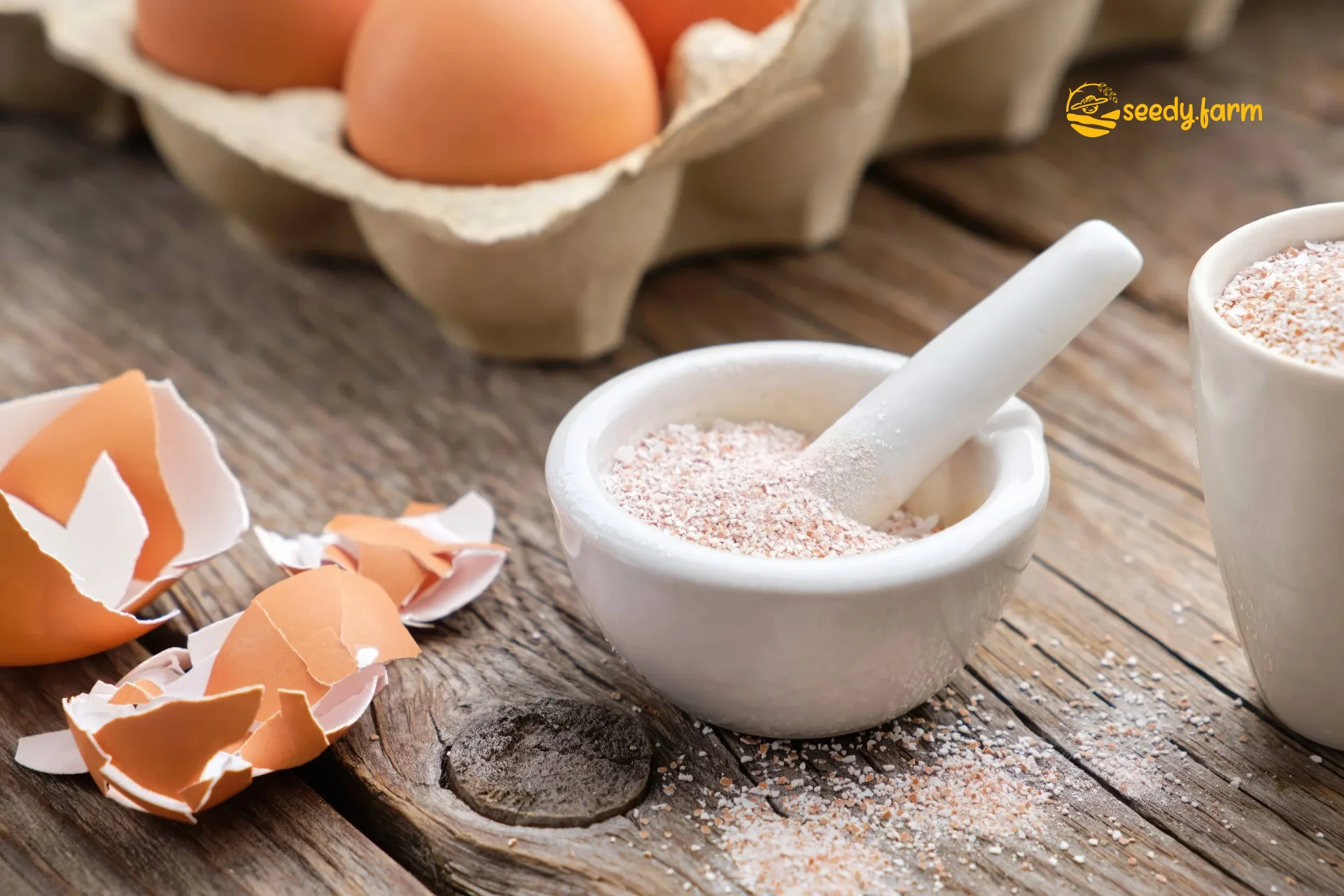
- Crushing vs. Grinding: The finer the eggshell particles, the faster they break down and release calcium. - Coarse Crushing: Placing dried shells in a sturdy bag and crushing them with a rolling pin or your hands yields larger pieces. These are useful for improving soil structure and potentially deterring some pests (see Section III), but nutrient release is very slow. State of Material: Clean, dry, coarsely crushed shells. - Fine Grinding: For faster nutrient availability, grind the dried shells into a fine powder using an old coffee grinder (dedicated to garden use), a blender, or a mortar and pestle. The resulting powder resembles flour or fine sand. This significantly increases the surface area for soil microbes to work on. Wear a mask during grinding to avoid inhaling the fine dust. State of Material: Clean, dry, finely ground eggshell powder.
- Storage: Store prepared eggshells (crushed or powdered) in an airtight container in a cool, dry place until ready to use.
2. Application Methods: Putting Eggshells to Work
- Direct Soil Amendment: Mix finely ground eggshell powder into the soil before planting or gently incorporate it into the top 1-2 inches of soil around established plants. A common guideline is roughly 1-2 tablespoons of powder per planting hole for transplants like tomatoes or peppers, or broadcasting 1/2 to 1 cup of powder per 10 square feet of garden bed annually, adjusting based on soil test results (see Section V). Condition: Apply powder directly to soil.
- Boost Your Compost: Add crushed or ground eggshells directly to your compost bin or pile. They count as a “green” nitrogen source due to the membrane initially, but primarily function as a calcium and pH-buffering agent. Crushing them first speeds up decomposition. They help balance the acidity often found in compost piles rich in fruit and vegetable scraps. Aim for eggshells to be no more than 5-10% of your total compost volume to maintain a good nutrient balance. Condition: Add crushed or ground shells to active compost.
- Seed Starting Mix Additive: Incorporate a small amount (e.g., 1-2 tablespoons per gallon) of finely ground eggshell powder into your homemade seed starting mix to provide young seedlings with readily available calcium.
3. Crafting Liquid Calcium Fertilizers: Two Methods for Faster Uptake
These methods make calcium more readily available than solid shells, but they are not a substitute for building balanced, long-term soil health.
Slow-Steep Eggshell Tea (Gentle Calcium Boost)
Ingredients & Equipment
- 1 Gallon (3.8L) of water (dechlorinated is best; let tap water sit out for 24 hours)
- 10-20 dried, clean eggshells (approx. 50-100g), coarsely crushed
- 1-gallon jar with a lid
Step-by-Step Instructions
- Place the 50-100g of crushed eggshells into the gallon jar.
- Pour in the 3.8L of dechlorinated water.
- Optional but recommended: Add 1 tablespoon (15ml) of white vinegar (5% acidity) to the water. Rationale: The mild acetic acid helps to initiate the breakdown of the calcium carbonate, making a small amount of calcium more soluble in the water.
- Seal the jar and let it steep for a minimum of 48 hours and up to one week at room temperature, shaking vigorously once per day.
Application
- Soil Drench: Strain the liquid through cheesecloth or a fine-mesh sieve. Apply the undiluted ‘tea’ directly to the soil at the base of plants, using approximately 1-2 cups (240-480ml) per plant, once every 2 weeks during active fruiting.
- Context/Qualifier: This method provides a very mild calcium boost. It is best used as a preventative measure for container plants or in sandy soils where nutrients leach quickly, rather than a cure for existing deficiencies.
Potent Calcium Acetate Solution (Fast-Acting Drench)
Ingredients & Equipment
- 20 grams (approx. 4-5 shells) of finely ground eggshell powder (the consistency of flour)
- 100ml (approx. 1/2 cup) of standard white vinegar (5% acidity)
- A 250ml glass jar
- Safety glasses and a dust mask
Step-by-Step Instructions
- Put on your dust mask and safety glasses. Rationale: This protects your respiratory system from fine calcium dust and your eyes from the fizzing chemical reaction.
- Carefully measure 20g of eggshell powder and place it in the 250ml jar.
- Slowly pour the 100ml of vinegar over the powder. Rationale: The mixture will fizz and bubble vigorously as the acetic acid (vinegar) reacts with the calcium carbonate (eggshells), creating water-soluble calcium acetate. Pouring slowly prevents it from overflowing. A solution reacts with crushed egg shells in this predictable chemical way.
- Let the reaction continue until the fizzing has completely stopped. This can take anywhere from 1-6 hours. The liquid will be cloudy.
Application
- Soil Drench ONLY: This solution is a concentrate and must be diluted. Add 1 tablespoon (15ml) of the finished concentrate to 1 gallon (3.8L) of water. Use this diluted mixture to water plants prone to blossom end rot, such as tomatoes or peppers, at the base. Apply every 10-14 days starting when the first fruits begin to form.
- Common Pitfall: Do not use as a foliar spray. The acidic nature of the concentrate, even when diluted, can burn plant leaves. This method is exclusively for soil application where soil microbes can buffer the effects.
## III. Harnessing Eggshells for Garden Protection: Exploring Pest and Disease Management
While not a magic bullet, eggshells can play a role in an integrated pest and disease management strategy, primarily through indirect effects.
1. Discouraging Soft-Bodied Pests: A Debated Technique

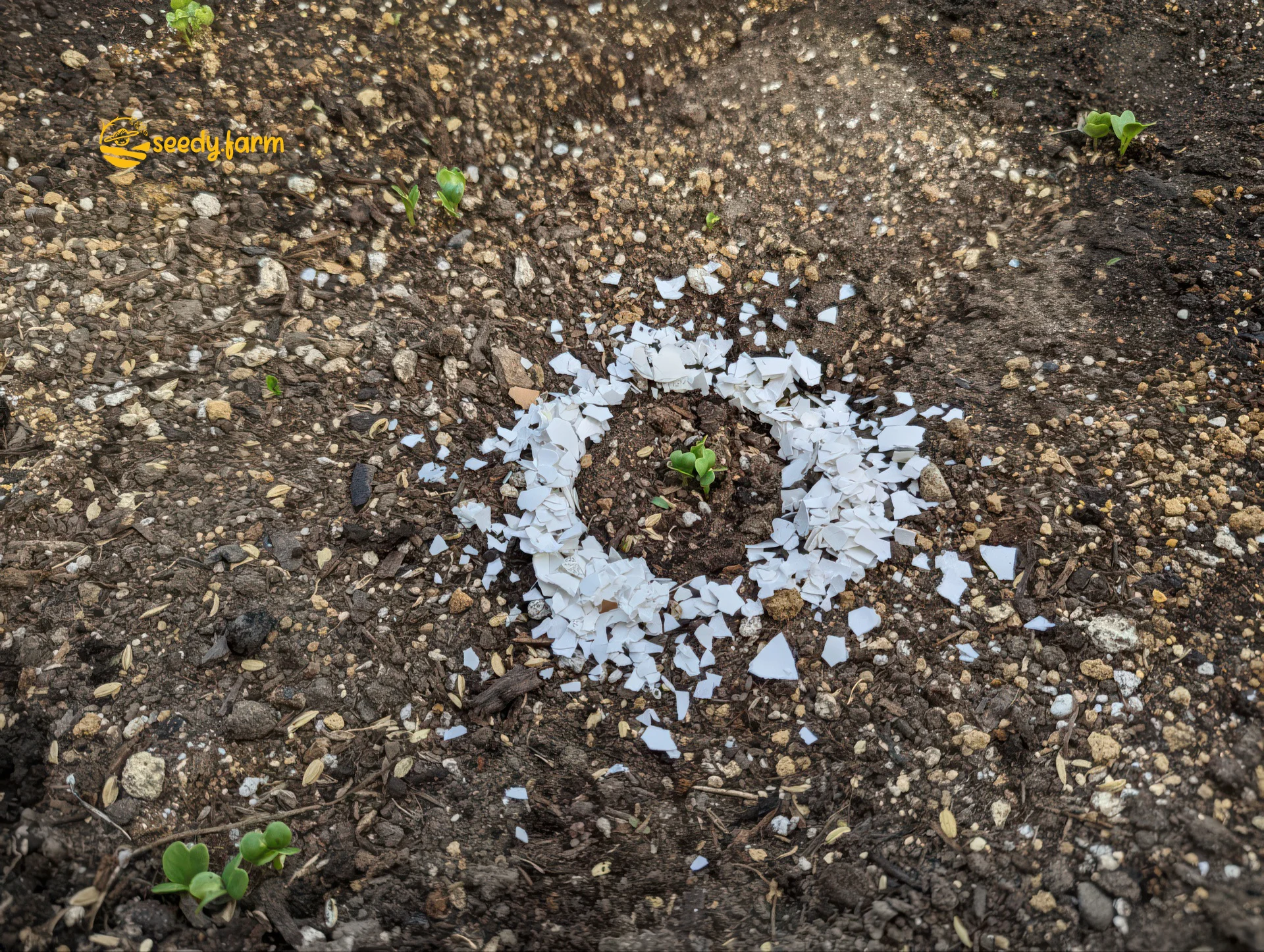
- The Barrier Theory: Some gardeners create a ring of coarsely crushed eggshells around the base of plants susceptible to slugs and snails. The theory is that the sharp edges irritate the soft bodies of these mollusks, deterring them from crossing. Scientific evidence for effectiveness is limited and often debated; results can be inconsistent. The barrier needs to be substantial (wide and dense) and must be reapplied after rain or watering, as moisture reduces any sharpness. State of Material: Coarsely crushed, sharp-edged shells. Application: Create a physical barrier on the soil surface.
- Cutworm Collars: While less about sharpness, a ring of crushed eggshells might slightly deter cutworms moving along the soil surface, though dedicated cutworm collars are generally more reliable.
- Eggshell Spray Myth: The idea of steeping eggshells in water to create a spray deterrent for insects lacks strong evidence. Most pest insects are unlikely to be significantly affected by such a spray. Focusing on soil health and physical barriers is more practical.

### 2. Supporting Disease Prevention
- Calcium’s Role in Plant Defence: As mentioned, adequate calcium strengthens plant cell walls. This enhanced structural integrity can make plants less susceptible to penetration by certain fungal pathogens and bacterial infections. Healthy, robust plants are naturally more resilient.
- Indirect pH Effect: By slightly buffering soil pH, eggshells can help create a soil environment less conducive to certain soil-borne pathogens that thrive in highly acidic conditions. This effect is slow and minor, however.
3. Fostering a Healthy Soil Ecosystem
Eggshells don’t directly attract beneficial insects. However, by contributing to better soil structure and providing slow-release calcium, they support overall plant health. Healthy plants are better able to support populations of beneficial insects (like ladybugs and lacewings that feed on pests) and maintain thriving relationships with beneficial soil microbes, including mycorrhizal fungi. This holistic approach is key to sustainable garden protection.
IV. Nurturing New Life: Eggshells in Seed Starting and Transplanting
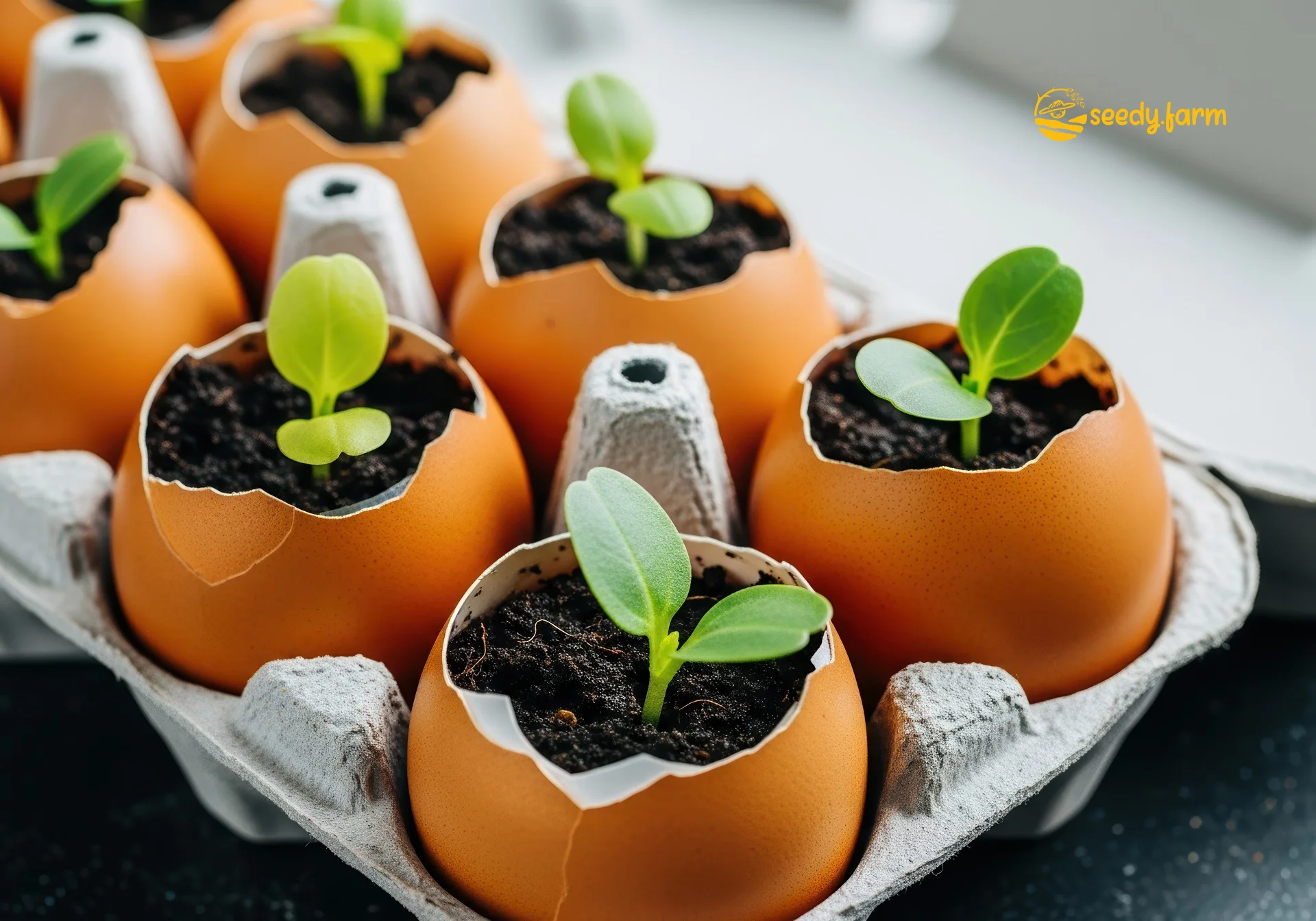
Eggshells can be repurposed creatively as miniature, biodegradable pots for starting seeds, offering a sustainable and nutrient-boosting start for seedlings.
### 1. Eggshells as Biodegradable Seed Starters
- Preparation: Carefully crack eggs towards the top, aiming to keep the larger bottom portion (about two-thirds) intact. Empty the contents, then gently wash the shell halves inside and out with soapy water, rinsing thoroughly. Allow them to air dry. Using a needle, small nail, or pushpin, carefully create a small drainage hole in the very bottom of each shell half. State of Material: Clean, dry, intact shell halves with drainage holes.
- Planting: Fill each prepared eggshell half with a sterile, moist seed-starting mix. Plant seeds according to the packet instructions (usually 1-2 seeds per shell), ensuring they are at the recommended depth. Gently water using a spray bottle to avoid dislodging seeds. State of Material: Shell filled with moist mix and seeds.
- Care and Germination: Place the filled eggshells back into an egg carton for stability. Position the carton in a warm, bright location (or under grow lights) according to the seeds’ requirements. Keep the mix consistently moist but not waterlogged – the drainage hole is crucial. Once seedlings emerge and develop their first true leaves, thin to the strongest seedling per shell if necessary.
2. Transplanting Seedlings Started in Eggshells
- Hardening Off: Before planting outdoors, gradually acclimate the seedlings to outdoor conditions (sunlight, wind, temperature fluctuations) over 7-10 days. This process, called “hardening off,” prevents transplant shock.
- Planting Out: When ready to transplant, gently crush the bottom of the eggshell with your fingers just before planting. This allows the seedling’s roots to easily grow out into the surrounding garden soil. Plant the entire seedling, including the crushed shell, directly into the prepared garden bed or container. Position the seedling so the base of its stem is at the same level it was in the shell, ensuring the crushed shell is fully covered by soil. Condition: Gently crushed shell containing seedling, planted in garden soil.
- Benefits: The eggshell provides a small initial calcium boost as it decomposes directly in the root zone. It also minimizes root disturbance during transplanting, reducing stress on the young plant.
- Post-Transplant Care: Water the transplants thoroughly immediately after planting. Consider applying a layer of organic mulch (like compost or straw) around the plant to conserve moisture, suppress weeds, and further enrich the soil.

## V. Tailoring Eggshell Use: Plant Preferences and pH Considerations
Understanding how eggshells interact with soil pH and catering to the specific needs of different plants is key to maximizing benefits and avoiding potential issues.
1. Plants That Appreciate the Calcium Boost
Certain plants are more prone to calcium deficiency issues or simply thrive with ample calcium supply:
- *Nightshade Family (Solanaceae):* Tomatoes, peppers, eggplants, and potatoes benefit significantly. Adequate calcium helps prevent blossom end rot in tomatoes and peppers and supports overall vigour and tuber development in potatoes.
- *Brassicas (Cole Crops):* Broccoli, cauliflower, cabbage, Brussels sprouts, kale, and collards use calcium for strong cell structure and can be less prone to issues like tip burn with sufficient calcium.
- Leafy Greens: Lettuce, spinach, and Swiss chard develop stronger leaves and are less susceptible to tip burn when calcium is readily available.
- Legumes: Beans and peas utilize calcium for healthy root systems, pod development, and efficient nitrogen fixation (in partnership with rhizobia bacteria).
- Fruiting Plants: Melons and squash also benefit from available calcium for fruit development and quality.

Application Tip: For these plants, incorporate finely ground eggshell powder into the planting hole and side-dress established plants periodically (e.g., monthly during active growth) with a small amount of powder worked into the topsoil, particularly in soils known to be acidic or low in calcium.
2. Managing Soil pH: The Balancing Act
Eggshells slowly increase soil pH (reduce acidity) due to their calcium carbonate content. This impacts plant choice and application strategy:
Plants Tolerant of Neutral to Alkaline Conditions: Many common vegetables like asparagus, beets, celery, and onions perform well in slightly alkaline soils (pH 7.0-7.5) and generally benefit from the gentle pH buffering and calcium supplied by eggshells.
Acid-Loving Plants (Ericaceous and others): Use eggshells very sparingly or avoid them altogether for plants that require acidic soil (low pH):
- Berries: Blueberries, cranberries, lingonberries (Vaccinium species generally need pH 4.5-5.5).
- Ornamentals: Rhododendrons, azaleas, camellias, heathers (prefer pH 4.5-6.0).
- Certain Trees: Oaks and pines tend to prefer slightly acidic conditions.
- Hydrangeas (for blue flowers): Blue flower colour in Bigleaf Hydrangeas (Hydrangea macrophylla) depends on aluminum availability, which is higher in acidic soils (pH below 6.0). Adding eggshells raises pH, making aluminum less available, potentially causing flowers to turn pink.
- Potatoes: While they need calcium, potatoes prefer slightly acidic soil (pH 5.0-6.0) partly because alkaline conditions favour potato scab disease. Use eggshells moderately, if at all, for potatoes.
3. Soil Testing: Your Essential Guide
To use eggshells effectively without negatively impacting soil balance:
- Test Your Soil Regularly: Before adding significant amounts of any amendment, including eggshells, test your soil pH and nutrient levels. Simple home test kits offer a basic reading, while lab tests provide a detailed analysis. Test every 1-3 years, ideally in the spring before major planting.
- Interpret Results: If your soil is already neutral (pH ~7.0) or alkaline (pH > 7.0), use eggshells sparingly, primarily for their calcium content in targeted applications rather than general broadcasting. If your soil is acidic (pH < 6.5), eggshells can be used more liberally as part of a strategy to gradually raise pH towards the desired level for specific crops.
- Targeted Application: Apply eggshells primarily around calcium-loving plants or in beds where you are actively trying to slightly increase pH. Avoid areas designated for acid-loving plants.
- Combining Amendments: For soils needing significant pH adjustment or broader nutrient additions, use eggshells in conjunction with other appropriate amendments like compost, aged manure, or specific nutrients identified by your soil test. For lowering pH for acid-lovers, use elemental sulfur, sphagnum peat moss, or pine bark fines (avoiding eggshells).
VI. Eggshell Gardening: 7 Common Myths Debunked
Eggshells are a fantastic resource, but their benefits are often exaggerated. Let’s separate horticultural fact from garden folklore to ensure you’re using them effectively.
- Myth: “Tossing whole or large shell pieces into the garden is an effective fertilizer.” Reality: Eggshells take years to decompose into a plant-usable form. For any nutrient benefit within a growing season, they must be ground into a fine powder to maximize surface area for microbial breakdown. Large pieces primarily offer minor soil aeration.

- Myth: “A ring of crushed eggshells is a foolproof barrier against slugs and snails.” Reality: This effect is highly unreliable. While the sharp edges can irritate some mollusks, many will simply crawl over them, especially when the shells are wet. A very thick, wide (3-4 inch) band of sharp, dry shells is needed, and it must be reapplied after every rain. Diatomaceous earth or slug baits are far more effective.
- Myth: “Eggshells are a fast cure for blossom end rot (BER).” Reality: BER is a calcium uptake problem, usually caused by inconsistent watering, not a lack of calcium in the soil. Adding eggshells after BER appears is too late. They must be incorporated into the soil before planting to provide a long-term supply, and consistent moisture must be maintained.
- Myth: “Eggshells make soil acidic.” Reality: The opposite is true. Eggshells are over 95% calcium carbonate, which is alkaline. They will slowly and gradually raise the pH of soil, making it less acidic. Never use them around acid-loving plants like blueberries or azaleas.

- Myth: “Eggshell ‘tea’ is a potent liquid fertilizer.” Reality: Steeping shells in plain water extracts a very small, almost negligible amount of calcium. While better than nothing, it’s a very mild supplement. The vinegar-extraction method (creating calcium acetate) is far more effective at creating a bioavailable calcium solution.
- Myth: “Eggshells can solve heavy metal contamination in soil.” Reality: While calcium carbonate can bind with some heavy metals, the quantity of eggshells used in a home garden is insufficient to have a meaningful soil remediation effect. If you suspect contamination from lead or other metals, you must get a professional soil test and follow expert guidance. Do not rely on eggshells for safety.
- Myth: “Eggshells in compost pose a Salmonella risk.” Reality: The risk is extremely low. A properly managed compost pile that reaches temperatures of 130-150°F (55-65°C) will easily kill pathogens like Salmonella. For passive or cool piles, simply ensure the finished compost is well-cured before use. Rinsing shells before adding them further minimizes any risk.
VII. Advanced Practices, Safety Considerations, and Expert Insights
Elevate your use of eggshells with advanced techniques, safety awareness, and deeper understanding.
1. Best Practices and Safety Protocols
Maximize benefits while ensuring safety for yourself and your garden.
a. Enhanced Preparation Methods
- Mandatory Sterilization for Some Uses: Always sterilize eggshells (bake at 200°F/93°C for 20-30 min) if using them directly in potting mixes, seed starting, or as a top dressing around edible low-growing crops (like lettuce) to eliminate any risk of Salmonella contamination. Sterilization is less critical if adding to a well-managed, hot compost pile.
- Micronization for Speed: Using a high-speed blender or spice grinder dedicated to this purpose can create an ultra-fine powder. This maximizes surface area for the quickest possible breakdown and calcium release in the soil, though the release is still fundamentally limited by the carbonate form.
b. Precision Application Strategies
- Root Zone Incorporation: For transplants, mix eggshell powder directly into the backfill soil used in the planting hole. This places the calcium directly within the developing root zone for optimal access.
- Foliar Feeding Caution: While calcium can be absorbed through leaves, foliar sprays (like diluted calcium acetate or very fine powder suspensions) are often inefficient for delivering the large amounts of calcium plants need. They can provide a temporary boost but are not a substitute for adequate soil calcium. Ensure sprays are very dilute to avoid leaf burn and apply during cooler parts of the day (early morning/late evening).
- Top Dressing vs. Incorporation: Simply scattering crushed shells on the soil surface provides minimal nutrient benefit quickly, as decomposition is slow. Mixing ground shells into the top few inches of soil is much more effective for nutrient release and soil structure improvement.
c. Advanced Safety and Storage
- Respiratory Protection During Grinding: Always wear a dust mask (preferably N95 rated) when grinding eggshells. Inhaling the fine calcium carbonate dust can irritate the respiratory system. Work in a well-ventilated area.
- Handling Raw Shells: Wash hands thoroughly after handling raw, unsterilized eggshells due to the potential risk of Salmonella. Keep unsterilized shells away from food preparation surfaces.
- Optimal Storage: Store fully dried eggshell powder or crushed shells in a clearly labelled, airtight container with a food-grade descant packet (like silica gel) to prevent moisture absorption and clumping, preserving their quality.
d. Ecological and Sustainable Considerations
- Closed-Loop System: Using eggshells from your own kitchen exemplifies a closed-loop system, turning waste into a resource and reducing reliance on external inputs.
- Community Sourcing: Reach out to local cafes, bakeries, or restaurants. Many discard large quantities of eggshells and may be happy to provide them for your garden or community composting project, scaling up waste diversion. Ensure these are reasonably clean upon collection.
- Supporting Soil Life: While coarsely crushed shells might offer minimal habitat, the primary ecological benefit comes from improving soil health (structure, aeration, calcium levels), which in turn supports a diverse and thriving community of earthworms, beneficial microbes, and fungi – the foundation of a healthy garden ecosystem.
- Water Management Link: Improved soil structure from amendments like eggshells enhances water infiltration and retention, potentially reducing runoff and the need for supplemental irrigation, contributing to water conservation.
2. Expert Answers to Advanced Eggshell Gardening Questions
Addressing common queries with more nuanced horticultural insight.
Best Practices for Established Perennials, Shrubs, and Trees For established plants with extensive root systems, the goal is long-term soil conditioning, not rapid nutrient delivery. Application focuses on incorporating eggshells into the top layer of the soil profile where feeder roots are most active.
Top Dressing & Mulch Incorporation: Annually, in late fall or early spring, broadcast 1-2 cups (approx. 100-200g) of finely ground eggshell powder per 10 square feet of soil surface area under the plant’s canopy. Extend the application from the base of the plant out to its ‘drip line’—the imaginary circle on the ground directly under the outermost leaves. Rationale: This is where the majority of the plant’s absorbent feeder roots are located. Gently rake the powder into the top 1-2 inches of soil. If the area is already mulched, pull back the mulch, apply the powder, and then re-cover. Rationale: This direct soil contact is crucial for microbial action to begin breaking down the calcium carbonate. Simply leaving it on top of the mulch is ineffective. Plant-Specific Context:
For Fruit Trees (e.g., Citrus, Apples): For citrus trees in particular, consistent calcium helps develop strong cell walls, which can improve fruit quality and reduce peel disorders. Apply in the spring just before the new flush of growth. For Roses: Roses are heavy feeders and benefit from the slow-release calcium for strong cane growth. Apply your annual dose when you perform your main spring pruning. For Other Shrubs (e.g., Lilacs): For flowering shrubs that prefer neutral to slightly alkaline soil, like lilacs, an annual eggshell application can help maintain the desired pH and provide essential calcium.
Expert Tip: Combine with Compost. The most effective method is to mix your annual eggshell powder application with a 1-inch layer of finished compost. The organic matter in the compost buffers the soil, feeds microbial life, and helps transport the calcium into the root zone over time.
Eggshells in Context: A Comparison of Common Kitchen Amendments While eggshells are an excellent source of calcium, a healthy garden requires a balanced diet. Here’s how eggshells compare to other popular kitchen scraps used as amendments.
Amendment Primary Nutrient(s) & Function Impact on Soil pH Best For…
Eggshells (Finely Ground) Calcium Carbonate (~95%). Provides elemental Calcium (Ca) for cell wall structure. Slowly raises pH (makes soil more alkaline). A gentle liming agent. Preventing blossom end rot in tomatoes/peppers; boosting calcium for brassicas; gradually neutralizing acidic soil.
Oyster Shell Flour Calcium Carbonate (~96%). Also provides trace sea minerals. Same as eggshells but often acts slightly faster due to commercial fine-grind processing. Similar uses to eggshells; often used in bulk for larger-scale pH adjustment where sourcing eggshells is impractical.
Used Coffee Grounds Nitrogen (~2% N by volume). A mild ‘green’ for compost. Negligible. Fresh grounds are acidic, but used grounds are near-neutral (pH 6.5-6.8). The myth of them acidifying soil is largely untrue. Adding to compost piles as a nitrogen source; lightly incorporating into soil to improve tilth and provide a very gentle nitrogen feed for leafy greens.
Banana Peels (Chopped/Composted) Potassium (K). Also contains some phosphorus (P) and magnesium (Mg). Neutral. Providing potassium to fruiting and flowering plants like roses, tomatoes, and peppers to support flower production and fruit development. Best used chopped and composted or buried in the soil, not as a ‘tea’.
For a balanced approach, use a combination: compost your coffee grounds and banana peels, and apply ground eggshells directly to the soil for targeted calcium and pH management.
How does eggshell calcium compare chemically to garden lime? Both eggshells (calcium carbonate) and calcitic lime (also calcium carbonate) provide calcium and raise soil pH. Dolomitic lime provides both calcium carbonate and magnesium carbonate. Eggshells break down much more slowly than pulverized lime due to their physical structure and lower processing. Lime provides faster pH adjustment, while eggshells offer a very gradual, slow-release source of calcium and minor pH buffering. Eggshells also add small amounts of other trace minerals not typically found in lime.
Can eggshells truly prevent blossom end rot (BER) if applied during the growing season? Applying eggshells once BER symptoms appear is usually too late to correct the issue in affected fruit, as the problem is often related to inconsistent watering affecting calcium uptake, not just soil availability. Consistent moisture is key. Incorporating eggshells into the soil before planting helps ensure adequate calcium is available from the start. For immediate (but temporary) relief during growth, a foliar spray of calcium chloride or calcium nitrate (commercial products formulated for this) is more effective than eggshell tea, alongside correcting watering practices.
Do eggshells affect mycorrhizal fungi populations? Generally, moderate use of eggshells is unlikely to harm mycorrhizal fungi and may even be slightly beneficial by providing calcium, which fungi also utilize. However, drastically altering soil pH (making it too alkaline) could potentially inhibit certain species of fungi that are adapted to acidic or neutral conditions. Maintaining a balanced pH appropriate for your plants is the best way to support a healthy fungal network.
Are there any plants actively harmed by eggshells, beyond acid-lovers? Aside from plants requiring strongly acidic soil, most plants won’t be directly harmed by moderate applications of eggshells incorporated into the soil. The main risk is indirect: excessively raising the pH over time in already neutral or alkaline soils. This can reduce the availability of other essential nutrients like iron, manganese, and zinc, leading to deficiencies even if those nutrients are present in the soil. This is why soil testing and targeted application are important.
Is the heavy metal binding effect of eggshells significant in home gardens? While calcium carbonate can bind with some heavy metals like lead and cadmium, reducing their plant availability, the amount of eggshells typically used in a home garden is unlikely to have a significant remediation effect on heavily contaminated soil. It’s a minor potential benefit. If heavy metal contamination is suspected, professional soil testing and advice on safe gardening practices or remediation are essential. Do not rely solely on eggshells for safety in contaminated soil.
Can eggshells be effectively used in hydroponics or aquaponics? Using solid eggshells directly in hydroponic systems is generally not recommended as they dissolve too slowly and unpredictably, and undissolved particles can clog systems. Using a filtered calcium acetate solution made from eggshells and vinegar (as described in VI.1.a) could supplement calcium, but requires careful monitoring and adjustment of the nutrient solution’s pH and EC (Electrical Conductivity). Commercial calcium supplements designed for hydroponics are usually more reliable and predictable. In aquaponics, crushed shells placed in the media bed might provide slow buffering, similar to coral or limestone, but regular water testing is crucial.
Comments (0)
No comments yet. Be the first to share your thoughts.