 Skip to content
Coffee Grounds in Gardening: An In-depth Guide
As interest in sustainable living blossoms, gardeners are increasingly looking for ways to nurture their plants while being kind to
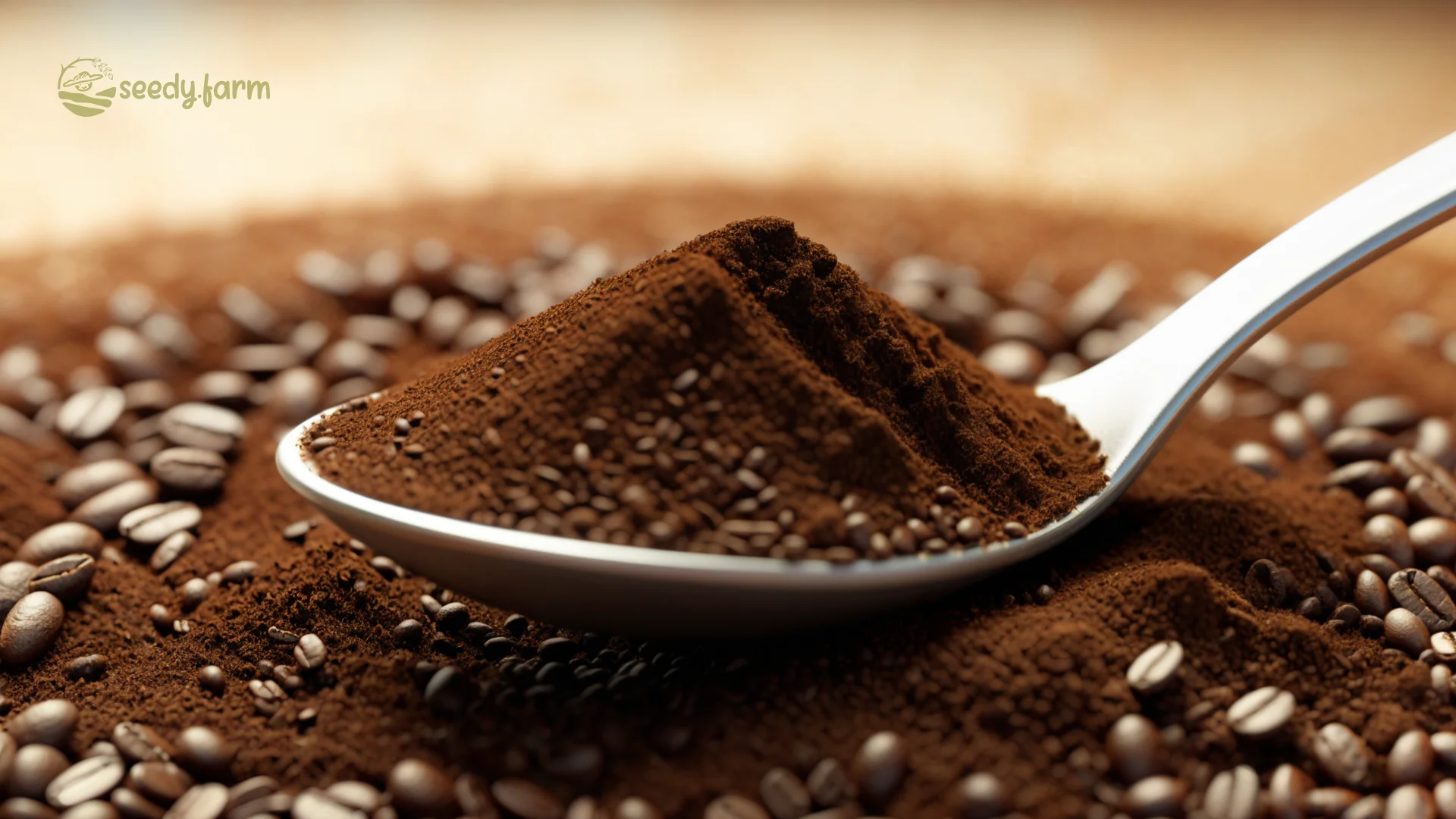
As interest in sustainable living blossoms, gardeners are increasingly looking for ways to nurture their plants while being kind to the planet. Repurposing kitchen resources, like used coffee grounds, is a popular and accessible way to enrich garden soil and support healthy plant growth. Used coffee grounds, the damp material left after brewing, are distinct from fresh, unbrewed grounds which have different properties.
This guide provides an in-depth look at using used coffee grounds effectively in your garden. We’ll explore the science-backed benefits, explain how to use them correctly, address potential drawbacks, and bust common myths. Our goal is to provide clear, reliable information for gardeners of all levels.
I. Understanding Used Coffee Grounds in the Garden: Benefits and Considerations
1. Potential Benefits of Used Coffee Grounds
When managed properly, used coffee grounds offer several advantages:
- Nutrient Contribution: While not a complete fertilizer, used coffee grounds provide a source of essential nutrients, most notably Nitrogen (N), which is crucial for lush leafy growth. They also contain smaller amounts of phosphorus (P), potassium (K), magnesium, and copper. These nutrients are released slowly as the grounds decompose, acting like a gentle, slow-release fertilizer.
- Improved Soil Structure: Incorporating coffee grounds adds organic matter to the soil. Organic matter is vital for good soil health. It helps improve soil structure by binding soil particles together, creating better pore spaces for air and water movement. This enhances aeration (oxygen supply to roots) and water retention, reducing runoff and making water more available to plants.
- Boosting Earthworm Activity: Many gardeners observe increased earthworm populations where coffee grounds are used. Earthworms are beneficial decomposers that tunnel through the soil, further improving aeration and drainage, and their castings (waste) are rich in plant nutrients.
- Sustainable Waste Reduction: Using coffee grounds in the garden is an excellent way to practice resource conservation. It diverts organic waste from landfills, where it would otherwise decompose anaerobically and produce methane, a potent greenhouse gas. Instead, you’re recycling valuable organic matter back into your ecosystem.

### 2. Potential Drawbacks and Important Considerations
Using coffee grounds isn’t without potential pitfalls. Awareness and proper technique are key:
- The Acidity Myth (Used Grounds): Fresh, unbrewed coffee grounds are acidic. However, the brewing process neutralizes much of the acidity. Used coffee grounds generally have a pH range from 6.5 to 6.8, which is close to neutral. While heavy, repeated applications *could* slightly lower soil pH over time, they are unlikely to cause drastic acidification, especially when composted or used in moderation. Regularly testing your soil pH is always a good practice if you have concerns.
- Nitrogen Tie-Up (Temporary): Like any carbon-rich organic material, uncomposted coffee grounds require nitrogen from the soil for decomposition. If large quantities of fresh or uncomposted grounds are applied directly to the soil surface or mixed in shallowly, microorganisms breaking them down might temporarily borrow nitrogen from the soil, potentially making it less available to plants in the short term. This is less of an issue when grounds are fully composted or incorporated deeply and sparingly.
- Compaction and Water Barrier Issues: Because coffee grounds consist of very fine particles, applying them as a thick, dense layer (especially on the soil surface) can create a crust when they dry. This crust can impede water penetration and reduce air circulation to the soil. Never apply thick layers of coffee grounds alone as mulch.
- Potential Impact on Soil Microbes: Coffee contains compounds that can have mild antibacterial or antifungal properties. While moderate use in compost or soil is unlikely to harm beneficial soil life significantly, the full impact is complex and depends on existing soil conditions and application rates. Composting grounds first helps mitigate potential negative effects.
- Pet Safety: Coffee grounds contain caffeine, which is toxic to dogs and cats if ingested in sufficient quantities. If you have pets that might consume materials in the garden, it’s safest to incorporate grounds thoroughly into the soil or compost pile, making them less accessible, or avoid using them in areas frequented by pets.
II. Practical Applications: How to Use Coffee Grounds in Your Garden
There are several effective and safe ways to incorporate used coffee grounds into your gardening routine:
1. Sourcing, Preparing, and Storing Your Grounds
a. Where to Get Used Coffee Grounds
- At Home: The most obvious source from your daily brew.
- Local Coffee Shops: Many local, non-chain coffee shops are happy to give away their used grounds to gardeners. It’s a great practice to call ahead and ask. Many will set aside large bags for you; bringing your own 5-gallon bucket for collection is a courteous and practical approach.
- Workplaces & Community Centers: Check with office kitchens, community centers, or any place that brews large volumes of coffee. They are often looking for a sustainable way to dispose of this valuable resource.

#### b. How to Prepare Grounds for Use
The primary goal of preparation is to reduce moisture content to prevent mold. You have two simple options:
- Method 1: Air Drying (Slow & Simple): Spread the damp grounds in a thin layer, no more than 1/2 inch deep, on a baking sheet, cardboard flat, or newspaper. Place it in a well-ventilated area away from direct sunlight. Stir the grounds daily to break up clumps and promote even drying. Depending on humidity, this will take 3-5 days.
- Method 2: Oven Drying (Fast & Effective): For faster results, spread the grounds thinly on a baking sheet and place them in an oven set to its lowest temperature (typically 170-200°F or 75-95°C) for 20-30 minutes, or until they are dry to the touch. Let them cool completely before storing.
c. Proper Storage to Avoid Mold
The key is preventing mold, which thrives in damp, stagnant conditions. Using moldy grounds can introduce unwanted fungal spores into your garden or compost.
- The Problem: Damp, stored coffee grounds are an ideal substrate for green or white fuzzy mold. Storing them improperly guarantees you’ll be growing fungi, not helping your garden.
- Correct Method: Store completely dry grounds in an open container, a paper bag, or a container with a loosely fitting lid. The goal is to allow any residual moisture to escape.
- Incorrect Method: Never store damp grounds in a sealed plastic bag or an airtight container. This traps moisture and creates an oxygen-poor environment, which accelerates mold growth, often within 48-72 hours.
2. Supercharge Your Compost Pile
Used coffee grounds are an excellent “green” material for composting.
- Nitrogen Source: They are relatively high in nitrogen, helping to balance the carbon-rich brown materials (like dried leaves, straw, or cardboard) in your compost bin. Aim for a balanced Carbon-to-Nitrogen (C:N) ratio for efficient decomposition (roughly 25-30 parts carbon to 1 part nitrogen by weight).
- How to Add: Spread grounds in thin layers, alternating with brown materials. Mix them into the pile periodically. Ensure the pile remains adequately moist and aerated.
- Benefit: Composting coffee grounds breaks them down safely, eliminates potential nitrogen tie-up issues, and incorporates their nutrients into a stable, soil-enriching humus. This is often the safest and most recommended method.
3. Use Sparingly as a Mulch Component
While coffee grounds alone make poor mulch, they can be part of a mulch mix, especially around acid-loving plants.
- Application: Sprinkle a very thin layer, no more than half an inch (1 cm) thick, over the soil surface.
- Crucial Step: Always cover the coffee ground layer with a coarser organic mulch, like wood chips, shredded bark, or straw (at least 2-3 inches deep). This prevents compaction, allows water penetration, and looks tidier.
- Placement: Keep all mulch materials, including coffee grounds, a few inches away from plant stems and trunks to prevent moisture buildup, which can encourage fungal diseases or rot.
4. Amend Garden Soil Directly (With Caution)

You can mix used coffee grounds directly into your garden soil or potting mixes, but moderation is key.
- Ratio: Incorporate grounds thoroughly, ensuring they constitute no more than 20-25% of the total soil volume in the amended area. For example, mix 1 part coffee grounds with 4 parts soil or compost.
- Method: Dig them into the top 6-8 inches (15-20 cm) of soil rather than leaving them on the surface. This integration improves soil structure and adds organic matter over time.
- Monitoring: Especially if using frequently, monitor soil pH and plant health. If plants show signs of stress (like yellowing leaves), reduce or stop direct application.
5. Enhance Your Worm Bin (Vermicomposting)
Worms seem to enjoy coffee grounds, making them a good addition to vermicomposting systems.
- Moderation: Add grounds sparingly. They should make up no more than 10-20% of the total food added over time. Too much can make the bin acidic or heat up.
- Benefits: Besides nutrients, the slightly gritty texture of grounds may aid worm digestion.
- Tip: Mix grounds with other kitchen scraps (fruit/vegetable peels, avoiding meat, dairy, oily foods) for a balanced diet. Observe your worms; if they avoid the grounds, reduce the amount.
6. Create a Mild Liquid Fertilizer (“Coffee Tea”)

You can brew a gentle liquid feed from used coffee grounds.
- Steep: Place about 1-2 cups of used coffee grounds in a 5-gallon bucket. Fill with water.
- Wait: Let the mixture steep for 24-48 hours, stirring occasionally.
- Strain: Strain the liquid through cheesecloth or an old T-shirt to remove the solids (add solids to your compost).
- Dilute: The resulting “tea” is usually mild, but diluting it further (e.g., 1 part tea to 4 parts water) is a safe bet, especially for seedlings or sensitive plants.
- Apply: Use as a soil drench around the base of plants. Remember, this is a very mild supplement, not a replacement for balanced fertilizers.
Remember the golden rule: moderation and observation. Pay attention to how your plants respond and adjust your use of coffee grounds accordingly. They are a helpful amendment, not a magic bullet.
III. Plant Compatibility: Which Plants Benefit Most (and Least)?
While many plants appreciate the benefits of coffee grounds, especially when composted, some react better than others to direct applications or use in mulch mixes. Understanding plant preferences is key.
1. Plants That Often Appreciate Coffee Grounds
These plants typically thrive in slightly acidic to neutral conditions and benefit from the organic matter and slow-release nitrogen.
a. Acid-Loving Plants
These are the classic candidates: Blueberries (Vaccinium spp.), Azaleas and Rhododendrons (Rhododendron spp.), Camellias (Camellia spp.), Hydrangeas (Hydrangea macrophylla – grounds may help maintain blue flower color in appropriate soil), and Holly (Ilex spp.). The slight acidity (or near-neutral pH preventing alkalinity) and organic matter suit them well.
b. Many Vegetables
Root vegetables like Carrots (Daucus carota) and Radishes (Raphanus sativus) appreciate the improved soil structure for root development. Leafy greens such as Lettuce (Lactuca sativa), Spinach (Spinacia oleracea), and Kale (Brassica oleracea var. acephala) enjoy the nitrogen boost for foliage growth.

#### c. Various Flowers
Roses (Rosa spp.) often respond well to the added nutrients and organic matter. Annuals like Marigolds (Tagetes spp.) and Impatiens (Impatiens walleriana) can also benefit when grounds are incorporated correctly.
d. Some Herbs
Herbs that prefer rich, moist soil like Basil (Ocimum basilicum) and Parsley (Petroselinum crispum) may benefit from moderate use.

### 2. Plants That May Not Benefit or Could Be Harmed
While composting makes coffee grounds suitable for most garden applications, direct or heavy use might not be ideal for plants preferring different conditions.
a. Vegetables Preferring Neutral to Alkaline Soil
Plants like Tomatoes (Solanum lycopersicum), Peppers (Capsicum annuum), and members of the squash family (Cucurbita spp.) generally prefer soil closer to neutral (pH 6.5-7.0). While composted grounds are fine, avoid large direct applications that *might* slightly lower pH over time or contribute to overly moist conditions if drainage is poor.
b. Flowers Preferring Alkaline Conditions
Certain flowers thrive in ‘sweet’ (alkaline) soil. Lavender (Lavandula spp.) and Clematis (Clematis spp.) are examples. Adding potentially acidifying materials directly around these plants is generally not recommended. Stick to composted grounds used sparingly as part of a larger soil improvement strategy.
c. Herbs Favoring Well-Drained, Leaner, Neutral to Alkaline Soil
Many Mediterranean herbs, such as Rosemary (Rosmarinus officinalis), Thyme (Thymus vulgaris), and Oregano (Origanum vulgare), have evolved in rocky, well-drained, less fertile soils. While they tolerate a range of conditions, excessive moisture retention or richness from coffee grounds could potentially lead to root rot or leggy growth, especially in humid climates or heavy soils. Use very sparingly, if at all, and prioritize excellent drainage.
Key Takeaway: When in doubt, composting used coffee grounds first is the universally safest approach. It stabilizes the material and integrates it into a balanced amendment suitable for nearly all plants.
IV. Advanced Tips and Synergistic Uses
Beyond the basics, here are some ways experienced gardeners leverage coffee grounds, often combining them with other sustainable practices.
1. Exploring Further Uses (Proceed with Observation)
a. Potential Pest Deterrent
While scientific evidence is limited and results vary significantly based on local conditions, many gardeners anecdotally report modest success using coffee grounds to deter certain pests. The proposed mechanisms are physical abrasion, scent confusion, and the effects of caffeine. Here is a realistic breakdown of common claims:
| Pest / Animal | Proposed Mechanism | Realistic Effectiveness | Application & Rationale |
|---|---|---|---|
| Slugs & Snails | Physical Abrasion & Dehydration: The sharp, coarse texture of dry grounds is irritating for their soft bodies. Caffeine is also a known neurotoxin to them. | Low to Moderate: Can be effective as a barrier, but it must be kept dry. Rain or watering will wash it away or reduce its abrasive quality, requiring frequent reapplication. | Create a continuous ring of dry, used grounds, approximately 1-2 inches wide and 1/4 inch deep, around the base of susceptible plants like hostas or lettuce. Rationale: This creates a physical barrier they are reluctant to cross. |
| Ants | Scent Disruption: The strong odor is believed to mask the pheromone trails ants use for navigation, causing them to reroute. | Low: May temporarily disrupt an ant trail, but it is unlikely to destroy a colony or provide a long-term solution. Ants will often find a new path within 24-48 hours. | Sprinkle a thin layer directly on ant trails you wish to disrupt. Do not create thick piles. Rationale: This is a temporary, non-toxic disruption tactic, not an insecticide. |
| Cats | Scent & Texture Aversion: Many cats dislike the strong smell and the feeling of the grounds on their paws, discouraging them from using garden beds as a litter box. | Moderate but Variable: Highly dependent on the individual cat. Some are strongly deterred; others are completely unfazed. | Scatter a visible, thin layer of grounds over the soil surface in the specific areas you want to protect. Reapply after rain or every 7-10 days as the scent fades. Rationale: This makes the area sensorially unpleasant for the cat. |
So, do coffee grounds keep cats away? For some gardeners, yes, but it is not a guaranteed method and should be combined with other deterrents.
Expert Tip: Effectiveness is Temporary.
The deterrent properties of coffee grounds degrade quickly. For physical barriers against slugs, grounds must remain dry. For scent-based deterrents against cats or ants, the volatile compounds dissipate within days. Plan to reapply a fresh, thin layer every 3-4 days or after any rainfall for any potential effect. This is a supplementary tactic, not a primary pest control solution.
#### b. Careful Soil Surface Application
As emphasized earlier, avoid thick layers. If applying directly to the soil surface (e.g., for potential pest deterrence), use a very thin dusting and ideally rake it lightly into the topsoil or cover with a proper mulch layer soon after. This prevents crusting and ensures water penetration. Proper integration is crucial to avoid creating anaerobic (oxygen-poor) conditions that can encourage mold or harm beneficial soil organisms.
c. Component in Seed Starting Mixes
Experienced seed-starters sometimes incorporate a small percentage (e.g., 5-10%) of well-rinsed and dried, used coffee grounds into their custom seed starting mixes. The goal is to add fine organic matter and potentially retain moisture without compaction. It must be balanced with coarser materials like perlite, vermiculite, or coconut coir to maintain adequate aeration. This is an advanced technique; beginners should stick to proven sterile seed starting mixes. Using uncomposted grounds carries a slight risk of damping-off disease or nitrogen draw-down affecting delicate seedlings.
2. Combining Coffee Grounds with Other Organic Methods
a. Enriching Compost Tea Brews
Adding a small amount of used coffee grounds (or finished compost containing them) to an actively aerated compost tea brew can contribute additional nutrients and potentially diverse microorganisms. Follow established compost tea recipes and brewing guidelines.
b. Layering in Lasagna Gardening / Sheet Mulching
In sheet mulching (building soil layers directly on the ground), thin layers of used coffee grounds can be alternated with cardboard/newspaper (carbon), manure/grass clippings (nitrogen), straw, and compost. They act as a nitrogen-rich layer within this ‘soil lasagna’.
c. Soil Prep Before Cover Cropping
Lightly incorporating used coffee grounds into the soil before sowing cover crops (like clover, rye, or vetch) adds organic matter. The cover crops then further improve soil structure, prevent erosion, suppress weeds, and add more biomass when eventually tilled in or cut down.
d. Mixing with Other Mulch Materials
As mentioned, combining a thin layer of grounds beneath a coarser mulch (wood chips, straw, shredded leaves) is the best way to use them in mulching. The coarser material prevents the grounds from crusting and compacting.
e. Balanced Diet for Vermicomposting Worms
Used coffee grounds provide nitrogen and grit for worm bins, but balance is key. Always mix them with plenty of carbon-rich bedding (shredded paper, cardboard, coco coir) and varied food scraps for optimal worm health and high-quality vermicast.
f. Soil Booster Before Planting Green Manures
Similar to cover cropping, lightly working used coffee grounds into the soil before planting green manures (fast-growing crops grown specifically to be incorporated back into the soil to improve fertility) can add extra organic matter and nutrients.
g. Synergies with Other Kitchen Scraps
While coffee grounds provide nitrogen and organic matter, they are not a complete fertilizer. By combining them with other common kitchen scraps, you can create a more balanced, slow-release soil amendment.
- The Classic N-Ca Combination: Coffee Grounds & Eggshells: Used coffee grounds offer Nitrogen (N) for leafy growth, while eggshells provide Calcium Carbonate (CaCO₃), essential for building strong plant cell walls. This combination helps prevent issues like blossom-end rot in tomatoes and peppers, which is often linked to a calcium uptake issue. Instructions: First, rinse and thoroughly dry eggshells (e.g., on a baking sheet for 2-3 days or in a 200°F/95°C oven for 15 minutes to sterilize them). Then, crush them into a fine powder using a blender or mortar and pestle. The finer the powder, the faster the calcium becomes available to soil microbes. Mix the eggshell powder with dried coffee grounds at a ratio of approximately 1 part eggshell powder to 4 parts coffee grounds by volume before incorporating into compost or garden soil.
- Adding Potassium: Banana Peels: Banana peels are a good source of Potassium (K), which is vital for overall plant vigor, disease resistance, and flower/fruit development. Instructions: Chop fresh banana peels into 1-inch pieces and either bury them 4-6 inches deep in the soil near plants (especially roses) or add them directly to the compost pile along with the coffee grounds. The direct burial allows for slow decomposition and nutrient release, while composting integrates the potassium into a stable humus. Avoid leaving whole peels on the soil surface, as this can attract pests like fruit flies.
V. Frequently Asked Questions (FAQ) About Using Coffee Grounds
Let’s address some common queries gardeners have about using coffee grounds. Remember, we are primarily discussing used coffee grounds unless specified otherwise.
Can I use coffee grounds straight from my coffee maker?Yes, but let them cool completely first. Hot grounds can harm plants and soil microbes. While used grounds are near-neutral pH, fresh (unbrewed) grounds are acidic. For direct garden use, it’s often best to compost used grounds first or apply them thinly and incorporate them into the soil, rather than piling them up. How much used coffee grounds should I actually use?Moderation is crucial. A general guideline for direct soil amendment is to ensure coffee grounds make up no more than 20-25% of the material being added (e.g., 1 part grounds to 4 parts compost or soil). In compost piles, aim for a balanced mix – don’t let grounds dominate the ‘green’ materials. Avoid thick surface layers. Are coffee grounds really okay for my worm bin?Yes, worms often seem to like them! But add them in moderation – perhaps a cup or two per week for a standard home bin, mixed with other food scraps. Too much can potentially make the bin environment too acidic or heat up. Aim for grounds being roughly 10-20% of their overall diet. Do coffee grounds keep cats away?Results are mixed and largely anecdotal. Some cats dislike the smell or texture, while others ignore them completely. It might be worth a try as part of a multi-faceted deterrent strategy, but don’t rely on it solely. Ensure grounds are not accessible if your pets might ingest them (due to caffeine toxicity). How often can I add coffee grounds to my garden beds?There’s no fixed schedule. It depends on your soil, what you’re growing, and how you’re applying them. If incorporating small amounts into the soil or adding to compost, you can do it whenever you have grounds available. If top-dressing (thinly!), perhaps apply lightly every 4-6 weeks during active growth. Observe your plants and soil – they are your best guide. Reduce frequency if you notice any issues. Can I use coffee grounds as a standalone mulch?No, this is not recommended. Used alone in a layer, coffee grounds tend to compact, form a water-repellent crust, and impede air circulation. Always use them as a component – either mixed into the soil, composted, or sprinkled very thinly under a layer of coarser organic mulch (like wood chips or straw). Can I mix coffee grounds and crushed eggshells together?Yes, this is a popular combination. Used coffee grounds offer nitrogen and organic matter, while finely crushed eggshells provide calcium, which is essential for plant cell walls and can help prevent blossom-end rot in susceptible plants like tomatoes (though soil calcium availability is complex). Mix both moderately into compost or directly into the soil. Crushing eggshells finely helps them break down faster. Will used coffee grounds make my soil too acidic?It’s unlikely with moderate use. Used grounds are typically near-neutral (pH 6.5-6.8). While very heavy, repeated applications could contribute to a slight lowering of pH over time, significant acidification is not a common issue with used grounds. Fresh, unbrewed grounds are acidic. If you have concerns, especially in already acidic soil, get a simple soil pH test kit. Are coffee grounds safe for my vegetable garden?Yes, when used correctly (composted or incorporated moderately into the soil), they are generally safe and beneficial. They add organic matter and slow-release nutrients. Avoid thick surface layers. Nitrogen-loving veggies like leafy greens often respond particularly well. Are coffee grounds good for all plants?No single amendment is perfect for everything. While most plants benefit from the organic matter in composted grounds, direct application is best suited for plants that prefer neutral to slightly acidic conditions. Avoid heavy direct use around plants that need alkaline soil (like Lavender) or those very sensitive to consistently moist conditions if grounds impede drainage (like some succulents or Mediterranean herbs). Do coffee grounds attract unwanted pests?Generally, they are more likely to deter some pests (slugs, snails) than attract major ones. However, improperly applied grounds (thick, damp layers) could potentially encourage fungal growth or provide shelter for some insects. Proper application (thin layers, incorporated, or composted) minimizes risks.

Can I use coffee grounds on my indoor potted plants?Yes, but with extreme caution. Potted environments are closed systems with less biological diversity to buffer changes, making them more susceptible to problems from over-application. Best Practices for Potted Plants:
Prioritize Pre-Mixing: The safest method is to incorporate a small amount of thoroughly dried used grounds into your potting mix when repotting. Use a strict ratio of no more than 1 part grounds to 10 parts potting mix (10% by volume). For a 1-gallon pot (approx. 16 cups of soil), this means adding no more than 1.5 cups of grounds. Rationale: Pre-mixing ensures even distribution and prevents surface compaction, which is a major risk with top-dressing. Top-Dressing Sparingly: If you must top-dress, apply an exceptionally thin layer—no more than 1/8 to 1/4 inch deep. Immediately scratch it into the top 1 inch of soil with a small fork. Rationale: This prevents a hard, water-repellent crust from forming and reduces the risk of attracting pests. Ensure Impeccable Drainage: Only use grounds in pots that have multiple, unobstructed drainage holes. The fine particles in coffee grounds can retain water and, if drainage is poor, can contribute to waterlogged soil and root rot. Target Appropriate Plants: This technique is best suited for foliage-heavy tropical plants that appreciate nitrogen and slightly richer soil (e.g., Pothos, Philodendron). Avoid using it for plants that require sharp drainage and leaner soil, such as succulents, cacti, or Mediterranean herbs like lavender.
Common Pitfall: Attracting Fungus Gnats. A damp, decomposing top layer of coffee grounds is an ideal breeding ground for fungus gnats. To mitigate this risk, always use dried grounds and allow the top 1-2 inches of your potting soil to dry out completely between waterings. If you see fungus gnats, cease application immediately and consider using sticky traps.
How long does it take for coffee grounds to decompose?Decomposition speed depends on conditions (moisture, temperature, microbial activity). In an active, well-managed compost pile, they can break down significantly within 2-3 months. Mixed directly into warm, moist garden soil, it might take 3-6 months or longer for them to become fully incorporated. Can I use flavored or instant coffee grounds in my garden?It’s generally best to avoid using grounds from flavored coffees. They may contain artificial flavorings or chemical residues whose effects on soil life and plants are unknown and potentially harmful. Stick to grounds from plain, unflavored coffee beans. Instant coffee is a processed product and not typically used in the same way as brewed grounds; its suitability for garden use is questionable and not recommended. Use only the leftover solid grounds from brewing regular coffee.
Comments (0)
No comments yet. Be the first to share your thoughts.