 Skip to content
Banana Peels: The Eco-Friendly Fertilizer in Your Kitchen
While banana peels are often destined for the compost bin or, unfortunately, the trash, they possess untapped potential that can

While banana peels are often destined for the compost bin or, unfortunately, the trash, they possess untapped potential that can significantly enrich your garden. These humble scraps are not merely waste; they are a valuable source of essential plant nutrients and a testament to the principles of sustainable gardening. This guide explores the transformative power of banana peels, highlighting their role in enhancing soil fertility, boosting plant health, and promoting eco-friendly gardening practices. As we peel back the layers, we’ll discover how these overlooked resources can be repurposed to nourish your plants, fortify your soil, and contribute to a greener garden. Join us on this enlightening journey to turn everyday kitchen scraps into garden gold, demonstrating that even the simplest natural resources can have a profound impact on our gardening endeavors.
I. The Nutritional Richness of Banana Peels
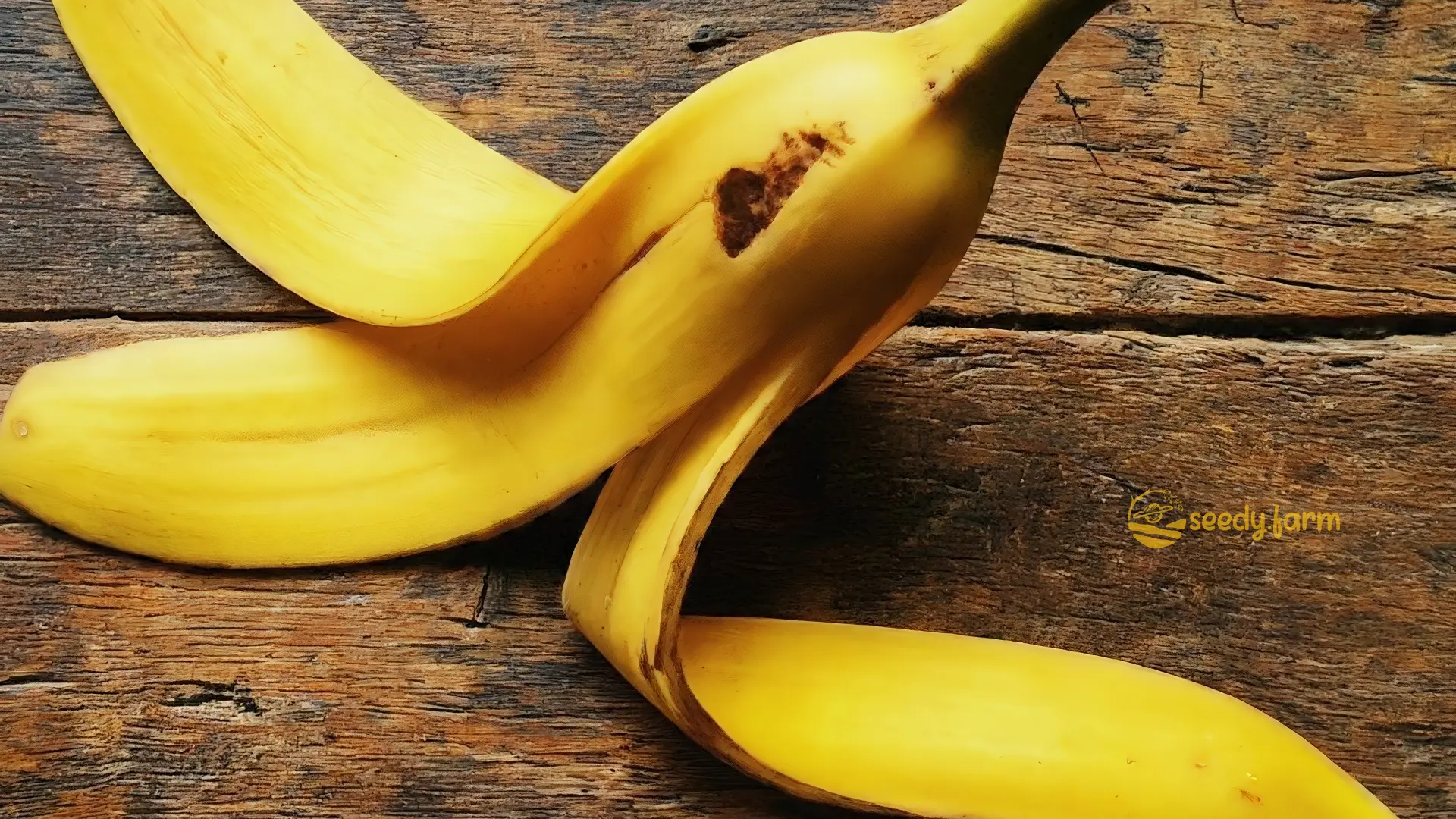 Banana peels are more than just the wrapping for a popular fruit; they are a natural source of several key nutrients that can benefit garden health. While nutrient content can vary based on banana variety, growing conditions, and peel freshness, these often-discarded skins are particularly noted for their potassium content, along with phosphorus, calcium, and magnesium, making them an excellent resource for gardeners looking to naturally supplement their soil fertility.
Note: The exact nutrient composition of banana peels can vary. The values below are representative estimates and highlight the key minerals present. The availability of these nutrients to plants depends on decomposition processes in the soil.
| Nutrient | Approximate Amount (Dry Weight Basis) | Benefits for Plants |
|---|---|---|
| Potassium (K) | Significant (often cited as the primary nutrient) | Essential for overall plant vigor, regulating water balance (stomata function), enzyme activation, sugar transport, and improving disease resistance. Crucial for fruit and flower development. |
| Phosphorus (P) | Moderate | Promotes healthy root development, encourages flowering and fruiting, and plays a key role in energy transfer processes (like photosynthesis). |
| Calcium (Ca) | Moderate | Crucial for building strong cell walls, essential for root tip and shoot tip growth, and aids in nutrient uptake. Helps prevent issues like blossom-end rot in susceptible plants (e.g., tomatoes). |
| Magnesium (Mg) | Present | Central component of chlorophyll (essential for photosynthesis) and activates numerous enzymes involved in plant growth. |
| Sulfur (S) | Present | Component of some amino acids and proteins; essential for chlorophyll formation and enzyme function. |
| Micronutrients (e.g., Iron, Manganese, Zinc, Copper, Boron) | Trace amounts | Required in smaller quantities but vital for various enzyme systems, chlorophyll synthesis, and other metabolic processes. |
- Potassium – Powering Plant Performance: Potassium is the star nutrient in banana peels. It acts like a regulator within the plant, managing water uptake and loss, activating enzymes crucial for growth, and strengthening cell walls. This contributes to stronger stems, better drought tolerance, enhanced fruit quality, and improved resilience against certain pests and diseases. Plants like tomatoes, peppers, potatoes, and roses particularly appreciate adequate potassium levels.
- Phosphorus and Calcium – Building Blocks for Health: Beyond potassium, banana peels offer useful amounts of phosphorus and calcium. Phosphorus is vital for energy processes, robust root systems, and abundant blooms and fruit set. Calcium is fundamental for structural integrity – think strong stems and healthy growing points. It also plays a role in how plants respond to stress. Together, these minerals contribute to a more balanced nutrient supply, encouraging vigorous growth from root to tip.
II. Transforming Banana Peels: From Kitchen Scraps to Garden Enhancers
Turning banana peels from kitchen waste into valuable garden amendments is a straightforward, eco-friendly process. This section covers practical methods for preparing and using banana peels effectively, ensuring your garden reaps the rewards.
1. Preparation Essentials: Getting Your Peels Garden-Ready
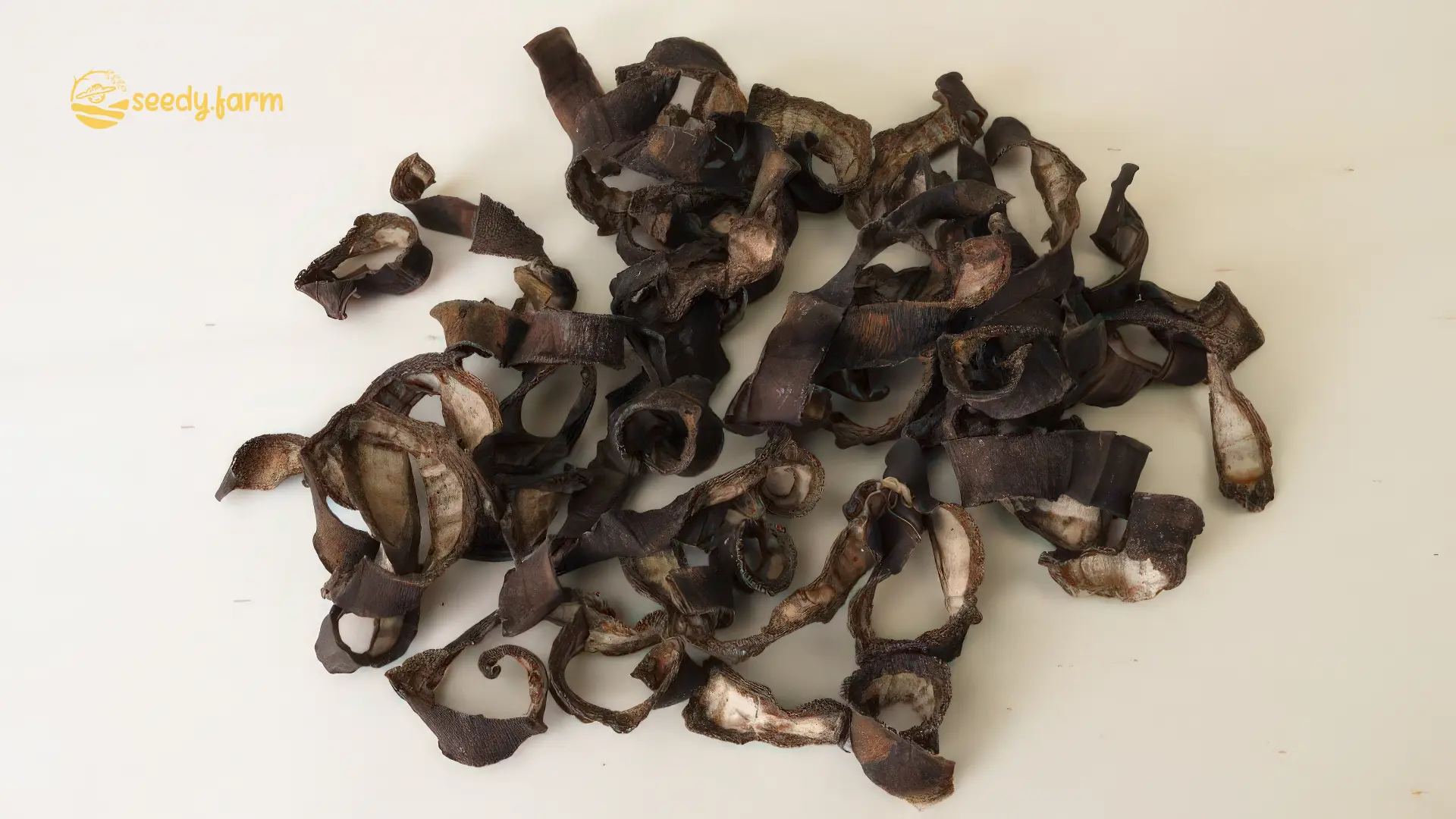 Proper preparation maximizes benefits and minimizes potential issues like attracting pests or slow decomposition:
- Cleaning (Optional but Recommended): Briefly rinse banana peels, especially those from non-organic sources, to remove potential pesticide residues. While composting processes can break down many residues, starting clean is always a good practice.
- Chopping or Cutting: Cut fresh peels into small pieces (e.g., 1-inch squares). Smaller pieces have more surface area, encouraging faster decomposition whether you’re composting or adding them directly to the soil. State: Fresh, pliable peels cut into smaller segments.
- Drying (Alternative Preparation): You can also dry banana peels until they are brittle. This can be done in a low oven, a dehydrator, or simply air-dried in a sunny, dry location (this takes longer). Dried peels can be crumbled or ground into a powder. State: Darkened, brittle peels; can be crumbled by hand or ground into a coarse powder using a blender or coffee grinder. Drying helps prevent mold if storing them and can deter some pests.
- Storing Prepared Peels: Fresh, chopped peels should be used immediately or frozen for later use to prevent odors and decay. Dried, crumbled, or powdered peels can be stored in an airtight container in a cool, dark place.
2. Practical Applications: Putting Peels to Work
Banana peels can be incorporated into your garden routine in several effective ways:
a. Direct Soil Incorporation
- Method: Bury small pieces of fresh or dried, chopped banana peel at least 4-6 inches deep in the soil, near the root zone of established plants (but not touching the main stem or roots directly). Alternatively, incorporate dried, crumbled peels into the soil when preparing beds or planting containers.
- Benefits: This method allows the peels to decompose directly in the soil, slowly releasing nutrients like potassium over time. Burying deeply minimizes the risk of attracting fruit flies, rodents, or other pests. It also adds valuable organic matter, improving soil structure as microbes break down the peels.
b. Composting Power-Up
- Method: Add fresh, chopped banana peels directly to your compost bin or pile. They are considered ‘green’ material (nitrogen-rich, though less so than grass clippings), so balance them with ‘brown’ materials (carbon-rich, like dried leaves, straw, or shredded cardboard) – aim for a ratio of roughly 2-3 parts brown to 1 part green overall in your compost.
- Benefits: Banana peels enrich your finished compost with potassium and other minerals. The moisture in fresh peels can help activate decomposition in a dry pile, while their structure contributes to the overall texture. Composting is often the safest and most recommended method, as the hot composting process effectively breaks down the peels and integrates their nutrients into a stable, soil-like amendment. State: Finished compost will be dark, crumbly, and earthy-smelling, with no visible pieces of banana peel remaining.
c. Banana Peel ‘Tea’ (Liquid Supplement)
- Method: Steep a few fresh or dried banana peels in a jar or bucket of water for several days to a week. Agitate occasionally. Strain the liquid before use. A common ratio is 3-4 peels per gallon of water.
- Benefits: This creates a mild liquid supplement, primarily containing water-soluble potassium. Use this ‘tea’ to water plants needing a gentle potassium boost, such as flowering or fruiting varieties, especially in containers. Important Note: This ‘tea’ is a very dilute nutrient source and should not replace balanced fertilization. Its nutrient content is significantly lower than commercial fertilizers. Dispose of the soaked peels in your compost. State: The resulting liquid will be slightly tinted water; the peels will be soft and waterlogged.
d. Dried Peel Mulch Component
- Method: Scatter small, crumbled pieces of dried banana peel lightly around the base of plants, mixing them into an existing organic mulch layer (like wood chips or straw). Avoid creating a thick, continuous layer of just peel pieces.
- Benefits: When used sparingly as part of a larger mulch strategy, dried peel fragments can slowly break down, adding nutrients. However, using them alone as mulch is generally not recommended, as large pieces can form a barrier preventing water penetration or potentially attract pests if they rehydrate. State: Brittle, crumbled pieces mixed with other mulch materials.
III. The Garden Benefits of Utilizing Banana Peels
Harnessing banana peels as a soil amendment offers tangible advantages for your plants, your soil, and the environment. This section highlights how this simple, sustainable practice can lead to a healthier, more productive garden.
1. Eco-Friendly Waste Reduction and Fertilization
Using banana peels in the garden is a prime example of sustainable gardening. It diverts organic waste from landfills, where it would otherwise produce methane (a potent greenhouse gas). Instead, you transform kitchen scraps into a valuable resource, reducing reliance on synthetic chemical fertilizers, which require significant energy to produce and can contribute to water pollution if overused.
2. Targeted Nutritional Enhancement for Plants
Banana peels deliver a natural boost of key nutrients directly to your garden ecosystem:
- Potassium Power: As highlighted earlier, the significant potassium content supports robust growth, enhances flower and fruit production, strengthens plants against environmental stresses (like drought and temperature fluctuations), and improves overall plant health and disease resistance.
- Phosphorus for Roots and Blooms: The phosphorus contributes to strong root system development and is essential for the energy processes that fuel flowering and fruiting.
- Calcium for Structure: Calcium aids in building strong cell walls, promoting sturdy stems and healthy growth points. Adequate calcium is also crucial for preventing physiological disorders like blossom-end rot in tomatoes and peppers, which is often related to calcium uptake issues.
Remember: These nutrients become available to plants as the peels decompose through microbial activity in the soil or compost pile.
3. Improved Soil Health and Structure
Incorporating banana peels, especially through composting or direct burial, adds valuable organic matter to the soil. As the peels break down, they:
- Feed beneficial soil microbes, increasing biological activity.
- Improve soil structure, creating better aeration (more air spaces) and drainage in heavy clay soils.
- Enhance water retention in sandy soils.
- Contribute to the formation of humus, the stable component of organic matter that is crucial for long-term soil fertility.
A healthier soil ecosystem supports stronger root systems and more resilient plants.
4. Cost-Effective and Accessible Gardening
Banana peel amendments are essentially free if you already eat bananas! This provides a readily available, no-cost alternative or supplement to purchased fertilizers. It makes sustainable gardening practices accessible to everyone, regardless of budget, offering a practical way to enhance garden vitality using common household resources.
IV. Mastering Banana Peel Use: Practical Tips for Gardeners
Integrating banana peels effectively into your gardening requires a bit of know-how. Follow these expert tips to maximize benefits and avoid common pitfalls when using this natural resource.
1. Application Frequency and Moderation
Balance is crucial. While beneficial, consistently adding large amounts of any single organic material can alter soil balance over time.
- For Direct Soil Incorporation: Adding chopped or dried peels around plants once or twice during the main growing season is usually sufficient for supplemental potassium. Avoid daily or weekly applications directly to the soil around the same plant.
- In Composting: Add banana peels as they become available, ensuring you maintain a good balance with carbon-rich ‘brown’ materials (aiming for roughly a 2:1 or 3:1 ratio of browns to greens by volume in your overall compost inputs). This ensures efficient decomposition without creating overly wet or smelly conditions.
- Liquid ‘Tea’: Use the diluted banana peel tea as an occasional supplement (perhaps every 2-4 weeks during active growth) for potassium-hungry plants, but remember it’s not a complete fertilizer.
Over-application, while difficult to achieve with typical household quantities, could theoretically lead to nutrient imbalances (e.g., excess potassium can sometimes interfere with magnesium uptake). Moderation is key.
2. Quantity Considerations
Adjust the amount based on your garden size and method:
- Garden Beds: When burying peels, using the peels from one or two bananas per few square feet, incorporated deeply, is a reasonable starting point per application.
- Potted Plants: Use banana peels sparingly in containers. Mix a small amount (e.g., half a dried, crumbled peel or a tablespoon of powder) into the potting mix for a medium-sized pot (8-12 inches) at planting time, or apply a very dilute ‘tea’ occasionally. Container soil volume is limited, making imbalances more likely if over-applied.
- Compost Pile: Your household’s normal banana consumption will likely not overwhelm a well-managed compost pile. Just ensure they are mixed in with other materials.
3. Avoiding Unwanted Pests
Banana peels, particularly fresh ones, can attract pests like fruit flies, fungus gnats, ants, slugs, or even rodents if not managed properly.
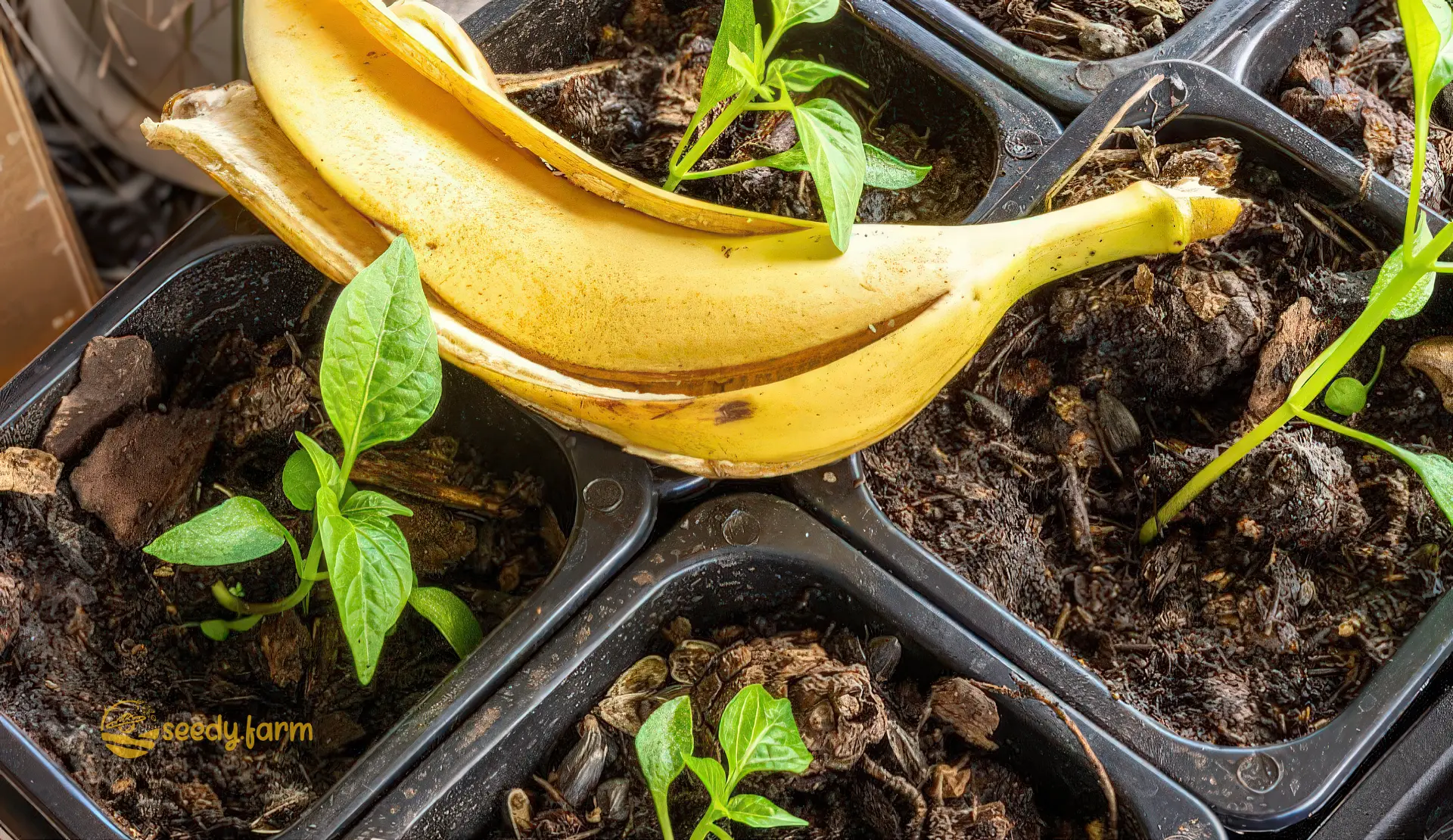 - Bury Deeply: The most effective way to deter pests when applying directly to soil is to bury chopped peels at least 4-6 inches deep. Surface application is not recommended.
- Compost Correctly: Active composting, especially hot composting, effectively breaks down peels and discourages pests. Burying peels within the center of the pile helps.
- Use Dried Peels: Dried, crumbled peels are generally less attractive to pests than fresh ones, though burying them is still advisable.
- Avoid the ‘Tea’ Dregs: Strain the liquid fertilizer thoroughly and compost the leftover solids; don’t leave soggy peels sitting around.
4. Plant-Specific Considerations
While many plants benefit, tailor usage to specific needs:
- Potassium Lovers: Tomatoes, peppers, eggplants, potatoes, melons, squash, roses, and other flowering shrubs often respond well to the potassium boost from banana peels.
- General Use: Most vegetables, annuals, and perennials can benefit from the nutrients and organic matter provided by compost enriched with banana peels.
- Acid-Loving Plants: Plants like blueberries, azaleas, rhododendrons, and camellias thrive in acidic soil (low pH). While occasional, well-composted banana peels are unlikely to cause harm in established acidic soil, avoid concentrating fresh or dried peels around these plants. Banana peels themselves are slightly acidic initially, but their decomposition releases mineral cations (like potassium and calcium) which can have a slight neutralizing effect locally over time. It’s best to rely on acid-forming fertilizers or soil amendments specifically designed for these plants.
- Check Your Soil pH: If you have concerns or are gardening in alkaline soil, a soil test can provide valuable information about your soil’s pH and nutrient levels, helping you make informed decisions about amendments.
5. Enhancing Decomposition
To ensure nutrients become available and peels break down efficiently:
- Chop Finely: Smaller pieces decompose much faster than whole peels.
- Ensure Moisture and Air: Decomposition requires moisture and oxygen. Burying peels in reasonably moist soil or managing compost moisture levels is important.
- Encourage Microbial Life: Healthy soil teeming with bacteria and fungi is key. Using compost and avoiding broad-spectrum pesticides supports this vital workforce.
V. Expert Insights & FAQs: Your Banana Peel Questions Answered
Using banana peels in the garden is a brilliant way to embrace sustainable practices, but it often sparks questions. Here, we address common queries with clear, practical advice to help you confidently use this natural resource.
Can I put fresh banana peels directly into my garden soil?
Yes, you can, but with important caveats! Always chop the peels into small pieces (about 1-inch squares) first. Then, you must bury them at least 4 to 6 inches deep in the soil. Place them in the root zone of established plants, but avoid direct contact with the main stem or roots. Burying deeply is crucial to prevent attracting pests like fruit flies, rodents, or fungus gnats, and it aids decomposition. This method provides a slow release of nutrients, primarily potassium, as soil microbes break down the buried peels. State: Fresh, chopped peels buried underground will slowly decompose over weeks to months, depending on soil temperature and microbial activity.
How often should I add banana peels to my garden?
Moderation and method matter. If burying peels directly, doing so occasionally (perhaps once or twice per growing season around established, potassium-loving plants) is sufficient. Avoid repeated applications in the exact same spot. For a steady supply of peels from your kitchen, composting is the ideal method. Add peels to your compost bin as they become available, always remembering to balance these ‘green’ materials with ample ‘brown’ materials (like dried leaves or shredded paper) to ensure healthy decomposition. Over-concentrating banana peels in one area could potentially lead to nutrient imbalances over time (e.g., excess potassium can interfere with magnesium uptake).
Do banana peels really attract pests to the garden?
They certainly can if not handled correctly! Fresh peels left on the soil surface are very likely to attract fruit flies, ants, slugs, and potentially rodents. The sugars and moisture are appealing. The key to prevention is deep burial (4-6 inches) if applying directly to the soil. Using dried, crumbled peels might be slightly less attractive initially, but they should also be buried or well-incorporated into the soil. Composting peels within an active, well-managed compost pile is generally the safest method regarding pests, as the decomposition process and containment deter most unwanted visitors.
Are banana peels beneficial for all types of plants?
Mostly, but with exceptions. Plants that particularly appreciate potassium – like tomatoes, peppers, potatoes, roses, melons, and squash – often respond well. The organic matter benefits most soils. However, be cautious with plants that require distinctly acidic soil (low pH), such as blueberries, azaleas, rhododendrons, and camellias. While well-composted peels mixed into soil are unlikely to cause major pH shifts, avoid concentrating fresh or dried peels directly around these acid-lovers. The minerals released during decomposition can have a slight neutralizing effect locally. For these plants, stick to acid-specific fertilizers and amendments.
What’s the best way to prepare banana peels for my compost pile?
Simple! Chop or tear the fresh peels into smaller pieces (1-2 inches). This increases the surface area, allowing microbes to break them down much faster. Add these pieces directly to your compost bin or pile. Remember to mix them in with other materials and ensure you maintain a good balance of nitrogen-rich ‘greens’ (like peels, coffee grounds, grass clippings) and carbon-rich ‘browns’ (like dried leaves, straw, cardboard). Chopped peels also add valuable moisture to the pile. State: Fresh peels, once chopped and added to an active compost pile, will typically break down completely within a few weeks to months, becoming indistinguishable in the finished compost.
Can I use dried banana peels as a garden mulch?
It’s generally not recommended to use dried banana peels as a primary mulch layer. While they contain nutrients, they tend to break down slowly on the surface and, if applied thickly or if pieces are large, they can form a crust that impedes water penetration and air exchange. Instead, consider crumbling well-dried, brittle banana peels into very small pieces and mixing them sparingly into an existing layer of organic mulch like wood chips or shredded leaves. Burying dried pieces is also a better option than surface application. State: Dried peels should be dark, brittle, and easily crumbled before use.
Is it safe to use peels from conventionally grown (non-organic) bananas?
While using peels from certified organic bananas eliminates concerns about synthetic pesticide residues, you can still use peels from conventional bananas. It’s a good practice to wash the peels thoroughly under running water before chopping or drying them. This can help remove some surface residues. Furthermore, the composting process, especially hot composting (reaching temperatures of 130-160°F or 55-70°C), can help break down many chemical compounds, offering an additional layer of safety.
What are the best ways to store banana peels before using them in the garden?
For fresh peels you plan to use soon (within a day or two) but can’t immediately bury or compost, you can store chopped pieces in a sealed container in the refrigerator. For longer storage, freezing is excellent. Simply collect chopped peels in a freezer bag or container. Freezing helps break down the cell walls, which can kickstart decomposition once thawed. For dried peels, ensure they are completely brittle, then crumble or grind them. Store the resulting powder or crumbles in an airtight container in a cool, dark, dry place until ready to use.
What about the sugars in banana peels? Are they bad for the soil?
The natural sugars in banana peels are readily consumed by beneficial soil microorganisms (bacteria and fungi). This actually provides them with energy, fueling the decomposition process. In a healthy soil environment or compost pile, these sugars are quickly utilized and do not cause problems. Burying peels ensures these sugars feed the underground microbial community rather than attracting surface pests.
How does using banana peels compare to using commercial potassium fertilizers?
They serve different, though related, purposes. Banana peels offer a natural, slow-release source of potassium, along with other minerals in smaller amounts, plus valuable organic matter that improves soil structure and health over time. Commercial potassium fertilizers (like Sulfate of Potash or Muriate of Potash) provide a concentrated, readily available dose of potassium that directly feeds the plant quickly. Peels build soil health; concentrated fertilizers provide targeted, immediate nutrition. They can be complementary parts of a soil fertility plan, but banana peels are far less potent in terms of nutrient concentration.
Comments (0)
No comments yet. Be the first to share your thoughts.