 Skip to content
Homegrown Asian Aromas: Easy Plants for Fragrant Spaces
The captivating allure of essential oils often stems from their concentrated fragrances and powerful associations with wellbeing. While extracting true,
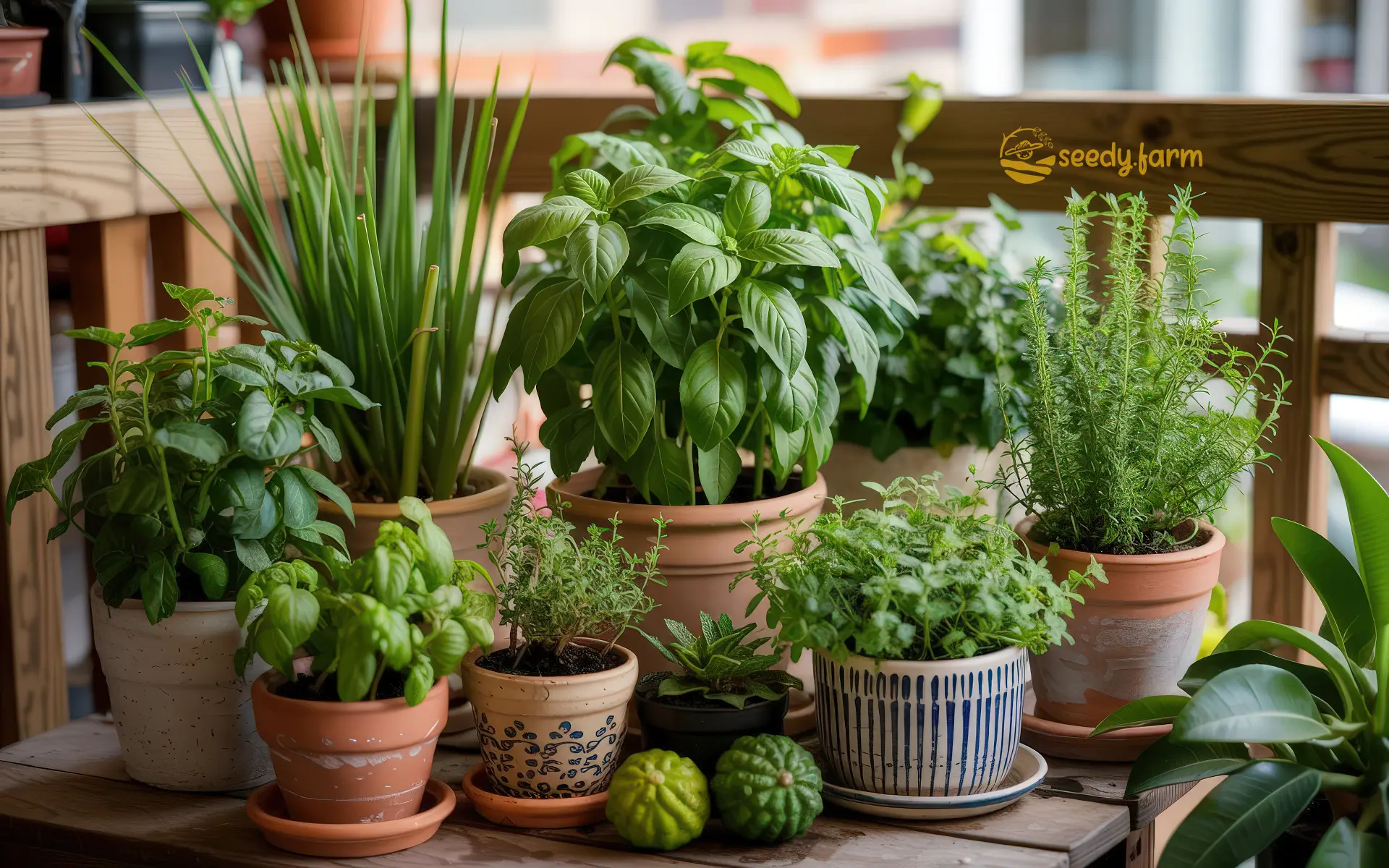
The captivating allure of essential oils often stems from their concentrated fragrances and powerful associations with wellbeing. While extracting true, pure essential oils demands specialized steam distillation or cold-pressing equipment and significant quantities of plant material (often hundreds of pounds for a small bottle!), cultivating the source plants themselves offers a delightful, achievable, and sustainable way to bring these captivating scents directly into your home and garden. Many iconic Asian plants, celebrated for centuries in culinary arts, traditional wellness practices, and perfumery, are natural powerhouses of fragrance. Their leaves, stems, flowers, or roots contain complex volatile oils – the very essence of their scent – which they release with just a gentle touch, a slight bruise, or carried on a warm breeze. Growing these plants provides an accessible, rewarding, and eco-friendly way to enjoy their authentic natural perfume right at the source. You can easily harvest fresh ingredients for fragrant teas, enhance your cooking, or create simple DIY aromatic infusions and potpourri. It’s also a wonderful way to enrich your living space with unique, exotic scents and connect more deeply with nature’s sensory gifts. This guide explores several remarkable aromatic Asian plants that adapt beautifully to home cultivation, whether you have a sunny garden plot, a bright balcony perfect for container gardening, or even a well-lit windowsill. Let’s embark on a journey to cultivate your own natural aromatherapy garden!
I. A Selection of Highly Aromatic Asian Plants for Home Gardens
These plants are especially valued for their potent scents, derived from the complex volatile organic compounds similar or identical to those found in commercially produced essential oils. Growing them allows you to experience these fragrances fresh, directly from the living plant. All plants listed are confirmed suitable for home cultivation with appropriate care.
1. Lemongrass (Cymbopogon citratus)
Instantly recognizable by its intense, fresh, and uplifting lemon scent, Lemongrass is a cornerstone of Southeast Asian cuisine and traditional perfumery. The powerful aroma primarily comes from citral, a volatile compound also abundant in lemon peel, highly concentrated in the thick, fleshy, pale lower portion of the stalks (sometimes called the ‘bulb’). This tropical grass forms attractive, dense clumps of arching, strap-like leaves. It readily releases its fragrance when leaves are crushed or brushed against, activating the oil glands within the plant tissue. For complete cultivation details, see our guide on growing Lemongrass.
Key Aromatic Uses: Fresh, firm lower stalks are ideal for fragrant teas, adding bright citrus notes to soups (like Tom Yum) and curries (bruise thoroughly before adding), inclusion in potpourri, creating simple simmer pots for natural room fragrance, or making DIY infused oils (using a carrier oil like fractionated coconut or sweet almond oil). The long green leaves can also be used for a milder, pleasant tea or bundled for fragrance sachets. Growth Habit: A clumping perennial grass, typically reaching 3-5 feet (1-1.5 meters) in height in optimal conditions, forming dense clusters.
| Aromatic Feature | Details |
|---|---|
| Primary Aromatic Part(s) | Lower stalks (most potent, pale section), leaves (milder) |
| Scent Profile | Intense, fresh, bright lemon/citrus |
| Key Compound(s) | Citral |
| Best Aroma Release | Bruising, chopping, or slicing fresh, mature lower stalks |
| Best Home Aroma Method(s) | Tea, Simmer Pot, Infused Oil (using stalks); Tea, Sachets (using leaves) |
Growing Essentials: Requires full sun (minimum 6-8 hours of direct sunlight daily) to develop the best aroma concentration. Needs well-draining, reasonably fertile soil and consistent watering, especially during hot weather and active growth periods. Highly tolerant of heat but very sensitive to frost. In colder climates (generally below USDA Zone 9/10), grow it as an annual or overwinter it in a pot indoors in a bright, sunny spot, reducing water significantly during dormancy. Harvesting for Aroma: Harvest individual stalks once they are mature, firm, and at least 1/2 inch (1.3 cm) thick at the base. Cut them close to the soil line with sharp pruners or a knife. The refreshing aroma is strongest in these freshly harvested, mature stalks. For maximum scent release, bruise the stalk well (e.g., with the back of a knife), chop, or slice it just before use to rupture the cell walls containing the fragrant volatile oils. Trimmed upper leaves can be used fresh or dried for tea, or sustainably added to your compost pile or used as a fragrant mulch layer.
2. Holy Basil / Tulsi (Ocimum tenuiflorum, syn. O. sanctum)
Revered in Hindu traditions as a sacred plant and a cornerstone of Ayurvedic medicine, Holy Basil (often called Tulsi) possesses a unique, complex aroma quite distinct from common culinary basils (Ocimum basilicum). Its scent profile is often described as a captivating blend of spicy, peppery, clove-like, and subtly minty or even slightly licorice-like notes. This richness is largely due to aromatic compounds like eugenol (also prominent in cloves), cineole, estragole, and camphor, among others. Several cultivars exist, such as Rama Tulsi (typically green leaves), Krishna Tulsi (often with purplish leaves and stems), and Vana Tulsi (wild leaf type, sometimes considered a separate species, O. gratissimum), each offering slight variations in aroma intensity and appearance. Find detailed instructions in our comprehensive guide on [how to grow Holy Basil](
"How to Grow Holy Basil").
Key Aromatic Uses: Fresh or carefully dried leaves make a fragrant, calming tea (often enjoyed for wellness benefits); leaves can be added fresh or dried to potpourri mixes for a spicy-sweet note; used in spiritual or ceremonial practices (often grown near temples or homes); potential for creating infused oils (allow leaves to wilt slightly for a day after harvesting to reduce moisture content before infusing). The aroma intensifies significantly when the leaves are gently handled, bruised, or crushed. Flowers are also aromatic and edible. Growth Habit: A bushy, upright herbaceous plant, typically growing 1-2 feet (30-60 cm) tall, sometimes taller. Often features slightly fuzzy (pubescent) leaves and stems and produces spikes of small, delicate purple or white flowers.
| Aromatic Feature | Details |
|---|---|
| Primary Aromatic Part(s) | Leaves, flowers, stems |
| Scent Profile | Complex mix: spicy, peppery, clove-like, minty, slightly sweet |
| Key Compound(s) | Eugenol, Cineole, Estragole, Camphor |
| Best Aroma Release | Handling, bruising, or crushing fresh leaves/flowers |
| Best Home Aroma Method(s) | Tea (fresh or dried leaves/flowers), Potpourri, Infused Oil (use slightly wilted leaves) |
Growing Essentials: Thrives in full sun and warm temperatures. Requires well-draining soil and consistent moisture – avoid letting it dry out completely between waterings. Very sensitive to cold and frost; treat as a tender annual in cooler climates or bring indoors well before the first expected frost, placing it in a very sunny window. Easily grown from seed, often started indoors 6-8 weeks before the last frost date. Harvesting for Aroma: Harvest leaves and tender stem tips regularly by pinching or cutting just above a set of leaves (a node). This encourages bushier growth and more leaf production. Harvesting in the morning, after any dew has dried but before the midday heat, often yields the most intense fragrance as volatile oils are typically at their peak. Handle harvested leaves gently to preserve these delicate oils until you are ready to use them. Pinching off flower spikes can prolong vegetative growth and leaf production, although the flowers themselves are also aromatic and suitable for tea or culinary use.
3. Ginger (Zingiber officinale)
The pungent, spicy, and warming aroma of Ginger is cherished globally in both culinary and wellness applications. This distinctive fragrance comes from a complex mix of volatile oils and non-volatile pungent compounds primarily located within the fleshy underground stem, known botanically as a rhizome. Key aromatic compounds include zingiberene and other sesquiterpenes, while gingerol is largely responsible for the fresh pungency. Related compounds like shogaols (more pungent, formed during drying) and zingerone (sweeter, often develops with cooking) also contribute to the overall profile. Even the lush green leaves possess a milder, yet distinct, green-ginger scent when crushed. Our comprehensive Ginger growing guide has all the details.
Key Aromatic Uses: Fresh rhizome grated, sliced, minced, or muddled for intensely fragrant teas, simmer pots for room scenting, making infused oils or honeys, and countless culinary uses where aroma is paramount (stir-fries, curries, marinades, candies). Dried and ground ginger powder also retains a warm, potent aroma, though slightly different from fresh. Growth Habit: Produces upright, reed-like pseudostems (formed by rolled leaf sheaths) with long, graceful, lance-shaped leaves, growing 2-4 feet (0.6-1.2 meters) tall from the branching underground rhizomes. Flowers are rare in typical home cultivation outside the tropics but are quite exotic if they appear.

| Aromatic Feature | Details |
|---|---|
| Primary Aromatic Part(s) | Rhizome (underground stem), leaves (milder, green scent) |
| Scent Profile | Pungent, spicy, warming, slightly sweet/lemony undertones |
| Key Compound(s) | Gingerol (pungency), Zingiberene (aroma), Shogaols, Zingerone |
| Best Aroma Release | Cutting, grating, mincing, or bruising fresh, firm rhizome |
| Best Home Aroma Method(s) | Tea, Simmer Pot, Infused Oil/Honey (using fresh rhizome), Cooking |
Growing Essentials: Prefers partial shade, especially protection from harsh afternoon sun in hot climates, or bright, indirect light. Needs rich, fertile, moist, and consistently well-draining soil – poor drainage is fatal and quickly leads to rhizome rot. High humidity is beneficial. Ginger requires warm temperatures (ideally 70-85°F or 21-29°C) and a long growing season (typically 8-10 months for full maturity). You can start new plants from fresh, plump ginger rhizomes purchased from a grocery store or farmer’s market – look for pieces with several small, greenish or white buds (‘eyes’). Choose organic ginger if possible to avoid growth inhibitors sometimes applied to conventional produce. Harvesting for Aroma: Harvest mature rhizomes after the foliage begins to naturally yellow and die back, usually 8-10 months after planting. This indicates the plant is entering dormancy and has stored maximum energy (and flavor/aroma) in the rhizome. Carefully dig up sections of the rhizome as needed, leaving some in the ground if you live in a suitable climate for perennial growth. The aroma is most potent and vibrant when the rhizome skin is broken – i.e., when it is freshly cut, grated, or bruised. Ensure harvested rhizomes are firm and heavy for their size. Unused leaves can be composted or used as a fragrant bed for steaming fish or vegetables.
4. Kaffir Lime / Makrut Lime (Citrus hystrix)
Primarily cultivated for its intensely aromatic leaves, the Kaffir Lime tree (also widely and increasingly known as Makrut Lime, a term preferred in some regions to avoid the potentially offensive connotations of ‘Kaffir’) is a citrus fragrance powerhouse. The unique ‘double’ or ‘figure-8’ shaped leaves contain exceptionally high concentrations of volatile compounds, notably citronellal (giving a strong, piercing lemony-floral note) and limonene, releasing a bright perfume far more potent and distinct than regular lime leaves. The bumpy, rough green rind of the fruit is also highly aromatic but contains very little, often bitter juice, making it less common for culinary use beyond zesting for intense fragrance. For container care and specific tips, learn more about [how to grow Kaffir/Makrut Lime](
"How to Grow Kaffir Lime / Makrut Lime").
Key Aromatic Uses: Fresh or dried leaves are typically torn, crushed, or finely shredded just before use to release their potent scent into Southeast Asian cooking (essential in soups like Tom Yum and Tom Kha, countless curries, marinades, and stir-fries). They can also be used in infused oils, vinegars, simple syrups for cocktails, potpourri, or simply crushed by hand for an instant burst of refreshing fragrance. The aromatic zest from the fruit rind can be used sparingly for intense aroma in cooking or infusions. Growth Habit: A small, somewhat thorny evergreen tree or large shrub, typically reaching 6-10 feet (2-3 meters) in its natural habitat but easily kept smaller (3-5 feet) and manageable in containers through pruning. Features distinctive glossy dark green double-lobed leaves.
| Aromatic Feature | Details |
|---|---|
| Primary Aromatic Part(s) | Leaves (intensely aromatic), fruit rind/zest (also intense) |
| Scent Profile | Intense, bright lime-floral, uniquely pungent citrus |
| Key Compound(s) | Citronellal, Limonene, Beta-pinene |
| Best Aroma Release | Tearing, bruising, shredding, or crushing fresh leaves; zesting fresh rind |
| Best Home Aroma Method(s) | Cooking (releases aroma), Potpourri, Infused Oil/Vinegar/Syrup (using leaves), Zesting (fruit rind) |
Growing Essentials: Needs full sun (minimum 6-8 hours daily is crucial for good growth and oil production). Absolutely requires excellent drainage – use a specific citrus potting mix or amend garden soil heavily with compost and grit (like perlite or coarse sand). Water thoroughly when the top inch or two of soil becomes dry, then allow it to drain completely – do not let it sit in water. Feed regularly during the growing season with a balanced fertilizer formulated for citrus trees (which includes micronutrients like iron and magnesium). Protect rigorously from frost, as it is a tropical plant (hardy only to about Zone 10). Consider moving container plants indoors to a bright location during winter in colder zones. Harvesting for Aroma: Harvest mature, fully expanded, deep green leaves as needed throughout the year. Gently tearing, crumpling, or finely slicing the leaf just before use ruptures the oil glands, releasing the strongest aroma. Older leaves tend to have a stronger scent than very young ones. If using zest, use a microplane or fine grater to remove only the outer green layer of the rind, avoiding the bitter white pith beneath, just before adding it to your preparation. Fallen leaves, if still green and fragrant, can contribute scent to potpourri. Pruning benefits the plant and provides leaves for harvest.
5. Shiso / Perilla (Perilla frutescens)
Shiso, a member of the mint family, offers a complex and intriguing aroma that varies noticeably between the common green-leaved (aojiso) and red/purple-leaved (akajiso) varieties. Its unique scent is often described as a fascinating fusion of mint, basil, anise, cinnamon, clove, and sometimes even cumin or citrus undertones – truly unlike any other herb. This distinctive profile makes it a captivating aromatic addition to gardens and diverse culinary creations, especially prominent in Japanese, Korean, and Vietnamese cuisine. The tiny seeds are also commercially pressed for Perilla oil, valued for its nutritional profile. Grow this versatile herb with tips from our Shiso planting guide.
Key Aromatic Uses: Fresh leaves crushed or finely chopped for garnish release a strong scent; used whole or shredded in salads, sushi, sashimi platters, or spring rolls; steeped for unique teas or flavored waters; added to potpourri blends for complexity; used for wrapping foods (like onigiri rice balls or grilled meats) to impart aroma during handling or cooking. Green shiso is often used fresh as a bright aromatic garnish, while red shiso is famous for imparting its color and unique flavor to umeboshi (pickled Japanese plums) and other pickles or drinks. Growth Habit: A bushy annual herb, typically growing 1-3 feet (30-90 cm) tall, characterized by broad, often ruffled or deeply serrated leaves arranged oppositely on square stems (typical of the mint family). Flowers are small, borne on spikes, and typically white or pale lavender.

| Aromatic Feature | Details |
|---|---|
| Primary Aromatic Part(s) | Leaves, flower buds (hojiso) |
| Scent Profile | Complex blend: mint, basil, anise/licorice, cinnamon, clove, sometimes citrusy or cumin-like (varies by type and cultivar) |
| Key Compound(s) | Perillaldehyde (gives characteristic scent), Limonene, Caryophyllene, others |
| Best Aroma Release | Crushing, chopping, or tearing fresh leaves |
| Best Home Aroma Method(s) | Fresh Culinary Use (crushed/chopped), Tea, Potpourri, Flavored Wraps |
Growing Essentials: Adapts well to full sun or partial shade. Prefers rich, consistently moist, but well-draining soil. Can be prone to bolting (flowering prematurely and potentially reducing leaf quality) in intense heat and long day conditions, so afternoon shade can be beneficial in hot summer climates. Be aware that Shiso self-seeds very readily; remove flower heads before they mature and drop seed if you wish to control its spread, as it can become quite weedy in some garden environments. Easily grown from seed sown directly in the garden after the last frost or started indoors. Harvesting for Aroma: Pick individual leaves as needed throughout the growing season; younger, tender leaves generally offer a milder flavor and aroma, while larger, more mature leaves provide a more robust, sometimes slightly coarser scent. The aroma is most vibrant when leaves are freshly harvested and used promptly. Pinching the growing tips regularly encourages the plant to become bushier, yielding more leaves. Use freshly crushed, torn, or chopped leaves for the best aromatic impact in culinary dishes or other applications. The flower buds (hojiso) are also harvested in Japanese cuisine for their aromatic quality.
6. Patchouli (Pogostemon cablin)
Instantly recognizable for its deep, earthy, musky, woody, and slightly sweet aroma, Patchouli is a foundational base note in countless perfumes, incense blends, and aromatherapy practices. Native to tropical regions of Asia (like Malaysia and the Philippines), the characteristic essential oil is commercially derived from the leaves, but only after they are harvested and undergo a specific, crucial process of partial drying and aging (sometimes involving careful light fermentation or ‘sweating’). This traditional post-harvest process is essential for developing the rich, complex, tenacious fragrance associated with high-quality Patchouli oil; freshly picked leaves smell quite different – much greener, sharper, and more herbaceous. Growing the plant itself provides direct access to its unique aromatic profile at different stages, and mastering [how to grow Patchouli](
"How to Grow Patchouli") ensures you have leaves available for experimenting with the curing process.
Key Aromatic Uses: Traditionally, properly aged/cured dried leaves are used for long-lasting scent in sachets, potpourri, incense mixtures, and wardrobe fresheners to capture the classic deep, musky scent. Fresh leaves have a much ‘greener’, somewhat minty-herbaceous scent but can be crushed for immediate, albeit different, aroma or used sparingly in fresh arrangements. Creating DIY infused oils with the classic scent requires attempting to mimic the drying/aging process carefully (e.g., slow drying in shade, periodic bundling) to develop the characteristic deeper notes before infusing in a carrier oil. Growth Habit: A bushy, herbaceous perennial (often grown as an annual or overwintered indoors in colder climates), typically reaching 2-3 feet (60-90 cm) in height and spread. Features large, slightly fuzzy (pubescent), oppositely arranged, broadly ovate, aromatic leaves with somewhat Toothed margins. Produces small, pale purple-white flowers on terminal spikes, though flowering may be infrequent in non-tropical conditions.
| Aromatic Feature | Details |
|---|---|
| Primary Aromatic Part(s) | Leaves (primarily after specific drying/aging process for classic scent) |
| Scent Profile | Fresh Leaves: green, herbaceous, slightly sharp/minty. Dried/Aged Leaves: deep, rich, earthy, musky, woody, slightly sweet |
| Key Compound(s) | Patchoulol (develops significantly during aging), Norpatchoulenol, Pogostone |
| Best Aroma Release | Proper drying/aging of harvested leaves for classic scent; crushing fresh leaves for immediate green scent |
| Best Home Aroma Method(s) | Dried Sachets/Potpourri (using aged leaves); Crushing fresh leaves (for green scent); Careful Infused Oil (after aging leaves) |
Growing Essentials: Prefers partial shade, such as dappled sunlight or morning sun followed by afternoon shade, especially in hotter climates where direct sun can scorch leaves. Requires rich, consistently moist (but not waterlogged), well-draining soil and appreciates high humidity. Needs consistently warm temperatures (ideally above 60°F / 15°C) and must be protected from cold drafts and frost. Often grown in containers for easier overwintering indoors in non-tropical zones. Easily propagated from stem cuttings taken from non-flowering shoots, offering a sustainable way to multiply your plants or share with friends. Harvesting for Aroma: Harvest stems bearing mature, healthy leaves once the plant is well-established, typically several months after planting. For the classic Patchouli scent, the harvested leaves must be dried carefully and slowly. Traditionally, this involves spreading them in a single layer in a shaded, warm, well-ventilated area, turning occasionally. Sometimes they are stacked or bundled loosely for short periods to encourage slight ‘sweating’ or light fermentation, which helps transform the aromatic compounds (developing the key patchoulol) into the desired rich, musky notes. This process can take several days to weeks and requires some experimentation. Once properly dried and cured (they should feel dry but perhaps slightly supple, not overly brittle), store in airtight containers. Freshly harvested leaves possess a much less complex, greener scent compared to properly cured ones.
7. Turmeric (Curcuma longa)
While renowned worldwide for the vibrant golden-orange color and earthy, slightly bitter flavor of its rhizomes, Turmeric also possesses a distinct, warm, woody, and subtly peppery or even mustard-like aroma. This characteristic scent comes from volatile aromatic compounds like turmerone, ar-turmerone, and zingiberene (also found in ginger) within the fleshy rhizome. The aroma is generally less pungent and sharp than its relative, Ginger, but contributes a signature warm, slightly musky base note to culinary dishes and preparations. The large, tropical-looking leaves also release a faint, pleasant, slightly spicy fragrance when bruised or crushed. Explore the full process in our Turmeric growing guide.
Key Aromatic Uses: Freshly harvested rhizome, when grated, sliced or pounded, adds its unique warm aroma and color to teas (like ‘golden milk’), curries, soups, rice dishes, pickles, and can be included in aromatic simmer pots. Dried and ground turmeric powder retains much of the characteristic aroma (though slightly altered) and is a staple spice globally. Growth Habit: An upright herbaceous perennial plant featuring large, oblong, tropical-looking leaves emerging directly from the soil on petioles, potentially reaching 2-3 feet (60-90 cm) tall. Grows from bright orange underground rhizomes that branch out like fingers. May produce beautiful, torch-like flower spikes (often pinkish or white bracts) in warm climates or after several years of growth, though primarily grown for rhizomes.

| Aromatic Feature | Details |
|---|---|
| Primary Aromatic Part(s) | Rhizome (underground stem), leaves (subtle green/spicy scent) |
| Scent Profile | Warm, woody, earthy, slightly musky, subtly peppery/mustard-like |
| Key Compound(s) | Turmerone, ar-Turmerone, Zingiberene |
| Best Aroma Release | Cutting, grating, or pounding fresh, mature rhizome |
| Best Home Aroma Method(s) | Tea (‘Golden Milk’), Simmer Pot, Cooking (using fresh rhizome), Pickling |
Growing Essentials: Needs full sun to partial shade (afternoon shade is beneficial in very hot climates), fertile, well-draining soil, and consistent moisture throughout the active growing season (spring through summer/fall). Similar to Ginger, it requires warmth (ideally 68-95°F or 20-35°C) and a reasonably long growing period (around 8-10 months) to produce substantial rhizomes. It typically enters dormancy when temperatures cool or conditions become dry, with the foliage dying back naturally. Start new plants from plump, firm rhizomes (often called ‘mother’ rhizomes or fingers) with visible buds (‘eyes’), planted about 2-4 inches deep. Use organic rhizomes if possible. Harvesting for Aroma: Harvest the main rhizomes after the plant’s leaves have largely yellowed and begun to wither, signaling maturity and the start of dormancy (usually 8-10 months from planting). Carefully dig around the base of the plant to lift the rhizome clumps. The most vibrant color and characteristic warm aroma are found in freshly harvested rhizomes, especially when cut, grated, or bruised. Ensure harvested rhizomes are firm, plump, and free from soft spots or mold. The large leaves are not typically eaten but can be sustainably used for composting or, in some Southeast Asian culinary traditions, as aromatic wraps for steaming fish or rice, imparting a subtle fragrance.
8. Thai Basil (Ocimum basilicum var. thyrsiflora)
A distinct and highly aromatic variety of sweet basil, Thai Basil is prized for its unique scent profile, which sets it apart from Genovese or sweet basil. It boasts a pronounced anise or licorice-like fragrance with spicy undertones, derived largely from compounds like estragole. This aroma makes it indispensable in Southeast Asian cuisine, particularly Thai and Vietnamese dishes. The plant itself is attractive, often featuring sturdy purple stems, vibrant green leaves, and showy purple flower spikes. It’s relatively easy to grow, providing a continuous harvest of fragrant leaves, and you can find detailed steps on [how to grow Thai Basil](
"How to Grow Thai Basil") in our dedicated guide.
Key Aromatic Uses: Fresh leaves are essential for adding aromatic depth to Thai curries (often added at the end of cooking), pho noodle soup, stir-fries, salads, and spring rolls. Unlike sweet basil, it holds up better to cooking heat, releasing its fragrance without turning overly bitter. Can be used in fragrant teas, infused oils or vinegars, or simply crushed for its invigorating scent. Growth Habit: An upright, branching annual herb typically growing 1-2 feet (30-60 cm) tall. Characterized by relatively narrow, slightly serrated green leaves, often with prominent purple stems and dense terminal spikes of small pinkish-purple flowers.
| Aromatic Feature | Details |
|---|---|
| Primary Aromatic Part(s) | Leaves, Stems, Flowers |
| Scent Profile | Strong anise/licorice, spicy, slightly sweet |
| Key Compound(s) | Estragole, Linalool |
| Best Aroma Release | Bruising, chopping, or tearing fresh leaves; heat (in cooking) |
| Best Home Aroma Method(s) | Cooking, Fresh Garnish (bruised), Tea, Infused Oil/Vinegar |
Growing Essentials: Thrives in full sun (at least 6 hours daily) and warm conditions. Needs well-draining, moderately fertile soil and consistent moisture. Like other basils, it dislikes having ‘wet feet’ (soggy soil). Pinching the tips regularly encourages bushier growth and delays flowering, maximizing leaf production. Typically grown as an annual from seed or purchased seedlings. Start seeds indoors 4-6 weeks before the last frost or sow directly outdoors when the soil has warmed. Harvesting for Aroma: Harvest leaves and tender stems frequently throughout the growing season. Pinch or snip stems just above a pair of leaves to encourage branching. Morning harvest, after dew dries, is often ideal for peak volatile oil content. Use fresh leaves promptly for the best aroma, especially in raw preparations. For cooking, add leaves near the end to preserve the aromatic compounds. While flowering is attractive, pinching off flower spikes can encourage more leaf growth, though the flowers are also edible and aromatic.
9. Curry Leaf Tree (Murraya koenigii)
Not to be confused with curry powder (which is a spice blend), the Curry Leaf Tree produces intensely aromatic leaves that are a fundamental ingredient in South Indian and Sri Lankan cuisine. The fresh leaves release a unique, complex, slightly pungent, nutty, and subtly citrusy fragrance when bruised, crushed, or heated (e.g., tempered in hot oil). This characteristic aroma comes from a blend of volatile compounds including various terpenes like pinene and caryophyllene. Growing your own ensures a fresh supply, as the aroma diminishes significantly when leaves are dried; learn the specifics of how to grow a Curry Leaf Tree for the best results.
Key Aromatic Uses: Fresh leaves are almost always used, typically fried briefly in hot oil (tempering or ‘tadka’) at the beginning of cooking to release their aroma into dishes like curries, soups, stews, rice dishes, and chutneys. Can also be finely chopped into savory snacks or marinades. Less common uses include infused oils or adding to simmer pots (though the scent is best released by heat). Dried leaves lose much of their characteristic aroma. Growth Habit: A small tropical to subtropical evergreen tree or large shrub belonging to the citrus family (Rutaceae). Can reach 15-20 feet (4.5-6 meters) in the ground in ideal climates but is often kept much smaller (3-6 feet) in containers, especially outside the tropics. Features pinnately compound leaves with numerous small, glossy green leaflets. Produces clusters of small, white, fragrant flowers followed by small, black, berry-like fruits (seeds are toxic, pulp is edible but not widely consumed).
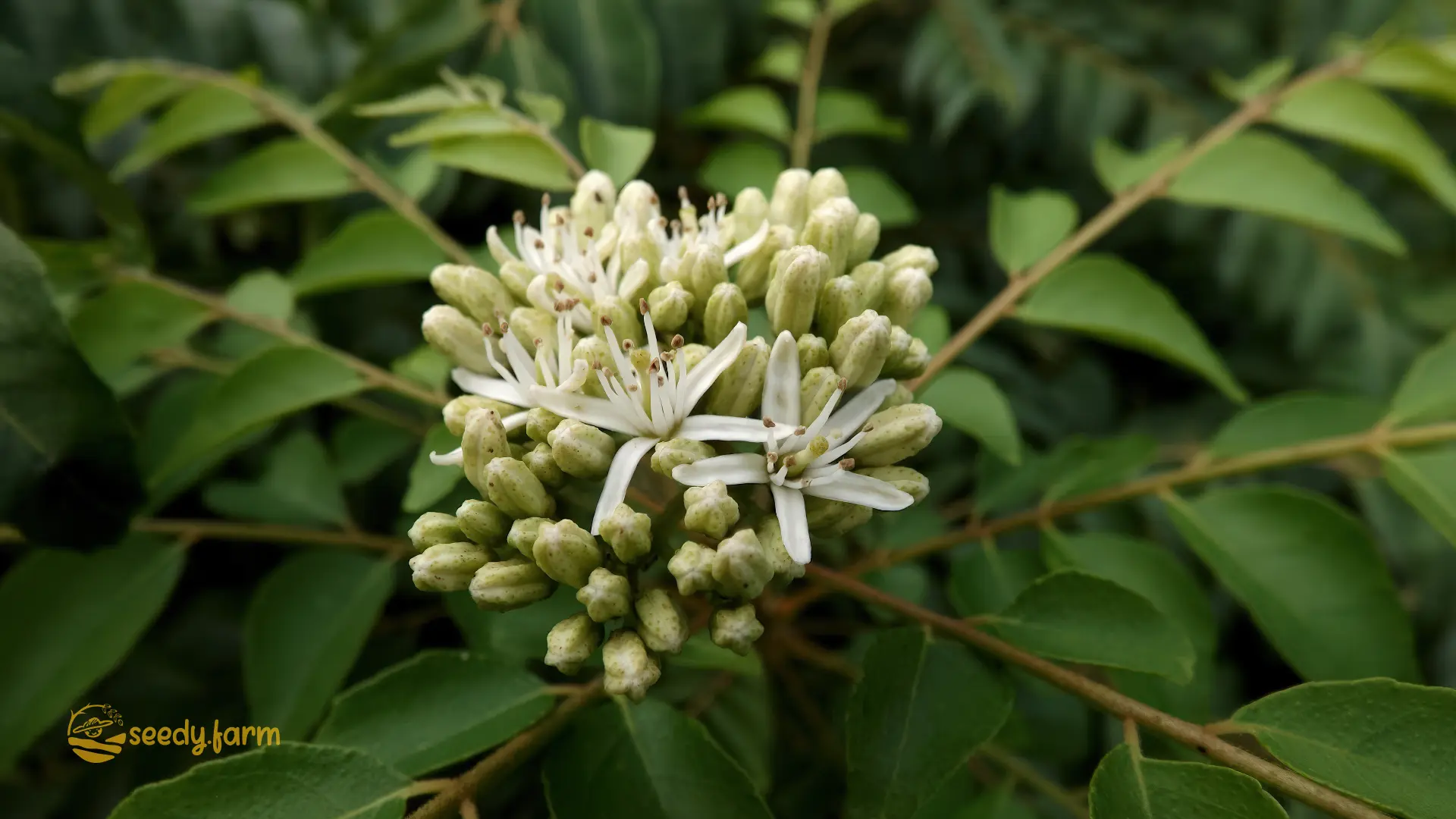
| Aromatic Feature | Details |
|---|---|
| Primary Aromatic Part(s) | Fresh Leaves (leaflets) |
| Scent Profile | Unique, complex, pungent, nutty, slightly citrusy/spicy |
| Key Compound(s) | Alpha-pinene, Beta-pinene, Caryophyllene, Sabinene |
| Best Aroma Release | Frying fresh leaves in hot oil (tempering), crushing or bruising fresh leaves |
| Best Home Aroma Method(s) | Cooking (tempering in oil), Crushing fresh leaves (for immediate scent) |
Growing Essentials: Requires full sun for best growth and aroma development. Needs very well-draining soil; amend standard potting mix with perlite or coarse sand for container growing. Water regularly during active growth but allow the topsoil to dry slightly between waterings; reduce watering significantly in winter dormancy. Prefers warm temperatures and humidity; protect strictly from frost (hardy only to about USDA Zone 9b/10). Often benefits from regular feeding with a balanced fertilizer during the growing season, potentially one acidic fertilizer occasionally as it prefers slightly acidic soil. Can be grown from seed (requires patience) or more easily from cuttings or purchased plants. Often slow-growing, especially when young or container-grown. Harvesting for Aroma: Harvest fresh leaves (individual leaflets or whole leaf stems) as needed. Pick leaves that are mature and deep green for the strongest flavor and aroma. Handle gently until ready to use. Bruising or tearing the leaflets just before adding to hot oil maximizes the release of their volatile compounds. Regular harvesting can encourage bushier growth. Avoid harvesting too heavily from young or small plants. Leaves are best used fresh; drying results in significant loss of the characteristic aroma.
II. Cultivating for Aroma: Essential Tips for Success
Maximizing the aromatic potential of your home-grown plants involves providing the right growing conditions and harvesting thoughtfully. These essential tips will help you cultivate the most fragrant specimens possible:
1. Light Fuels Fragrance Production
Adequate light is absolutely crucial. The process of photosynthesis, fueled by sunlight, provides the energy plants need to produce not only sugars for growth but also complex secondary metabolites, including the volatile aromatic compounds we cherish. Most aromatic plants listed here thrive in full sun (meaning at least 6-8 hours of direct sunlight daily). Sun exposure often directly correlates with the concentration of aromatic oils in the plant tissues. Exceptions like Ginger, Turmeric, and Patchouli appreciate some protection from intense, scorching afternoon sun in very hot climates, but they still require bright ambient light or several hours of morning sun to perform well. Insufficient light typically results in weak, ‘leggy’ growth with pale leaves and significantly diminished aroma.
2. Prioritize Excellent Soil Drainage
While specific moisture needs vary (e.g., Shiso likes consistent moisture, Citrus needs slight drying between waterings), excellent drainage is non-negotiable for almost all these plants, especially those grown from rhizomes (Ginger, Turmeric) or those sensitive to root rot (Citrus, Patchouli). Waterlogged soil deprives roots of vital oxygen, leading to plant stress, increased susceptibility to fungal diseases like root rot, and ultimately impacting the plant’s overall health and its ability to synthesize aromatic oils effectively. For containers, always use pots with drainage holes and choose high-quality potting mixes, often amending further with perlite, coarse sand, or fine bark for improved aeration. In garden beds, incorporate generous amounts of organic matter like finished compost or well-rotted manure to improve soil structure, fertility, and drainage simultaneously – a key sustainable practice for long-term soil health.
3. Water Consistently & Appropriately Based on Need
Avoid cycles of extreme drought followed by sudden flooding, as this stresses plants. While established specimens may tolerate short dry spells better, consistent moisture generally supports robust growth and optimal production of volatile oils during the active growing season. Water thoroughly whenever the top inch or two (2.5-5 cm) of soil feels dry to the touch, allowing excess water to drain away freely. Watering needs will vary based on plant type, pot size, weather conditions (heat, wind), and time of year. Using organic mulch (such as shredded leaves, straw, or wood chips) around outdoor plants or on the surface of large containers helps conserve soil moisture, suppress weeds, regulate soil temperature, and reduce watering frequency – a highly recommended sustainable practice.
4. Feed Mindfully with Sustainable, Organic Options
Provide necessary nutrients during the active growing season using balanced organic fertilizers rather than relying solely on synthetic chemical feeds. Excellent sustainable options include top-dressing with finished compost, incorporating well-rotted manure (from reliable sources) into the soil before planting, adding worm castings, or using periodic applications of liquid feeds like fish emulsion, seaweed extract, or homemade compost tea. These organic inputs not only feed the plant but also nourish beneficial soil microorganisms, contributing to overall soil health. Avoid excessive use of high-nitrogen fertilizers; while they can promote rapid, lush green foliage, they often do so at the expense of concentrated aroma and flower production. This is because the plant allocates more resources to vegetative growth rather than synthesizing the complex secondary metabolites responsible for scent and flavor.
5. Harvest at Peak Aroma Times for Maximum Impact
For many leafy herbs (Lemongrass, Holy Basil, Thai Basil, Shiso, Kaffir/Makrut Lime leaves, Curry leaves), the concentration of volatile aromatic oils is often highest in the morning, after any dew has evaporated but before the intense heat of the midday sun causes some of the more volatile compounds to dissipate into the air. Harvesting leaves before the plant flowers heavily generally yields the strongest leaf scent (unless you are specifically harvesting aromatic flowers like Tulsi’s or Shiso’s). For rhizomes like Ginger and Turmeric, harvesting at full maturity, typically signaled by the natural yellowing and dying back of the foliage, is key for achieving peak flavor, color, and aroma concentration as the plant has stored maximum reserves underground. For Patchouli, the timing relates more to allowing the plant to mature before harvesting leaves for the crucial drying/aging process.
6. Handle Harvested Material & Preserve Aroma with Care
Remember that bruising, cutting, tearing, or heating the plant material is what ruptures the microscopic oil glands within the plant cells and releases the characteristic fragrance. Handle harvested parts gently until you are ready to unleash their scent for your intended use (e.g., gently rinse leaves, pat dry). To preserve aroma in dried materials for later use (like leaves for tea/potpourri or sliced/grated rhizomes), dry them efficiently but gently. Spread them in a single layer on screens or racks in a cool, dark, airy place away from direct sunlight. Good air circulation is key to prevent mold growth. Once completely dry and brittle (for most leaves) or leathery (for some rhizomes), store them immediately in airtight glass jars or containers away from light, heat, and moisture to retain their aromatic compounds for as long as possible. Label containers clearly with the plant name and date.
7. Understanding Home ‘Essential Oil’ Creations vs. True Essential Oils
It’s important to reiterate that creating true, concentrated essential oils typically requires specific processes like steam distillation (for leaves, flowers, stems) or cold pressing (primarily for citrus peels). These industrial or specialized artisanal methods need specific equipment (stills, presses) and often very large volumes of fresh plant material, making them impractical and often unrewarding for most home gardeners aiming for just a few drops of oil. However, you can easily and effectively capture the plants’ delightful aromatic essence through simpler, traditional, and highly rewarding methods suitable for home use:
- Aromatic Infused Oils: Gently heating dried or slightly wilted fresh herbs (reducing water content helps prevent spoilage and improves infusion) in a stable carrier oil (like olive, sunflower, jojoba, sweet almond, or fractionated coconut oil) over very low, controlled heat (e.g., in a double boiler or slow cooker on ‘warm’) for several hours, or using a slower solar infusion method (placing herbs and oil in a sealed jar in a sunny spot for several weeks, shaking daily). Afterward, carefully strain the plant matter out. These infused oils are wonderful for massage, skin moisturizers, salves, or even culinary drizzles (if using food-grade ingredients).
- Aromatic Tinctures: Steeping fresh or dried herbs (chopped or bruised) in high-proof alcohol (like vodka, brandy, or grain alcohol – at least 80 proof/40% ABV) in a sealed jar for several weeks (typically 4-8 weeks), shaking regularly. Then strain out the plant material. Tinctures capture both alcohol-soluble and some water-soluble aromatic and other compounds and have a long shelf life. They can be used in small amounts for flavoring, in natural perfumes, or liniments.
- Fragrant Teas & Waters (Tisanes): The simplest and most immediate method – steeping fresh or dried aromatic plant parts (leaves, flowers, sliced rhizomes) in hot (not necessarily boiling for delicate leaves) water for several minutes to enjoy their scent and flavor directly. Can be enjoyed hot or cooled.
- Potpourri & Sachets: Combining complementary dried aromatic leaves, flowers, spices, sliced rhizomes (like ginger or turmeric), and citrus peels for passive room fragrancing. A fixative (like orris root powder) can sometimes help prolong the scent.
- Simmer Pots: Gently simmering fresh or dried aromatics (like lemongrass stalks, ginger slices, citrus peels, cinnamon sticks, holy basil leaves) in a pot of water on the stovetop to release their fragrance into the air.
8. Embrace Sustainable & Organic Pest Management
Healthy, thriving plants grown in good conditions are naturally more resilient to pests and diseases. Prioritize building healthy, living soil (using compost and organic matter) and providing optimal growing conditions (light, water, air circulation) as your first line of defense. If pests like aphids, spider mites, mealybugs, or scale insects appear, address them promptly using environmentally friendly, organic methods. Start with the least toxic approaches: a strong spray of water from a hose can dislodge many pests; wiping leaves with a damp cloth can remove scale or mites; handpicking larger insects. If needed, progress to insecticidal soap sprays (effective against soft-bodied insects) or horticultural oils (like neem oil or lightweight mineral oils, which smother pests – follow label instructions carefully, especially regarding temperature and application timing to avoid harming plants). Consider attracting or introducing beneficial insects (like ladybugs for aphids, predatory mites for spider mites) to your garden ecosystem. Good air circulation around plants is also crucial for preventing fungal diseases like powdery mildew. Using harsh synthetic chemical pesticides should be a last resort, as they can harm beneficial insects (including pollinators), potentially persist in the soil, and leave undesirable residues on plants you intend to consume or use for their natural aroma, undermining the very purpose of growing them naturally.
Comments (0)
No comments yet. Be the first to share your thoughts.