 Skip to content
How to Grow, Care, and Harvest Lemongrass: A Complete Guide
Lemongrass is one of the most rewarding plants you can cultivate, offering a powerful sensory experience and immense culinary utility
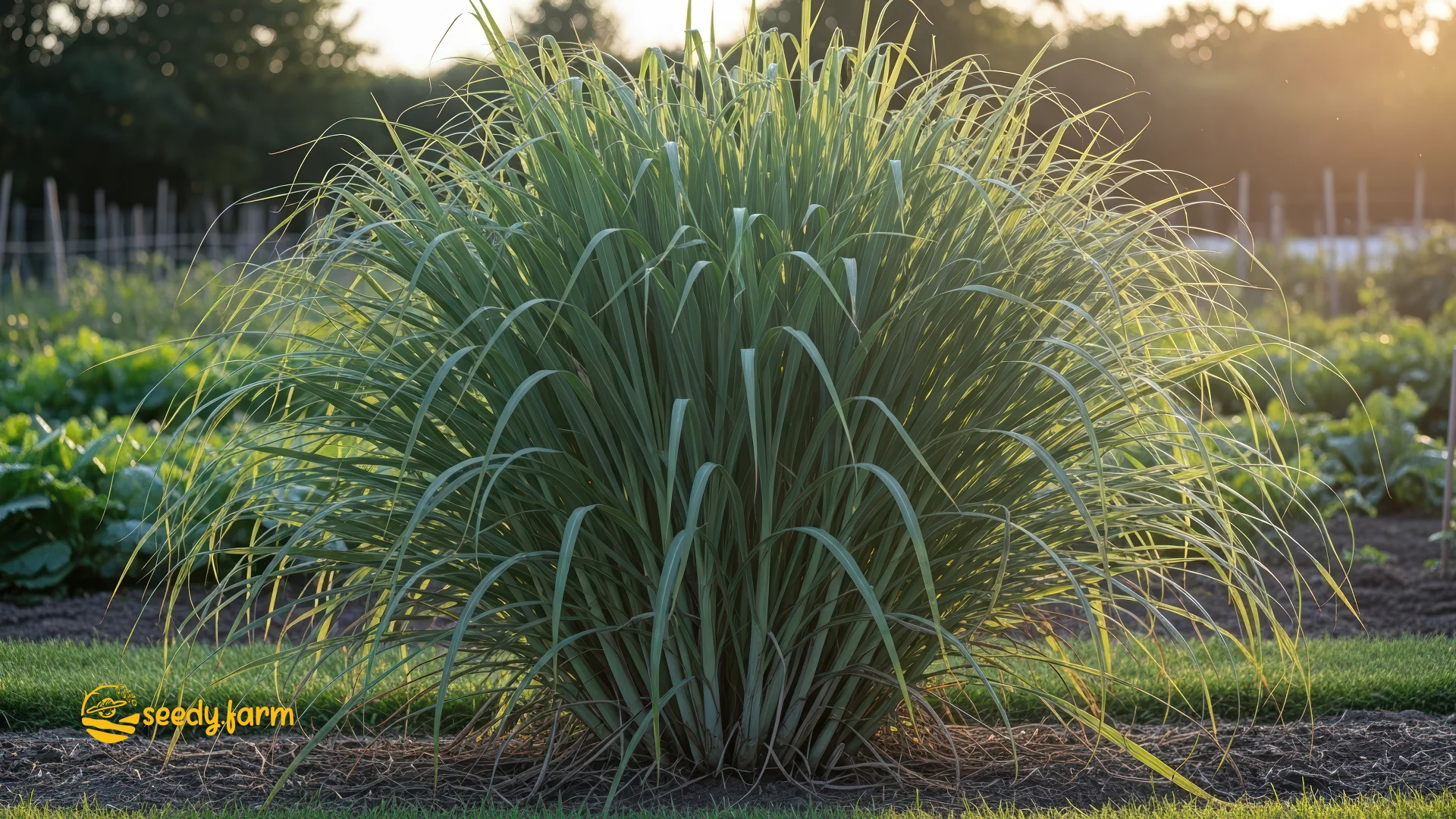
Lemongrass is one of the most rewarding plants you can cultivate, offering a powerful sensory experience and immense culinary utility from a single, beautiful clump. Its architectural form adds texture to garden beds and containers, while its sharp, clean citrus fragrance is a delight. We will cover everything from selecting the right plant to mastering its care, ensuring you can grow and harvest this essential herb with confidence, whether you have a large garden or a small balcony.
I. Getting Started with Lemongrass
| Characteristic | Details |
|---|---|
| Plant Type | Tender perennial grass |
| Scientific Name | Cymbopogon citratus (primary culinary species) |
| Family | Poaceae (The Grass Family) |
| Origin | Maritime Southeast Asia, India |
| Growth Habit | Dense, upright, clump-forming from a central rhizome |
| Height | 3-5 feet (0.9-1.5 meters) in ideal conditions |
| Leaves | Long, strap-like, sharp-edged, blue-green to green |
| Flowers | Rarely flowers in non-tropical climates |
| Fragrance & Flavor | Intense lemon scent from citral, a key essential oil |
| Culinary Uses | Stalk bases in Southeast Asian soups, curries, marinades; leaves for tea |
| Growing Conditions | Full sun (6+ hours), well-draining soil, high heat and humidity |
| Hardiness Zones | Perennial in USDA Zones 10-11; grown as an annual or overwintered indoors elsewhere |
| Propagation | Division of the clump (rhizome) |
| Pests and Diseases | Highly resistant; occasional spider mites in dry conditions |
| Harvest | Individual stalks are cut or twisted off at the base when 1/2-inch thick |
While many species of Cymbopogon exist, gardeners and cooks should focus on two primary types. Understanding the difference is key to getting the flavor you expect.
| Common Name (Species) | Description & Primary Use | Key Identifiers |
|---|---|---|
| West Indian Lemongrass (Cymbopogon citratus) | This is the definitive culinary lemongrass. It forms dense clumps but rarely flowers. Its flavor is robust and complex, perfect for cooking. This is the type you find in grocery stores and the one most gardeners should grow. | Thicker, fleshier stalk bases with a lighter green or whitish color. Does not readily produce seed. |
| East Indian Lemongrass (Cymbopogon flexuosus) | Primarily grown for essential oil production (citronella oil) and for use in herbal teas. While edible, its flavor profile is different and less desirable for most culinary dishes. It flowers more readily than its cousin. | Stalks are often thinner with a reddish or purple tinge at the base. More likely to flower and set seed. |
For nearly all garden and kitchen purposes, you want to grow Cymbopogon citratus. The most reliable way to start is by propagating a stalk.
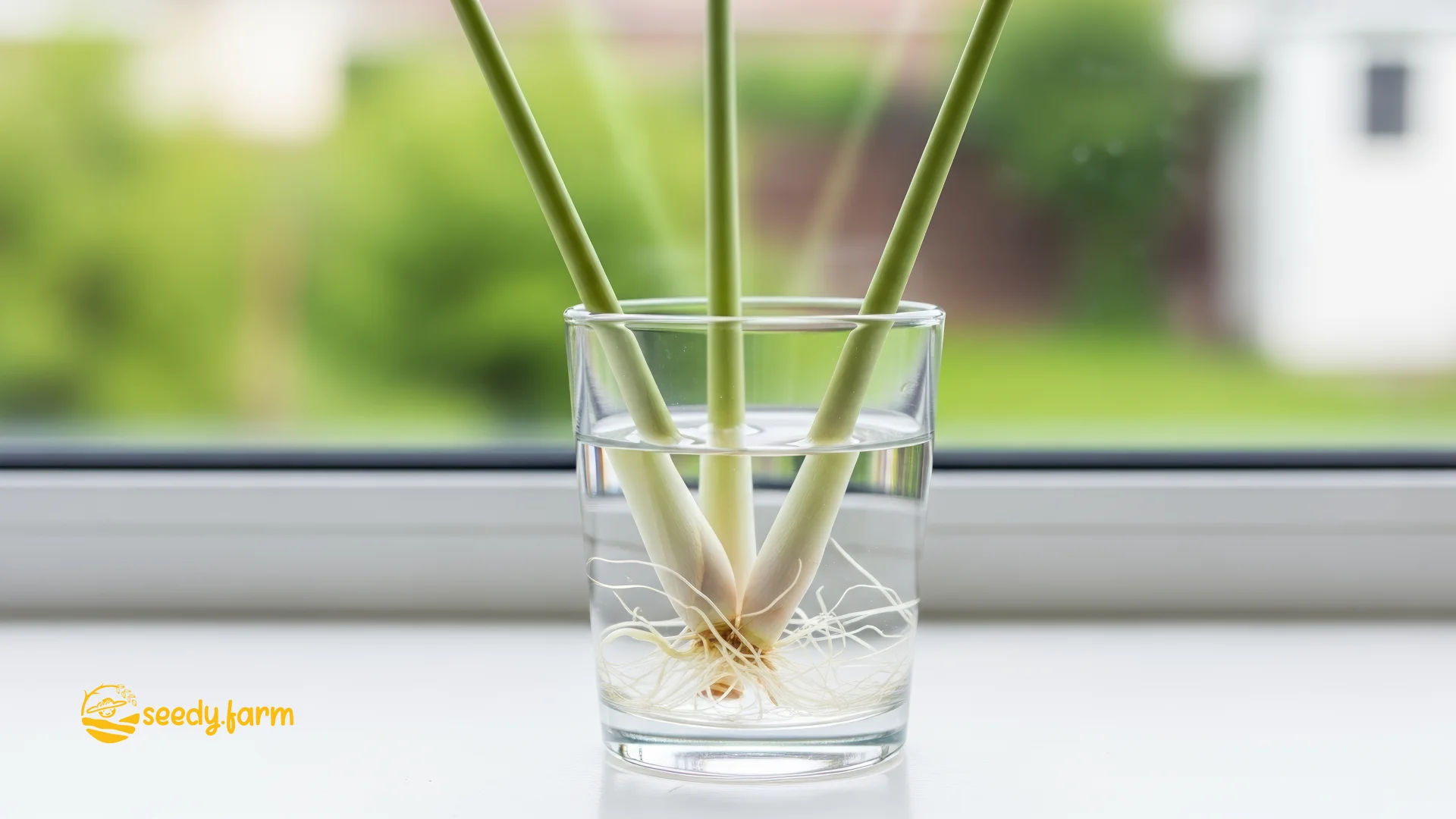
- Propagating from Store-Bought Stalks (Recommended Method): This is the fastest and most reliable path to a harvest. You are essentially cloning a healthy, mature plant. Purchase the freshest-looking lemongrass stalks you can find at a grocery or Asian market—look for firm, heavy stalks, not dry or withered ones. Trim off any dried leafy tops, leaving about 8-10 inches of stalk. Place the bottom ends in a glass with an inch or two of water. Change the water daily. Within a couple of weeks, you will see small, white roots emerge from the base. Once a few roots are at least an inch long, they are ready to plant.
- Growing from Seed (An Educational Project): While possible, starting lemongrass from seed is not recommended for most home gardeners. Germination is notoriously slow and erratic, requiring consistent high temperatures (70-85°F / 21-29°C) and patience, often taking 20-40 days. Furthermore, you cannot be certain of the resulting plant’s flavor characteristics. Treat this as a fun experiment, but for a guaranteed supply of culinary lemongrass, start with stalks.
## II. Planting, Caring and Maintaining Lemongrass
1. Planting Lemongrass
Proper planting is the foundation for a vigorous, productive plant. Timing, soil, and location are the three pillars of success.
a. Best Time to Plant
The guiding principle is to avoid cold. Lemongrass is a tropical plant that cannot tolerate frost. In zones 10-11, you can plant rooted stalks year-round. For all other climates, plant in late spring, well after your last frost date when both daytime and nighttime temperatures are consistently warm. If growing in a container that you plan to overwinter, you can plant anytime during the warm season.
b. Soil Preparation
Lemongrass demands excellent drainage. Its rhizome—the swollen, underground stem from which roots and shoots grow—will quickly rot in waterlogged soil. The ideal soil is a rich, sandy loam.
- In Garden Beds: Amend heavy clay soil with generous amounts of compost and coarse sand or fine gravel to improve its structure and drainage. Work this into the top 8-12 inches of soil.
- In Containers: Use a high-quality potting mix, not garden soil. Look for a mix amended with perlite or vermiculite, which are volcanic materials that create air pockets and ensure water drains freely.
A soil pH between 6.5 and 7.5 is ideal, but the plant is quite adaptable as long as the drainage is sufficient.
c. Selecting the Ideal Planting Location and Container
This plant’s vigor is directly tied to the energy it gets from the sun and the space its roots have to grow.
Sunny and Sheltered Planting Spots
Lemongrass needs at least six hours of direct, intense sunlight per day to produce the essential oils that give it its characteristic flavor and aroma. Less sun results in a leggy, less flavorful plant. Choose the sunniest, warmest spot in your garden. A location with protection from strong winds is also beneficial, as it prevents the long leaves from being shredded and damaged. When planting multiple clumps in the ground, space them at least 24 inches apart. This isn’t just for neatness; it ensures each plant’s base gets enough sun and allows for good air circulation, which is the best defense against fungal diseases.
Drainage-Focused Pot and Bed Selection
For in-ground planting where soil drainage is a concern, a raised bed is an excellent solution. It warms up faster in the spring and guarantees water will drain away from the root zone. For container growing, choose a pot that is at least 12 inches in diameter and 10 inches deep (a 5-gallon pot is a great starting size). The larger the pot, the larger your clump will grow. Ensure the container has multiple, large drainage holes. Do not place a layer of gravel at the bottom of the pot; this is a common myth that actually hinders drainage by creating a perched water table.
d. Planting Instructions
Whether you’ve rooted stalks in water or are planting a nursery-grown start, the process is straightforward.
Planting Rooted Stalks and Nursery Starts
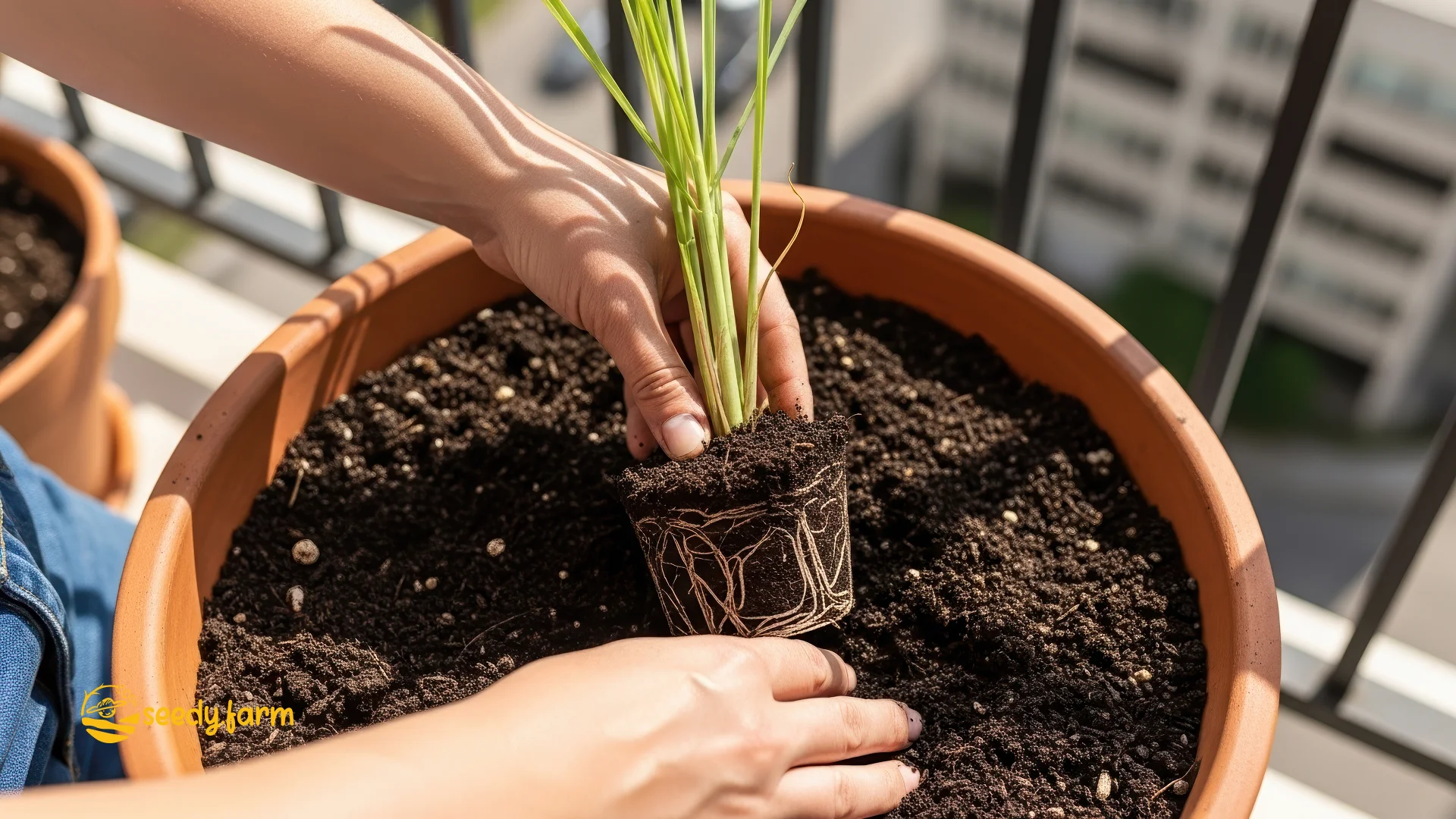
- Planting Depth: Dig a hole just large enough for the root ball. Plant the stalk or clump so that the base, where the roots emerge, is about 1 inch below the soil surface. Planting too deep can encourage the stalk to rot.
- Backfilling: Gently fill in the soil around the plant, firming it lightly with your hands to eliminate large air pockets. Do not compact the soil.
- Watering In: Water the newly planted lemongrass thoroughly. This settles the soil around the roots and provides immediate hydration. Keep the soil consistently moist—but not saturated—for the first few weeks as the plant establishes itself.
### 2. Care and Maintenance
Once established, lemongrass is remarkably self-sufficient, but a few key practices will keep it thriving.
Watering Requirements Lemongrass is a thirsty plant during its active growing season in summer. It appreciates consistent moisture to fuel its rapid growth. Water deeply whenever the top inch of soil feels dry. An established plant is somewhat drought-tolerant, but its growth will slow and leaf tips may turn brown. Overwatering is a greater danger than underwatering; yellowing leaves and a mushy base are signs of waterlogged soil.
Fertilizing Feed your lemongrass with a nitrogen-rich fertilizer to promote lush, leafy growth. A balanced liquid organic fertilizer, such as one derived from fish emulsion or seaweed, applied every 2-3 weeks during the summer is ideal. Alternatively, you can top-dress the soil with a layer of rich compost once or twice during the growing season. While synthetic granular fertilizers (like a 10-10-10) work, they can sometimes produce rapid, weak growth and may dilute the plant’s essential oil concentration.
Mulching Apply a 2-3 inch layer of organic mulch, such as straw, shredded leaves, or wood chips, around the base of the plant. Mulch is critical for conserving soil moisture, suppressing weeds, and keeping the root zone cool. Be sure to keep the mulch from directly touching the stalks to prevent rot.
Pruning and Managing Growth Regular grooming keeps the plant healthy and productive.
- Timing: The best “pruning” is regular harvesting. At any time during the growing season, you can tidy up the plant.
- Removing Dead Leaves: The outer leaves of the clump will naturally turn brown and dry over time, a process called senescence. Simply pull these off to improve air circulation and keep the plant looking neat.
- Controlling Size: If the plant becomes too tall, you can trim all the leaves down to about 12-24 inches. This will not harm the plant and can encourage it to put more energy into producing new, tender stalks at the base.
- Dividing Clumps: After a year or two, especially in a container, the clump will become very dense and root-bound. In early spring, remove the entire plant from the pot or ground. Using a sharp spade or an old serrated knife, divide the root ball into several smaller sections, ensuring each has a healthy set of roots. Replant one section and give the others away. This invigorates the plant and gives you more to share.
Mentor’s Corner: Winter Care
Lemongrass will not survive a frost. In zones colder than 10, you have two options.
- Treat as an Annual: Harvest all usable stalks before the first frost and start with new stalks the following spring.
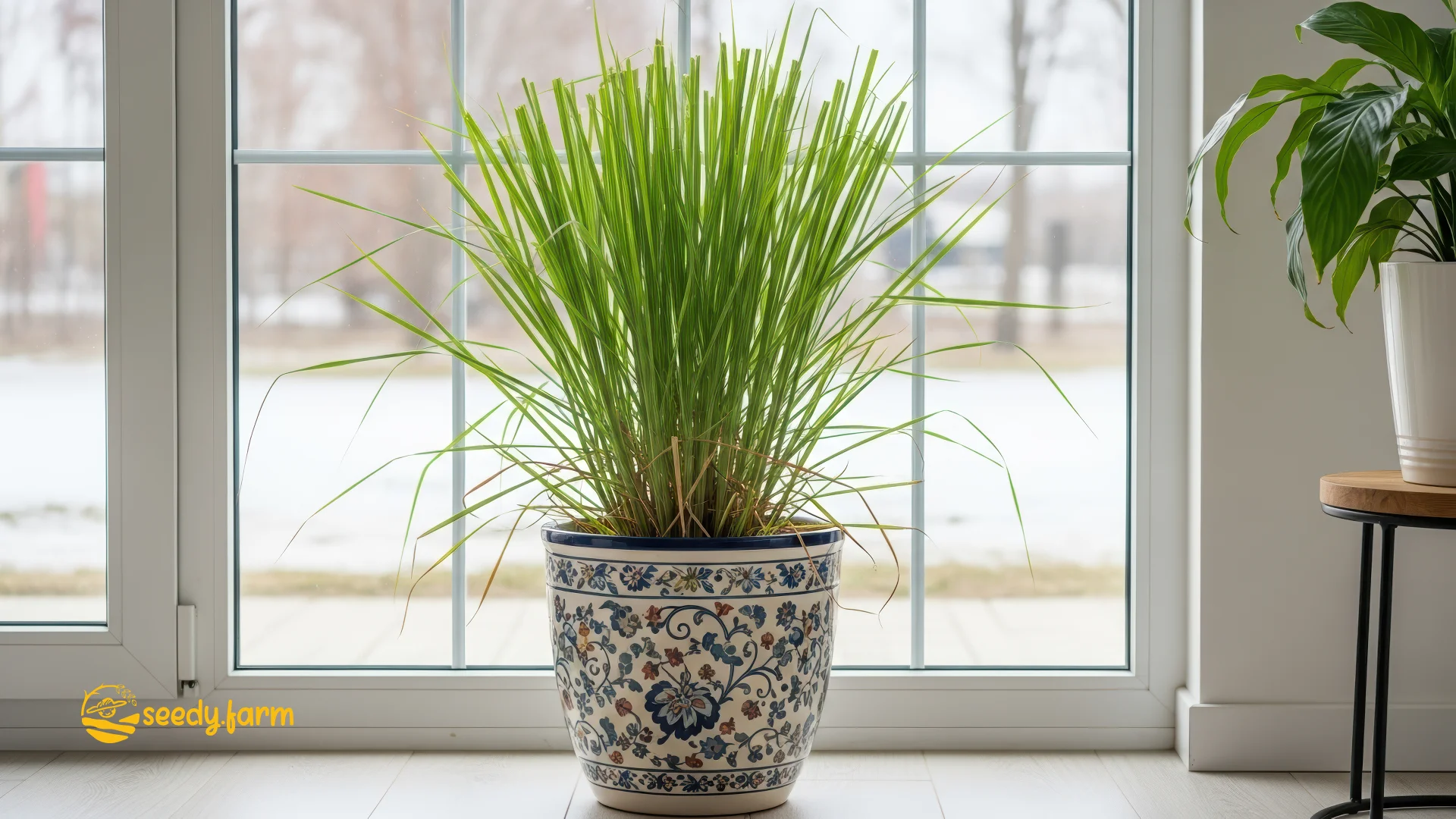
- Overwinter Indoors: If your plant is in a container, cut the foliage back to about 6-8 inches and bring it inside before the first frost. Place it in your sunniest window. Water it sparingly through the winter—just enough to keep the soil from becoming bone dry. It will not grow much, but it will stay alive. Do not fertilize. In spring, once all danger of frost has passed, move it back outdoors.
## IV. Lemongrass Companion Plants
Companion planting utilizes the natural attributes of plants to create a healthier, more resilient garden ecosystem. Lemongrass is an excellent companion due to the strong scent of its essential oils, which can confuse or repel many common garden pests.
Plants that Benefit from Lemongrass Companionship:
- Tomatoes, Peppers, and Eggplants: The strong citrus scent of lemongrass can help mask the scent of these nightshades from pests like whiteflies and hornworms. Plant a clump at the end of a row.
- Brassicas (Cabbage, Broccoli, Kale): Lemongrass may help deter cabbage moths.
- Herbs: Planting lemongrass near other aromatic herbs like basil, cilantro, and mint creates a “fragrance barrier” that can confuse many pests looking for a specific host plant.
- Marigolds: Planting French Marigolds (Tagetes patula) nearby adds another layer of pest-repelling scent and helps deter nematodes in the soil.
Plants to Avoid Planting with Lemongrass:
- Fennel: Fennel is notoriously allelopathic, meaning it can inhibit the growth of many plants near it, including lemongrass.
- Aggressive Competitors: Avoid planting lemongrass too close to other large, fast-growing grasses or sprawling plants that will compete heavily for the same sun, water, and nutrients. Give it its own space to thrive.
V. Harvesting and Storing Lemongrass
1. How to Harvest Lemongrass
Harvesting is simple and encourages the plant to produce more stalks.
a. When to Harvest Lemongrass
You can begin harvesting as soon as the stalks at the base of the plant are at least a half-inch thick. The plant is typically ready for its first harvest about three to four months after planting. Flavor is best in mature, firm stalks. Younger stalks are more tender but milder.
b. How to Properly Cut Lemongrass Stalks
The goal is to remove a stalk without damaging the central rhizome, so the plant continues to produce.
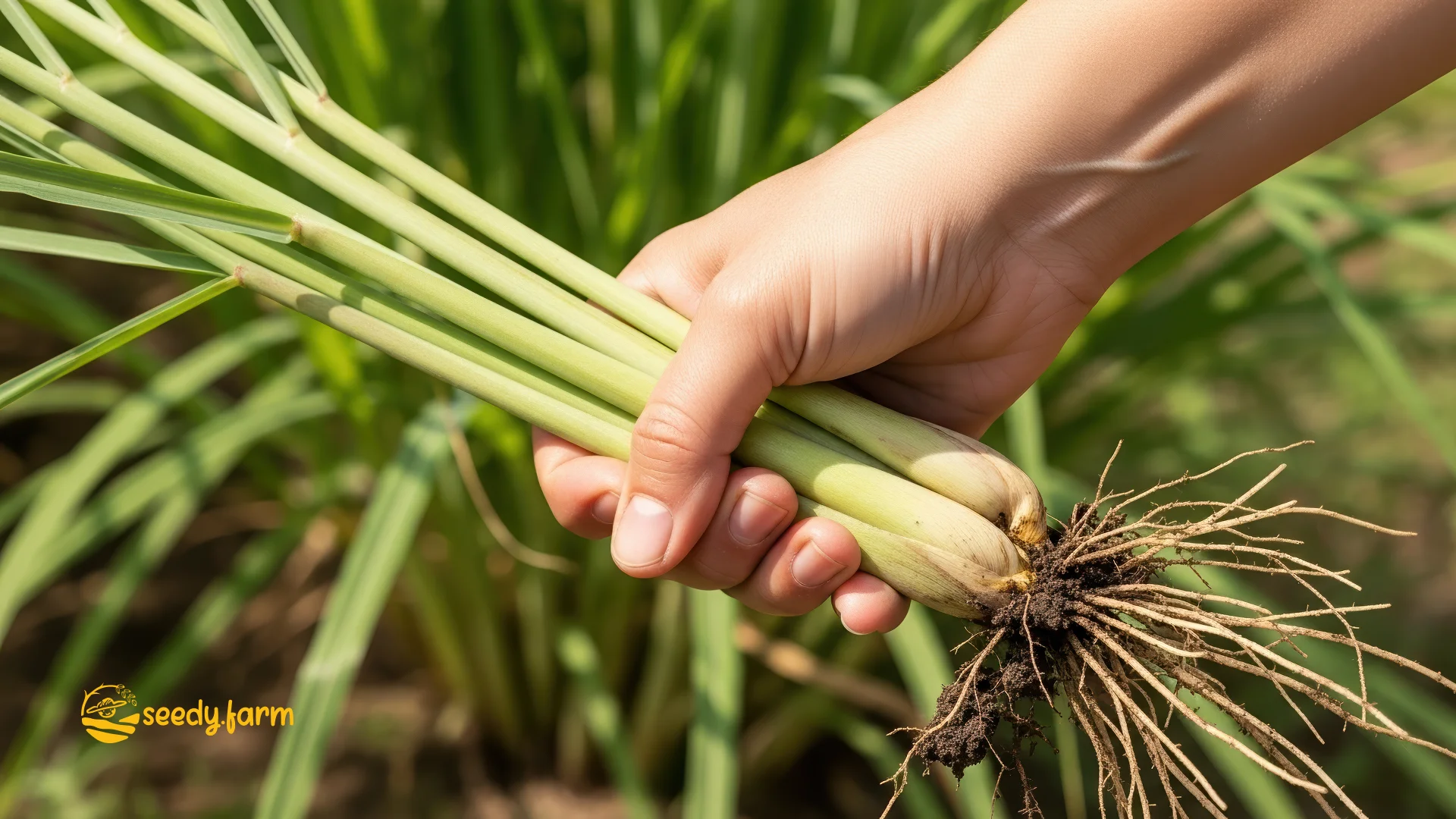
- Select Outer Stalks: Always harvest the thicker, more mature stalks from the outside of the clump. Leave the smaller, central stalks to continue growing.
- Twist and Pull: The best method is to grasp a stalk firmly at its base, bend it outward, and twist. It should snap off cleanly from the rhizome.
- Cut if Necessary: If twisting doesn’t work, use a sharp, sturdy knife to cut the stalk at an angle, as close to the soil level as possible.
- Sustainable Harvest: As a rule of thumb, never harvest more than one-third of the clump at any given time. This ensures the plant has enough foliage to photosynthesize and recover quickly.
c. Harvesting Lemongrass Leaves vs. Stalks
This is a crucial distinction. The thick, lower 6-8 inches of the stalk are what you use for cooking—in curries, soups, and marinades. Peel away the tough outer layers to reveal the tender, pale heart. The long, green, fibrous leaves are too tough to eat, but they are packed with flavor and are excellent for making herbal tea or for adding to soup stocks (remove them before serving). You can snip the leaves at any time without harming the plant.
d. Harvesting Lemongrass Seeds
In most temperate climates, Cymbopogon citratus will not flower or produce seed. If you live in a tropical climate and your plant does flower, wait for the flower heads to dry and turn brown on the plant. Cut the entire head, place it in a paper bag, and shake to release the seeds. Store in a cool, dry, dark place.
2. Best Practices for Storing Fresh Lemongrass, Drying, or Freezing for Later Use
- Storing Fresh: Wrap unwashed stalks in plastic wrap or place them in a zip-top bag. They will keep in your refrigerator’s crisper drawer for two to three weeks. You can also place them upright in a jar with an inch of water, like celery.
- Freezing (Best for Flavor Preservation): Freezing is the best way to store lemongrass long-term. Chop the tender stalk bases into one-inch pieces, place them in a single layer on a baking sheet to flash-freeze, then transfer them to a freezer bag. They will retain their potent flavor for at least six months. You can also purée the stalks with a little water and freeze the paste in ice cube trays.
- Drying: To dry, chop the stalks and leaves and spread them on a screen in a warm, airy place out of direct sun. You can also use a food dehydrator on a low setting. Once completely dry and brittle, store in an airtight jar. Dried lemongrass is best for teas and infusions, as it loses some of the complexity needed for cooking.
VI. Pest and Disease Management and FAQs for Growing Lemongrass
1. Pest and Disease Management
Thanks to its potent essential oils, lemongrass is a fortress against most pests and diseases. Problems are rare and usually indicate an environmental stressor.
a. Pests
The most common issue, especially on indoor or water-stressed plants, is spider mites.
- Spider Mites: These tiny arachnids thrive in hot, dry conditions. You’ll notice fine webbing on the leaves and a stippled, faded appearance. The best defense is to increase humidity and regularly spray the plant down with a strong jet of water, dislodging them.
- Insecticidal Soap: For a persistent infestation, a thorough spray with insecticidal soap is a safe and effective organic control. Ensure you coat the undersides of the leaves.
b. Diseases
The only significant disease risk is root rot, which is not caused by a pathogen but by a condition: poor drainage.
- Lemongrass Rust: In very humid climates, a fungal rust can appear as small, brown-orange spots on the leaves. It’s mostly a cosmetic issue. To manage it, ensure good air circulation by spacing plants properly and removing any dead, decaying leaves from the base of the clump. If necessary, a copper-based fungicide can be used.
- Root Rot: If the base of your plant is mushy and yellow, and it smells sour, it is suffering from root rot caused by waterlogged soil. It is often fatal. Prevention is the only cure: always plant in well-draining soil or containers.
Strategies to Minimize the Risk of Pests and Diseases
- Start with Healthy Plants: A vigorous plant is its own best defense.
- Right Plant, Right Place: Ensure full sun and excellent drainage. This prevents the two most common stressors: lack of energy and root rot.
- Promote Airflow: Space plants properly and clean out dead leaves from the center of the clump. Good air circulation is the enemy of fungal disease.
- Water Correctly: Water deeply but infrequently. Let the top layer of soil dry out between waterings. Check soil moisture with your finger before adding more water.
- Monitor Regularly: A quick weekly inspection will help you spot any potential issue before it becomes a major problem.
### 2. FAQs and Troubleshooting
Why isn’t my lemongrass growing?
- Likely Cause: Not enough sun, not enough heat, or not enough nitrogen. Lemongrass is a heavy feeder that needs full, direct sun to thrive.
- Solution: Move the plant to the sunniest location you have (at least 6 hours). If it’s warm enough (consistently above 65°F / 18°C), begin feeding with a high-nitrogen liquid fertilizer every few weeks during the growing season.
My lemongrass stalks are thin and spindly. What’s wrong?
- Likely Cause: This is a classic sign of insufficient sunlight. The plant is stretching, or etiolating, trying to find more light. It can also be a sign that the clump is too crowded and needs to be divided.
- Solution: Move it to a sunnier spot. If the clump is more than two years old or has filled its pot, divide it in the spring to give the individual plants more room to grow.
Why are the tips of my lemongrass turning brown and crispy?
- Likely Cause: This is most often a sign of inconsistent watering or low humidity. The plant is losing water from its leaves faster than it can absorb it from the roots.
- Solution: Water more deeply and consistently. While lemongrass is drought-tolerant, it looks its best with regular moisture. If growing indoors, group it with other plants or use a pebble tray with water to increase local humidity. It is not usually a cause for major concern.
Can lemongrass survive winter outdoors?
Only in USDA zones 10-11. In zone 9, it might survive a mild winter with a very heavy layer of mulch for protection, but it’s a risk. In zones 8 and colder, it must be brought indoors or treated as an annual.
#### Is it normal for lemongrass to flower?
It is normal in tropical climates, but rare for Cymbopogon citratus in temperate zones. Flowering does not harm the plant or affect the flavor of the stalks. If it happens, enjoy the unique sight! It’s a sign your plant is very happy.
Comments (0)
No comments yet. Be the first to share your thoughts.