 Skip to content
How to Grow and Care for Curry Trees: A Home Gardener’s Guide
Prized for its intensely aromatic leaves essential to South Asian cuisine, the Curry Leaf Tree is a rewarding plant for
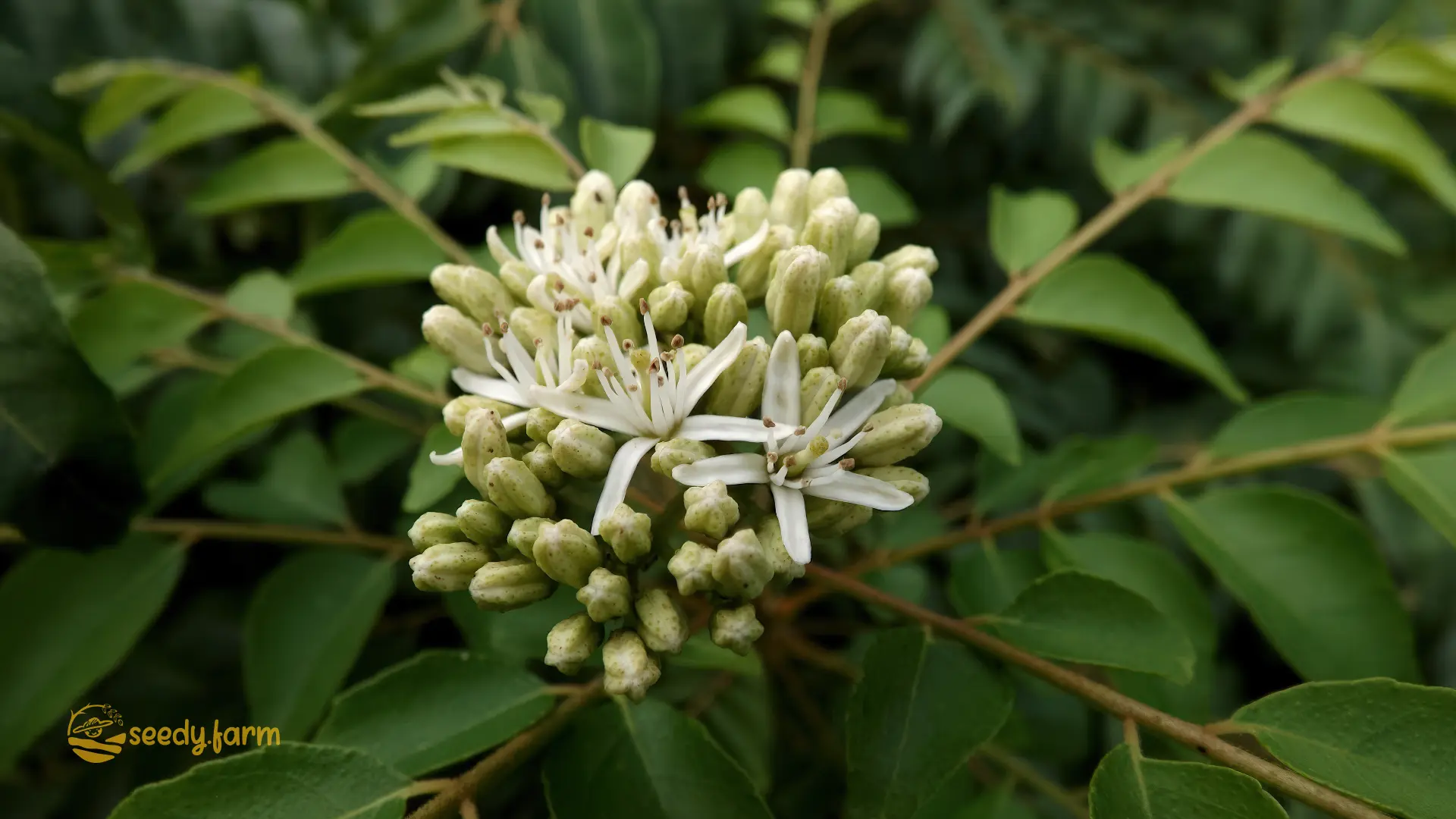
Prized for its intensely aromatic leaves essential to South Asian cuisine, the Curry Leaf Tree is a rewarding plant for home gardeners. Beyond its culinary value, this attractive evergreen, known scientifically as Murraya koenigii (or sometimes Bergera koenigii), offers glossy foliage and fragrant white flowers. Whether grown in a garden bed where climates permit or nurtured in a container, cultivating your own curry tree is achievable with the right approach. This guide provides clear, comprehensive information to help you succeed.
I. Understanding the Curry Leaf Tree (Murraya koenigii)
1. What It Is (and Isn’t)
Native to India, Sri Lanka, and surrounding regions, the curry leaf tree is a relatively fast-growing, small evergreen tree or large shrub belonging to the citrus family (Rutaceae). In its natural environment, it can reach heights of 6 to 20 feet (approx. 1.8 to 6 meters) with a spread of 4 to 12 feet (approx. 1.2 to 3.7 meters). However, when grown in containers or regularly pruned, it can be maintained at a much more manageable size, making it suitable for various garden settings and even indoor cultivation.
Its most prized feature is its highly aromatic foliage. The leaves are compound, meaning each leaf stalk holds multiple small, pointed leaflets (typically 11-21) arranged alternately along the central stem (pinnate arrangement). These glossy green leaflets release a distinctive, pungent, and spicy aroma when brushed or crushed – a complex scent sometimes described as citrusy or smoky, which adds an irreplaceable depth of flavor when cooked.
The tree produces clusters of small, white, fragrant, star-shaped flowers, primarily in spring, although flowering can sometimes occur sporadically through summer and fall, especially in warmer climates. Following pollination, these flowers develop into small, shiny, purplish-black berry-like fruits called drupes. While the fleshy pulp surrounding the seed is edible (reportedly sweet-tart and rich in Vitamin C) when fully ripe (dark purple/black), the single seed found inside each fruit is poisonous and must always be removed and discarded before consuming any part of the fruit pulp.
It’s critically important to distinguish the true curry leaf tree (Murraya koenigii) from plants with similar common names:
- *Curry Plant (Helichrysum italicum): This Mediterranean native, often found in herb gardens, has silvery-grey foliage, yellow flowers, and an aroma somewhat reminiscent of curry powder. However, it belongs to the daisy family (Asteraceae), tastes bitter, is not typically used in cooking*, and is unrelated to the curry leaf tree.
- Curry Powder: This is a familiar kitchen staple, but it’s a blend of ground spices, often including turmeric, cumin, coriander, fenugreek, and chili. While curry leaves are frequently used in dishes called curries, they are a distinct ingredient with a unique flavor profile and are not usually found in curry powder itself.
Common names for Murraya koenigii include curry tree, curry leaf plant, sweet neem, meethi neem, and kadhi patta. Be careful not to confuse it with the true Neem tree (Azadirachta indica), which is a completely different species with different uses and properties, although ‘sweet neem’ points to a familial resemblance in leaf appearance.
Table 1: Curry Leaf Tree (Murraya koenigii) Plant Specifications
| Specification | Details |
|---|---|
| Botanical Name | Murraya koenigii (syn. Bergera koenigii) |
| Common Names | Curry Leaf Tree, Curry Tree, Sweet Neem, Kadhi Patta, Meethi Neem |
| Family | Rutaceae (Citrus Family) |
| Plant Type | Evergreen shrub or small tree |
| Hardiness Zones (USDA) | 9-12 (Requires frost protection in Zone 9; container growing needed in colder zones) |
| Mature Size (Standard Type, Unpruned) | Height: 6-20 ft (1.8-6 m); Spread: 4-12 ft (1.2-3.7 m). Dwarf/Gamthi varieties are significantly smaller. |
| Light Requirements | Full sun (minimum 6-8 hours direct sunlight per day) |
| Soil pH | Slightly acidic (Ideal: 5.6 – 6.5) |
| Soil Type | Fertile, well-draining soil. Dislikes waterlogged conditions. |
| Water Needs | Moderate. Allow top 1-2 inches (2.5-5 cm) of soil to dry between thorough waterings. Reduce significantly in winter. |
| Temperature Tolerance | Prefers warm temperatures (65°F-85°F / 18°C-29°C). Frost sensitive; avoid temperatures below 40°F (4°C). |
| Flower | Small, white, fragrant, star-shaped clusters, typically in spring. |
| Fruit | Small, shiny, purplish-black drupes (berries). Pulp is edible when fully ripe. |
| Seed Toxicity | The seed inside the fruit is POISONOUS and must NOT be consumed. |
| Primary Use | Aromatic leaves used extensively in cooking. |
| Propagation | Stem cuttings (recommended, easier), Seeds (challenging, slow germination), Root suckers (sometimes). |
### 2. Varieties for Your Garden
While not always clearly labeled, there are generally three main types or morphotypes recognized by growers, differing primarily in growth habit and leaf characteristics:
- Regular: This is the most common type, known for its vigorous, relatively fast growth, often developing into a small tree if unpruned. Its leaves are the standard size often found in markets. It’s well-suited for outdoor planting in suitable climates (USDA Zones 9-12) or large containers.
- *Dwarf (‘Dwarf’):* This variety typically grows shorter but tends to spread wider than the regular type, forming a denser shrub. Its leaves are often slightly longer and may be a lighter shade of green. It’s a good choice for medium-to-large containers, generally staying under 3-5 feet (approx. 0.9-1.5 meters) tall with pruning.
- *Gamthi (Miniature or ‘Gamthi’):* This is the most compact and slowest-growing variety, sometimes reaching only 1-3 feet (approx. 30-90 cm) in height even when mature. Its leaves are typically smaller, thicker, and darker green, possessing what many consider the strongest and most desirable aroma. Its slow growth and small stature make it exceptionally well-suited for indoor growing and smaller containers.
II. Establishing Your Curry Tree
1. Planting Your Curry Tree
a. Ideal Location and Climate
- Curry trees are sun-lovers and thrive in conditions mimicking their native tropical and subtropical habitats. Excellent drainage is paramount regardless of planting method. They generally prefer fertile soil that is slightly acidic, with a soil pH ideally ranging from 5.6 to 6.5 (though they can tolerate up to 6.9).
- Outdoors: Choose the sunniest available location in your garden. Protection from strong, damaging winds is also beneficial, as the wood can sometimes be brittle. This plant is reliably hardy in USDA zones 9-12. In zone 9, providing some winter protection during occasional frosts (e.g., covering with frost cloth, planting near a south-facing wall) is advisable. It is highly sensitive to frost and will not survive prolonged freezing temperatures.
- Indoors/Containers in Colder Climates: In colder climates (below Zone 9), growing curry trees in containers is essential. This allows you to move the plant indoors to a protected, sunny spot during winter.
b. Growing in the Ground
- Soil Preparation: If your garden soil is heavy clay or drains poorly, amend it generously by incorporating organic matter like well-rotted compost or manure, and potentially coarse sand or perlite to improve its structure and drainage. Raising the planting bed slightly can also help ensure water doesn’t pool around the roots.
- Planting Time: The optimal time to plant a curry tree outdoors is in the spring, after the danger of frost has passed and the soil begins to warm up. This allows the plant the entire growing season to establish its root system.
c. Growing in Containers
- Choosing a Pot: Dwarf and Gamthi varieties are particularly well-suited for containers due to their compact size. Always use pots with adequate drainage holes. Unglazed terracotta pots breathe well and help the soil dry out faster, reducing the risk of overwatering, but they require more frequent watering than plastic pots.
- Potting Mix: Use a high-quality, well-draining potting mix. Many commercial mixes designed for cacti and citrus work well. A blend containing peat moss or coir, perlite, and compost is suitable. For larger plants that might become top-heavy, incorporating some loam-based compost can add weight and stability. Using a peat-free mix is a more sustainable option where available. Ensure the container has multiple, unobstructed drainage holes.
- Initial Pot Size & Repotting: Start young plants in relatively small pots (e.g., 4-6 inch / 10-15 cm) and gradually increase the size as they grow. A newly purchased dwarf type might go into a 2-3 gallon (approx. 7.5-11 L) container, while a Gamthi might stay in a 1-gallon (approx. 3.8 L) pot for a year or more. Repot your curry tree in the spring every 1-3 years, or when it becomes rootbound (roots circling the bottom of the pot or emerging from drainage holes). Move it into a pot that is only one size larger (e.g., from a 6-inch / 15 cm to an 8-inch / 20 cm pot). Using a pot that is too large can lead to waterlogged soil. Refresh the potting mix during repotting.
- Mature Size & Maintenance: A standard curry tree grown long-term in a container might eventually need a 15-30 gallon (approx. 57-114 L) pot if allowed to reach a large size. Dwarf types might max out in 5-10 gallon (approx. 19-38 L) pots, and Gamthi in 3-5 gallon (approx. 11-19 L) pots. To maintain a plant at a specific size, you can perform root pruning during repotting: remove the plant, trim off roughly the outer inch or two (approx. 2.5-5 cm) of the root ball (up to one-third), prune the top growth slightly to compensate, and repot back into the same container with fresh potting mix.

2. Propagation Methods
a. Starting from Cuttings (Recommended)
This method produces a clone of the parent plant and typically results in a harvestable plant much sooner than growing from seed.
- Select a healthy, semi-hardwood stem (not brand new green growth, nor old woody growth) from the parent plant, ideally in spring or summer. Aim for a cutting about 4-6 inches (approx. 10-15 cm) long. Use sharp, sterilized pruners or a knife.
- Carefully remove the leaves from the lower half of the cutting, ensuring at least 2-3 leaves or leaf sets remain at the top.
- (Optional but helpful) Dip the cut end into a rooting hormone powder or gel, tapping off any excess.
- Fill small pots (e.g., 3-4 inch / 8-10 cm) with a moist, well-draining propagation medium (e.g., a mix of perlite and peat/coir, or sterile seed-starting mix).
- Make a small hole in the medium with a pencil or dibber and insert the cut end of the stem about 1-2 inches (approx. 2.5-5 cm) deep. Gently firm the medium around the stem.
- Place the pot(s) in a warm location (ideally 70-80°F / 21-27°C) with bright, indirect light. Avoid direct sunlight, which can scorch the cutting.
- Keep the propagation medium consistently moist but not saturated. Covering the pot loosely with a clear plastic bag or placing it in a propagator can help maintain high humidity, which aids rooting. Ensure some ventilation to prevent mold. Misting the leaves occasionally can also help.
- Roots typically begin to form within 3-6 weeks, though it can sometimes take longer. You can check for rooting by gently tugging on the cutting; resistance indicates root development. Avoid disturbing it unnecessarily.
- Once the cutting has developed a good root system (visible roots if using a clear container, or new top growth appears), gradually acclimate it to lower humidity. Transplant carefully into a slightly larger pot with regular potting mix. If moving outdoors, ensure it’s properly hardened off first (see Section III.1.e).
b. Growing from Seed (More Challenging)
Propagating curry trees from seed is possible but often frustrating due to slow and erratic germination. Seeds also lose viability quickly, so freshness is key. Furthermore, seed-grown plants take several years to reach a size suitable for harvesting. If you wish to try:
- Use Fresh Seed: The best chance of success comes from seeds extracted from freshly ripened (dark purple/black) berries. Soak the berries in water for 24 hours, then gently rub off all the pulp to reveal the seed inside. Wash hands thoroughly afterward as the seed is toxic.
- Prepare Dried Seed: If using commercially sourced or dried seeds, they often have a hard outer coating that inhibits germination. Scarification (slightly damaging the seed coat) may help. You can try gently rubbing the seed between coarse sandpaper or carefully nicking the coat with a file, being cautious not to damage the embryo inside. Soaking dried seeds in warm water for 24 hours before sowing may also improve hydration.
- Sowing: Sow seeds about 1/2 inch (approx. 1.3 cm) deep in a pot filled with sterile, moist seed-starting mix. Plant several seeds per pot or in individual cells, as germination rates can be low.
- Conditions: Maintain consistent moisture (damp, not wet) and warmth. Soil temperatures of at least 70°F (approx. 21°C), ideally closer to 80°F (approx. 27°C), are needed for germination. Using a heat mat underneath the pot is highly recommended, especially in cooler environments. Covering the pot with plastic wrap or a dome helps retain humidity, but provide some ventilation.
- Germination: Be patient. Germination can take anywhere from 2 weeks to several months, or may not occur at all. Once seedlings emerge, provide bright, indirect light and continue to keep the soil moist. Thin to the strongest seedling per pot if multiple sprout.
- Natural Seedlings: Occasionally, seeds dropped from a mature plant will sprout naturally underneath it. These small seedlings can be carefully dug up and potted into individual containers.
III. Cultivation and Maintenance
1. Essential Curry Tree Care
a. Light Needs
Maximum sunlight exposure translates to the best growth and the most flavorful, abundant foliage. Outdoors: Aim for at least 6-8 hours of direct sunlight per day. Indoors: Place your container plant in the brightest location possible, typically a south-facing window (in the Northern Hemisphere). If adequate natural light isn’t available, especially during winter, supplementing with a grow light can significantly benefit the plant’s health. Exception: Very young plants (under one year old) or plants newly moved outdoors might benefit from some light afternoon shade in extremely hot climates (consistent temperatures above 100°F / 38°C) to prevent leaf scorch.
b. Watering Wisely
Proper watering is crucial and often where new growers encounter issues. Curry trees prefer a cycle of thorough watering followed by a period where the soil surface dries out. Establishment: Water newly planted trees regularly (perhaps every few days, depending on weather) for the first couple of months to encourage root development. Established Plants (Ground): Once established, they are moderately drought-tolerant. Water deeply when the top few inches (approx. 5-8 cm) of soil feel dry to the touch. Frequency will depend heavily on rainfall, temperature, and soil type. Container Plants: Plants in pots dry out much faster than those in the ground. Check the soil moisture daily during hot weather. Water thoroughly whenever the top 1-2 inches (approx. 2.5-5 cm) of the potting mix feel dry. Allow excess water to drain completely from the pot saucer; never let the pot sit in standing water. Overwatering: This is a common killer, especially in containers during cooler months. Symptoms include yellowing leaves, wilting (despite moist soil), and leaf drop. Always check soil moisture before watering. Winter Watering: Significantly reduce watering during winter, especially if the plant is dormant or indoors in cooler temperatures. The plant’s water needs decrease dramatically. Water just enough to prevent the soil from drying out completely.
c. Temperature and Humidity
Curry trees revel in warmth and humidity. Their ideal growing temperatures are between 65°F and 85°F (approx. 18°C – 29°C). They are sensitive to cold and intolerant of frost. Cold Tolerance: While a mature tree might survive a brief, light frost (down to about 30°F / -1°C) with some leaf damage, temperatures consistently below 40°F (approx. 4°C) will trigger dormancy (leaf yellowing and shedding) or cause significant harm. Bring container plants indoors well before the first expected frost if overwintering. Dormancy: If your tree yellows and drops leaves in the cool fall weather before being moved inside, don’t panic. This is often natural dormancy triggered by shorter days and cooler temperatures, not necessarily a sign the plant is dying. Growth will typically resume with the return of warmth and longer daylight hours in spring. Humidity: While they tolerate average household humidity, curry trees appreciate higher levels. Indoors, especially during dry winter heating, using a humidifier, grouping plants together, or placing the pot on a pebble tray filled with water (ensuring the pot bottom doesn’t touch the water) can help. Good air circulation is also important to prevent fungal issues.
d. Fertilizing Your Tree
Feed your curry tree during its active growing season (spring through summer) to support healthy foliage production. Avoid fertilizing during winter dormancy. Over-fertilizing can be harmful.
- Organic Approach (Recommended): Top-dressing with compost or well-rotted manure once or twice a year (spring and mid-summer) provides slow-release nutrients and improves soil structure. Supplementing with a balanced organic liquid fertilizer (like fish emulsion or seaweed extract, diluted according to instructions – e.g., fish fertilizer often suggests around 3 tbsp per gallon / 45 mL per 3.8 L) every 4-6 weeks during peak growth can be beneficial, especially for container plants which have limited soil volume.
- Conventional Fertilizers: If using synthetic fertilizers, choose a balanced formula (e.g., 10-10-10) or one slightly higher in nitrogen for foliage growth. Slow-release granules applied in spring can feed the plant for several months. Alternatively, use a diluted liquid fertilizer every 4-6 weeks during active growth. Always follow package instructions carefully to avoid burning the roots. Reduce the amount recommended for container plants by half initially.
- Iron Deficiency (Chlorosis): Curry trees are sometimes prone to iron deficiency, especially in alkaline soils or when overwatered. This typically appears as yellowing leaves with prominent dark green veins. If you suspect this, applying chelated iron or iron sulfate (e.g., around 2 tablespoons / 30 mL of 20% iron sulfate, check product label) according to product directions can help. Foliar sprays of chelated iron provide a quicker but temporary fix. Addressing potential overwatering or soil pH issues is also important for long-term correction.
e. Overwintering Indoors (For Container Plants in Zones 8 and colder)
Containerized curry trees must be brought indoors before the first frost arrives in autumn. Preparation: Critically inspect the plant for any pests (check undersides of leaves, stems, and soil surface) several weeks before bringing it inside. It’s highly recommended to proactively treat the plant to prevent bringing infestations indoors. Spray thoroughly with insecticidal soap or horticultural oil (following label directions) 2-3 times, spaced about 5-7 days apart, covering all plant surfaces. This helps catch pests at different life stages. Gently rinse the foliage before the final move indoors. Location: Place the pot in the sunniest, brightest window available, typically a south-facing one (in the Northern Hemisphere). Maximize direct sunlight exposure. If light is insufficient, consider using a grow light. Keep the plant away from drafty windows or heating vents. Indoor Care: Reduce watering frequency significantly, especially if the plant enters dormancy and drops leaves. Allow the top 1-2 inches (approx. 2.5-5 cm) of soil to dry out completely before watering moderately. Do not fertilize during the winter months (typically October through March). Monitor for pests like spider mites, which thrive in dry indoor air; increasing humidity around the plant can help deter them. Transitioning Back Outdoors (Spring): When all danger of frost has passed in spring and nighttime temperatures consistently stay above 45-50°F (approx. 7-10°C), begin to reintroduce your plant to outdoor conditions. This process, called hardening off, is crucial to prevent shock, sunburn, and wind damage. Start by placing the plant in a shaded, protected spot outdoors for just an hour or two on the first day. Gradually increase the duration and exposure to direct sunlight over 7-14 days before moving it to its final sunny summer location.
2. Pruning for Health and Harvest
a. Encouraging Bushy Growth
Curry trees naturally tend to grow upright and can become tall and leggy, especially if light is limited. Pruning encourages branching and creates a fuller, more productive plant. Young Plants: When the plant is young (e.g., 6-12 inches / 15-30 cm tall), pinch off the very tip of the main growing stem. This removes apical dominance and encourages dormant buds lower down the stem to sprout, creating multiple branches. Mature Plants: Regularly pinch or prune the tips of longer branches during the growing season (spring/summer). This stimulates the growth of side shoots, leading to a denser canopy.
b. Maintenance Pruning
Throughout the year, remove any dead, damaged, or diseased branches promptly using clean, sharp pruners. Also, remove any yellowed or dead leaves. This improves air circulation and directs the plant’s energy towards healthy growth. Prune to maintain the desired size and shape, particularly for container plants or before moving them indoors for winter. Curry trees generally tolerate pruning well, even significant reduction if necessary, and will typically resprout vigorously.
c. Managing Flowers and Fruit
 The decision to allow flowering and fruiting depends on your priority: leaves or aesthetics/fruit.
For Maximum Leaf Production: Pinch off the flower buds as soon as they appear (usually in spring). Flowering and fruiting require significant energy from the plant, which detracts from vegetative (leaf) growth. Removing flowers is especially recommended for young plants (first 1-2 years) to help them focus energy on establishing a strong root system and framework.
For Flowers/Fruit: If you enjoy the fragrant flowers or wish to harvest the fruit pulp (remembering the seed inside is poisonous!), allow the flowers to develop. Be aware that this will likely result in less vigorous leaf growth during that period. Ripe fruits are attractive to birds, which can help spread seeds (potentially unwanted seedlings) in your garden.
The decision to allow flowering and fruiting depends on your priority: leaves or aesthetics/fruit.
For Maximum Leaf Production: Pinch off the flower buds as soon as they appear (usually in spring). Flowering and fruiting require significant energy from the plant, which detracts from vegetative (leaf) growth. Removing flowers is especially recommended for young plants (first 1-2 years) to help them focus energy on establishing a strong root system and framework.
For Flowers/Fruit: If you enjoy the fragrant flowers or wish to harvest the fruit pulp (remembering the seed inside is poisonous!), allow the flowers to develop. Be aware that this will likely result in less vigorous leaf growth during that period. Ripe fruits are attractive to birds, which can help spread seeds (potentially unwanted seedlings) in your garden.
3. Managing Pests and Problems
a. Common Pests
Pests are often more problematic on indoor plants due to the lack of natural predators.
- Spider Mites: These tiny arachnids are difficult to see but reveal their presence through fine webbing, especially between leaves and stems, and stippled (pinprick yellow dots) or yellowing leaves. They thrive in hot, dry conditions. Check leaf undersides carefully.
- Scale Insects: Appear as small, immobile bumps or shells, usually brown or grey, attached to stems and sometimes leaves. They suck sap, weakening the plant. Some types produce sticky honeydew, which can lead to sooty mold.
- Asian Citrus Psyllid (and other Psyllids): Small, winged insects (about the size of an aphid, roughly 1/8 inch or 3-4 mm) that jump or fly when disturbed. Nymphs are flat, yellowish, and often produce waxy tubules. They feed on new growth, causing distortion, yellowing, and potential dieback. Critically, the Asian Citrus Psyllid is the vector for Citrus Greening disease (HLB). Strict monitoring and control are vital, especially in citrus-growing regions.
- Mealybugs: Small, oval insects covered in a white, cottony wax. They cluster in protected areas like leaf axils (where leaves join stems) and under leaves, sucking sap and producing honeydew.
- Aphids: Small, pear-shaped, soft-bodied insects, often green, black, or brown. They typically cluster on tender new growth and flower buds, sucking sap and causing distortion. They also excrete honeydew.
Sustainable Control Methods:
- Monitoring: Regularly inspect your plants (at least weekly), paying close attention to new growth and leaf undersides.
- Physical Removal: A strong spray of water from a hose can dislodge spider mites and aphids. Mealybugs and scale can sometimes be wiped off with a cotton swab dipped in rubbing alcohol (test on a small area first).
- Insecticidal Soap & Horticultural Oil: These are effective contact insecticides for most soft-bodied pests (mites, aphids, mealybugs, psyllid nymphs, scale crawlers). They work by smothering or disrupting the insect’s outer layer. Thorough coverage, including undersides of leaves, is essential. Repeat applications are usually necessary as they don’t have residual effect and don’t kill eggs. Always follow label instructions.
- Neem Oil: Derived from the Neem tree (Azadirachta indica – unrelated to curry leaf!), this acts as an insecticide, miticide, and fungicide. It has some repellent and anti-feeding properties and can disrupt insect growth. Effective against aphids, mites, mealybugs, and psyllids. Follow label directions; apply in cooler parts of the day to avoid potential leaf burn.
- Encourage Beneficial Insects (Outdoors): Ladybugs, lacewings, parasitic wasps, and predatory mites feed on many common pests. Avoid broad-spectrum pesticides that harm these allies. Planting diverse flowers nearby can attract them.
- Sticky Traps: Yellow sticky traps can help monitor and capture winged pests like aphids and psyllids, especially indoors or in greenhouses.
- Biological Insecticides: Products containing beneficial fungi like Beauveria bassiana (e.g., BotaniGard) can be effective against aphids, mites, thrips, and psyllids when used correctly.
- Systemic Insecticides: While effective, systemic insecticides (absorbed by the plant) are generally not recommended for edible plants like curry trees due to potential residue in the leaves. Stick to contact sprays and cultural controls.
b. Common Problems
- Droopy/Wilting Leaves (Potted Plants): Paradoxically, this is most often caused by overwatering leading to root suffocation or rot, rather than underwatering. Check the soil moisture. If soggy, allow it to dry out significantly before watering again. Ensure drainage holes are clear. If root rot is suspected (foul smell, mushy roots), repotting into fresh, dry mix after trimming away dead roots may be necessary. Underwatering can also cause wilting, but the soil will be clearly dry.
- Leaf Drop: Can be natural dormancy triggered by cool temperatures or shorter days in fall/winter. Can also result from sudden changes in environment (light, temperature), overwatering, underwatering, or severe pest infestation. Assess conditions and address the likely cause.
- Yellow Leaves with Green Veins (Chlorosis): Classic sign of iron deficiency, often exacerbated by alkaline soil (high pH) or consistently wet soil which impairs iron uptake. Apply chelated iron or iron sulfate as described in the Fertilizing section (III.1.d). Ensure proper watering practices.
- Leaf Spot: Fungal or bacterial infections can cause brown, black, or yellowish spots on leaves, sometimes with halos. Severe cases can weaken the plant. Improve air circulation through pruning and proper spacing. Avoid overhead watering; water the soil directly. Remove and dispose of affected leaves promptly. Ensure good drainage. Avoid excessive fertilization. In persistent cases, a copper-based or broad-spectrum organic fungicide might be considered, applied preventatively in spring.
- Citrus Greening (Huanglongbing or HLB): This is a devastating, incurable bacterial disease primarily affecting citrus trees, but Murraya koenigii is also susceptible as a member of the Rutaceae family. It is spread exclusively by the Asian Citrus Psyllid. Symptoms are varied but can include blotchy, asymmetrical yellowing of leaves (mottling), stunted growth, poor flowering, and eventual plant death. Due to the serious threat of HLB, many regions (including parts of the US, UK, EU) have strict quarantines and regulations on the movement and importation of curry leaf plants, fresh leaves, and related citrus species. Always source your plants from reputable, certified nurseries, especially if you live in a citrus-growing area. Be vigilant about monitoring for and controlling psyllids. If HLB is suspected, contact your local agricultural extension office immediately for guidance.
IV. Harvesting and Using Curry Leaves
The reward for your care is a supply of fresh, aromatic leaves right at your fingertips!

1. When and How to Harvest
Allow your plant to become well-established before starting regular harvests. This usually means waiting until at least the second year, especially for standard types. Dwarf and Gamthi varieties, being slower growing, may need even longer (up to 3-5 years for Gamthi) before substantial harvesting is advisable. Young plants need energy to grow strong roots and stems. Harvesting itself stimulates new growth, promoting a bushier plant. There are two main approaches:
- Pick-as-you-need: Pluck individual leaflets or entire compound leaves (the whole stalk with multiple leaflets) directly from the stem as required for cooking. This is suitable for small, frequent needs.
- Branch Pruning Harvest: For larger quantities or to encourage vigorous regrowth, prune entire sprigs or branches using sharp, clean scissors or pruners. Cut the branch back by several inches (a few cm), leaving a few inches (a few cm) of stem base attached to the main plant for resprouting. This method is best done 2-3 times during the active growing season (spring/summer).
Important Rule for Harvesting
Never remove more than 50% of the plant’s total leaves at any single time. Over-harvesting can severely stress or even kill the plant. Harvest from different parts of the plant to maintain a balanced shape. Tender, young leaves generally have the brightest flavor, but mature leaves are also perfectly usable.
### 2. Culinary Uses
Fresh curry leaves offer the most vibrant and complex flavor – a unique blend described as citrusy, smoky, slightly bitter, and pungent, completely different from curry powder. They are a cornerstone ingredient in South Indian, Sri Lankan, and other Southeast Asian cuisines. Common uses include:
- Tempering (Tadka/Tarka): Sautéing fresh leaves (often with mustard seeds, cumin seeds, and chilies) in hot oil or ghee at the beginning of cooking is a fundamental technique. This infuses the oil with flavor and is added to dishes like dals (lentils), vegetable stir-fries, soups, stews, and chutneys.
- Flavoring Base: Adding whole leaves (like bay leaves) to simmer in sauces, curries, rice dishes (like biryani or pulao), or soups. They can be removed before serving or eaten.
- Incorporated into Doughs/Batters: Finely chopping fresh leaves and adding them to bread dough (like roti or naan), savory pancake batters (like dosa or uttapam), or fritters (pakoras).
- Garnishes: Frying leaves in hot oil until crisp creates a delicious, crunchy garnish for various dishes.
- Infusions: Flavoring yogurt drinks (like spiced buttermilk or lassi), marinades, or pickles.
Generally, add leaves early in the cooking process to allow their flavor to fully infuse.
Curry Leaves (Fresh) Nutritional Facts (Approximate Values)
Note: Nutritional values can vary based on growing conditions, soil, and leaf maturity. Data below is approximate per 100 grams (about 3.5 ounces) of fresh leaves. Always consult reliable nutritional databases for precise information.
| Nutrient | Amount per 100g |
|---|---|
| Calories | ~ 108 kcal |
| Carbohydrates | ~ 18.7 g |
| Dietary Fiber | ~ 6.4 g |
| Sugars | (Variable, generally low) |
| Protein | ~ 6.1 g |
| Fat (Total) | ~ 1.0 g |
| Vitamin A (as Beta-carotene) | ~ 7560 IU (or ~ 425 mcg RAE) – High |
| Vitamin B1 (Thiamine) | ~ 0.08 mg |
| Vitamin B2 (Riboflavin) | ~ 0.21 mg |
| Vitamin B3 (Niacin) | ~ 2.3 mg |
| Vitamin B9 (Folate) | ~ 94 mcg |
| Vitamin C | ~ 4.0 mg (Lower than often claimed, can degrade quickly) |
| Vitamin E | Present, amount varies |
| Calcium | ~ 830 mg – Very High |
| Iron | ~ 0.9 – 7.0 mg (Highly variable, often reported lower in fresh leaves) |
| Magnesium | ~ 44 mg |
| Phosphorus | ~ 110 mg |
| Potassium | ~ 100 mg |
| Copper | ~ 0.1 mg |
| Manganese | ~ 0.15 mg |
| Zinc | ~ 0.2 mg |
| Water | ~ 63.8 g |
### 3. Storing Your Harvest
 While fresh leaves offer the absolute best flavor, they can be preserved for later use:
- Refrigeration (Short-term): Place unwashed fresh leaves (still on their stems if possible) in an airtight container or a zip-top bag lined with a paper towel to absorb excess moisture. Store in the refrigerator’s crisper drawer. They should last for 1-2 weeks, possibly longer. Wash just before using.
- Freezing (Medium-term): This method preserves flavor better than drying. Wash and thoroughly pat the leaves dry. You can freeze them directly in an airtight freezer bag, pressing out as much air as possible. Alternatively, lightly coat the dry leaves with a neutral vegetable oil (about 1 tbsp per cup of leaves / 15 mL per approx. 240 mL leaves) before freezing in bags; this can help retain color and aroma. Frozen leaves can be used directly in cooking (no need to thaw) for up to 4-6 months. They will lose their fresh texture but retain good flavor.
- Drying (Long-term): Air-drying produces the mildest flavor. Spread leaves in a single layer on a tray or screen in a warm, dry, well-ventilated place away from direct sunlight until completely brittle. Alternatively, use a food dehydrator on a low setting. Store the dried leaves (whole or crumbled) in an airtight container in a cool, dark place. They can last for several months up to a year, but their pungent aroma diminishes significantly over time.
Fresh is always preferred when available, so harvest from your plant as needed!
V. Key Information and FAQs
1. Important Considerations
a. Seed Toxicity – A Crucial Reminder
It bears repeating: while the fleshy pulp of the fully ripe (dark purple/black) curry tree fruit is considered edible by some cultures (though often spat out after chewing), the single seed contained within each fruit is poisonous to humans and pets. Never consume the seed. Always remove and discard it carefully if handling the fruits.

b. Botanical Names: Murraya vs. Bergera
You will likely encounter the curry leaf tree listed under two scientific names: Murraya koenigii and Bergera koenigii. Murraya koenigii is the older, widely recognized name. However, based on recent genetic studies, some botanists have reclassified it into the genus Bergera. Both names refer to the exact same plant. For practical gardening purposes, Murraya koenigii is still commonly used and understood.
c. Medicinal Notes (For Information Only)
Curry leaves have a rich history in traditional medicine systems, particularly Ayurveda and Siddha, where they have been used for various purposes, including aiding digestion, managing blood sugar levels, treating skin conditions (used topically as a paste for bruises, bites, or eruptions), and as a general health tonic. Scientific research indicates they contain various beneficial compounds, including antioxidants, vitamins (like A, B, C, E), iron, and potentially possess antimicrobial, anti-inflammatory, and hypoglycemic properties. However, this guide focuses strictly on the horticultural aspects of growing the plant. Always consult qualified healthcare professionals for medical advice and treatment; do not rely on plant-based remedies without professional guidance.
2. Frequently Asked Questions (FAQ)
- Why are my curry tree leaves turning yellow? Yellowing can have several causes. If the veins remain green, it’s likely iron deficiency (chlorosis) – see Section III.1.d. General yellowing, especially on lower leaves, can indicate overwatering (check soil moisture!), underwatering (soil will be dry), or nutrient deficiency (feed during growing season). Yellowing and dropping in fall/winter indoors is often natural dormancy. Sudden yellowing can indicate stress from pests or environmental change.
- Can I grow a curry tree indoors year-round? Yes, especially the Dwarf or Gamthi varieties. You’ll need a very sunny window (south-facing preferred) or supplemental grow lights. Ensure good drainage, careful watering (especially in winter), and monitor for pests. See Section III.1.e for overwintering tips which apply year-round indoors.
- Is the fruit edible? The fleshy pulp of the fully ripe (dark purple/black) berry is edible, though not widely consumed. However, the seed inside is poisonous and must always be removed and discarded.
- How often should I prune my curry tree? Light pruning (pinching tips) can be done during the growing season to encourage bushiness (Section III.2.a). Heavier pruning for shape or harvesting larger amounts is best done 2-3 times in spring/summer (Section III.2.b). Remove dead/damaged wood anytime. Avoid heavy pruning just before winter.
- My curry leaves don’t smell strong. Why? Leaf aroma is strongest in fresh, young-to-mature leaves grown in full sun. Factors like insufficient sunlight, plant stress (pests, poor watering), nutrient deficiency, or using old/dried leaves can result in milder fragrance. Gamthi variety is often considered the most aromatic.
Growing your own curry leaf tree is a delightful way to ensure a ready supply of fresh, intensely flavored leaves for your culinary adventures, while also adding an attractive and fragrant plant to your home or garden landscape. By understanding its needs for sun, warmth, good drainage, and proper care, you can successfully cultivate this rewarding plant and enjoy its unique contribution for many years. Happy gardening!
Comments (0)
No comments yet. Be the first to share your thoughts.