 Skip to content
A Practical Guide to Using Baking Soda in the Garden
A good tool, used correctly, can make all the difference. Baking soda, or sodium bicarbonate (NaHCO₃), is one such tool.
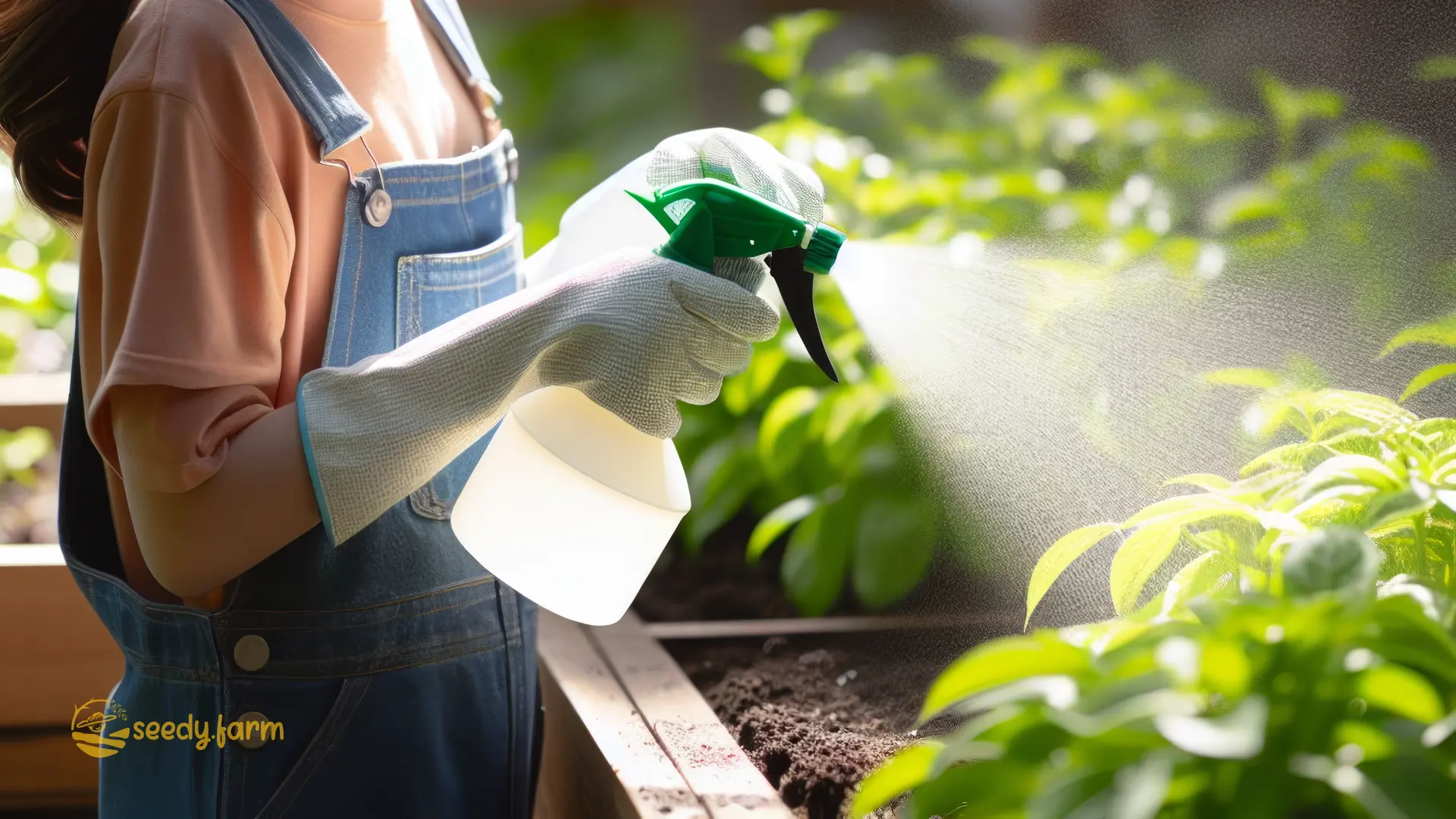
A good tool, used correctly, can make all the difference. Baking soda, or sodium bicarbonate (NaHCO₃), is one such tool. While it’s not the miracle cure some claim, understanding its specific strengths—and its significant limitations—can make it a valuable, low-cost addition to your plant care routine. Let’s separate the science from the folklore and learn how to use it effectively.
I. Benefits of Baking Soda in Gardening
1. Pest Control
- Understanding the Mechanism: Baking soda is not a conventional insecticide. Its effect on pests is primarily as a desiccant, meaning it can draw moisture from the delicate bodies of some soft-bodied insects like aphids and spider mites, or as a mild abrasive. It is most effective when combined with a surfactant.
- The Essential Role of Surfactants: A surfactant is a substance that helps a liquid spread across a surface and stick to it. For a baking soda spray to be effective, you must include one. A few drops of pure castile soap or a commercial horticultural soap per gallon of water breaks the surface tension, allowing the solution to coat leaves and pests rather than beading up and rolling off. Avoid dish detergents with degreasers or bleach, as these can harm plants.
Recipe: Pest Deterrent Spray
Ingredients:
- 1 tablespoon baking soda
- ½ teaspoon pure castile soap or horticultural soap (as a surfactant)
- 1 gallon of water
Instructions:
- Combine all ingredients in a clean sprayer and mix thoroughly until the baking soda is completely dissolved.
- Apply as a fine mist to the tops and undersides of leaves where pests are present. This spray makes the leaf surface less palatable to chewing insects and can desiccate soft-bodied pests.
- Apply in the early morning or on an overcast day. Reapply every 7-14 days as needed, and after rain.
### 2. Fungal Disease Prevention
- Primary Horticultural Use: This is the most reliable and scientifically supported use for baking soda in the garden. It acts as a preventative—or protectant—fungicide, particularly against powdery mildew.
- How It Works: Baking soda works by altering the pH on the leaf surface. When dissolved in water, it creates a mild alkaline solution (pH of 8.0-8.5). Fungal spores, like those of powdery mildew, require a relatively neutral pH to germinate and grow. The alkaline coating created by a baking soda spray makes the leaf surface inhospitable, preventing the fungus from ever taking hold. It is far less effective on established fungal infections.
Recipe: Fungal Disease Prevention (Powdery Mildew)
Ingredients:
- 1 tablespoon baking soda
- ½ teaspoon liquid soap or horticultural oil (as a surfactant)
- 1 gallon of water
Instructions:
- Thoroughly mix all ingredients in a gallon sprayer. If using horticultural oil, you may need to shake frequently during application to keep it emulsified.
- Spray susceptible plants (like squash, cucumbers, roses, and zinnias) every 7 to 14 days as a preventative measure.
- Ensure complete coverage on all leaf surfaces, including the undersides. Apply after rain.
Mentor’s Corner: Protectant vs. Curative
- A protectant fungicide, like a baking soda spray, works by forming a barrier that prevents a disease from starting. It must be applied before you see the disease, or at the very first sign.
- A curative (or eradicant) fungicide can stop a disease that has already infected the plant. While a baking soda spray might slow an existing infection, it generally cannot cure it. For established disease, a product based on horticultural oil or a biofungicide is often a better choice.

3. Enhancing Plant Growth and Improving Soil Quality
- Acknowledging the Common Advice: You may have heard recommendations to “sweeten” acidic soil by adding baking soda. The logic seems plausible, as baking soda is alkaline.
- Why This Is Not Recommended: Using baking soda to change soil pH is a very poor practice that can cause long-term harm. Baking soda is sodium bicarbonate. Adding it to soil introduces high levels of sodium, which is toxic to most plants and severely damages soil structure by causing clay particles to disperse. This leads to compaction, poor drainage, and a salty, inhospitable environment for roots.
- The Professional Approach: To raise soil pH, the correct materials are lime (calcium carbonate) or dolomitic lime (calcium magnesium carbonate). These materials safely raise pH while adding essential nutrients (calcium and magnesium) without the damaging effects of sodium. Always perform a soil test to determine your current pH and how much amendment is needed. For improving soil quality, the undisputed best practice is amending with organic matter like compost.
The Sodium Warning
The key takeaway is that sodium is detrimental to soil health and most plants. While safe as a temporary foliar spray that gets washed off, repeated application to soil can lead to sodium buildup (salinization), rendering the soil unproductive.
### 4. Boosting Flower Blooming
a. The Science Behind the Bloom
- The idea that baking soda “boosts blooms” is an indirect observation, not a direct effect. Baking soda is not a fertilizer and contains no flower-promoting nutrients like phosphorus or potassium.
- The perceived benefit comes from disease control. Plants susceptible to fungal diseases like powdery mildew (e.g., roses, begonias) expend significant energy fighting off the infection. When you prevent that disease with a baking soda spray, the plant can redirect that energy into its normal functions—including producing more and healthier flowers. It is the absence of disease, not the presence of baking soda, that allows the plant to thrive.
b. Simple Steps to Enhance Blooming
- Mixing the Solution: The standard fungicide recipe is appropriate here: 1 tablespoon of baking soda and ½ teaspoon of surfactant (soap or horticultural oil) in 1 gallon of water.
- Application: Apply as a preventative foliar spray every 7-14 days on disease-prone flowering plants. Focus on complete coverage of all leaves, especially new growth. This is a plant health strategy, not a “bloom fertilizer.”
- Target Plants: This is most relevant for plants where fungal disease is the primary limiting factor for a good floral display, such as roses (for powdery mildew), zinnias, phlox, and begonias.
c. Enhancing Flower Color
- For certain cultivars of Bigleaf Hydrangea (Hydrangea macrophylla), flower color is determined by the availability of aluminum in the soil, which is controlled by soil pH. Acidic soil (low pH) makes aluminum available, leading to blue flowers. Alkaline soil (high pH) locks up aluminum, leading to pink or red flowers.
- While applying a baking soda solution to the soil can raise the pH and shift blooms toward pink, this is an inefficient and risky method due to the sodium problem. The correct and safe way to encourage pink flowers is by applying garden lime to raise the soil pH.
Focus on the Root Cause
Instead of thinking of baking soda as a “bloom booster,” think of it as a tool to remove a barrier (disease) to blooming. Healthy plants bloom well. Focus on overall plant health—sunlight, water, and proper nutrition—for the best results.
### 5. Weed Management

How Baking Soda Tackles Weeds
Baking soda kills plants by desiccation. At high concentrations, the salt draws water out of the plant’s cells, causing them to collapse and die. This action is non-selective, meaning it will harm or kill any plant it comes into contact with, including your lawn or garden perennials.
Recipe: Weed Control in Cracks
Method:
- Direct Application for Hardscapes ONLY.
Instructions:
- Identify weeds growing in cracks of pavement, sidewalks, or patios. Do NOT use this in garden beds or lawns.
- Lightly wet the weeds with a spray of water. This helps the powder adhere to the foliage.
- Generously sprinkle pure baking soda directly onto the weeds, completely coating the leaves.
- Apply on a hot, sunny day for maximum effectiveness. The sun will accelerate the dehydration process.
- Reapply as needed for stubborn or deep-rooted weeds. This method works best on young, annual weeds.
Strictly for Hardscapes
Never use this method in garden beds, vegetable patches, or on your lawn. The concentrated sodium will kill your desired plants and damage the soil in that spot, making it difficult for anything to grow there for some time.
## II. Effective Application and Plant Guide
1. Plants That Benefit from Baking Soda and Those That Don’t
a. Plants That Generally Benefit from Baking Soda
This list includes plants highly susceptible to powdery mildew, for which a preventative baking soda spray is an effective organic strategy.
- Cucurbits (Cucumbers, Squash, Melons, Pumpkins): These are classic victims of powdery mildew. Preventative spraying from mid-summer onward is a very common and effective use for a baking soda solution.
- Roses: Many rose varieties are plagued by both powdery mildew and black spot. A baking soda spray can be effective against powdery mildew. For black spot, its efficacy is much lower; neem oil or a copper-based fungicide is often required.
- Lilacs, Phlox, and Zinnias: These classic garden flowers are often disfigured by powdery mildew by late summer. Preventative sprays can keep their foliage looking clean.
- Grapes: Powdery mildew is a significant disease for grapevines. Baking soda sprays are a recognized organic control method used by home growers.
- Tomatoes and Peppers: While prone to many diseases, a baking soda spray can help suppress the onset of powdery mildew, to which some varieties are susceptible.
b. Plants That Prefer to Avoid Baking Soda
This list includes acid-loving plants for which an alkaline spray or soil drench would be harmful.
- Blueberries: Require highly acidic soil (pH 4.5-5.5). Alkaline conditions will prevent them from absorbing iron and other nutrients, leading to stunting and chlorosis (yellowing leaves).
- Azaleas and Rhododendrons: These ericaceous shrubs are the textbook definition of acid-lovers. Baking soda is antithetical to their needs.
- Camellias and Gardenias: These broadleaf evergreens also require acidic soil to thrive and avoid nutrient lockout.
- Oak and Pine Trees: Many native woodland plants, including these trees and the ferns and wildflowers that grow beneath them, are adapted to slightly acidic forest soil.
- Potatoes: While potatoes tolerate a range of pH, slightly acidic soil helps suppress potato scab, a common disease. Raising the pH can make scab more prevalent.
The Litmus Test
The question is not “Does this plant like baking soda?” but “Is this plant susceptible to powdery mildew and tolerant of a temporary alkaline coating on its leaves?” If the answer to both is yes, it’s a good candidate. If the plant loves acidic soil, find another solution.
### 2. Practical Application Tips for Using Baking Soda in Gardening
- Precise Measurement: For foliar sprays, do not exceed a concentration of about 1 tablespoon per gallon of water. A stronger mix increases the risk of leaf burn (phytotoxicity). More is not better.
- Optimal Timing: Apply sprays in the early morning or on an overcast day. This prevents water droplets from acting like tiny magnifying glasses and burning the leaves in direct sun. It also allows foliage to dry completely by evening, which discourages other fungal issues that thrive in overnight dampness.
- The Importance of the Surfactant: Do not skip the soap or horticultural oil. Without a surfactant, your spray will be largely ineffective. It is the key to even coverage and adherence.
- Patch Testing: Before spraying an entire prized plant, test your solution on a small, inconspicuous section of leaves. Wait 24-48 hours and check for any signs of discoloration or damage. Some plants are more sensitive than others.
- Plant-Specific Considerations: Remember that baking soda creates an alkaline solution. It should never be used on or around acid-loving plants like rhododendrons, azaleas, blueberries, and heather, as altering the pH can cause nutrient deficiencies and stress.
III. Combining Baking Soda with Other Organic Methods
1. Baking Soda and Coffee Grounds
- A Common Misconception: The idea of mixing alkaline baking soda with acidic coffee grounds to “balance” them is based on a misunderstanding of soil chemistry. The effect of either on bulk soil pH is minimal and temporary.
- A Better Approach: Use these materials separately for their distinct benefits. Use a baking soda foliar spray for fungal disease on leaves. Use used coffee grounds as a small component of your compost pile or as a light top-dressing around plants, where they provide a gentle, slow-release source of nitrogen.
- Conclusion: There is no synergistic benefit to mixing them. Applying a paste of coffee and baking soda to your soil is not a recommended practice.
2. Baking Soda and Neem Oil
- A Potent Combination: This is an excellent, synergistic pairing for integrated pest management. They work well together because they have different modes of action.
- Enhanced Fungal and Pest Control: Baking soda provides a protective alkaline barrier on the leaf surface. Neem oil is a broad-spectrum insecticide, miticide, and fungicide that works by disrupting insect hormone systems and smothering eggs and soft-bodied pests. The oil also serves as an excellent surfactant for the baking soda.
Recipe: Combined Baking Soda & Neem Oil Spray
Ingredients:
- 1 tablespoon baking soda
- 2 teaspoons pure, cold-pressed neem oil
- ½ teaspoon liquid castile soap (as an emulsifier)
- 1 gallon of water
Instructions:
- In a sprayer, first mix the neem oil and soap with a small amount of warm water. Shake vigorously to create an emulsion.
- Add the rest of the water and the baking soda, then shake again until fully mixed.
- Apply every 7-14 days as a preventative measure. Always perform a patch test first, as this is a potent combination.
### 3. Baking Soda and Compost Tea
- An Inadvisable Combination: This pairing is not recommended. The primary benefit of compost tea is the vast population of beneficial microorganisms it contains.
- Conflicting Actions: Baking soda’s high alkalinity can be harmful to many of the bacteria and fungi you are trying to cultivate and apply with the compost tea. You would be damaging the very thing that makes the tea valuable.
- The Professional Approach: Apply these treatments separately. Use compost tea as a soil drench or a gentle foliar feed to boost microbial life and overall plant vitality. Use a baking soda spray at a different time, only when needed for specific fungal disease pressure.
4. Baking soda and Milk Spray
- A Similar-Function Pairing: Milk sprays (typically a 1:9 ratio of milk to water) are a well-known folk remedy for powdery mildew. The exact mechanism is debated but is thought to involve proteins in the milk creating a protective film and possibly having some antiseptic properties when exposed to sunlight.
- Combined Efficacy: Both milk and baking soda work by creating a film on the leaf that is inhospitable to powdery mildew. Combining them is unlikely to cause harm but may not be significantly more effective than using either one alone, or alternating between them. Potassium bicarbonate remains a more reliable and field-tested option than either.
Recipe: Experimental Baking Soda & Milk Spray
Ingredients:
- 1 cup milk (low-fat is often preferred to reduce odors)
- 1 tablespoon baking soda
- 1 gallon of water
Instructions:
- Mix all ingredients thoroughly in a sprayer. Use the solution immediately.
- Apply as a preventative spray for powdery mildew, focusing on all leaf surfaces.
- Apply weekly during humid periods. Be aware that milk residue can sometimes lead to sooty mold growth.
Know Your Goal
When combining products, always ask what you are trying to achieve. The baking soda + neem oil combination works because each component addresses a different problem. Mixing for the sake of mixing is rarely a good strategy.
## IV. Precautions and FAQs
1. Precautions and Considerations
- Monitor Soil Health, Not Just pH: The primary risk of baking soda is sodium accumulation. Unlike garden lime (calcium carbonate), which improves soil, sodium bicarbonate degrades it. It breaks down soil aggregates, leading to compaction, reduced water infiltration, and surface crusting. This damage is difficult to reverse. Restrict baking soda use to foliar sprays that are not applied to the point of runoff.
- Know Your Plants’ Needs: The list of acid-loving plants that are harmed by alkaline conditions is long. It includes not just blueberries and azaleas, but also camellias, gardenias, many types of ferns, and conifers like pines and spruces. Avoid using baking soda sprays near these plants.
- Proper Application Methods: For foliar sprays, aim for a fine mist that coats the leaves, not a drenching stream that soaks the soil. On hot, sunny days (above 85°F or 30°C), avoid spraying altogether, as the combination of heat and any spray can stress or burn leaves.
- Consider a Superior Alternative: For fungal control, consider using potassium bicarbonate. It works by the same pH-altering mechanism but has the added benefit of providing potassium, an essential plant nutrient. It is generally considered more effective against a wider range of fungal diseases and is safer for the soil. It is a common active ingredient in commercial organic fungicides.
- Integrated Pest Management (IPM): Baking soda should be one tool in a larger toolkit. The most resilient gardens rely on an integrated approach: selecting disease-resistant varieties, ensuring good air circulation through proper spacing and pruning, watering the soil instead of the leaves, and encouraging beneficial insects. Chemical intervention, even with a simple substance like baking soda, should not be the first or only line of defense.

2. FAQs: Harnessing Baking Soda in Your Garden
Can baking soda harm plants?
Yes, absolutely. Used incorrectly, it can cause significant harm. Applying it too concentrated can burn leaves (phytotoxicity). Applying it to the soil repeatedly will lead to sodium buildup, which destroys soil structure and is toxic to most plants. It is a tool to be used with precision and respect.
How often should I apply baking soda in my garden?
For preventative fungal control, a foliar spray every 7-14 days during periods of high disease pressure (e.g., humid, warm weather) is a good rule of thumb. You must reapply after any significant rainfall, as it will wash the protective film off the leaves.
Is baking soda effective against all types of weeds?
No. It is a non-selective contact herbicide that works by dehydration. It is only effective on young, tender weeds and will not kill plants with deep, established root systems like large dandelions or thistles. Its use should be strictly limited to cracks in pavement and other hardscapes where no plants are desired.
Can I use baking soda in my organic garden?
Yes, sodium bicarbonate is a simple mineral compound permitted for use in organic gardening, specifically for disease control. However, “organic” does not mean “harmless.” Responsible organic practice means using it judiciously to minimize negative impacts, such as sodium buildup in the soil.
Will baking soda change the color of all my flowers?
No. The only common garden plant whose flower color is significantly affected by the pH changes baking soda can induce is the Bigleaf Hydrangea (Hydrangea macrophylla). For nearly all other plants, flower color is determined by genetics and is not affected by soil pH or foliar sprays.
How does baking soda affect soil microorganisms?
By making the soil more alkaline and increasing its salinity, baking soda creates a hostile environment for many beneficial soil microbes, which typically thrive in a near-neutral pH range. This is another primary reason to avoid applying it directly to your garden soil and to use it only as a targeted foliar spray.
Comments (0)
No comments yet. Be the first to share your thoughts.