 Skip to content
Guerrilla Gardening: Cultivating Change in Urban Landscapes
Guerrilla gardening is a vibrant, grassroots movement focused on transforming neglected or underutilized urban spaces into pockets of green. It’s
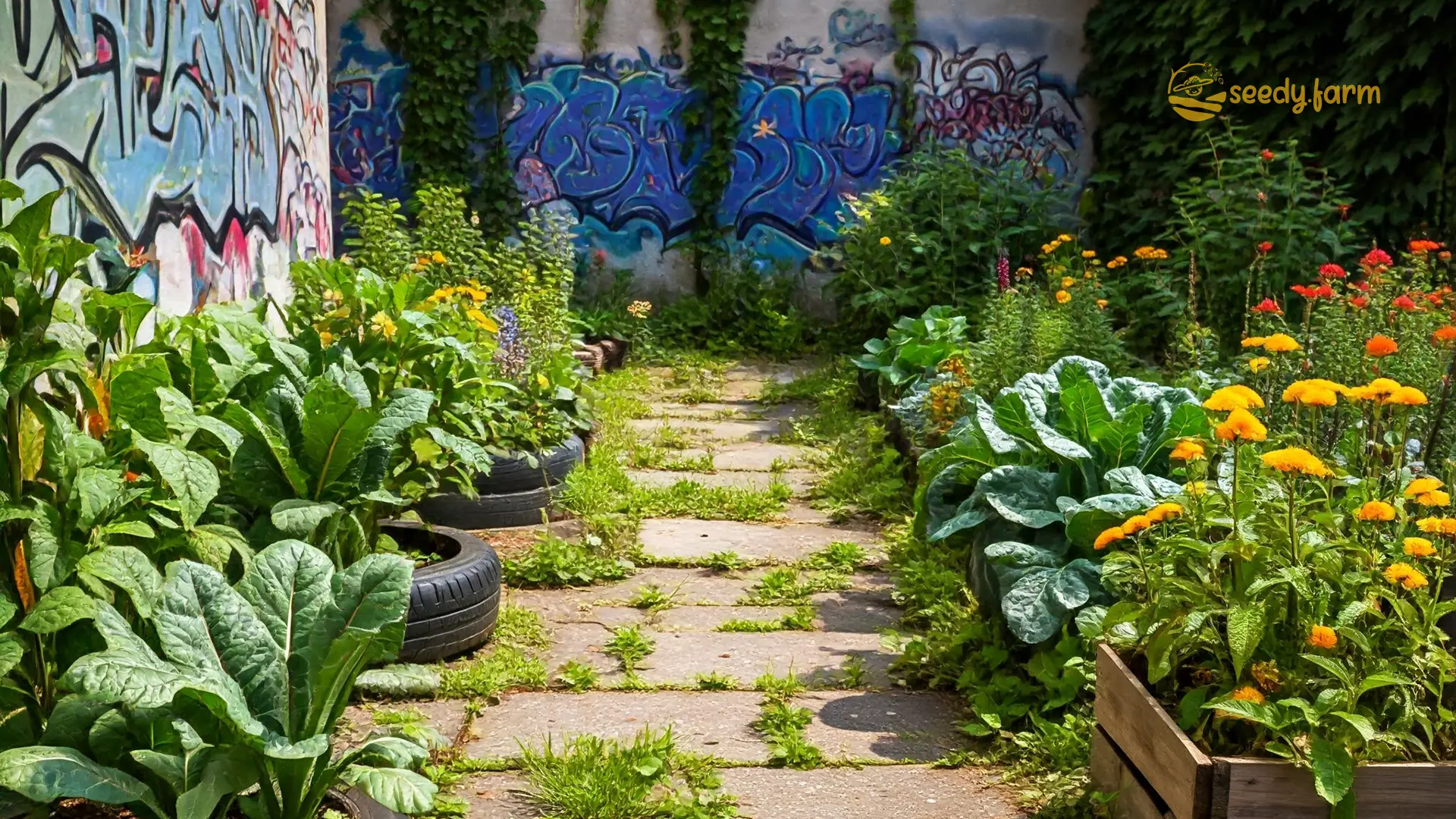
Guerrilla gardening is a vibrant, grassroots movement focused on transforming neglected or underutilized urban spaces into pockets of green. It’s the act of cultivating land that gardeners do not legally own, often focusing on abandoned lots, roadside verges, neglected planters, or barren public corners. By strategically planting flowers, edible crops, native species, and even trees, guerrilla gardeners aim to beautify communities, enhance local ecosystems, address food insecurity, and reconnect city dwellers with the natural world.
While guerrilla gardening is a specific act of unsanctioned planting, it’s part of a wider family of urban gardening movements. It differs from traditional urban gardening, which typically occurs with permission in designated spaces like community gardens or private balconies. It can also encompass more politically charged forms like ‘rage gardening,’ where the act of planting is an explicit and often aggressive protest against neglect or hostile urban design. This guide focuses on the classic form of guerrilla gardening: strategically and often discreetly greening public space for ecological and community benefit.
While the term might sound modern, the spirit of reclaiming and greening land has deep roots. The phrase “guerrilla gardening” gained traction in the 1970s, notably with Liz Christy and the Green Guerrillas in New York City, who transformed a derelict vacant lot into a thriving community garden. This act of protest against urban decay and lack of green space sparked a global phenomenon. Today, guerrilla gardening manifests worldwide, driven by individuals and groups passionate about making their urban environments greener, healthier, and more resilient.
But what does guerrilla gardening truly entail, beyond the initial act of planting? This guide offers a comprehensive look, exploring its motivations, ecological and social benefits, practical techniques, and the important ethical considerations involved. Whether you’re an experienced horticulturist or just starting your gardening journey, discover how you can contribute to this powerful movement, one plant at a time.
I. Defining Guerrilla Gardening: More Than Just Planting
At its heart, guerrilla gardening is unsanctioned cultivation – gardening on public or private land without explicit permission. The primary goal is typically positive transformation: turning grey spaces green, improving aesthetics, boosting local biodiversity, or even producing food. These gardeners often operate discreetly, sometimes at night (“night planting”), using adaptable methods to introduce life into often challenging urban environments like compacted soil strips or forgotten corners.
The history, starting significantly in the 1970s NYC Bowery neighbourhood, highlights its roots in activism – a direct response to neglected public spaces and a desire for community improvement. Since then, the movement has diversified. Motivations now range widely:
- Ecological Restoration: Establishing native plants to support pollinators (like bees and butterflies) and beneficial insects, creating habitat corridors, and increasing urban biodiversity.
- Beautification: Adding colour and life to drab areas with flowers and foliage, improving the visual appeal of a neighbourhood.
- Food Production: Growing vegetables, herbs, or fruits in “food deserts” (areas with limited access to fresh produce), promoting food sovereignty and providing local, healthy food sources.
- Environmental Improvement: Using plants to help mitigate the urban heat island effect through shade and evapotranspiration, improve air quality by filtering pollutants, manage stormwater runoff by increasing permeable surfaces, and build healthier soil structure in degraded urban soils (which are often compacted, low in organic matter, and sometimes contaminated).
- Community Building: Creating shared spaces that foster interaction, collaboration, and a collective sense of stewardship among neighbours.
These efforts often involve selecting resilient plants suited to tough urban conditions and requiring minimal maintenance, reflecting the often-limited resources and challenging growing environments.
Core Aims of Guerrilla Gardening
- Increase functional green space in dense urban settings.
- Enhance local biodiversity, particularly supporting vital pollinator populations.
- Address food access issues and promote local food systems.
- Engage communities directly in environmental care and neighbourhood improvement.
- Visually enhance neglected public areas, boosting community pride.
## II. Navigating the Landscape: Legal and Ethical Considerations
While driven by positive intentions, guerrilla gardening inherently operates in a complex legal and ethical space. Understanding these aspects is crucial for responsible participation:
- Property Rights and Legality: Planting on land you don’t own or have permission to use can range from being technically illegal (trespassing, vandalism) to falling into a legal grey area, depending on local ordinances and the specific location. Potential consequences could include warnings, fines, or the removal of plantings. Recommendation: Research local bylaws regarding public land use and verge gardening. Sometimes, informal “permission” might be obtainable, or semi-sanctioned community schemes exist.
- Respect for Property and Infrastructure: Actions should never damage existing structures, impede access, obstruct visibility (especially near roads), or interfere with underground utilities. Choose planting locations thoughtfully. Sustainability Note: Avoid digging deeply near established trees to protect their root systems.
- Plant Selection Ethics: Avoid introducing invasive species that could escape cultivation and harm local ecosystems. Prioritize native or well-behaved, non-invasive adapted plants. Consider the mature size of plants to ensure they won’t become obstructions.
- Community Context and Safety: Consider how your project impacts others. Is the chosen spot frequently used for another purpose? Could the plantings create visibility hazards? For edible projects, consider potential soil contaminants (heavy metals are common in urban soils) and proximity to pollution sources (like busy roads). Soil testing is advisable for edible gardens in unknown locations. Engage neighbours where possible; community support can legitimize and protect a project.
Successfully navigating these issues often involves careful planning, discretion, starting small, and sometimes, open communication. Building positive relationships with neighbours or even local authorities (where feasible and safe) can transition a “guerrilla” project into a more accepted community initiative over time. Risk assessment is key – choose your battles and locations wisely.
III. The Fruits of Labour: Benefits of Guerrilla Gardening
1. Ecological Enhancements in the Urban Matrix
Guerrilla gardening acts as a vital form of urban ecological acupuncture, delivering targeted environmental benefits:
- Boosting Biodiversity: Introducing diverse plantings, especially native species, provides crucial food sources (nectar, pollen, seeds, foliage) and habitat for wildlife like pollinators (bees, butterflies, moths), beneficial insects (lacewings, ladybugs), and birds, creating stepping stones of habitat in fragmented urban landscapes. This helps build more resilient local ecosystems.
- Cooling Urban Heat Islands: Plants provide shade and cool the surrounding air through evapotranspiration (releasing water vapor), helping to combat the elevated temperatures common in cities compared to rural areas. Even small patches of green contribute.
- Improving Air and Soil Health: Plant leaves capture particulate matter and absorb certain airborne pollutants, while photosynthesis releases vital oxygen. Plant roots help stabilize soil, prevent erosion, and gradually improve soil structure and fertility as organic matter (fallen leaves, decaying roots) accumulates. Adding organic amendments like finished compost during planting significantly accelerates soil health improvement.
- Sustainable Stormwater Management: Planted areas with uncompacted soil act like sponges, absorbing rainfall. This reduces surface runoff, which lessens the burden on municipal storm drains, helps filter pollutants from the water, and recharges groundwater. Choosing appropriate plants for rain gardens or bioswales (in suitable locations) maximizes this benefit.
2. Cultivating Community and Well-being
Beyond the environmental gains, guerrilla gardening fosters significant social connections and improves quality of life:
- Strengthening Community Ties: Collaborative planting projects naturally bring neighbours together, fostering communication, teamwork, and shared accomplishment. Visible improvements to the neighbourhood can instill a collective sense of pride and ownership, encouraging further positive action.
- Empowerment and Agency: Taking direct action to improve one’s surroundings can be incredibly empowering, especially in areas feeling neglected or overlooked by official channels. It demonstrates that individuals and communities can effect positive change.
- Enhancing Mental Health and Well-being: Access to green space, even small pockets, is strongly linked to reduced stress, improved mood, and better mental focus. Guerrilla gardens provide opportunities for nature connection in dense urban areas, offering moments of beauty and calm. The physical act of gardening itself is also a known stress reliever.
- Educational Opportunities: These gardens become living classrooms, demonstrating plant life cycles, ecological principles (like pollination), and sustainable gardening practices to people of all ages. Edible projects can teach valuable lessons about where food comes from.
- Creative Expression and Placemaking: Guerrilla gardens allow residents to creatively reimagine and personalize public spaces, transforming generic corners into unique, character-filled spots that reflect local care and identity.

## IV. Weighing the Rewards and Risks: A Balanced View
While the benefits are significant, responsible guerrilla gardening requires a clear-eyed assessment of the potential challenges. Understanding both sides is key to planning successful and sustainable interventions.
| Pros (The Rewards) | Cons (The Risks) |
|---|---|
| Beautification & Community Pride: Transforms derelict eyesores into vibrant green spaces, measurably boosting neighborhood morale. | Legal Consequences: Technically constitutes trespassing or vandalism. While rare, potential outcomes range from warnings to fines or removal orders. |
| Ecological Restoration: Creates vital habitat and food sources for pollinators in urban ‘deserts,’ improving local biodiversity. | Plant Failure: Harsh urban conditions (compaction, pollution, lack of water) can lead to high plant mortality, requiring persistence. |
| Empowerment & Agency: Provides a direct, tangible way for residents to reclaim and improve their own environment. | Vandalism or Removal: Plantings can be intentionally damaged or removed by property owners, the public, or municipal crews. |
| Food Sovereignty: In safe soils, it can provide access to fresh herbs and vegetables in areas with limited options (food deserts). | Soil Contamination: Urban soils, especially near roads, can contain high levels of heavy metals (like lead > 400 ppm), making edibles unsafe without testing. |
## V. Global Sprouts: Guerrilla Gardening Success Stories
Guerrilla gardening is a worldwide movement, adapting to local contexts and inspiring change. Here are a few notable examples:
Los Angeles, USA Ron Finley, the self-proclaimed “Gangsta Gardener,” famously challenged city ordinances by planting edible gardens on the curbside strip (parkway) outside his South Central LA home. His TED talk ignited widespread interest, and his work continues to advocate for using urban spaces for fresh food access and community empowerment.

London, UK Richard Reynolds and his fellow “Guerrilla Gardeners” have been transforming neglected public spaces across London for years, from traffic islands to neglected tree pits. Their website and book documented and inspired nocturnal planting missions, focusing on beautification and raising awareness of underutilized land.
Berlin, Germany Prinzessinnengärten, while now a more formalized project, started on a derelict site near Moritzplatz. It became a mobile urban farm using crates and rice bags, demonstrating how temporary spaces could be activated for community gardening, education, and social enterprise. It highlighted adaptability and community focus.
Tokyo, Japan Subtle forms of guerrilla gardening thrive here, often involving tiny plantings in sidewalk cracks, around utility poles, or in improvised containers. These small acts reflect a deep cultural connection to nature and meticulous care for the shared environment, adding touches of green to the dense cityscape.
Sydney, Australia Groups like the Green Guerrillas have focused on converting unused plots into community food forests and gardens. These projects emphasize sustainable food production, skill-sharing, and creating social hubs centred around shared cultivation and harvesting.
VI. Digging In: Your Guide to Getting Started
Ready to make your mark? Here’s a practical approach to starting your own guerrilla gardening venture:
1. Planning Your Green Intervention
- Scout Potential Sites: Look for neglected spots – bare tree pits, empty planters, derelict corners, wide verges. Assess key conditions: - Sunlight: How many hours of direct sun does the spot receive? (Full sun = 6+ hours, part shade = 3-6 hours, full shade = less than 3 hours). This dictates plant choice. - Soil Condition: Is it heavily compacted, rocky, sandy, or clayey? Is there visible debris or potential contamination? Observe its current state – often urban ‘soil’ is more like rubble fill. - Water Access: How will plants be watered, especially during establishment? Is there a nearby source, or will you need to carry water? Consider the practicality of long-term watering. - Visibility and Traffic: Is the site safe to work in? Will plantings obstruct pathways or sightlines?
- Define Your Goal: Are you aiming for colour (flowers), food (vegetables/herbs – consider safety!), habitat (native pollinator plants), or simply covering bare earth? Your goal influences plant selection and design.
- Start Small and Simple: Choose one manageable spot for your first project. A single tree pit or a small neglected patch is less overwhelming and lower risk.
2. Five Starter Project Ideas
a. The Neglected Tree Pit Revival
- Mission: Transform the compacted, litter-filled soil around a street tree into a micro-habitat.
- Materials: Hand cultivator, gardening gloves, 1 small bag (approx. 5-10 liters) of compost, a 6-pack of drought-tolerant perennials like Creeping Thyme or Sedum.
- Method: Clear litter. Gently aerate the top 2-3 inches (5-7.5 cm) of soil, avoiding the tree’s main roots. Mix in compost. Plant the perennials 6-8 inches (15-20 cm) from the tree trunk. Water thoroughly.
- Expert Tip: Choose a tree on a quieter residential street rather than a busy commercial one to increase your project’s chances of survival.
b. The Sunflower Bomb
- Mission: Create a dramatic vertical slash of color and joy against a neglected wall or chain-link fence.
- Materials: A packet of ‘Mammoth’ or other tall, single-stem sunflower seeds, hand cultivator, a handful of compost.
- Method: Find a sunny strip of soil against a wall. Use the cultivator to loosen a patch of soil about 1 ft. square (approx. 0.1 sq. meter) and 4-6 inches (10-15 cm) deep. Mix in the compost. Plant 3-4 seeds about 1 inch (2.5 cm) deep and water well.
- Expert Tip: Once the seedlings are a few inches (a few cm) tall, thin to the single strongest one. This ensures all the energy goes into one spectacular flower.
c. The Sidewalk Crack Succulent Garden
- Mission: Add a tiny, jewel-like surprise of life in the most barren of concrete landscapes.
- Materials: Small, hardy succulent cuttings (like Sedum or Sempervivum ‘chicks’), a cup of dry soil or sand, a stick or skewer.
- Method: Identify sidewalk cracks that have a bit of accumulated dirt. Use the skewer to gently clear a small space. Tuck the base of the succulent cutting into the crack and use the skewer to push a tiny bit of soil in to secure it.
- Expert Tip: This works best right after a rain, as the moisture in the crack will help the cutting establish without needing to be watered.
d. The Moss Graffiti Tag
- Mission: Create a living, breathing piece of green art on a damp, shady wall where little else will grow.
- Materials: A handful of collected moss (from pavement, not the woods), 1 cup buttermilk or plain yogurt, 1 tsp sugar, blender, paintbrush.
- Method: Combine all ingredients in the blender and mix into a paintable slurry. Find a suitable moisture-retentive surface (like brick or concrete in a shady spot) and paint your design.
- Expert Tip: To encourage growth, lightly mist the ‘tag’ with water every few days for the first few weeks, especially if conditions are dry.
e. The Edible Verge Herb Patch
- Mission: Provide a “help-yourself” source of fresh herbs for the neighborhood on a sunny roadside verge.
- Materials: Tough, drought-tolerant herb seedlings like Rosemary, Thyme, or Oregano; compost; a small, hand-made sign.
- Method: Choose a sunny, well-drained spot away from the immediate curb to avoid salt spray and vehicle exhaust. Loosen the soil, amend with compost, and plant the herbs. Water well and install a small, friendly sign that says, “Community Herbs – Please Take a Sprig!”
- Expert Tip: This project works best when you’ve informally mentioned it to immediate neighbors. Their buy-in provides a layer of protection and encouragement for the project.

### 3. Choosing Your Plant Allies: The Best Plants for Guerrilla Gardening
Select hardy plants for harsh urban environments that are tough, resilient, and appropriate for the site conditions and your goals. Consider:
- Right Plant, Right Place: Match plants to the available sunlight, expected moisture levels, and soil type.
- Hardiness and Low Maintenance: Choose species known to tolerate urban stress (pollution, poor soil, infrequent watering). Look for drought-tolerant guerrilla plants once established.
- Native Species: Prioritize plants native to your region. They are best adapted to the local climate and provide the most valuable resources for local wildlife. Check local native plant society resources. Ensure seeds or plants are viable and healthy.
- Well-Behaved Non-Natives: Some non-native plants are well-adapted and non-invasive survivors in tough urban spots. Avoid known invasive species at all costs.
- Source Sustainably: Obtain seeds or plants ethically. Consider seed swaps, propagating from existing plants (with permission if private), rescuing plants from sites slated for development, or purchasing from reputable local nurseries specializing in native or ecologically appropriate plants. Ensure transplants are well-rooted but not root-bound.
a. For Hot, Dry, Full-Sun Spots
- *Sedum ‘Autumn Joy’** (Hylotelephium telephium) - Mature Size: 2 ft. (0.6 m) tall and wide. - Why It Works:* As a succulent, it stores water in its fleshy leaves, making it exceptionally drought-tolerant. Its sturdy stems resist wind and require no support, and it provides crucial late-season nectar for pollinators.
- Yarrow (Achillea millefolium) - Mature Size: 2-3 ft. (0.6-0.9 m) tall, spreading 2 ft. (0.6 m) or more. - Why It Works: It thrives on neglect and poor, dry soil. Its deep, fibrous root system helps break up compacted earth and its flat-topped flowers are a favorite landing pad for beneficial insects like ladybugs and lacewings.
- Lavender (Lavandula angustifolia) - Mature Size: 2-3 ft. (0.6-0.9 m) tall and wide. - Why It Works: Its silvery foliage reflects intense sunlight and reduces water loss. The plant’s natural aromatic oils also make it highly resistant to pests and deer. It demands excellent drainage, which is common in sandy or gravelly urban soils.
- Feather Reed Grass (Calamagrostis x acutiflora ‘Karl Foerster’) - Mature Size: 3-5 ft. (0.9-1.5 m) tall, 2 ft. (0.6 m) wide. - Why It Works: Its strong vertical form adds structure without sprawling into walkways. It establishes a deep root system quickly and is highly tolerant of a wide range of urban conditions, from clay soil to air pollution.
b. For Shady or Damp Corners
- Hosta (e.g., Hosta ‘Blue Mouse Ears’) - Mature Size: 8 in. (20 cm) tall, 12 in. (30 cm) wide. - Why It Works: Hostas are classic shade performers. Choosing a tough, smaller cultivar like ‘Blue Mouse Ears’ makes it less prone to damage from slugs or trampling and fits perfectly in small, protected nooks.
- Coral Bells (Heuchera) - Mature Size: 1-2 ft. (30-60 cm) tall and wide (foliage mound). - Why It Works: These are prized for their colorful foliage, providing visual interest even without flowers. They are semi-evergreen in many climates and form neat clumps that are well-behaved in tight spaces. They tolerate dry shade once established.
- Japanese Forest Grass (Hakonechloa macra) - Mature Size: 18 in. (45 cm) tall, 2 ft. (0.6 m) wide. - Why It Works: Its graceful, arching habit softens hard urban edges like concrete walls. Unlike many grasses, it thrives in part shade and adds a sense of movement, but it does require moderately moist soil to look its best.
c. Top Choices for Supporting Pollinators

- Coneflower (Echinacea purpurea) - Mature Size: 2-4 ft. (0.6-1.2 m) tall, 2 ft. (0.6 m) wide. - Why It Works: A powerhouse for pollinators. Its large, sturdy composite flowers provide a rich source of nectar for butterflies and long-tongued bees, while its seeds feed goldfinches and other birds in the fall and winter.
- Bee Balm (Monarda didyma) - Mature Size: 3-4 ft. (0.9-1.2 m) tall, spreading 2-3 ft. (0.6-0.9 m). - Why It Works: Its unique, tubular flowers are perfectly shaped for bees, butterflies, and especially hummingbirds. It’s a vigorous native plant that establishes quickly, though it prefers moderately moist soil to prevent powdery mildew.
- Anise Hyssop (Agastache foeniculum) - Mature Size: 2-4 ft. (0.6-1.2 m) tall, 1-2 ft. (30-60 cm) wide. - Why It Works: A magnet for a huge diversity of bees. Its long-blooming spikes of purple flowers are covered in pollinators from mid-summer to fall. It is also highly drought-tolerant and thrives in full sun and well-drained soil.
d. Resilient Edibles for Container Projects
Context: Only plant edibles in containers with clean potting soil or in locations where you have high confidence the soil is free of heavy metal contaminants.
- *Swiss Chard ‘Bright Lights’* - Mature Size: 1-2 ft. (30-60 cm) tall and wide. - Why It Works:** It’s both beautiful and productive, with colorful stems that look ornamental. It tolerates heat better than lettuce or spinach and can be harvested leaf-by-leaf over a long season (“cut-and-come-again”).
- *Kale ‘Lacinato’* - Mature Size: 2-3 ft. (0.6-0.9 m) tall, 1-2 ft. (30-60 cm) wide. - Why It Works:** Incredibly tough and cold-hardy, ‘Lacinato’ (or Dinosaur) kale has a long harvest period. Its upright, narrow growth habit is perfect for fitting into tight container groupings.
- Chives - Mature Size: 1 ft. (30 cm) tall and wide. - Why It Works: This perennial herb is extremely hardy and requires minimal care. Its mild onion flavor is versatile, and its purple puffball flowers are edible and attract bees. It will reliably return year after year.
- Oregano - Mature Size: 1 ft. (30 cm) tall, spreading to 2 ft. (0.6 m). - Why It Works: A classic Mediterranean herb that loves the heat and well-drained soil typical of container life. It’s very drought-tolerant once established and its trailing habit is great for spilling over the edge of pots.
4. Techniques for Covert Cultivation
These stealth gardening techniques are designed for speed, efficiency, and minimal visibility.
- Seed Balls (The Classic Guerrilla Planting Method): Excellent for less accessible areas. To make them, combine 5 parts dry powdered clay (bentonite is ideal, but finely sifted, stone-free clay subsoil also works), 3 parts screened compost, and 1 part native wildflower seed mix in a bowl. Slowly add 1-2 parts water, mixing until you have a thick, dough-like consistency. Roll into firm 1-inch (2.5 cm) balls and let them air dry in a shady spot for 24-48 hours until hard. Rationale: The clay provides a protective casing against birds and insects, while the compost provides initial nutrients upon germination, which is triggered by soaking rains. Best deployed before expected rain.
- Direct Sowing: Suitable for accessible soil. Use a hand cultivator or hori-hori knife to break up and aerate the top 3-4 inches (7.5-10 cm) of soil. Remove any rocks, litter, or weed roots larger than your thumb. Mix in a 1-inch (2.5 cm) layer of compost to improve water retention. Sow seeds according to packet instructions (depth, spacing). Water gently. Best for plants that dislike transplanting or for covering larger areas economically. Ensure the soil remains consistently moist during germination.
- Planting Seedlings/Transplants: Offers a quicker impact. Dig a hole slightly wider than the plant’s root ball. Gently loosen any circling roots on the transplant. Place the plant in the hole so the top of its root ball is level with the surrounding soil. Backfill with the removed soil, perhaps mixed with a little compost. Water thoroughly to settle the soil and remove air pockets. Ensure the soil around the new plant is adequately moist for the first few weeks. - Expert Tip: Harden Off Your Transplants. Do not move seedlings directly from a protected indoor environment to a harsh urban site. This causes transplant shock, which can kill the plant. Harden them off over 7-10 days: Start by placing them outdoors in a sheltered, shady spot for 2-3 hours on the first day. Gradually increase the duration and sun exposure each day until they are accustomed to a full day of outdoor conditions. Rationale: This process allows the plant’s cuticle (the waxy outer layer of its leaves) to thicken, preventing sun/wind burn and preparing it for the stressful conditions of its final planting spot.
- Container Gardening: Use pots, planters, or repurposed containers (ensure drainage holes!) placed in neglected spots. This offers control over the growing medium (use a quality potting mix, not garden soil) and is easily removable if necessary. Ideal for areas with contaminated soil or paved surfaces.

### 5. Embracing Sustainable Practices
Guerrilla gardening is inherently about resourcefulness. Enhance its positive impact:
- Water Wisely: Water deeply but infrequently once plants are established to encourage deep roots. Water early morning or evening to reduce evaporation. Use collected rainwater if feasible. Applying a layer of organic mulch (like wood chips, shredded leaves, or cocoa hulls – ensure sourcing is sustainable) helps retain soil moisture, suppress weeds, and regulate soil temperature.
- Build Soil Health: Incorporate finished compost or other organic matter whenever planting to improve soil structure, water retention, and nutrient availability. Avoid synthetic fertilizers and pesticides, which can harm beneficial insects and soil life. Practice “no-dig” or minimal disturbance techniques where possible.
- Repurpose and Recycle: Use found objects as planters (with drainage), create plant supports from scavenged materials, make your own compost from kitchen scraps (if space allows).
6. Essential Toolkit (Keep it Simple and Portable)
- Small trowel and/or hand cultivator (hori-hori knife is versatile)
- Gardening gloves
- Seeds or small plants (viable and healthy)
- Small bag of finished compost or good quality potting mix
- Water bottle or small watering can
- Small bag for collecting any litter found at the site
- Optional: Seed balls (pre-made), small pruners
VII. Nurturing Your Patch: Aftercare and Troubleshooting
Planting is just the beginning. Even low-maintenance gardens need some follow-up: A common challenge for guerilla growers is seeing their work disappear overnight. Here’s how to troubleshoot common issues in guerrilla growing.
- Watering is Key: Newly installed plants and germinating seeds need consistent moisture to establish. Check the soil moisture regularly (stick a finger an inch (2.5 cm) deep – if dry, water) for the first few weeks, especially during dry spells. Even drought-tolerant plants need water to get their roots established.
- Weed Management: Remove competing weeds, especially while your desired plants are small. Once established, many hardy plants will outcompete weeds, especially if mulched.
- Monitor Plant Health: Keep an eye out for struggling plants. Is it lack of water? Too much sun/shade? Pests? Address issues promptly. For pests, try integrated pest management (IPM) first – physical removal (squishing aphids), strong water spray, or encouraging beneficial insects.
- Troubleshooting Common Issues: - Plant Failure: Did you choose the right plant for the conditions? Was it watered enough initially? Was the soil too poor/compacted? Learn from failures and try different species or techniques. - Vandalism or Removal: This is a risk. Here are some proactive strategies to mitigate it: - Employ ‘Soft’ Defenses: Install a small, discreet, laminated sign. Wording like, ‘Community Pollinator Project – Please Let Us Grow!’ can deter removal by clarifying the project’s positive intent. Rationale: Municipal workers or property owners are often acting on protocol, not malice. A sign can reframe the plants from ‘weeds’ or ‘vandalism’ to a ‘community benefit’. - Choose Less Contested Spaces: High-traffic corner lots are high-risk. Focus instead on ‘invisible’ spaces that no one actively maintains, such as the soil strip against a retaining wall, the backside of a public planter, or around the base of utility poles. Rationale: These locations are less likely to be part of a formal maintenance schedule. - Plant Defensively: Where appropriate, consider planting species with thorns or dense, twiggy growth (e.g., certain hardy roses or barberries) on the perimeter of a patch to discourage trampling or casual damage. Context: This is only suitable for locations where it won’t impede pedestrian access or create a hazard. - Resource Scarcity: Lack of water is a major challenge. Choose extremely drought-tolerant plants (succulents, established natives), use mulch heavily, or consider techniques like rainwater harvesting if appropriate and feasible.
VIII. Leveling Up: Advanced Guerrilla Gardening Techniques
For those ready to move beyond the basics, these advanced techniques can create even more sophisticated and lasting ecological impact.
1. Guerrilla Grafting on Public Trees
This involves grafting fruit-bearing branches (scions) onto existing, non-fruiting ornamental trees in public spaces (e.g., grafting an apple branch onto an ornamental crabapple).
- Rationale: It leverages established root systems to produce food without planting a new tree, transforming ornamental landscapes into productive ones.
- Common Pitfall: Grafting failure due to incompatibility. You must use closely related species (e.g., apple on crabapple, pear on pear). Grafting a cherry branch onto an ash tree will always fail. Research scion/rootstock compatibility thoroughly before making any cuts.
2. Vertical Gardening on Fences and Walls
This technique uses vertical space to grow plants where ground soil is unavailable.
- Rationale: It’s perfect for greening bare walls or chain-link fences, creating living privacy screens, and maximizing growing area in tight urban corridors.
- Method: Repurpose materials like shoe organizers or rows of plastic soda bottles with the sides cut out. Fill the pockets with lightweight potting mix and plant them with shallow-rooted, trailing plants like strawberries, lettuce, herbs, or ornamental vines. Secure them firmly to the fence or wall.
3. Creating Micro-Bioswales for Stormwater
This involves creating small, strategically placed rain gardens on public verges or in neglected strips of land.
- Rationale: These shallow depressions capture, slow, and filter polluted stormwater runoff from impervious surfaces like streets and sidewalks, preventing it from overwhelming storm drains while watering the plants.
- Method: On a gentle slope, dig a shallow, linear depression (a swale) about 6-12 inches (15-30 cm) deep. Amend the soil in the swale with compost and a little sand to improve its absorption capacity. Plant the area with water-loving native plants like sedges, rushes, or irises that can tolerate both brief periods of inundation and drier conditions.
IX. Resources and Next Steps
1. Connecting and Expanding Your Impact
a. Grassroots Collaboration
- Find Local Groups: Search online platforms (social media, community forums) for existing guerrilla gardening or community gardening groups in your area. Joining forces provides support, shared resources, knowledge, and greater impact.
- Share Knowledge and Resources: Teach others basic gardening skills, share seeds or surplus plants, collaborate on larger projects.
- Document and Inspire (Responsibly): Share photos of your efforts online or within your community to inspire others, but be mindful of privacy and avoiding documenting anything that could cause legal trouble for yourself or others. Focus on the positive transformation.
- Potential for Dialogue: In some cases, successful guerrilla projects might open doors for conversations with local authorities or landowners, potentially leading to more formalized or sanctioned community greening initiatives. Start small and build trust.
b. Finding Your Digital Community
- Reddit: The r/GuerrillaGardening subreddit is one of the most active online hubs. It’s an excellent resource for seeing real-world project inspiration, asking for plant identification in tough spots, and getting troubleshooting advice from a global community.
- Instagram & TikTok: Visually-driven platforms are perfect for inspiration. Search hashtags like #guerrillagardening, #seedbombing, and #plantsonpavement to find short videos and photos of successful projects worldwide.
- Facebook: Search for ‘[Your City/Region] Community Gardening’ or ‘Native Plant Society’ groups. While not exclusively for guerrilla gardening, these are invaluable for getting localized advice on plant selection and connecting with potential collaborators.
Why Connect? Engaging with these communities provides more than just ideas; it offers a crucial support system that can help you stay motivated, solve site-specific problems, and even find local partners to scale your efforts.
2. Further Inspiration: Essential Books and Resources
- *Book: On Guerrilla Gardening by Richard Reynolds. This is the seminal book of the modern movement. Reynolds, a prominent London-based guerilla gardener*, documents the philosophy, tactics, and history of the practice. It’s essential reading for understanding the ‘why’ behind the ‘how’.
- Documentary/TED Talk: Ron Finley, ‘The Gangsta Gardener’. Ron Finley’s viral TED talk and subsequent work are required viewing. He powerfully articulates guerrilla gardening as a tool for social justice, community empowerment, and fighting food deserts. His story provides the movement’s heart and soul.
- Online Resource: Your Local Native Plant Society. Before buying any seeds or plants, search for your state, provincial, or local native plant society’s website. They provide the most accurate, context-specific lists of plants that will thrive in your exact climate and support local ecology. This is the single most important resource for effective plant selection.
3. A Greener Future, One Patch at a Time
Guerrilla gardening is a powerful testament to the human desire for nature and community improvement. It’s a creative, adaptable, and often joyful way to reclaim urban spaces, enhance local ecology, and foster connections. While navigating the ethical and legal aspects requires thoughtfulness, the potential benefits – greener streets, cleaner air, stronger communities, and a closer connection to the living world – are immense.
Whether you sow a handful of native seeds in a neglected tree pit, transform a verge with colourful flowers, or join neighbours to cultivate an abandoned lot, every small act contributes to a larger vision of more vibrant, sustainable, and equitable urban environments. So, grab your trowel, choose your spot wisely, and start planting the seeds of change.
Comments (0)
No comments yet. Be the first to share your thoughts.