Urban Farming: The Ultimate Guide to Sustainable City Agriculture
Urban farming is an exciting movement transforming cityscapes into productive green spaces, fundamentally changing how urban dwellers interact with their
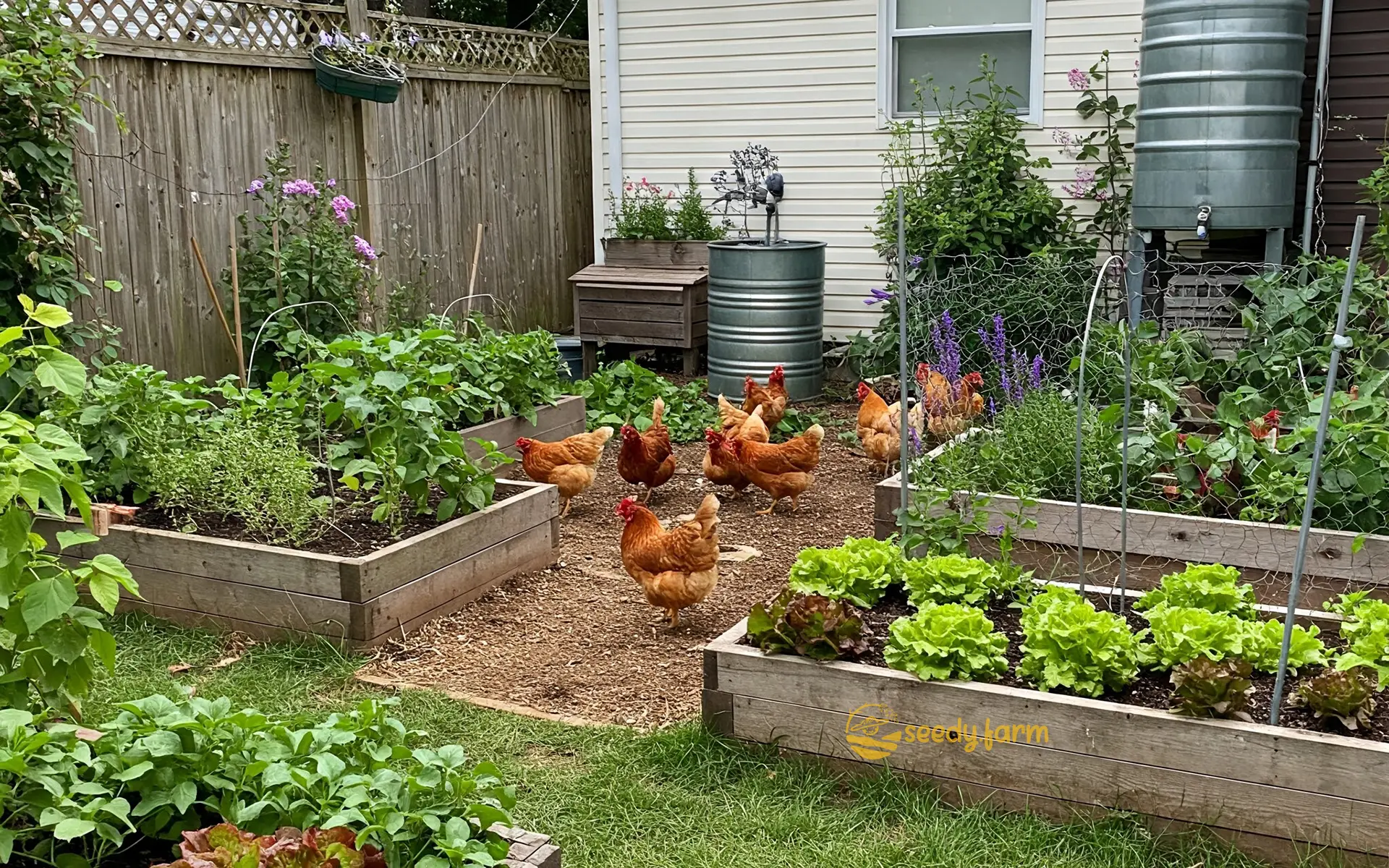
Urban farming is an exciting movement transforming cityscapes into productive green spaces, fundamentally changing how urban dwellers interact with their food and environment. This guide is your journey into the world of urban agriculture, where the concrete jungle meets the nourishing practice of cultivation. Right across our cities – on balconies, rooftops, in community plots, and even indoors – people are rediscovering the satisfaction of growing their own food.
This isn’t just a fleeting trend; it’s a meaningful shift towards more sustainable and self-reliant urban living. Whether you have a sprawling backyard (a rarity in most cities!) or just a sunny windowsill, this guide provides the horticultural know-how you need. We’ll cover the basics, explore different techniques suitable for city growing, suggest crops that thrive in urban settings, and delve into the many rewarding benefits – from harvesting your own fresh, nutritious produce to lessening our collective reliance on long-distance food transport.
We’ll explore practical, innovative ways to make the most of limited space, turning overlooked corners into thriving mini-farms. Are you a seasoned gardener looking to adapt your skills to an urban context? Or perhaps a complete beginner, curious about sticking a seed in some soil? Wherever you are on your gardening journey, this guide aims to inspire and empower you. Urban farming is more than growing plants; it’s about cultivating a greener lifestyle and contributing to a more resilient future for our cities. Let’s dig in!
I. Understanding Urban Farming
1. What is Urban Farming?
At its heart, urban farming – often called urban agriculture – is the practice of growing, processing, and distributing food within or on the immediate edges of urban areas. It’s a broad field, encompassing diverse methods specifically adapted to the unique challenges and opportunities presented by city environments. Think beyond traditional fields: imagine vibrant gardens on rooftops, productive plots in formerly vacant lots, community gardens buzzing with activity, and even high-tech vertical farms reaching towards the sky. All these forms share the common goal of bringing food production closer to where people live.
Key characteristics often include:
- Employing intensive cultivation methods like intercropping and succession planting to maximize food production in small areas.
- Utilizing innovative technologies such as hydroponics (growing plants in nutrient-rich water without soil), aquaponics (combining fish farming with hydroponics, where fish waste provides nutrients for plants), and aeroponics (growing plants with roots suspended in the air, misted with nutrient solutions).
- Integrating sustainable practices, such as composting food scraps and yard waste to create rich soil amendments, and harvesting rainwater to reduce reliance on municipal water sources.
- Cleverly adapting traditional farming techniques – like raised bed gardening or trellising – to fit the constraints of urban spaces.
 Seedlings emerging demonstrate the potential for new growth even in small containers, ideal for urban settings. Note the state: seeds have germinated, and young plants (seedlings) with their first leaves (cotyledons) are visible.
2. A Brief History of Urban Agriculture
Growing food in cities isn’t entirely new! History shows humans have long found ways to cultivate sustenance within urban boundaries:
- Circa 3500 BC, Mesopotamia: Archaeological evidence suggests early forms of gardening occurred within city walls for food and medicinal purposes.
- Circa 2000 BC, Ancient Persia: Development of sophisticated qanat systems (underground aqueducts) supported urban gardens even in arid climates.
- Ancient Egypt: Records depict fruit trees and vines grown within temple complexes and affluent homes in cities like Thebes.
- Circa 1100 AD, Aztec Civilization: The ingenious ‘chinampas’ – artificial islands built in shallow lake beds around Tenochtitlan – were highly productive agricultural plots effectively integrated with the urban center.
- Circa 1400s AD, Machu Picchu: This Inca citadel showcases remarkable terraced agriculture, adapting steep slopes for crop production within a high-altitude urban environment.
- More Recently: Victory gardens during World Wars I and II were widespread examples of urban food production driven by necessity.
These historical precedents remind us that integrating food production into urban landscapes is a resilient human strategy.
3. Common Types of Urban Farms
Urban farming today manifests in many creative forms:
a. Rooftop Gardening
Transforming often-barren rooftops into productive green spaces. Key considerations include:
- Weight Load Management: Utilizing specially formulated lightweight growing media (often blends of compost, peat moss or coconut coir, perlite, and vermiculite) and containers or raised beds designed to distribute weight. Always consult a structural engineer before starting a significant rooftop garden.
- Crop Selection: Favoring sun-loving plants like tomatoes (Solanum lycopersicum), peppers (Capsicum annuum), cucumbers (Cucumis sativus), and herbs, but also incorporating partial shade strategies for leafy greens.
- Watering Systems: Implementing efficient irrigation, such as drip irrigation or self-watering containers, due to potential water access challenges and increased evaporation from wind exposure. Rainwater harvesting is highly recommended.
- Environmental Benefits: Contributing positively to urban ecosystems by creating habitat for pollinators like bees and butterflies, and helping to mitigate the urban heat island effect (where cities are significantly warmer than surrounding rural areas).
- Wind Protection: Incorporating windbreaks (trellises, sturdy plants) may be necessary.
b. Vertical Farming
A high-tech approach focused on maximizing yield per square foot by growing upwards, often indoors. Features include:
- Primarily utilizing hydroponic, aquaponic, or aeroponic systems, eliminating the need for soil.
- Highly suitable for fast-growing crops like lettuce (Lactuca sativa), spinach (Spinacia oleracea), herbs, microgreens, and sometimes strawberries (Fragaria × ananassa).
- Requires precise control over environmental factors like light (often using specialized LEDs), temperature, humidity, and nutrient delivery. This often involves significant energy consumption, a factor to consider for sustainability.
- Increasingly integrates automation, sensors, and data analytics (AI/IoT) for optimized growth and resource management.
c. Yard Farming (Backyard, Front Yard, Side Yard)
Converting traditional residential lawns or spaces into productive food gardens. Methods include:
- Employing raised beds (excellent for areas with poor native soil), traditional in-ground plots (after proper soil testing and amendment), or container gardening.
- Often emphasizes polyculture (growing multiple crop species in the same space) and companion planting (pairing plants that benefit each other) to enhance biodiversity and naturally deter pests.
- Integrating water-wise practices like mulching (covering soil with organic material like wood chips or straw to retain moisture and suppress weeds) and targeted watering (like soaker hoses).
- Frequently incorporates small-scale composting or vermicomposting (using worms to break down food scraps into nutrient-rich castings) to recycle organic waste into valuable fertilizer.
d. Animals in Urban Farming
Integrating small livestock, where local regulations permit. Common examples:
- Keeping backyard chickens (Gallus gallus domesticus) for fresh eggs and manure, rabbits for meat and manure, or maintaining beehives (Apis mellifera) for honey and pollination services.
- Crucial: Thoroughly researching and complying with local zoning ordinances and animal welfare regulations is non-negotiable.
- Provides valuable outputs like eggs, honey, and nutrient-rich manure (which must be properly composted before use on food crops).
- Requires careful planning for appropriate housing, predator protection, consistent access to feed and water, and responsible waste management to avoid nuisance issues.

II. Benefits and Challenges of Urban Farming
1. Why Embrace Urban Farming? The Many Benefits
Urban farming yields far more than just food; it cultivates healthier environments, communities, and people:
Environmental Advantages
- Reduced Food Miles: Significantly shortens the distance food travels from farm to plate, lowering transportation emissions and the overall carbon footprint of our food.
- Mitigating Urban Heat: Plant transpiration and soil moisture help cool localized areas, combating the urban heat island effect.
- Boosting Biodiversity: Creates vital habitats and food sources for pollinators (bees, butterflies) and beneficial insects within the urban landscape.
- Improved Stormwater Management: Permeable garden surfaces and plant uptake absorb rainwater, reducing runoff that can overwhelm city drainage systems and carry pollutants into waterways. Sustainable practices like rain gardens and bioswales can be integrated.
- Enhanced Air Quality: Plants absorb carbon dioxide and filter common air pollutants, releasing oxygen.
- Waste Reduction & Recycling: Encourages composting of food scraps and yard waste, diverting organic matter from landfills (where it generates methane, a potent greenhouse gas) and turning it into valuable soil conditioner.
Social and Community Enrichment
- Stronger Community Ties: Shared gardening spaces foster interaction, cooperation, and social connections among neighbors.
- Educational Opportunities: Provides invaluable hands-on learning experiences about ecology, food systems, nutrition, and practical life skills for all ages.
- Access to Fresh Food: Increases availability of fresh, nutritious produce, particularly crucial in food deserts (urban areas lacking access to affordable, healthy food options).
- Therapeutic Benefits: Gardening is widely recognized for reducing stress, improving mood, and promoting mental well-being.
- Cultural Expression: Enables individuals and communities to grow culturally significant crops, preserving heritage and culinary traditions.
Economic Gains
- Local Job Creation: Supports small businesses and creates employment opportunities in farming, distribution, and related services.
- Potential Household Savings: Reduces grocery expenses for individuals and families growing their own produce.
- Neighborhood Beautification: Well-maintained urban farms and gardens can enhance property values and neighborhood appeal.
- Entrepreneurial Avenues: Offers opportunities for developing niche markets, selling produce locally (farmers markets, restaurants, CSAs – Community Supported Agriculture), and creating value-added products.
Health and Wellness
- Improved Nutrition: Direct access to fresh, often organically grown, produce encourages healthier eating habits and increased consumption of vitamins and minerals. Harvested ripe, nutrient levels are often higher.
- Increased Physical Activity: Gardening provides moderate, enjoyable exercise.
- Greater Food Control: Allows growers to control inputs, avoiding unwanted pesticides or herbicides and ensuring freshness.
2. Navigating the Challenges of City Growing
Despite its many benefits, urban farming faces specific hurdles:
Space Limitations
- High land values and density make finding suitable, affordable growing space a primary challenge.
- Competition exists with other pressing urban needs like housing and infrastructure.
- Necessitates creative solutions: maximizing vertical space, utilizing rooftops, balconies, and containers effectively.
Soil Quality Concerns
- Urban soils can be compacted, nutrient-poor, or worse, contaminated with heavy metals (like lead from old paint or gasoline), industrial residues, or construction debris.
- Essential Step: Always conduct a soil test for contaminants (especially heavy metals) before planting in-ground in urban areas. Reputable labs can perform these tests.
- Solutions include building raised beds filled with clean, imported topsoil and compost, or relying entirely on container gardening using purchased potting mixes. These methods create a safe barrier between plants and potentially contaminated native soil.
- Building healthy soil structure over time through consistent addition of organic matter (compost) is key for long-term success.
Water Access and Management
- Access to a reliable water source can be difficult or expensive in some urban settings.
- Water usage restrictions may apply, especially during droughts.
- Requires efficient irrigation methods (drip, soaker hoses, self-watering containers) and water conservation strategies like mulching and rainwater harvesting (check local regulations on collection).
- Proper drainage is crucial to prevent waterlogging in containers and raised beds.
Regulatory and Policy Hurdles
- Complex or outdated zoning laws may restrict agricultural activities, structure types (hoop houses, greenhouses), or the keeping of animals.
- Navigating permits for structures, water use, or selling produce can be challenging.
- Compliance with local health and food safety regulations is necessary, especially for commercial operations.
Economic Viability Challenges
- Start-up costs for infrastructure (beds, containers, irrigation, tools, vertical farming systems) can be significant.
- Achieving economies of scale is difficult in small, dispersed plots.
- Competition from large-scale conventional agriculture, which often has lower production costs. Success often hinges on finding niche markets or direct-to-consumer models.
Knowledge and Skills Gap
- Requires learning specific techniques suited to intensive, small-space cultivation.
- Understanding urban-specific challenges like pest management in close quarters, managing microclimates, and adapting to suboptimal conditions is vital.
- Access to reliable horticultural information and training can be a barrier for some.
Community Integration
- Potential for conflicts with neighbors regarding aesthetics, noise (if animals are involved), odors (improper composting), or perceived pest issues.
- Requires open communication, community education about the benefits, and responsible farm management practices.
Recognizing these challenges is the first step towards finding innovative and sustainable solutions.

III. Getting Started with Urban Farming: Your Practical Guide
1. How to Launch Your Urban Farm (Big or Small!)
Ready to start growing? Here’s a step-by-step approach to planning and launching your urban agriculture venture:
a. Assess Your Situation: Space, Sun, and Self
- Evaluate Your Space: Identify potential growing areas – balcony, patio, rooftop, yard space, community garden plot, windowsill. Measure the dimensions.
- Analyze Sunlight: Observe how many hours of direct sunlight the area receives daily. Most vegetables need at least 6-8 hours for good production. Note any shaded periods. This is crucial for crop selection.
- Check Water Access: Is there a convenient hose bib or faucet? Consider distance and ease of watering. Explore rainwater collection possibilities (e.g., rain barrels connected to downspouts).
- Understand Your Microclimate: Note factors like wind exposure (especially on rooftops/balconies), reflected heat from walls, or frost pockets.
- Be Realistic About Time & Effort: Honestly assess how much time you can dedicate weekly to gardening tasks. Start small if you’re unsure. Consider physical limitations.
b. Research Regulations and Plan Your Project
- Know the Rules: Research local zoning ordinances, homeowner association rules, or community garden guidelines regarding gardening, structures (raised beds, sheds, greenhouses), water use, composting, and keeping animals. Contact your local municipality or planning department.
- Define Your Goals: Are you growing for personal consumption, sharing with neighbors, donating, or aiming for commercial sales? This influences scale and crop choices.
- Select Suitable Crops: Based on sunlight, space, climate, and your goals, choose crops known to perform well in your conditions. Consider container-friendly varieties if space is tight. (See section III.3 below).
- Sketch a Layout: Plan where beds, containers, pathways, compost bins, and water sources will be located. Think about workflow and accessibility.
c. Prepare Your Growing Medium: Soil is Key
- In-Ground Soil Testing: If planting directly in the ground, get your soil tested by a local extension office or reputable lab for pH, nutrient levels, and, crucially in urban areas, heavy metals (lead, arsenic, cadmium). Do not skip this step for in-ground urban plots. The results will guide necessary amendments.
- Building Raised Beds/Containers: If using raised beds or containers (often the safest urban option), source or create a high-quality growing medium. A good mix is typically light, well-draining, yet moisture-retentive. Common recipes involve mixing quality compost, topsoil (ensure source is clean), and aeration materials like coconut coir, peat moss (consider sustainable alternatives like composted bark), perlite, or vermiculite. Avoid using unamended native urban soil in containers or raised beds.
- Soil Amendment: Even purchased soil benefits from adding well-rotted compost each season to replenish nutrients and improve structure. Describe the desired state: Healthy soil should be dark, crumbly (friable), and smell earthy, not sour or ammonia-like.
d. Choose Your Growing Method(s)
- Based on space, resources, and soil test results, select your approach: - Container Gardening: Versatile, good for small spaces, controls soil quality. Requires frequent watering. - Raised Beds: Overcomes poor/contaminated soil, improves drainage, easier access. Requires initial investment in materials. - In-Ground Gardening: Possible if soil is tested safe and amended properly. Can be lower cost initially. - Vertical Systems: Maximizes yield in tiny footprints. Can be DIY or purchased systems. - Hydroponics/Aquaponics: Soil-free, water-efficient, often faster growth. Requires technical knowledge and setup costs.
e. Select and Source Plants Wisely
- Match Plants to Conditions: Choose varieties suited to your sunlight levels, climate zone, and container size (look for “bush” or “dwarf” varieties for small spaces).
- Start with Seeds or Seedlings?: - Seeds: Offer more variety, lower cost. Require starting indoors early in many climates or direct sowing after the last frost. Describe the state: Seeds are typically dry and dormant before planting. - Seedlings (Transplants): Young plants already started, provide a head start. Purchase healthy-looking seedlings (describe: sturdy stems, green leaves, no yellowing or pests, good root system – check gently). Source from reputable local nurseries or garden centers.
- Prioritize Resilience: Consider disease-resistant varieties. Explore native plants or those well-adapted to your region.
- Think Sustainably: Choose open-pollinated or heirloom varieties if you plan to save seeds. Support local, organic seed suppliers.
- Plan for Succession: Plan follow-up plantings after early crops are harvested to maximize yield throughout the growing season.
f. Install Infrastructure
- Set up Irrigation: Install drip lines, soaker hoses, or have watering cans readily available. Consider timers for consistency.
- Build Supports: Install trellises, stakes, or cages for vining or tall plants (tomatoes, beans, cucumbers) *at planting time* to avoid disturbing roots later.
- Establish Compost Area: Set up a compost bin or worm bin (vermicomposter) to recycle kitchen scraps and yard trimmings into fertilizer.
g. Cultivate Your Knowledge and Network
- Seek Reliable Information: Consult local university extension websites, experienced local gardeners, reputable gardening books, or attend workshops.
- Connect with Others: Join local gardening clubs, community gardens, or online forums focused on urban farming. Sharing knowledge and experience is invaluable.
h. Start Small, Learn, and Grow
- Don’t Overwhelm Yourself: Begin with a few manageable containers or a small raised bed and easy-to-grow crops (like lettuce, radishes, bush beans, herbs).
- Observe and Adapt: Pay attention to your plants. Learn from successes and failures. Gardening is a continuous learning process.
- Expand Gradually: As you gain confidence and experience, you can increase your garden size, crop diversity, or explore more advanced techniques.
2. Where Can Urban Farming Flourish?
Cities offer more potential growing spaces than you might think:
a. Residential Zones
- Balconies and Patios: Prime spots for containers, vertical planters, railing boxes. Consider weight limits on balconies.
- Rooftops: Offer significant space and sunlight but require structural assessment, safe access, water source, and wind mitigation. Ideal for larger container gardens or professionally installed green roof systems.
- Backyards: Traditional spaces for raised beds, in-ground plots (test soil!), small greenhouses, or incorporating edible landscaping.
- Front Yards: Increasingly popular for “foodscaping” – integrating edible plants beautifully into ornamental landscapes. Check local regulations/HOA rules.
- Windowsills & Indoors: Sunny windowsills are great for herbs and microgreens. Grow lights enable more extensive indoor setups (e.g., hydroponics).
b. Community and Shared Spaces
- Community Gardens: Offer individual or shared plots, often with access to water, tools, and a supportive community. Great for beginners.
- School Grounds: Fantastic educational opportunities, teaching children about food origins and healthy eating. Require school/district approval and maintenance plans.
- Faith Community Properties: Churches, synagogues, mosques often have underutilized land suitable for community food projects.
- Parks and Public Land: Some municipalities designate specific park areas for allotment gardens or community agriculture projects.
c. Commercial and Industrial Settings
- Vacant Lots: Can be transformed into temporary (“interim use”) or permanent community farms or gardens. Requires owner permission and thorough soil testing (high contamination risk).
- Warehouses/Industrial Buildings: Ideal locations for large-scale indoor vertical farming or aquaponics operations.
- Office Building Rooftops/Courtyards: Potential for corporate wellness programs, employee gardens, or supplying onsite cafeterias.
- Restaurant Gardens: Growing herbs and specialty produce onsite for maximum freshness.
d. Institutional Properties
- Hospitals and Healthcare Facilities: Can host therapeutic gardens for patients and staff, providing fresh produce and restorative green space.
- University Campuses: Sites for research, student-run farms, and supplying campus dining halls.
- Government Buildings: Potential for demonstration gardens showcasing sustainable urban practices.
e. Integrated with Infrastructure
- Living Walls / Green Facades: Vertical gardens integrated onto building exteriors, offering aesthetic and environmental benefits.
- Underutilized Public Spaces: Creative use of spaces like wide medians or areas along utility corridors (requires careful planning and safety considerations).
Key Considerations for Any Location:
- Permissions and Regulations: Always secure necessary permissions and check zoning.
- Sunlight and Water Access: Essential prerequisites.
- Soil Safety: Test rigorously, especially on previously developed land.
- Security: Protect the site from vandalism or theft if necessary.
- Maintenance Plan: Ensure long-term upkeep is feasible.
3. What Can You Grow? Urban Crop Choices
Urban farms can produce a surprising variety. Focus often leans towards crops that are space-efficient, high-value, or fast-growing:
a. Leafy Greens (Often quick growing and shade tolerant)
- Lettuce (Lactuca sativa – loose-leaf, romaine, butterhead types are great for cut-and-come-again harvesting)
- Spinach (Spinacia oleracea)
- Kale (Brassica oleracea var. acephala)
- Arugula (Eruca vesicaria subsp. sativa)
- Swiss Chard (Beta vulgaris subsp. vulgaris)
- Mustard Greens (Brassica juncea)
b. Fruiting Vegetables (Generally need full sun)
- Tomatoes (Solanum lycopersicum – choose determinate/bush types for containers, indeterminate for trellising)
- Peppers (Capsicum annuum – hot and sweet varieties)
- Eggplants (Solanum melongena – compact varieties available)
- Cucumbers (Cucumis sativus – bush types for small spaces, vining for vertical growth)
- Zucchini/Summer Squash (Cucurbita pepo – can be very productive but need space; compact varieties exist)
- Beans (Phaseolus vulgaris – bush beans are compact, pole beans maximize vertical space)
- Peas (Pisum sativum – snow, snap, shelling types; prefer cooler weather)
c. Root Vegetables (Need sufficient soil depth)
- Radishes (Raphanus sativus – very fast growing)
- Carrots (Daucus carota – choose shorter varieties for containers)
- Beets (Beta vulgaris – leaves are edible too!)
- Turnips (Brassica rapa subsp. rapa)
- Green Onions / Scallions (Allium fistulosum)
d. Herbs (Many are well-suited to containers)
- Basil (Ocimum basilicum), Cilantro (Coriandrum sativum), Parsley (Petroselinum crispum), Mint (Mentha spp. – grow in containers as it spreads aggressively), Thyme (Thymus vulgaris), Rosemary (Salvia rosmarinus), Oregano (Origanum vulgare), Chives (Allium schoenoprasum)
- Medicinal herbs like Lavender (Lavandula angustifolia), Chamomile (Matricaria chamomilla)
e. Fruits (Often require more space or specific setups)
- Strawberries (Fragaria × ananassa – great in containers, hanging baskets, vertical planters)
- Berries on Canes (Raspberries – Rubus idaeus, Blackberries – Rubus spp. – can be grown in large containers or beds with support)
- Dwarf Fruit Trees (Apple – Malus domestica, Pear – Pyrus communis, Cherry – Prunus spp., Peach – Prunus persica – specially bred for smaller size, suitable for large pots or small yards)
- Figs (Ficus carica – can be grown in containers, brought indoors in cold climates)
- Citrus (Lemon – Citrus limon, Lime – Citrus aurantiifolia – in containers, require overwintering indoors in non-tropical climates)
f. Specialty Items
- Microgreens: Seedlings of various vegetables and herbs harvested just after the first true leaves appear. Describe the state: Tiny, tender shoots packed with flavor and nutrients. Grown in shallow trays with soil or hydroponically.
- Sprouts: Germinated seeds (e.g., alfalfa, mung bean, broccoli) eaten whole (seed, root, stem). Describe the state: Grown without soil, typically in jars, requiring rinsing. Harvested in days.
- Edible Flowers: Nasturtiums (Tropaeolum majus), Pansies (Viola × wittrockiana), Calendula (Calendula officinalis), Borage (Borago officinalis). Add color and flavor to salads.
- Mushrooms: Oyster (Pleurotus ostreatus), Shiitake (Lentinula edodes) can be grown indoors using mushroom growing kits or logs. Describe the state: Require specific substrate (like straw or sawdust) and controlled humidity/temperature, not grown from seed but from ‘spawn’ (mycelium).
g. Animal Products (Where Permitted)
- Fresh Eggs (Chickens, Ducks, Quail)
- Honey (from managed beehives)
- Possibly Goat Milk in areas allowing small ruminants
h. Value-Added Products
- Many urban farms extend their season or income by processing produce into jams, jellies, pickles, sauces, dried herbs, herbal teas, or baked goods (requires compliance with food processing regulations).
Factors for Crop Selection:
- Sunlight Availability: Match plant needs (full sun, partial shade) to your site.
- Space: Choose compact or vining varieties based on available area.
- Climate: Select crops suitable for your growing season length and temperatures.
- Yield vs. Effort: Some crops offer high yields for the space (leafy greens, herbs), others require more patience (fruiting vegetables).
- Personal Preference / Market Demand: Grow what you like to eat or what you can sell locally!
4. What Does an Urban Farmer Actually Do? The Day-to-Day
The life of an urban farmer is diverse and demanding, blending horticultural skill with business acumen and community engagement:
a. Plant Cultivation and Care
- Sowing and Transplanting: Starting seeds (indoors or direct sowing), carefully planting seedlings into their final locations. Planning crop rotation to maintain soil health and reduce pest/disease buildup.
- Watering: Monitoring soil moisture (visual checks, finger test, moisture meters) and watering appropriately using efficient methods. Adjusting frequency based on weather.
- Nutrient Management: Feeding plants using compost, organic fertilizers, or specific nutrient solutions (in hydroponics). Understanding plant nutrient needs at different growth stages.
- Weeding and Mulching: Regularly removing competing weeds. Applying mulch to retain moisture, suppress weeds, and regulate soil temperature.
- Pruning and Training: Removing dead/diseased foliage, shaping plants (e.g., tomatoes, fruit trees), providing support (staking, trellising).
- Pest and Disease Monitoring & Management: Regularly scouting for problems. Implementing Integrated Pest Management (IPM) strategies – prioritizing prevention, biological controls (beneficial insects), and using least-toxic options (like insecticidal soap or horticultural oil) only when necessary.
- Harvesting: Picking crops at peak ripeness and quality for best flavor and shelf life. Understanding optimal harvest times for different crops.
b. Site and Infrastructure Maintenance
- Soil Management: Continuously improving soil health through composting and amendments. Monitoring soil pH and structure.
- System Upkeep: Maintaining and repairing raised beds, containers, irrigation systems, trellises, tools, and any structures (greenhouses, sheds).
- Tool Care: Cleaning, sharpening, and properly storing tools to ensure longevity and safety.
- Compost Management: Turning compost piles, managing worm bins, monitoring temperature and moisture levels for effective decomposition.
- Seasonal Tasks: Preparing beds for planting in spring, clearing dead plants in fall, winterizing irrigation systems, protecting sensitive plants from frost (using row covers, cold frames).
c. Business and Operations (Especially for Commercial Farms)
- Planning and Record Keeping: Crop planning, yield tracking, financial budgeting, expense tracking, sales records.
- Marketing and Sales: Identifying customers (direct-to-consumer, restaurants, markets), building a brand, managing online presence, attending farmers’ markets.
- Customer Service: Communicating with CSA members, handling orders, addressing inquiries.
- Logistics: Coordinating harvest schedules with delivery or market needs.
d. Post-Harvest Handling
- Cleaning and Sorting: Gently cleaning produce to remove soil. Sorting by quality and size.
- Packaging: Using appropriate containers or bags for sale or storage, considering sustainability (minimal plastic).
- Storage: Utilizing proper temperature and humidity conditions to maintain freshness and extend shelf life (e.g., cool storage for leafy greens, room temp for tomatoes).
- Distribution: Transporting produce efficiently to customers, markets, or restaurants.
e. Compliance and Administration
- Adhering to Regulations: Ensuring compliance with local zoning, food safety standards (e.g., Good Agricultural Practices – GAPs), and any necessary permits or licenses.
- Managing Certifications: If pursuing organic or other certifications, maintaining required documentation and practices.
f. Community Interaction and Education
- Engaging the Public: Hosting tours, workshops, or volunteer days to educate and involve the community.
- Managing Volunteers: Recruiting, training, and coordinating volunteers if applicable.
- Building Partnerships: Collaborating with schools, local businesses, non-profits, or community organizations.
g. Continuous Learning and Adaptation
- Staying Informed: Keeping up with new research, techniques, crop varieties, and urban agriculture trends.
- Experimenting: Trying new methods or crops on a small scale to see what works best in their specific environment.
- Networking: Connecting with fellow urban farmers to share challenges and solutions.
IV. Global Perspectives and the Future of Urban Farming
1. Inspiring Urban Farming Examples Worldwide
Urban agriculture is a global phenomenon, with innovative projects thriving in diverse city contexts:
a. Brooklyn Grange – New York City, USA
- Operates massive soil-based rooftop farms across NYC, showcasing the potential of underutilized roof space.
- Grows a wide variety of organic produce, supplying local restaurants and markets.
- Integrates apiaries (bee hives), educational programming, and community events, demonstrating a multi-functional approach.
- Emphasizes sustainable practices, including extensive green roof benefits like stormwater retention.
b. Lufa Farms – Montreal, Canada
- Pioneered large-scale commercial rooftop hydroponic greenhouses.
- Grows produce year-round using sustainable methods like rainwater capture and recirculating water systems.
- Operates a direct-to-consumer online marketplace featuring their own produce and goods from local partner farms and food makers.
c. Prinzessinnengarten – Berlin, Germany
- A mobile community garden built in transportable crates and containers on a formerly derelict site.
- Focuses strongly on social inclusion, education, and community building through gardening.
- Demonstrates adaptability and temporary land use strategies for urban agriculture.
d. The Edible Schoolyard Project – Berkeley, California, USA (and others)
- Founded by Alice Waters, this program integrates garden and kitchen classrooms into the school curriculum.
- Teaches students hands-on lessons about growing food, ecology, nutrition, and cooking.
- Has inspired numerous similar school garden programs globally, highlighting the educational power of urban farming.
e. The Plant – Chicago, USA
- A collaborative community of food businesses operating within a former meatpacking facility, striving for a circular economy.
- Features aquaponics, hydroponics, mushroom cultivation, and traditional farming, with businesses aiming to reuse waste streams from one another (e.g., brewery waste feeding fish in the aquaponics system).
- Includes an anaerobic digester to generate energy from food waste.
f. Sky Greens – Singapore
- Developed a low-carbon, hydraulic-powered vertical farming system with rotating tiers to ensure even sunlight exposure.
- Addresses extreme land scarcity in Singapore by growing leafy greens efficiently with minimal water and land footprint.
- Showcases technological innovation driven by specific urban challenges.
g. Incredible Edible Network – Todmorden, UK (and global network)
- A grassroots community initiative turning unused public spaces (planters, verges, station platforms) into communal food gardens accessible to everyone.
- Emphasizes community action, local food culture, and “propaganda gardening” to inspire change.
- Demonstrates the power of collective, citizen-led urban greening and food production.
h. Gotham Greens – Multiple U.S. Cities
- Builds and operates high-tech, climate-controlled hydroponic greenhouses in urban areas, often on rooftops.
- Focuses on year-round production of high-quality leafy greens and herbs distributed to local retailers, reducing transportation distances.
- Utilizes renewable energy sources and advanced water conservation techniques.
These diverse examples illustrate the adaptability of urban farming to different climates, cultures, scales, and goals.
2. The Evolving Landscape: Future Trends in Urban Farming
Urban agriculture is set to become even more integral to city life, driven by innovation and necessity:
a. Technological Integration
- Precision Agriculture: Increased use of sensors, AI, and IoT devices to monitor environmental conditions (light, temp, humidity, nutrients) and automate tasks like irrigation and nutrient delivery for optimal resource use.
- Advanced Vertical Farming: Continued improvements in energy-efficient LED lighting, optimized growing systems (aeroponics, fogponics), and automation (robotics for seeding, monitoring, harvesting) to increase yields and reduce costs.
- Data-Driven Decisions: Using data analytics to predict yields, manage pests, optimize resource allocation, and connect growers with consumers more effectively.
b. Enhanced Sustainability Focus
- Circular Economy Systems: More projects linking urban farms with waste management (composting, anaerobic digestion), water recycling (greywater systems), and renewable energy generation (solar panels on greenhouses).
- Water Stewardship: Greater adoption of advanced rainwater harvesting, atmospheric water generation, and highly efficient recirculating irrigation systems.
- Climate-Resilient Crops: Breeding and selecting crop varieties specifically adapted to urban conditions (heat tolerance, pollution resistance, suitability for specific growing systems).
- Soil Health Emphasis: Continued focus on building healthy, living soil through regenerative organic practices, even in containerized systems.
c. Policy Integration and Urban Design
- Supportive Regulations: Cities increasingly updating zoning codes and policies to explicitly permit and encourage various forms of urban agriculture.
- Urban Planning Integration: Incorporating food production spaces (rooftop gardens, community plots, edible landscapes) into new developments and urban planning frameworks as standard practice.
- Incentives and Support: More government programs offering grants, tax incentives, land access support, and technical assistance for urban farmers.
- Building-Integrated Agriculture: Designing buildings with dedicated spaces and systems for food production from the outset.
d. Deepening Community and Social Connections
- Food Justice and Equity: Urban farms playing a larger role in addressing food insecurity and health disparities in underserved neighborhoods.
- Education and Skill Building: Expansion of urban farming programs in schools, community centers, and job training initiatives.
- Health and Wellness Integration: Increased use of therapeutic horticulture gardens in healthcare settings and community wellness programs.
- Agritourism and Experiences: Urban farms becoming destinations for tours, workshops, farm-to-table dinners, and community events.
e. Diversified Economic Models
- Hyperlocal Food Hubs: Growth of small-scale farms serving very localized markets (neighborhoods, specific restaurants).
- Subscription Models (CSA): Continued popularity of Community Supported Agriculture programs adapted for urban contexts.
- Specialty Niches: Focus on high-value, hard-to-transport items like microgreens, edible flowers, unique herbs, or culturally specific crops.
- Collaborative Networks: Urban farms partnering to share resources, distribution channels, and marketing efforts.
f. Addressing Climate Change
- Adaptation Strategy: Urban farms helping cities adapt by providing local food sources less vulnerable to long-distance supply chain disruptions.
- Mitigation Tool: Contributing to carbon sequestration (in soil), reducing food miles, and mitigating urban heat.
- Resilience Hubs: Community gardens and farms acting as centers for climate adaptation knowledge and resource sharing.
The future sees urban farming not just as a source of food, but as a vital component of resilient, sustainable, and liveable cities.
Conclusion: Cultivating Our Urban Future
Urban farming is far more than a niche hobby; it’s a vital and growing movement actively reshaping our cities for the better. As we’ve explored, growing food in urban spaces offers a powerful blend of benefits – enhancing access to fresh, healthy food, promoting environmental sustainability, strengthening community bonds, and fostering a deeper connection between people and the source of their nourishment.
The inspiring diversity of urban farms across the globe highlights the creativity and resilience inherent in this practice. Whether through high-tech vertical farms reaching for the sky or simple community plots transforming neglected corners, urban agriculture demonstrates remarkable adaptability.
Looking ahead, the role of urban farming is set to expand, driven by technological innovation, increasing awareness of sustainability needs, and supportive public policy. It offers tangible solutions to complex urban challenges like food security, climate change adaptation, and community well-being.
Whether you’re inspired to start your own container garden on a balcony, join a local community farm, advocate for supportive policies, or simply choose to buy produce from an urban grower, your participation matters. Urban farming isn’t just about cultivating plants; it’s about cultivating healthier ecosystems, more resilient communities, and more vibrant cities for everyone.
By embracing and supporting urban farming, we invest in a future where fresh, sustainably grown food is an integral part of the urban fabric, nourishing both people and the planet, right where we live. Let’s continue to plant the seeds for a greener, more delicious, and more connected urban future.
Comments (2)
Loved the write up. I am soon to start my journey and don’t want to be alone.
Hope to get some guidance from you when I start.
Thank you for the very detailed and useful information, please don’t stop.
Thank you for the positive feedback. We’re glad the guide was helpful.
It’s great that you’re starting your own project. You can definitely ask for guidance here as you go, that’s what the comments are for.
And yes, more guides are on the way.
Good luck with your project.