 Skip to content
How to Use Wood Ash for Gardening
All wood ash comes from a living thing—a tree—that spent decades drawing minerals from the ground. When the wood burns, the carbon, nitrogen, and sulfur are…
I. Understanding Wood Ash: A Mineral-Rich Soil Amendment
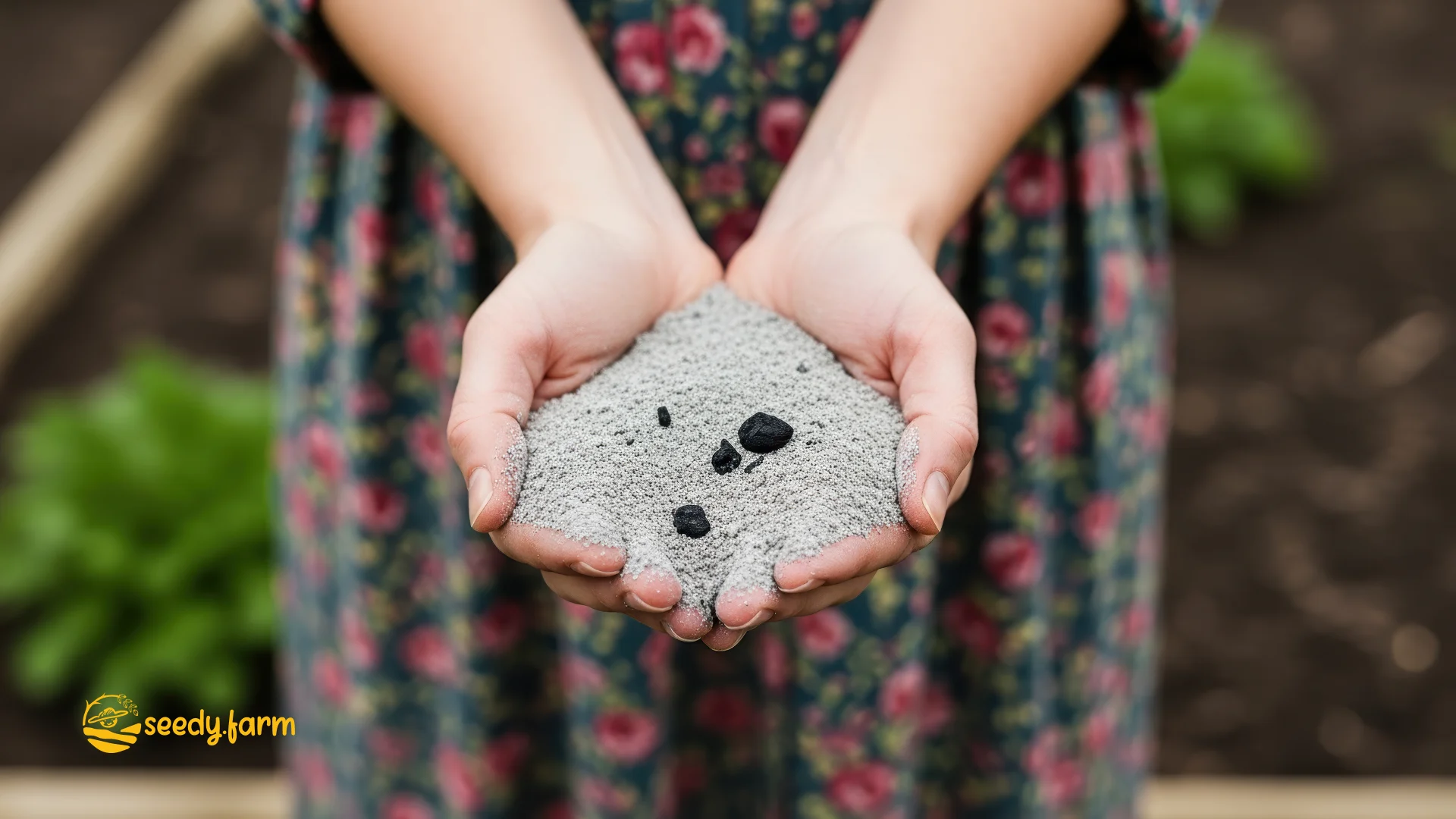
All wood ash comes from a living thing—a tree—that spent decades drawing minerals from the ground. When the wood burns, the carbon, nitrogen, and sulfur are released as gases, but the mineral components remain. This residue is what we can return to the soil.
1. The Nutrient Profile of Wood Ash
Wood ash is primarily a source of calcium, potassium, magnesium, and phosphorus, along with a host of essential trace elements. It contains virtually no nitrogen. The exact composition varies based on the type of wood burned (hardwoods are generally richer in nutrients than softwoods), but a typical analysis shows its key contributions.
| Nutrient & Chemical Form | Typical Percentage by Weight | Primary Role in the Garden |
|---|---|---|
| Calcium (as Calcium Carbonate, CaCO₃) | 20-35% | Strengthens plant cell walls; crucial for fruit development; raises soil pH. |
| Potassium (as Potash, K₂O) | 3-7% | Manages water use, enhances disease resistance, and supports flower and fruit production. |
| Magnesium (Mg) | 1-3% | A core component of chlorophyll, essential for photosynthesis (turning sunlight into energy). |
| Phosphorus (P) | 0.5-2% | Drives root growth, seed formation, and energy transfer within the plant. |
| Trace Elements (Fe, Mn, Zn, etc.) | Varies | Act as catalysts for countless biological processes, much like vitamins in our own diet. |

### 2. The Calcium Advantage: Wood Ash as a Liming Agent
The dominant component of wood ash is calcium carbonate, the same active ingredient found in agricultural lime. This makes wood ash a fast-acting “liming agent”—a substance used to raise the pH of acidic soil. Soil pH is a measure of acidity or alkalinity on a scale of 0-14, with 7.0 being neutral. Most vegetables, fruits, and ornamental plants thrive in a slightly acidic to neutral range of 6.0 to 7.0. Applying wood ash makes acidic soil less acidic (or “sweeter”), unlocking nutrients that were previously unavailable to plant roots.
3. Potassium: The Key to Plant Vitality
Potassium, often called potash in fertilizer analysis, is critical for a plant’s overall vigor. Think of it as the plant’s internal regulator. It helps control the microscopic pores on leaves (stomata) that manage water loss, facilitates the movement of sugars from leaves to fruit, and activates enzymes that help the plant withstand stress from drought, heat, and disease. A potassium deficiency often appears as yellowing along the edges of older leaves.
4. pH Balancing: A Natural Soil Sweetener
Because of its liming effect, wood ash is most valuable in regions with naturally acidic soils, such as those with high rainfall or in forested areas. Applying it without knowing your starting pH is a significant risk. Adding wood ash to soil that is already neutral or alkaline (pH 7.0 or higher) can raise the pH too much. This can cause “nutrient lockout,” where essential nutrients like iron and manganese are chemically bound in the soil and unavailable to plants, even if they are present.
Critical Safety: Not All Ash Is Equal
Only use ash from clean, untreated, and unpainted hardwood or softwood. Never use ash from:
- Charcoal briquettes (contain chemical binders and accelerants).
- Cardboard or trash (releases harmful pollutants).
- Treated, painted, or stained wood (contains lead, arsenic, and other toxins).
- Pressure-treated lumber (a significant source of heavy metal contamination).
Using the wrong ash can permanently contaminate your garden soil.
## II. Preparing and Applying Wood Ash: Best Practices for Garden Success
Correct application is the difference between a successful soil amendment and a garden disaster. Precision and caution are your best tools.
1. Safety First: Collecting and Storing Wood Ash
- Allow ash to cool for at least 48 hours in the stove or fire pit before handling. Embers can remain hidden and hot for a surprisingly long time.
- Use a metal shovel and store ash in a dedicated metal container with a secure lid, away from any flammable materials. Plastic buckets can melt.
- Store the container in a dry location like a garage or shed. If ash gets wet, the potassium (a highly soluble nutrient) will leach out, washing away its value.
- Wear gloves, eye protection, and a dust mask when handling dry ash. It is a fine, caustic powder that can irritate skin, eyes, and lungs.

### 2. Preparing Wood Ash for Garden Use
- Sifting: Use a simple screen or a piece of hardware cloth to sift out large chunks of charcoal and unburned debris. The fine, gray powder is what you want.
- Aging (Optional): Fresh ash is more caustic than aged ash. While not strictly necessary if you incorporate it into the soil well before planting, letting it sit for a few weeks to a month is a safe practice.
- Moisture Control: Always apply ash when it is completely dry. This allows for even distribution and prevents it from forming lye pockets when it first contacts wet soil.

### 3. Application Techniques for Different Garden Scenarios
a. Soil Amendment
This is the most reliable and beneficial use for wood ash.
- First, conduct a soil test to determine your soil’s pH and potassium levels. This is non-negotiable for responsible application. Contact your local cooperative extension service for a testing kit.
- Apply in late fall or winter. This allows the winter rains and freeze-thaw cycles to fully integrate the ash into the soil before spring planting.
- A conservative general rate for a garden with acidic soil (pH below 6.5) is 5-10 pounds (roughly 1-2 gallons) per 100 square feet. Your soil test will provide a more precise recommendation.
- Spread the ash evenly over the soil surface, then incorporate it into the top 4-6 inches using a garden fork or tiller. Do not simply leave it on top, where it can form a crust.

#### b. Composting Booster
Wood ash can be a helpful addition to a compost pile, but moderation is essential.
- Add ash in very thin layers, like dusting a cake with powdered sugar. Think of it as a seasoning, not a main ingredient.
- The goal is to add minerals and help balance the pH of acidic inputs like pine needles or food scraps.
- A good rule of thumb is to use no more than one shovelful of ash per 3-foot-cubed layer of compost materials.
- Excess ash will raise the pH of the finished compost too high, limiting its use, and can harm the worms and microorganisms doing the work of decomposition.
c. Natural Pest Deterrent
Many gardeners have heard of using wood ash to deter slugs and snails. It’s important to understand the limitations of this method.
- The theory is that the sharp, salty particles irritate the soft bodies of these pests, creating a barrier they are reluctant to cross.
- This effect is extremely temporary. The moment the ash becomes damp from dew, irrigation, or rain, its deterrent quality is completely gone.
- While it can be used as a short-term, last-ditch barrier around a specific plant on a dry evening, it is not a reliable pest management strategy. Rely on more proven methods like hand-picking, traps, and encouraging natural predators.
4. Timing is Everything: When to Apply Wood Ash
- Late fall through winter: This is the ideal time for broadcasting on garden beds. It gives the ash several months to neutralize soil acidity and for its nutrients to become integrated.
- At the time of soil preparation: If applying in spring, do so 2-4 weeks before planting to allow the pH to stabilize.
- Avoid application: Never apply ash to dry, windy days, as it will simply blow away. Avoid applying it directly onto plant foliage, especially when wet, as this can cause leaf burn. Never apply to potato beds, as alkaline soil encourages potato scab disease.
5. Monitoring and Adjusting Your Wood Ash Strategy
- Conduct a soil test every 2-3 years to track changes in pH and nutrient levels.
- Pay attention to your plants. Signs of nutrient deficiency (like yellowing leaves) or stunted growth are your best indicators that something is amiss.
- Keep a simple garden journal. Note when and how much ash you applied to a certain area. This record is invaluable for future adjustments.
Mentor’s Corner: The Problem with “Wood Ash Tea”
You may see recommendations to make a “wood ash tea” or liquid fertilizer. I strongly advise against this. When you mix wood ash with water, you are creating a highly alkaline solution called lye, which is caustic. It is very easy to create a mixture that is far too strong and will severely burn plant roots and foliage. The pH of this liquid can be extremely high (10-12), and applying it can cause immediate damage and shock to your plants. The safer, more effective, and more predictable method is to apply the dry ash directly to the soil well before planting.
## III. Maximizing Benefits and Avoiding Pitfalls: Advanced Wood Ash Strategies

### 1. Right Plant, Right Ash: Matching Wood Ash to Plant Needs
Some plants will love the conditions wood ash creates, while for others it will be detrimental.
Ideal Candidates for Wood Ash Application (Plants that prefer pH 6.5-7.5):
- Brassica Family: Broccoli, Brussels sprouts, cabbage, kale (Brassica oleracea)
- Alliums: Garlic, onions, leeks (Allium species)
- Most Nightshades: Tomatoes, peppers, eggplant (Solanaceae family) – Note: Avoid for potatoes.
- Legumes: Beans, peas (Fabaceae family)
- Lawn Grasses: Kentucky bluegrass, fescue
- Many Flowers: Lilacs, hydrangeas (for pink blooms), clematis, phlox, dianthus
Plants to Avoid or Use Caution With (Acid-Lovers):
- Ericaceous Plants: Blueberries (Vaccinium), azaleas, rhododendrons
- Vegetables: Potatoes (Solanum tuberosum) – alkaline soil promotes the disease Potato Scab.
- Fruits: Raspberries and strawberries prefer slightly acidic soil; use ash very sparingly, if at all.
- Certain Trees: Oaks, magnolias, and most conifers prefer acidic conditions.

### 2. The Art of Moderation: Avoiding Over-Application
More is not better. The goal is to correct a deficiency or an acidic pH, not to create an alkaline desert.
- Soil Alkalinity: The most common problem. A pH above 7.5 can lock up iron, manganese, and phosphorus, leading to yellowed leaves and stunted growth. It is much harder to lower soil pH than to raise it.
- Salt Buildup: Wood ash contains salts that, with repeated heavy applications, can build up to levels that damage soil structure and harm plant roots.
- Nutrient Imbalances: An excess of potassium can interfere with the plant’s ability to take up magnesium and calcium, even if those nutrients are present in the soil.
To avoid these issues:
- Trust your soil test results, not guesswork.
- If you don’t have a test, err on the side of caution. A single light application is safer than repeated heavy ones.
- Rotate applications around your garden rather than applying to the same spot year after year.
3. Environmental Responsibility: Sustainable Wood Ash Use
Good gardening is good stewardship of the land.
- Source Quality: Re-emphasizing this point: only use ash from clean, natural wood. This protects your soil and your food from contamination.
- Runoff Concerns: Do not apply ash on frozen ground, on steep slopes, or near streams, ponds, or wetlands. The nutrients that are beneficial in your garden become pollutants in waterways.
- Biodiversity: If you have acidic soil, consider leaving a section of your landscape un-amended to support native, acid-loving plants.
Expert Tips: Advanced Wood Ash Strategies
- Custom Blends: For a more balanced fertilizer, mix your sifted wood ash with a nitrogen source like finished compost or soybean meal just before application.
- Targeted Nutrition: Use a light dusting of ash in the planting hole for heavy feeders like tomatoes to provide a localized boost of calcium and potassium.
- Side-Dressing Brassicas: Once cabbage or broccoli plants are established, a light sprinkle of ash worked into the soil around the base can provide a mid-season potassium boost.
- Lawn Care: For lawns on acidic soil, a light, even application in the fall can improve turf health and reduce moss, which thrives in acidic conditions.
### 4. Frequently Asked Questions: Demystifying Wood Ash Use
Clear answers to the most common questions from gardeners.
Can wood ash be used on all types of plants?
No. It is beneficial for plants that thrive in neutral to slightly alkaline soil (pH 6.5-7.5). Never use it on acid-loving plants like blueberries, rhododendrons, and azaleas, or on potatoes.
How much wood ash should I apply to my garden?
Without a soil test, a conservative rate is 5-10 pounds per 100 square feet annually. A soil test is the only way to know the correct amount for your specific conditions. Always apply less than you think you need.
Is wood ash safe to use in vegetable gardens?
Yes, it is safe and beneficial for many vegetables when you use ash from clean, untreated wood and apply it correctly. Work it into the soil before planting; do not let it touch plant stems or leaves.

#### Does wood ash have any pest control properties?
Its effect is minimal and very temporary. It can act as a brief barrier against slugs and snails on dry nights but washes away with the first bit of moisture. It is not a reliable pest control method.
Can I use ash from my fireplace or wood stove?
Yes, provided you have only burned clean, untreated, unpainted wood. Ash from charcoal, treated wood, or trash is toxic and must never be used in the garden.
How long does wood ash remain effective in the soil?
Its liming effect is fastest in the first six months but can influence soil pH for over a year. The nutrients, particularly potassium, are water-soluble and will be used by plants or leach from the soil more quickly, especially in sandy soils.
Can wood ash replace lime for pH adjustment?
Yes, it can, but they are not identical. Wood ash is more water-soluble and acts faster than standard limestone but has a shorter-lasting effect. As a rough guide, you may need to apply nearly twice as much wood ash by weight as limestone to achieve a similar pH change.
Are there any risks associated with using wood ash in the garden?
Yes, if used improperly. The main risks are:
- Raising soil pH too high, which locks out nutrients.
- Burning plant roots or foliage if applied directly or in concentrated amounts.
- Inhaling the caustic dust during application. Always wear a mask.
- Contaminating soil with heavy metals if you use ash from improper sources.
Can I add wood ash to my compost pile?
Yes, but in very small quantities. A light dusting between layers adds minerals. Too much will make the compost excessively alkaline, harming microorganisms and limiting its future use.
How does wood ash compare to other organic fertilizers?
Wood ash is a mineral amendment, not a complete fertilizer. Its strength is providing potassium, calcium, and raising pH. It contains no nitrogen, which is the nutrient most often needed by plants for green, leafy growth. It should be used as part of a broader fertility strategy that includes nitrogen sources like compost, manures, or seed meals.
Comments (0)
No comments yet. Be the first to share your thoughts.