 Skip to content
Growing Eggplant at Home: Step-by-Step Guide
Embarking on the journey of growing eggplant at home is a rewarding way to bring fresh, vibrant flavors and colors
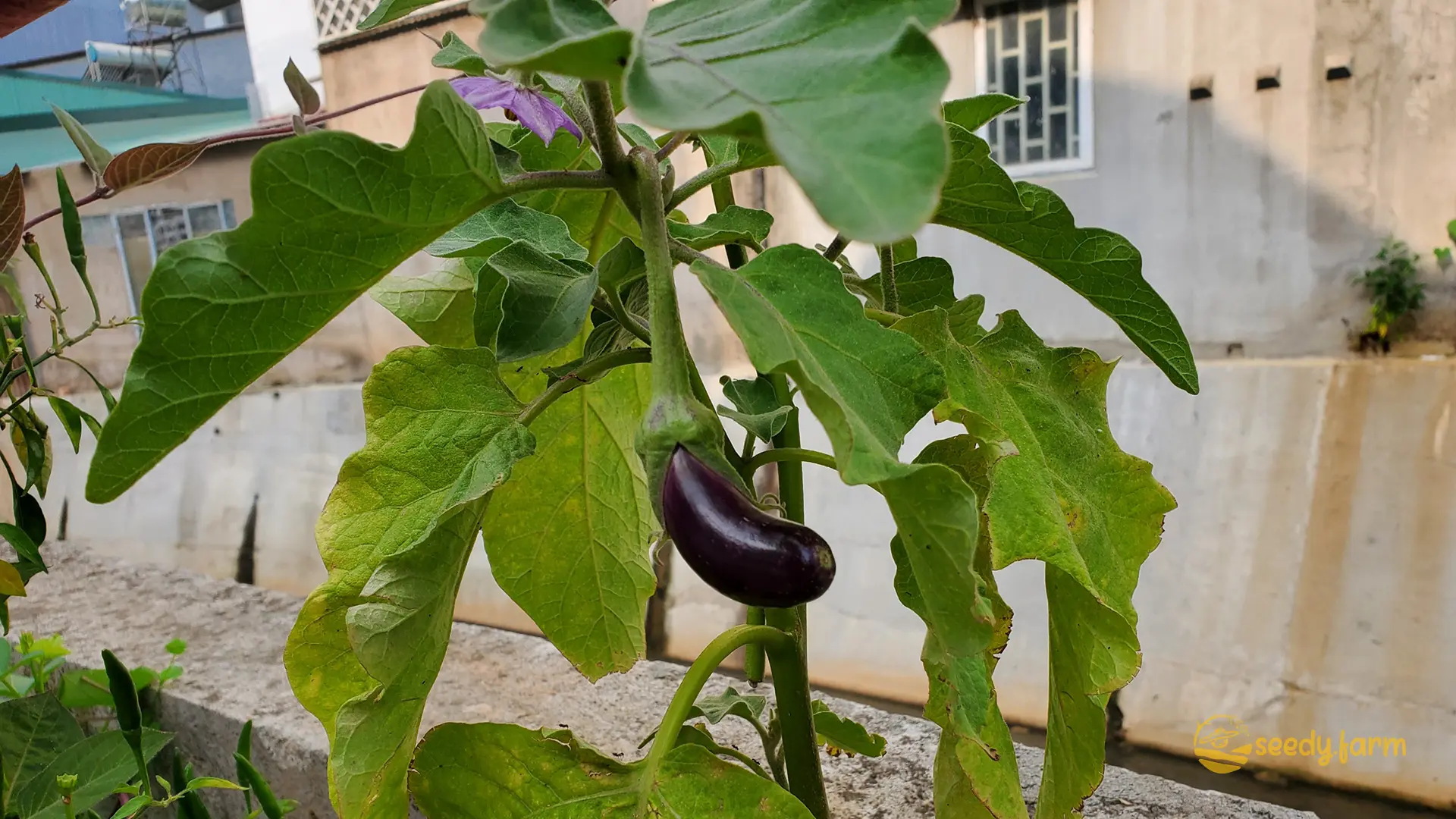
Embarking on the journey of growing eggplant at home is a rewarding way to bring fresh, vibrant flavors and colors to your garden and kitchen. Eggplants, also commonly known as aubergines, are not only delicious and incredibly versatile culinary stars but also add ornamental beauty with their glossy fruits ranging from deep purple to vibrant green or pristine white.
Eggplant (Solanum melongena) boasts a rich history, tracing its origins to Southeast Asia before becoming a beloved ingredient in cuisines across the globe. From the heartiness of Italian Eggplant Parmigiana to the smoky depths of Indian Baingan Bharta, this member of the nightshade family (Solanaceae) is indispensable.
Why cultivate your own eggplants? The taste difference is remarkable; homegrown eggplants offer superior freshness and flavor compared to those found in stores. Moreover, there’s immense satisfaction in nurturing a plant from a tiny seed to a fruitful harvest. Eggplants adore warmth and sunshine, making them ideal candidates for summer gardens. Whether you have sprawling garden beds or a compact balcony with containers, successfully growing these delightful vegetables is well within reach.
This guide will navigate you through every essential aspect of growing eggplant. From understanding different varieties and their needs to planting, nurturing, troubleshooting common issues, and harvesting your crop, we’ve compiled everything you need for success. Let’s begin your adventure in growing delicious, homegrown eggplants!
I. Understanding Eggplant
1. Botanical Background
Eggplant, botanically known as Solanum melongena, is a fascinating and valuable addition to both the edible garden and the dinner plate. It belongs to the extensive nightshade family (Solanaceae), sharing kinship with tomatoes, peppers, and potatoes. Originating in the warm climates of Southeast Asia, eggplant has been cultivated for millennia, weaving its way into countless culinary traditions worldwide.
While technically a tender perennial in tropical zones, eggplant is typically cultivated as an annual in temperate climates due to its sensitivity to cold. The plants feature large, somewhat coarse, lobed leaves and develop into bushy forms, often reaching heights of 2 to 4 feet (0.6 to 1.2 meters). They produce lovely star-shaped flowers, usually purple but sometimes white, which eventually give way to the smooth, glossy fruits we prize. The ‘fruit’ is botanically classified as a berry.
| Specification | Value |
|---|---|
| Scientific Name | Solanum melongena |
| Plant Type | Tender Perennial (Usually grown as an Annual) |
| Growth Habit | Upright, Bushy |
| Mature Height | 2-4 ft (0.6 – 1.2 m), varies by variety |
| Mature Spread | 2-3 ft (0.6 – 0.9 m) |
| Days to Maturity (from transplant) | Typically 65-100 days, variety dependent |
| Fruit Shape | Highly variable: Oblong, Oval, Round, Elongated, Teardrop |
| Fruit Color | Deep Purple, Black, Lavender, White, Green, Pink, Orange, Striped |
| Fruit Size | Variable; e.g., Classic types 6-12 in (15-30 cm) long, up to 1 lb+ (0.45 kg+) |
| Calorie Content (cooked, approx.) | ~35 calories per 1 cup (approx. 99g) |
| Nutrient Value Highlights | Good source of Fiber, Folate, Potassium, Manganese, Vitamin K, Vitamin B6; contains antioxidants like Nasunin. |
| Ideal Soil pH | Slightly Acidic: 5.8 – 6.5 |
| Ideal Air Temperature (Growth) | 70-85°F (21-29°C) during the day |
| Ideal Soil Temperature (Germination) | 75-90°F (24-32°C) |
| Spacing | 18-24 in (45-60 cm) apart in rows 30-36 in (75-90 cm) apart |
| Sunlight Needs | Full Sun (minimum 6-8 hours direct sunlight daily) |
### 2. Varieties of Eggplant
Exploring the world of eggplant varieties is one of the great joys for a home gardener. Beyond the familiar large purple types, there’s a spectrum of shapes, sizes, colors, and even flavors. Consider your climate, space, and culinary preferences when choosing. Here are some popular and interesting options:
| Variety | Description | Days to Maturity (approx.) | Recommended Spacing |
|---|---|---|---|
| Black Beauty | Classic heirloom; large, teardrop-shaped, glossy purple-black fruits. Dependable producer. Great all-purpose eggplant. | 75-80 days | 24-30 in (60-75 cm) |
| Rosa Bianca | Italian heirloom; stunning roundish, lavender-streaked white fruits. Mild, creamy, non-bitter flesh. Considered gourmet quality. | 75-85 days | 24-30 in (60-75 cm) |
| Patio Baby F1 | Compact plant ideal for containers. Produces abundant clusters of small (2-3 inch / 5-7.5 cm), oval, deep purple fruits early in the season. | 45-50 days | 18-24 in (45-60 cm) |
| Ichiban | Japanese type; long, slender (8-10 inch / 20-25 cm), deep purple fruits. Tender skin, mild flavor, few seeds. Excellent for grilling and stir-fries. | 60-70 days | 24-30 in (60-75 cm) |
| Gretel F1 | Produces clusters of small (3-4 inch / 7.5-10 cm), slender, glossy white fruits. Tender, non-bitter. Early maturity. Pairs well with ‘Hansel’ (purple). | 55-60 days | 18-24 in (45-60 cm) |
| Fairy Tale F1 | Miniature plant with charming, small (2-4 inch / 5-10 cm), elongated fruits striped with violet and white. Ornamental and delicious. Great for containers. | 50-55 days | 18-24 in (45-60 cm) |
| Listada de Gandia | Spanish heirloom; beautiful oval fruits (6-8 inches / 15-20 cm) with vibrant purple and white stripes. Sweet, tender flesh. | 80-90 days | 24-30 in (60-75 cm) |
| Prosperosa | Italian heirloom; large, round, deeply ribbed, glossy purple fruits. Dense, meaty flesh with excellent flavor. Needs strong support. | 75-80 days | 30-36 in (75-90 cm) |
| Kermit F1 | Thai type; produces clusters of small (2-inch / 5 cm), round, green fruits often with white stripes. Slightly bitter, used in Asian cuisine. | 60-65 days | 18-24 in (45-60 cm) |
| Cloud Nine F1 | Unique; produces elongated, pure white fruits (7-9 inches / 18-23 cm). Mild flavor, tender skin. Holds color well when cooked. | 70-75 days | 24-30 in (60-75 cm) |
Note: Days to maturity are typically measured from the date of transplanting into the garden. F1 indicates a hybrid variety.
3. Nutritional Benefits
Beyond its culinary versatility, eggplant is a nutritious vegetable contributing valuable components to a healthy diet. It’s naturally low in calories and sodium but offers dietary fiber and several important micronutrients.
| Nutrient | Approx. Amount (per 1 cup / ~99g cooked, boiled) | Key Benefit |
|---|---|---|
| Calories | ~35 kcal | Low-calorie food, supportive of weight management. |
| Dietary Fiber | ~2.5 g | Supports digestive health, helps regulate blood sugar. |
| Folate (Vitamin B9) | ~14 mcg (3% DV) | Essential for cell division and DNA synthesis. |
| Vitamin K | ~2.9 mcg (3% DV) | Important for blood clotting and bone health. |
| Vitamin C | ~1.3 mg (1% DV) | Antioxidant; supports immune function. |
| Manganese | ~0.1 mg (5% DV) | Involved in metabolism and bone formation; antioxidant function. |
| Potassium | ~122 mg (3% DV) | Helps regulate fluid balance, nerve signals, and muscle contractions. |
| Anthocyanins (e.g., Nasunin) | Varies (concentrated in purple skin) | Potent antioxidants linked to brain health and protection against cellular damage. |
DV = Daily Value based on a 2,000 calorie diet. Nutrient values can vary based on variety and preparation method.
II. Preparing and Planting Eggplant
1. Choosing the Right Location
Selecting the perfect spot is the first step towards a thriving eggplant patch. These plants have specific needs, especially regarding sunlight and soil conditions.
a. Garden Placement
- Sunlight is Key: Eggplants are true sun-worshippers. They require a location that receives full sun, meaning at least 6-8 hours (preferably more) of direct, unobstructed sunlight each day. Insufficient light leads to leggy growth and poor fruit production.
- Well-Drained Soil: Eggplant roots detest ‘wet feet’. Choose a site with soil that drains well. Standing water after rain is a red flag. Heavy clay soils should be amended to improve drainage. Raised beds are an excellent solution for areas with poor drainage.
- Good Air Circulation: Spacing plants appropriately (see Section II.4.b) allows air to move freely, which helps dry foliage quickly after rain or watering, reducing the risk of fungal diseases like powdery mildew and blight. Avoid planting too densely.
- Warmth: Eggplants thrive in heat. Select a spot that warms up quickly in spring, ideally one sheltered from strong, chilling winds, which can stress plants and reduce yields.
b. Container Gardening
Growing eggplant in pots is entirely feasible, especially for smaller varieties or if garden space is limited.
- Container Size Matters: Choose a container that holds at least 5 gallons (approx. 19 Liters) and is roughly 12-14 inches (30-35 cm) in diameter and depth per plant. Larger is generally better, providing more room for root growth and buffering against drying out quickly. Dark-colored pots absorb more heat, which eggplants appreciate.
- Essential Drainage: Ensure your chosen pot has multiple drainage holes at the bottom. Covering holes with mesh or coffee filters can prevent soil loss while allowing water to escape.
- Quality Potting Mix: Use a high-quality, well-draining potting mix formulated for containers, preferably one containing compost or other organic matter. Avoid using garden soil, which compacts easily in pots, hindering drainage and aeration. Consider peat-free mixes for a more sustainable option.
- Sun Exposure: Place containers in the sunniest location available – a south-facing patio, balcony, or deck is ideal. Rotate pots occasionally if sunlight is uneven.
Key Considerations for Eggplant Location
- Maximize Sun: Prioritize locations receiving 8+ hours of direct sunlight daily for best results.
- Ensure Excellent Drainage: Amend heavy soils with compost or opt for raised beds or containers. Avoid low-lying, waterlogged areas.
- Provide Shelter: Protect plants from strong winds, which can damage leaves and blossoms and cool the plants excessively.
### 2. Propagation Methods
You can start your eggplant journey either from seeds or by purchasing young plants (transplants). Each method has its advantages.
a. Starting From Seeds
Growing from seed offers the widest variety selection and the satisfaction of nurturing the plant from the very beginning. However, eggplants require a long, warm growing season, making an early indoor start essential in most temperate climates.
- Timing is Crucial: Start seeds indoors 8-10 weeks before your average last spring frost date. This gives seedlings ample time to develop before outdoor temperatures are consistently warm.
- Containers and Mix: Use clean seed trays, cell packs, or small pots (2-3 inches / 5-7.5 cm) with drainage holes. Fill them with a sterile, lightweight seed-starting mix. Using a quality mix (consider peat-free options) ensures good drainage and aeration, critical for tiny roots. The mix should be pre-moistened so it’s damp but not soaking wet.
- Sowing Depth: Plant seeds about 1/4 inch (6 mm) deep. Planting too deep can hinder germination. Sow 2-3 seeds per cell/pot and thin to the strongest seedling later.
- Warmth for Germination: Eggplant seeds need significant warmth to germinate reliably and quickly. Aim for a consistent soil temperature between 75-90°F (24-32°C). A seedling heat mat placed under the trays is highly recommended for achieving this optimal range. Without adequate heat, germination can be slow, erratic, or fail altogether.
- Light After Germination: As soon as the first seeds sprout (typically 7-14 days), provide very bright light. A sunny south-facing window might suffice, but supplemental lighting using grow lights (fluorescent or LED) is often necessary to prevent seedlings from becoming weak and ‘leggy’. Position lights just a few inches (several cm) above the seedlings and provide 14-16 hours of light per day.
- Watering Seedlings: Keep the seed starting mix consistently moist but never waterlogged. Water gently from the bottom or use a fine mist spray to avoid dislodging seeds or seedlings. Allow the surface to dry slightly between waterings once seedlings are established.
b. Using Transplants
Purchasing transplants from a nursery or garden center saves time and bypasses the seed-starting process.
- Selecting Healthy Plants: Choose stocky, compact plants with healthy, deep green leaves. Avoid plants that look pale, yellowed, leggy (stretched stems), wilted, or show signs of pests (check undersides of leaves) or diseases (spots on leaves). Look for plants with a well-developed root system (but not severely root-bound).
- Variety Choice: Ensure the variety is suitable for your growing conditions and preferences.
- Hardening Off: This is a critical step! Transplants grown in the controlled environment of a greenhouse need to gradually acclimate to outdoor conditions (sunlight intensity, wind, temperature fluctuations). Over 7-10 days, expose plants to increasing periods of outdoor time. Start with 1-2 hours in a sheltered, shady spot, gradually increasing sun exposure and duration each day. Bring them indoors at night if frost threatens. Properly hardened-off plants are much less likely to suffer transplant shock.
3. Soil Preparation
Healthy soil is the foundation for productive eggplant growth. They are relatively heavy feeders and appreciate rich, fertile ground.
- Improve Soil Structure and Fertility: Before planting, amend your garden beds generously with organic matter. Spread a 2-4 inch (5-10 cm) layer of well-finished compost, well-rotted manure (ensure it’s aged, as fresh manure can burn plants), or leaf mold over the planting area and work it into the top 6-12 inches (15-30 cm) of soil. Organic matter improves drainage in clay soils, water retention in sandy soils, and provides a slow release of essential nutrients.
- Check Soil pH: Eggplants prefer a slightly acidic soil pH, ideally between 5.8 and 6.5. You can test your soil pH using a simple home test kit or by sending a sample to your local cooperative extension service. If the pH is too high (alkaline), amend with elemental sulfur. If too low (acidic), add ground limestone or wood ash. Follow test recommendations for application rates.
- Ensure Warm Soil: Eggplants demand warm soil for active growth. Don’t rush to plant outdoors! Wait until the soil temperature consistently reaches at least 65°F (18°C), and ideally closer to 70°F (21°C). Planting in cold soil will stunt growth significantly. Using black plastic mulch or landscape fabric can help warm the soil faster in spring and is a common practice for heat-loving crops like eggplant.
- Initial Fertilization: Incorporating a balanced, slow-release organic fertilizer at planting time can provide a good nutrient base. Follow package instructions for rates. Avoid excessive nitrogen early on, which can promote leafy growth at the expense of flowers and fruit.
4. Planting Process
Once the soil is prepared, nighttime temperatures are reliably above 55°F (13°C), and your seedlings are hardened off, it’s time to plant!
a. Planting Depth and Spacing
- Depth: Handle seedlings gently by their leaves or root ball to avoid damaging the stem. Dig a hole slightly larger than the root ball. Set the transplant in the hole at the same depth it was growing in its pot. Planting too deep can lead to stem rot. Gently firm the soil around the base of the plant to eliminate large air pockets.
- Spacing: Proper spacing is crucial for air circulation and preventing competition for light, water, and nutrients. Space standard eggplant varieties 18-24 inches (45-60 cm) apart within the row. Allow 30-36 inches (75-90 cm) between rows. Give larger varieties or those grown in very fertile soil the wider end of the spacing range.
b. Initial Watering and Mulching
- Watering In: Immediately after planting, water each plant thoroughly at the base. This helps settle the soil around the roots and reduces transplant shock. Ensure the water penetrates deep into the root zone.
- Mulching: Apply a 2-3 inch (5-7.5 cm) layer of organic mulch around the base of the plants, leaving a small gap around the stem itself to prevent rot. Good mulch options include straw, shredded leaves, grass clippings (use thin layers to avoid matting), or wood chips. Mulching is highly beneficial: it conserves soil moisture (reducing watering needs), suppresses weeds, regulates soil temperature (keeping roots cooler in summer heat and warmer in cool spells), and gradually improves soil structure as it decomposes.
c. Supporting Your Plants
Most eggplant varieties benefit from support, especially once they start bearing heavy fruit.
- Stake or Cage Early: Install stakes (sturdy wood or bamboo, 3-5 feet / 0.9-1.5 m tall) or cages (like those used for tomatoes) at the time of planting or very shortly after. Doing it later risks damaging the developing root system. Place stakes a few inches (several cm) away from the plant stem.
- Securing the Plant: As the main stem grows, loosely tie it to the stake using soft plant ties, strips of cloth, or garden twine. Avoid tying too tightly, which can constrict the stem. Continue adding ties every 8-12 inches (20-30 cm) as the plant grows taller. For cages, gently guide the main stems and developing branches through the cage openings.
Essential Planting Steps for Success
- Wait for Warmth: Do not plant outside until all danger of frost has passed and both air and soil temperatures are consistently warm (soil >65°F/18°C, nights >55°F/13°C).
- Harden Off Properly: Gradually acclimate indoor-started seedlings to outdoor conditions over 7-10 days before planting.
- Enrich the Soil: Incorporate plenty of compost or other aged organic matter into the planting area.
- Space Adequately: Follow recommended spacing (typically 18-24 inches / 45-60 cm apart) to ensure good air circulation and room to grow.
- Water In & Mulch: Water thoroughly after planting and apply a layer of organic mulch immediately.
- Provide Support Early: Install stakes or cages at planting time to support the plant as it grows and bears fruit.
## III. Caring for Eggplant
Consistent care throughout the growing season will reward you with healthy plants and a generous harvest. Eggplants need regular attention to watering, feeding, and structural support.
1. Watering Needs
Eggplants require consistent moisture, especially during flowering and fruit development, to produce well-formed, non-bitter fruit.
a. Frequency and Amount
- Maintain Consistent Moisture: The goal is to keep the soil consistently moist, like a wrung-out sponge, but never waterlogged. Aim to provide about 1-1.5 inches (2.5-4 cm) of water per week, either from rainfall or irrigation. This usually translates to deep watering 1-3 times per week, depending on weather (hot, windy conditions increase needs) and soil type (sandy soils dry out faster than clay).
- Water Deeply: Shallow, frequent watering encourages shallow root systems. Water deeply enough to moisten the soil 6-8 inches (15-20 cm) down, encouraging roots to grow deeper where moisture is more reliable.
- Check Soil Moisture: Don’t rely solely on a schedule. The best way to know when to water is to check the soil. Dig your finger down 2-3 inches (5-7.5 cm) near the plant base. If the soil feels dry at that depth, it’s time to water.
- Focus Water at the Base: Use drip irrigation, soaker hoses, or hand-water carefully at the soil level. Avoid overhead watering, which wets the foliage and can promote fungal diseases. Watering early in the morning allows foliage to dry quickly if it does get wet.
b. Signs of Overwatering and Underwatering
- Overwatering Symptoms: Can mimic underwatering initially (wilting), but the soil will be wet. Look for yellowing leaves (especially lower ones), stunted growth, potential root rot (mushy, brown roots if you inspect), and blossom drop. Ensure good drainage is in place.
- Underwatering Symptoms: Wilting leaves (especially during the heat of the day, though temporary wilting can occur in extreme heat even with adequate water), dry or crispy leaf edges, slow or stunted growth, blossom drop, and small or poorly developed fruit.
2. Fertilization
Eggplants are relatively heavy feeders and benefit from supplemental nutrients to support vigorous growth and fruit production.
a. Understanding Nutrient Needs
Eggplants need a balanced supply of nutrients. Key nutrients include:
- Nitrogen (N): Promotes leafy green growth. Important early on, but excess nitrogen later can inhibit flowering and fruiting.
- Phosphorus (P): Crucial for root development, flowering, and fruit set.
- Potassium (K): Important for overall plant vigor, disease resistance, and fruit quality.
Fertilizer packaging lists these as N-P-K ratios (e.g., 5-10-10 means 5% Nitrogen, 10% Phosphorus, 10% Potassium).
b. Feeding Schedule and Methods
- At Planting: As mentioned in Soil Prep, incorporating compost and a balanced organic fertilizer provides a good start.
- Side-Dressing During Growth: Once plants start actively growing and flowering (about 3-4 weeks after transplanting), begin supplemental feeding. Apply fertilizer every 4-6 weeks throughout the growing season. - Organic Options (Preferred for Sustainability): Side-dress with well-rotted compost, worm castings, or a balanced granular organic fertilizer scratched lightly into the soil surface around the plant (avoiding direct contact with the stem) and water it in. Liquid organic fertilizers like fish emulsion or compost tea can be applied every 2-3 weeks according to label directions. - Synthetic Options: If using synthetic fertilizers, choose a balanced one (e.g., 10-10-10) or one slightly higher in phosphorus and potassium (e.g., 5-10-10) during the fruiting stage. Follow package instructions carefully to avoid over-fertilizing, which can burn plants or cause nutrient imbalances.
- Monitor Plant Health: Adjust feeding based on plant appearance. Lush, dark green growth might mean sufficient nitrogen; pale leaves could indicate a need for more.
c. Signs of Nutrient Deficiencies
- Nitrogen Deficiency: General yellowing of leaves, starting with the older, lower leaves. Stunted growth. Apply a nitrogen source like blood meal (use sparingly), fish emulsion, or a balanced fertilizer.
- Phosphorus Deficiency: Leaves may appear dull, purplish (especially undersides), or abnormally dark green. Poor flowering or fruit set. Bone meal or rock phosphate can supply phosphorus (check soil pH compatibility).
- Potassium Deficiency: Yellowing or browning along the edges of older leaves (leaf scorch). Weak stems, poor fruit development. Greensand, kelp meal, or sulfate of potash can provide potassium.
Watering and Fertilizing Best Practices
- Consistent Deep Watering: Keep soil evenly moist, especially during fruiting. Water deeply 1-3 times per week (providing 1-1.5 inches / 2.5-4 cm total weekly), checking soil moisture first. Use drip irrigation or soaker hoses for efficiency and disease prevention.
- Feed Regularly: Eggplants are hungry plants. Supplement with compost or a balanced organic fertilizer every 4-6 weeks after plants are established.
- Prioritize Organic Matter: Continuous addition of compost improves soil structure, water retention, and provides slow-release nutrients, reducing reliance on supplemental fertilizers.
- Observe Your Plants: Adjust watering and feeding based on weather conditions and plant appearance. Yellowing leaves or stunted growth can signal issues.
### 3. Pruning and Staking
While not always strictly necessary, strategic pruning and consistent staking can lead to healthier, more productive eggplant plants with higher quality fruit.
a. Pruning Eggplants
Pruning helps manage plant size, improve air circulation, and direct energy towards fruit production rather than excessive vegetative growth.
Why Prune?
- Improved Air Circulation: Removing excess foliage allows air to flow more freely through the plant canopy, reducing humidity and lowering the risk of fungal diseases.
- Better Light Penetration: Allows sunlight to reach ripening fruits and lower leaves.
- Larger Fruit (Potentially): By limiting the number of growing points or fruits, the plant may direct more resources into the remaining ones, resulting in larger individual eggplants (though potentially fewer overall).
- Easier Management: A well-pruned plant is easier to inspect for pests and diseases and simpler to harvest.
How to Prune
- ‘Topping’ (Optional): Some gardeners pinch or snip off the main growing tip when the plant is about 12-15 inches (30-38 cm) tall. This encourages the plant to branch out, creating a bushier habit with potentially more flowering stems.
- Removing Suckers: Similar to tomatoes, eggplants produce ‘suckers’ – small shoots that emerge from the leaf axils (where a leaf meets the main stem). Removing some of these, especially lower down on the plant, can help simplify the plant structure and improve airflow. Focus on removing suckers below the first main fork or flower cluster.
- Lower Leaves: Remove any leaves that touch the soil surface, as these provide an easy pathway for soilborne diseases. Also, remove any yellowing, diseased, or damaged leaves promptly throughout the season. Use clean pruners or snips.
- Thinning Fruit (Optional): Some growers limit each plant to 4-6 main fruits, especially for large-fruited varieties. This involves removing some flowers or tiny developing fruits to encourage the remaining ones to grow larger. This is more common in commercial settings or for exhibition growing.
b. Staking Eggplants
Eggplant stems can become brittle and may break under the weight of developing fruit or in strong winds. Staking provides essential support.
Why Stake?
- Prevent Branch Breakage: Supports heavy, fruit-laden branches, preventing them from snapping.
- Keep Fruit Off the Ground: Elevates fruit, reducing the risk of rot, disease, and pest damage from soil contact.
- Improve Airflow and Light: Keeps the plant upright, contributing to better air circulation and sunlight exposure compared to a sprawling plant.
- Simplify Harvest & Care: Makes accessing the plant for watering, weeding, pest inspection, and harvesting much easier.
How to Stake
- Choose Appropriate Support: Use sturdy stakes (wood, bamboo, metal) at least 3-5 feet (0.9-1.5 m) tall and about 1 inch (2.5 cm) thick. Tomato cages (choose sturdy, tall ones) can also work well, especially for bushier varieties.
- Install Support Early: As mentioned previously, install stakes or cages at planting time or within a week or two, while the root system is small, to minimize root disturbance. Place stakes 3-4 inches (7.5-10 cm) from the plant stem.
- Secure the Plant: Use soft materials like garden twine, strips of fabric, or specialized plant ties. Tie the main stem loosely to the stake at intervals of 8-12 inches (20-30 cm) as the plant grows. Ensure the ties are snug enough to provide support but loose enough to allow the stem to expand without being girdled or damaged.
- Support Fruiting Branches: If specific branches become very heavy with fruit, you may need to provide additional support by looping ties around the branch and securing them to the main stake or cage.
Pruning and Staking Essentials
- Prune for Airflow: Remove lower leaves touching the soil and some suckers below the first fruit set to improve air circulation and reduce disease risk. Always use clean tools.
- Stake Early and Securely: Install sturdy stakes or cages (3-5 ft / 0.9-1.5 m) at planting time. Tie stems loosely with soft ties as the plant grows to provide support without damaging the stem.
- Monitor Growth: Regularly check ties and add more support as needed, especially as fruits develop and gain weight.
- Gentle Handling: Eggplant stems can be brittle; handle plants carefully during pruning and tying.
## IV. Pest and Disease Management
Vigilance and proactive measures are key to keeping your eggplants healthy. Implementing Integrated Pest Management (IPM) strategies, which prioritize prevention and sustainable solutions, is the most effective approach.
1. Common Pests
Several insects find eggplants appetizing. Early detection and management can prevent significant damage.
a. Flea Beetles
These small, dark, jumping beetles chew numerous small, round “shot holes” in eggplant leaves. Young plants are particularly vulnerable, and severe infestations can stunt growth or kill seedlings.
- Prevention: Use floating row covers immediately after transplanting, sealing the edges with soil, to create a physical barrier until plants are larger and more established (remove covers when plants start flowering to allow pollination). Delay planting until the weather is consistently warm, as plants grow faster and can better withstand damage.
- Control: Sticky traps (yellow) can capture some adults. Dusting leaves with kaolin clay (e.g., Surround WP) creates a protective film that deters feeding. Beneficial nematodes applied to the soil can target larvae. In severe cases, organic insecticides containing spinosad or pyrethrin can be used, following label directions carefully and applying late in the day to minimize harm to pollinators.
b. Aphids
Tiny, pear-shaped insects (green, black, yellow, pink) that cluster on new growth and undersides of leaves, sucking plant sap. This causes yellowing, distorted leaves, and stunted growth. They also excrete sticky “honeydew,” which can lead to sooty mold.
- Control: A strong spray of water from a hose can dislodge many aphids. Encourage natural predators like ladybugs, lacewings, and hoverflies by planting attractive flowers (dill, fennel, alyssum) nearby and avoiding broad-spectrum pesticides. Apply insecticidal soap or neem oil directly onto aphids (ensure thorough coverage, especially undersides); repeat applications are often necessary.
c. Spider Mites
Minute pests (related to spiders), often difficult to see without magnification. They typically colonize the undersides of leaves, creating fine webbing in heavy infestations. Feeding causes stippling (tiny yellow dots) on leaves, which can eventually turn bronze or yellow and drop off. They thrive in hot, dry conditions.
- Control: Increase humidity around plants by misting (though avoid consistently wet foliage). Regularly spray plants with water, focusing on leaf undersides, to disrupt mites. Insecticidal soap and horticultural oils (including neem oil) are effective but require thorough coverage and repeat applications. Introduce predatory mites (purchased commercially) for biological control.
d. Whiteflies
Small, white, moth-like insects that fly up in a cloud when disturbed. Like aphids, they feed on sap, causing yellowing and weakening plants, and excrete honeydew leading to sooty mold.
- Control: Use yellow sticky traps to monitor and capture adults. Encourage natural enemies. Insecticidal soap and neem oil can help manage populations if applied thoroughly to leaf undersides, targeting nymphs and adults. Remove heavily infested leaves.
e. Colorado Potato Beetle (Less common but possible)
Adults are distinctive yellow beetles with black stripes; larvae are humpbacked and reddish-orange. Both feed voraciously on leaves.
- Control: Handpick adults and larvae and drop them into soapy water. Use row covers on young plants. Organic insecticides containing spinosad or Bacillus thuringiensis var. tenebrionis (Bt) targeting beetle larvae can be effective. Crop rotation is crucial if potatoes were recently grown nearby.
2. Common Diseases
Fungal and bacterial diseases can affect eggplants, especially in humid conditions or when plants are stressed. Prevention is the best defense.
a. Verticillium Wilt
A soilborne fungal disease causing leaves to yellow, wilt (often starting on one side of the plant or leaf), and eventually die, leading to plant collapse. The fungus infects through the roots and clogs the plant’s vascular system.
- Prevention: Most Important: Choose resistant varieties if Verticillium is known to be in your soil (check variety descriptions). Practice long crop rotation (3-4 years) away from susceptible plants (tomatoes, peppers, potatoes, strawberries). Improve soil drainage. Remove and destroy infected plants immediately (do not compost). Soil solarization (covering moist soil with clear plastic during hot summer months) can reduce fungal populations but is labor-intensive.
- Control: There is no cure once a plant is infected. Focus entirely on prevention.
b. Early Blight (Alternaria solani)
Fungal disease causing dark brown to black spots on lower leaves, often with concentric rings (“target” appearance). Spots enlarge, leaves yellow and drop. Can also affect stems and fruit. Favored by warm, humid weather.
- Prevention: Crop rotation. Mulch to prevent fungal spores splashing from soil onto lower leaves. Ensure good air circulation (proper spacing, pruning). Water at the base of plants, avoid overhead watering. Remove infected lower leaves promptly.
- Control: Organic fungicides containing copper or Bacillus subtilis can help slow the spread if applied early and regularly, following label instructions. Destroy infected plant debris at season’s end.
c. Powdery Mildew
Fungal disease appearing as white, powdery patches on the surface of leaves, stems, and sometimes flowers. Thrives in both humid and dry conditions, often in shade. Can reduce photosynthesis and weaken the plant.
- Prevention: Ensure good air circulation and sunlight exposure. Choose resistant varieties if available.
- Control: Prune affected leaves if infestation is minor. Spray treatments include neem oil, horticultural oil, potassium bicarbonate-based fungicides, or a homemade spray (e.g., 1 tablespoon baking soda + 1 teaspoon liquid soap + 1 gallon / 3.8 L water – test on a small area first). Apply preventatively or at first sign of disease.
d. Anthracnose (Fruit Rot)
Fungal disease causing sunken, circular spots on ripening fruit, often with pinkish-orange spore masses in the center during humid weather.
- Prevention: Mulch to prevent soil splash. Ensure good air circulation. Avoid working around plants when wet. Harvest fruit promptly as it ripens. Crop rotation.
- Control: Remove and destroy infected fruit immediately. Copper-based fungicides may offer some protection if applied before disease appears.
Integrated Pest & Disease Management (IPM) for Eggplant
- Prevention First: Choose resistant varieties, practice crop rotation, maintain healthy soil, mulch, ensure proper spacing/airflow, and water correctly (at the base).
- Monitor Regularly: Inspect plants frequently (including leaf undersides) for early signs of pests or disease. Early detection is key.
- Identify Accurately: Know what pest or disease you are dealing with before taking action.
- Use Least-Toxic Methods First: Start with cultural controls (handpicking, water sprays, barriers) and biological controls (encouraging beneficial insects).
- Targeted Organic Sprays: If necessary, use targeted organic options like insecticidal soap, neem oil, Bt, or copper fungicides, applying carefully according to labels and prioritizing pollinator safety (spray late day/early morning).
- Sanitation: Remove and destroy diseased plants or heavily infested parts. Clean up garden debris thoroughly at the end of the season. Do not compost diseased plant material.
## V. Harvesting Eggplant
Knowing precisely when and how to harvest your eggplants ensures you enjoy them at their peak flavor and texture.
1. When to Harvest
Timing is everything! Unlike some fruits, eggplants don’t ripen further after picking and can become bitter if left on the vine too long.
- Color and Shine: Harvest when the fruit reaches its characteristic color (deep purple, white, green, etc., depending on the variety) and the skin is smooth and glossy. A dull or fading color often indicates overripeness.
- Size: Size is variety-dependent. Check the seed packet or plant tag for expected mature size, but don’t rely solely on this. It’s often better to pick slightly smaller fruit than to wait too long. For typical globe types (‘Black Beauty’), 6-8 inches (15-20 cm) long is common. Slender Asian types might be 8-12 inches (20-30 cm). Miniature types might only be 2-4 inches (5-10 cm).
- Firmness (The Thumb Test): This is a crucial indicator. Gently press the side of the eggplant with your thumb. The flesh should yield slightly under gentle pressure but then spring back. If the indentation remains, the fruit is likely overripe, and the flesh may be spongy with hard, bitter seeds. If it’s rock hard, it’s likely immature (though still edible, just less developed flavor).
- Check Frequently: Once plants start producing, check them every few days, as fruits can develop quickly in warm weather.
2. Harvesting Techniques
Proper harvesting technique avoids damaging the plant and ensures clean removal of the fruit.
- Use Tools: Eggplant stems are tough and woody. Do not try to twist or pull the fruit off, as this can damage the branch or even uproot the plant. Always use clean, sharp pruning shears, garden scissors, or a knife.
- Cut the Stem: Cut the stem (pedicel) about 1/2 to 1 inch (1-2.5 cm) above the green cap (calyx) that attaches the fruit to the plant. Leaving a small piece of stem attached helps the fruit store slightly longer.
- Handle Gently: Eggplant skin can bruise easily. Handle the harvested fruit with care.
- Harvest Regularly: Consistent harvesting encourages the plant to continue producing more flowers and fruit. Letting fruits become overripe signals the plant to slow down production.
3. Storing and Preserving
Freshly harvested eggplants are best used quickly, but proper storage can extend their usability.
- Short-Term Storage (Best Quality): Eggplants are sensitive to cold but also don’t last long at room temperature. For optimal storage of up to 3-5 days (possibly a week, but quality declines), store them unwrapped in the refrigerator’s crisper drawer (ideally around 50°F/10°C, though standard fridges are colder at ~40°F/4°C). Avoid washing until just before use, as moisture encourages spoilage. Keep them away from ethylene-producing fruits (like apples, bananas, tomatoes), which accelerate ripening and spoilage. Room temperature storage (cool, dry, shaded spot) is okay for 1-2 days only.
- Long-Term Preservation: If you have a surplus, preserving allows you to enjoy your harvest later. - Freezing: Eggplant texture changes upon freezing, becoming softer, making it best for cooked dishes like casseroles, stews, or dips. Blanching is recommended: Wash, peel (optional, though skin can become tough), and slice or cube eggplant. Blanch in boiling water for 4 minutes. Immediately plunge into ice water to stop the cooking process. Drain thoroughly, pat dry, and pack into airtight freezer bags or containers, removing as much air as possible. Use within 8-12 months. - Drying/Dehydrating: Thinly slice eggplant (1/4 inch / 6 mm). You can lightly salt and let sit to draw out moisture, then pat dry. Arrange slices in a single layer on dehydrator trays or oven racks. Dry at a low temperature (around 135°F/57°C) until brittle. Store dried eggplant in airtight containers in a cool, dark place. Rehydrate in water or broth before use in soups or stews. - Pickling: Sliced or cubed eggplant can be pickled in a vinegar brine with herbs and spices. Many recipes are available for Italian-style sott’olio (preserved in oil after pickling) or other pickled eggplant preparations. Ensure you follow tested recipes for safety. - Canning: Due to its low acidity, eggplant requires pressure canning for safe long-term shelf storage unless heavily acidified in pickled recipes. Follow specific, tested canning recipes precisely.
Harvesting Hints for Peak Eggplant
- Look for Glossy Skin: Harvest when the skin is vibrant and shiny. Dullness often means overripe.
- Perform the Thumb Test: Press gently; the flesh should yield slightly then spring back.
- Cut, Don’t Pull: Use sharp shears or a knife to cut the stem above the calyx.
- Harvest Promptly & Regularly: Pick fruit at its prime size for the variety, and harvest often to encourage more production.
- Store Cool, Use Soon: Refrigerate in the crisper (ideally ~50°F/10°C) for a few days, but use fresh eggplant quickly for the best flavor and texture.
## VI. Troubleshooting Common Problems and FAQs
Even with careful planning, challenges can arise. Here’s how to address some common eggplant growing issues and answers to frequently asked questions.
1. Troubleshooting Common Problems
a. Yellowing Leaves
Yellow leaves can signal various problems. Consider the pattern:
- Lower Leaves Yellowing First: Often indicates a Nitrogen deficiency. Fertilize with a balanced or nitrogen-rich organic fertilizer (see Section III.2). Can also be a sign of overwatering if the soil is consistently soggy – check drainage and allow soil to dry slightly between waterings.
- General Yellowing/Stippling: Could be due to pests like spider mites (look for webbing) or aphids (check undersides). Treat accordingly (see Section IV.1).
- Yellowing with Wilting: Could be underwatering (soil is dry), overwatering (soil is wet), or potentially a vascular wilt disease like Verticillium Wilt (often starts on one side, no cure, remove plant).
b. Stunted Growth
Slow or stopped growth can have several causes:
- Cold Temperatures: Eggplants sulk in cool weather, especially cold soil or nights below 55°F (13°C). Ensure you planted after the weather reliably warmed up. Mulch helps moderate soil temperature.
- Nutrient Deficiency: Lack of overall nutrients, particularly nitrogen or phosphorus. Ensure soil was properly amended and follow a regular feeding schedule (Section III.2).
- Insufficient Light: Less than 6-8 hours of direct sun will limit growth. Relocate containers if possible, or ensure garden plants aren’t shaded.
- Compacted Soil/Poor Drainage: Roots struggle in dense, waterlogged soil. Amend soil or use raised beds/containers with good potting mix.
- Pest Infestation: Severe infestations (e.g., aphids, flea beetles on young plants) can stunt growth. Monitor and manage pests (Section IV.1).
- Transplant Shock: If plants weren’t hardened off properly or roots were damaged during planting, growth may stall temporarily. Ensure adequate water and be patient.
c. Blossom Drop (Flowers Fall Off Without Setting Fruit)
This is frustrating and common, often caused by environmental stress:
- Temperature Extremes: Most common cause! Temperatures consistently too high (above 90-95°F / 32-35°C) or too low (below 60°F / 15°C) can interfere with pollination and cause blossoms to drop. Provide afternoon shade in extreme heat if possible. Wait for temperatures to moderate.
- Inconsistent Watering: Both drought stress and waterlogged soil can cause blossom drop. Maintain consistent soil moisture (Section III.1).
- Poor Pollination: Although eggplant flowers can self-pollinate, wind or insect activity helps. In very calm conditions or indoors, gently shake plants daily or hand-pollinate using a small brush or cotton swab to transfer pollen from the anthers to the stigma within the flower. Lack of pollinators (bees) can be an issue; attract them with nearby flowers.
- Nutrient Imbalance: Too much nitrogen can promote leaves over flowers. Ensure balanced fertilization, potentially slightly higher in Phosphorus (P) and Potassium (K) during flowering (Section III.2). Lack of Boron can also sometimes be a factor in poor fruit set.
- Lack of Sunlight: Insufficient light reduces energy for fruit production.
d. Plant Not Producing Fruit (Few or No Flowers/Fruit)
Similar causes to blossom drop, but may occur earlier:
- Immaturity: Plants may simply need more time to reach fruiting stage (check days to maturity for your variety).
- Insufficient Light: Crucial for flowering and fruiting. Needs full sun (6-8+ hours).
- Temperature Issues: Consistently unfavorable temperatures (too cool or too hot) hinder flower initiation and fruit set.
- Excess Nitrogen: Leads to lush foliage but few flowers. Cut back on high-nitrogen fertilizer and use a balanced one or one higher in P and K.
- Severe Stress: Major pest/disease problems or extreme drought can cause the plant to focus on survival rather than reproduction. Address the underlying stressor.
e. Bitter Tasting Fruit
Bitterness is usually related to stress or overripeness:
- Overripeness: Harvesting past the peak (dull skin, indents easily) is a common cause. Harvest earlier when skin is glossy and firm (Section V.1).
- Heat or Drought Stress: Inconsistent watering or prolonged periods of extreme heat can contribute to bitterness. Maintain even soil moisture and mulch.
- Variety: Some older or specific varieties are naturally more prone to bitterness. Modern hybrids are often bred for mildness. Asian varieties are generally less bitter.
- Note: Salting eggplant slices before cooking can help draw out moisture and potentially some bitter compounds.
2. Frequently Asked Questions (FAQs)
How much sunlight does eggplant need?
Eggplants are sun lovers! They require a minimum of 6-8 hours of direct, intense sunlight each day for healthy growth and good fruit production. More sun generally means better yields, especially in cooler climates.
Can I grow eggplants in containers?
Yes, absolutely! Eggplants adapt well to container culture, especially compact varieties like ‘Patio Baby’ or ‘Fairy Tale’. Choose a large container (minimum 5 gallons / 19 L, or 12-14 inches / 30-35 cm diameter/depth), use a quality well-draining potting mix, ensure excellent drainage holes, place it in full sun, and be diligent about watering (containers dry out faster than garden beds).
What’s the best way to water eggplants?
Water deeply and consistently, aiming for 1-1.5 inches (2.5-4 cm) per week. Check the soil moisture 2-3 inches (5-7.5 cm) down before watering. Water at the base of the plant using drip irrigation, soaker hoses, or careful hand watering to keep foliage dry and prevent disease. Mulching helps retain moisture. Avoid letting the soil completely dry out or become waterlogged.
How often should I fertilize my eggplants?
After an initial feeding at planting (incorporating compost/fertilizer), feed established eggplants every 4-6 weeks during the growing season with a balanced organic fertilizer, compost tea, or fish emulsion. Adjust based on plant appearance and soil fertility. Avoid excessive nitrogen once flowering begins.
Why are my eggplant leaves turning purple?
A purplish cast on the leaves, especially the undersides or veins, can sometimes indicate a Phosphorus deficiency. This is more common in cool soil conditions early in the season, as phosphorus uptake is reduced in the cold. Ensure soil temperatures are warm enough (above 65°F/18°C) and consider a fertilizer containing phosphorus. Some varieties also naturally have more purple pigmentation in their stems and leaves.
Can I grow eggplants indoors?
It’s challenging but possible, primarily with compact varieties. You’ll need a very large container (5+ gallons / 19+ L), a high-quality potting mix, and crucially, very bright light. A sunny south-facing window is often insufficient; supplemental grow lights providing 14-16 hours of intense light daily are usually required. You will also need to hand-pollinate the flowers. Warm temperatures (70-85°F / 21-29°C) are essential.
How do I support my eggplants to prevent them from falling over?
Use sturdy stakes (3-5 feet / 0.9-1.5 m tall) or tomato cages. Install them at planting time to avoid root damage. As the plant grows, loosely tie the main stem(s) to the support using soft ties every 8-12 inches (20-30 cm). Ensure support is adequate to hold the weight of mature fruit.
Comments (0)
No comments yet. Be the first to share your thoughts.