 Skip to content
Root Mealybug: A Tiny Pest with Big Problems
Lurking beneath the soil surface, often unnoticed until significant damage occurs, are root mealybugs. While several species exist, a common
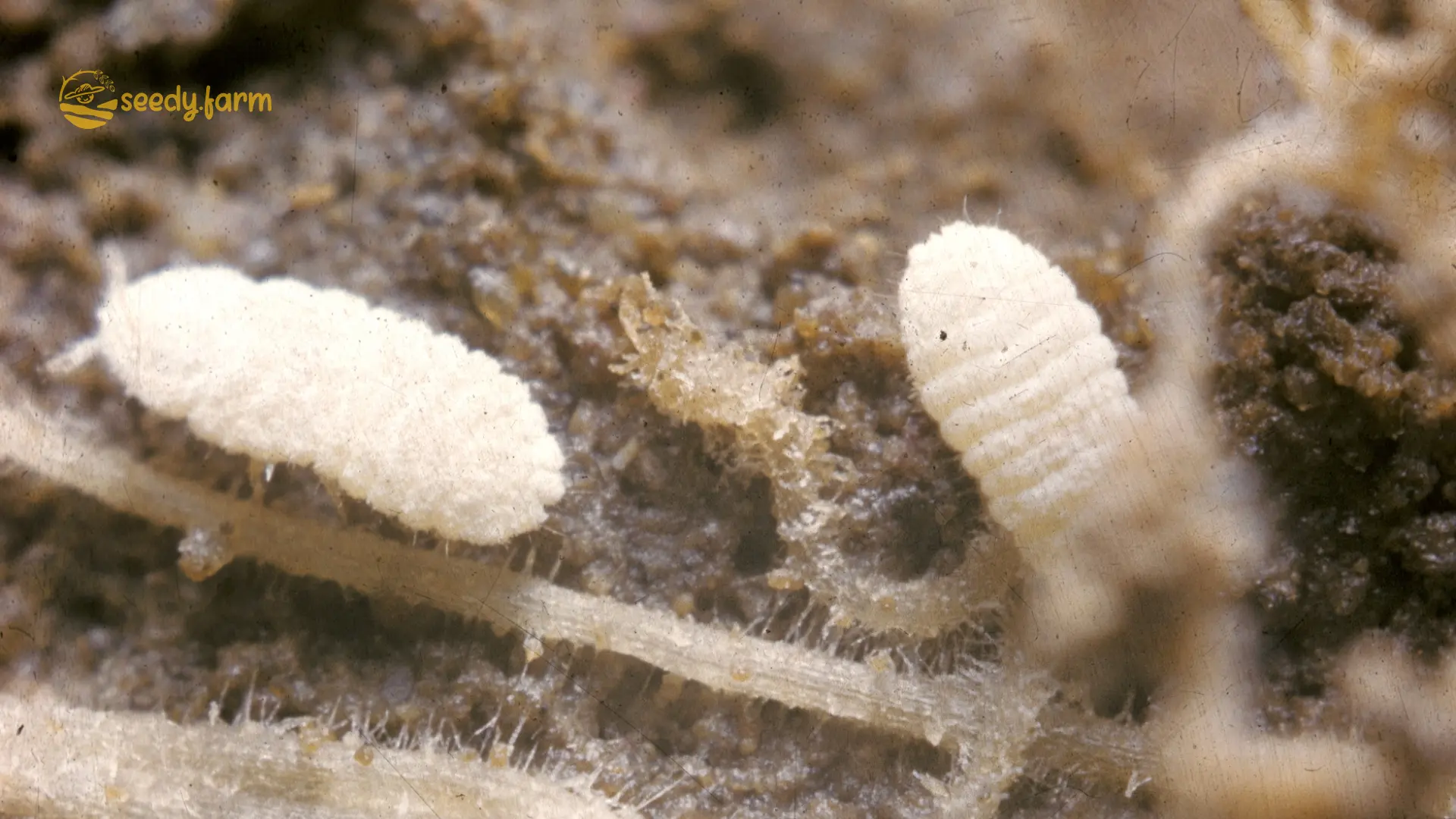
Lurking beneath the soil surface, often unnoticed until significant damage occurs, are root mealybugs. While several species exist, a common culprit is Rhizoecus kondonis. These minuscule insects pose a serious threat to plant health, feeding directly on roots and stealthily draining the life from their hosts. The harm caused by these hidden pests goes beyond surface appearances; it undermines the very foundation of a plant, potentially leading to stunted growth, decline, and even death.
Root mealybugs thrive in the protected environment of the root zone, making early detection and control particularly challenging for gardeners. Identifying their subtle presence before severe harm is done is crucial. The most effective approach involves vigilant observation, understanding the pest’s habits, and employing integrated management strategies. By recognizing the signs of infestation and using thoughtful, often sustainable control methods, you can protect your plants and maintain the vitality of your garden. This guide will equip you with the knowledge to tackle this minuscule menace.
I. Know Your Enemy: Identification and Lifecycle of Root Mealybugs
| Specification | Details |
|---|---|
| Common Names | Root mealybug, ground mealybug |
| Scientific Name | Primarily focusing on Rhizoecus kondonis, but other Rhizoecus species cause similar issues. |
| Classification | Insect, Order Hemiptera (True Bugs), Family Pseudococcidae (Mealybugs) |
| Description | Small (typically 1.5-3 mm), oval, soft-bodied insects, often covered with a powdery or filamentous white wax. Lack the distinct ‘tails’ of many foliar mealybugs. May resemble tiny grains of rice or perlite particles clinging to roots. |
| Size | Adults: Approximately 1.5-3 mm long; nymphs are smaller. |
| Body Shape | Oval to slightly elongated, segmented (though segments may be obscured by wax). |
| Color | White to pinkish or yellowish beneath the waxy coating. |
| Life Cycle | Incomplete metamorphosis: Egg, crawler (first instar nymph), nymph (several instars), adult. |
| Reproduction | Often parthenogenetic (females reproduce without mating), allowing populations to grow rapidly. |
| Host Plants | Extremely wide range, including houseplants (especially succulents, African violets), ornamentals (grasses, perennials), vegetables, fruits, and even weeds. |
| Feeding Habits | Use piercing-sucking mouthparts to feed on phloem sap (the nutrient-rich fluid) from plant roots and underground stems. |
| Damage | Stunted growth, wilting (even with moist soil), yellowing leaves (chlorosis), reduced vigor, poor flowering/fruiting, susceptibility to secondary infections, plant death in severe infestations. |
| Dispersal | Mainly via the mobile ‘crawler’ stage moving through soil; passive spread through infested soil, pots, tools, nursery stock, or contaminated irrigation water. |
| Control Methods | Integrated Pest Management (IPM) approach is recommended: cultural controls (prevention, sanitation), biological controls (predators, nematodes), and chemical controls (soaps, oils, targeted insecticides as a last resort). |
### 1. Identifying Root Mealybugs
Root mealybugs, particularly species like Rhizoecus kondonis, are experts at staying hidden. These tiny insects measure just 1.5 to 3 mm long as adults. Their soft, oval bodies are typically coated in a distinctive white, powdery, or slightly cottony wax. This waxy covering serves as camouflage and protection, making them look like small soil particles, bits of perlite, or even beneficial mycorrhizal fungi to the untrained eye. Unlike many common mealybugs found on leaves and stems, root mealybugs usually lack prominent waxy filaments or “tails.”
Finding them requires careful inspection of the root ball. Look for small, white, slow-moving specks clustered on roots or moving sluggishly through the soil. Their presence is often confirmed by the white, waxy deposits they leave behind on root surfaces and in the surrounding soil. Using a hand lens (10x magnification or higher) can greatly aid in spotting these cryptic pests. Distinguishing them from harmless soil components is key: mealybugs will move (albeit slowly) when prodded, unlike mineral particles. Beneficial fungi often form finer, web-like networks (hyphae), whereas mealybug wax is more powdery or clumpy.

2. Lifecycle of the Root Mealybug
Understanding the root mealybug lifecycle is vital for effective management, as different stages vary in vulnerability. Development time depends heavily on temperature and host plant quality.
- Egg Stage: Females lay tiny eggs, often encased in a protective, cottony egg sac made of wax, usually within the root zone soil or directly on roots. Eggs hatch in approximately 5-10 days under optimal conditions (around 77-86°F or 25-30°C). The waxy sac provides protection from desiccation and some treatments.
- *Crawler Stage (First Instar Nymph):* Upon hatching, the nymphs, known as “crawlers,” emerge. This is the most mobile stage. Crawlers are tiny (less than 1 mm), lack significant wax coating, and actively seek suitable feeding sites on roots. They are responsible for spreading the infestation within a pot or to nearby plants. This stage, typically lasting about a week, is highly vulnerable to contact insecticides like soaps and oils.
- Nymph Stages: After settling, crawlers molt into later nymphal instars (developmental stages between molts). There are typically 2-3 further nymphal instars, each lasting roughly 7-14 days. During these stages, the nymphs become less mobile, develop their characteristic waxy coating, and feed more heavily. Their susceptibility to treatments decreases as the wax layer thickens.
- Adult Stage: Adult females are largely sedentary, wingless, oval-shaped, and covered in wax. They focus on feeding and reproduction, living for approximately 30-60 days or longer depending on conditions. Many species reproduce parthenogenetically, meaning females can produce viable eggs without mating, leading to rapid population increases. Adult males, if present (some species lack males), are tiny, winged insects that do not feed and live only briefly to mate. Adults are the most protected stage due to their thick wax coating.
Lifecycle Insights for Effective Management
Understanding the lifecycle helps time interventions. Targeting the vulnerable, mobile crawler stage with soil drenches of insecticidal soap or horticultural oil can significantly reduce populations before they establish. Because generations overlap (eggs, nymphs, and adults are often present simultaneously), repeated treatments are usually necessary. Monitoring should be ongoing, as favorable conditions can lead to multiple generations per year, especially in greenhouses or mild climates.
## II. Signs and Symptoms: Recognizing Root Mealybug Activity
1. Detecting the Invisible Threat
Because root mealybugs live underground, infestations often go unnoticed until the plant shows visible signs of stress. Early detection relies on recognizing subtle above-ground symptoms and knowing when to inspect the roots directly. Prompt action is key to preventing severe damage and spread.
2. Above-Ground Indicators
While the pests themselves are hidden, their feeding activity causes noticeable stress symptoms in the host plant:
- Stunted Growth and General Decline: Infested plants often lack vigor and grow much slower than healthy counterparts. New growth may be sparse or weak. This is a direct result of nutrient and water theft by the mealybugs.
- Wilting Despite Adequate Water: Damaged roots cannot efficiently absorb water, leading to wilting, especially during the hottest part of the day or when the plant is under stress. The plant may appear thirsty even when the soil is moist.
- *Yellowing of Leaves (Chlorosis):* Nutrient deficiency caused by root damage often manifests as yellowing leaves, typically starting with the older, lower leaves. This occurs because the plant cannot absorb essential nutrients like nitrogen needed for chlorophyll production. The yellowing might be uniform or patchy.
- Premature Leaf Drop: As the plant weakens, it may shed leaves, particularly older ones, to conserve resources.
- Reduced Flowering and Fruiting: Stressed plants divert energy away from reproduction, resulting in fewer, smaller, or aborted flowers and fruits.
- Slow Recovery from Wilting: Compared to healthy plants, infested ones may wilt faster and take much longer to recover after watering.
- Increased Susceptibility to Other Issues: Weakened plants are more vulnerable to secondary infections by fungal or bacterial pathogens entering through feeding wounds, and less able to tolerate other environmental stresses like heat or drought.
3. Inspecting the Root Zone
If you suspect root mealybugs based on the above symptoms, a direct inspection of the roots is necessary for confirmation:
- Carefully Unpot or Expose Roots: For container plants, gently slide the plant out of its pot. For in-ground plants, carefully excavate the soil around the base to expose the upper root system without causing excessive damage.
- Examine the Roots and Soil: Gently shake off loose soil. Look closely at the root surfaces and the soil immediately surrounding them. Search for the small, white, waxy insects themselves, often clustered in crevices or on finer roots. Also look for the characteristic powdery or cottony white wax deposits they leave behind. Remember to check the bottom of the pot and the drainage holes as well. A magnifying glass is highly recommended.
- Distinguish from Other Things: Be careful not to confuse mealybugs with beneficial mycorrhizal fungi (usually finer, more web-like), mineral deposits (hard, crystalline), or perlite particles (irregularly shaped, lightweight, won’t move).
- Check Root Health: Note the condition of the roots. Healthy roots are typically firm and light-colored (white, tan, or light brown depending on the plant). Roots damaged by mealybugs may appear stunted, brown, soft, mushy, or blackened, indicating feeding damage or secondary rot.
- Consider a Root Wash (for Potted Plants): If infestation is confirmed on a potted plant, you can gently wash away the old soil from the roots under running water. This physically removes many mealybugs and allows for a thorough inspection before repotting in fresh, sterile potting mix. Be gentle to minimize root damage.
- Look for Honeydew/Sooty Mold: Although less common underground, sometimes sticky honeydew (mealybug excrement) can accumulate near the soil line, potentially leading to the growth of black sooty mold if exposed to air.
Prompt Action is Essential
Early identification is critical to save plants and prevent the infestation from spreading. Regularly monitor susceptible plants (like succulents, ferns, and African violets). If you see suspicious symptoms, don’t hesitate to check the roots. Accurate diagnosis allows for timely and effective management. If unsure, consult your local cooperative extension service or a trusted nursery professional.
## III. Natural and Sustainable Solutions Against Root Mealybugs
Managing root mealybugs effectively while minimizing environmental impact is achievable using natural and sustainable methods. These approaches target the pests while supporting overall plant and soil health, creating a more resilient garden ecosystem. Harsh synthetic chemicals should be a last resort due to potential harm to beneficial organisms and the environment.
1. Neem Oil Drench
Neem oil, derived from the seeds of the Azadirachta indica tree, is a versatile, plant-based insecticide, fungicide, and miticide. It works against root mealybugs by disrupting their hormonal systems (acting as an insect growth regulator), deterring feeding, and smothering softer-bodied stages.
Application: Mix concentrated neem oil with water according to product label instructions (a common rate is 1-2 tablespoons per gallon of water). Crucially, add a few drops of mild liquid soap or horticultural soap per gallon to act as an emulsifier, allowing the oil and water to mix properly. Thoroughly drench the soil around the base of the affected plant, ensuring the solution penetrates the entire root zone. For potted plants, ensure excess solution drains freely.
Frequency: Apply every 7-14 days, making at least 3 applications to target overlapping generations. Monitor effectiveness and reapply if needed. Best applied when the soil is moderately moist, not bone dry or waterlogged.
2. Insecticidal Soap Drench
Commercially available insecticidal soaps are potassium salts of fatty acids specifically formulated to kill soft-bodied insects on contact. They disrupt cell membranes, causing dehydration and death. They are effective against crawlers and younger nymphs but less so against adults protected by thick wax.
Application: Dilute the concentrate according to the label, typically 1-2 tablespoons per quart of water. Ensure the product is specifically labeled for use as a soil drench if applying to the soil. Thoroughly saturate the root zone soil. For potted plants, you can submerge the entire root ball (in its pot) in the diluted soap solution for 10-15 minutes, then allow it to drain completely. Thorough contact is essential for effectiveness.
Frequency: Reapply every 5-7 days as needed, as soap has no residual effect. Multiple applications are usually required. Use caution on sensitive plants; test on a small area first if unsure.
3. Horticultural Oil Drench
Horticultural oils (including superior oils, summer oils, or specific plant-based oils like cottonseed oil blends) work by smothering insects, blocking their breathing pores (spiracles). They are effective against all life stages, including eggs, if contact is made.
Usage Tips: Mix the oil concentrate with water as directed on the label (rates vary by product and season). Add an emulsifier if required by the product. Apply as a soil drench, thoroughly wetting the root zone. Ensure good penetration into the soil.
Application Timing: Apply during cooler parts of the day (early morning or evening) to minimize risk of plant stress (phytotoxicity). Avoid applying to drought-stressed plants or during very high temperatures (e.g., above 90°F or 32°C).
Frequency: Repeat applications every 10-14 days as needed. Monitor plants for any signs of oil sensitivity.
4. Diatomaceous Earth (Food Grade)
Diatomaceous earth (DE) is a natural powder made from fossilized diatoms. It has microscopic sharp edges that abrade the waxy outer layer of insects, causing them to dehydrate and die. It works mechanically, so pests cannot develop resistance.
Application: Use only food-grade DE. Apply a thin layer of the dry powder to the surface of the soil around the base of affected plants. For potted plants, you can also mix a small amount into the top inch of potting mix. DE must remain dry to be effective. Moisture renders it temporarily ineffective (though it becomes effective again once dry).
Reapplication: Reapply DE after watering or rain, or every few weeks, to maintain a protective barrier.
Caution: DE is non-toxic but can be irritating to lungs and eyes. Wear a dust mask and eye protection during application.
5. Beneficial Insects (Biological Control)
Introducing natural predators can provide effective, long-term control, especially in enclosed environments like greenhouses or for groups of container plants.
*Mealybug Destroyers (Cryptolaemus montrouzieri): These specialized lady beetles are voracious predators of mealybugs in both their larval and adult stages. They actively hunt mealybugs on foliage and can sometimes find those near the soil surface or crown. Application:* Release beetles directly onto or near infested plants according to supplier instructions. Best released when temperatures are moderate. Establishing populations outdoors can be challenging.
*Lacewings (Chrysoperla spp.): The larvae of green lacewings (often called “aphid lions”) are generalist predators that feed on various soft-bodied pests, including mealybug crawlers and nymphs. Application:* Release eggs or larvae near infestations. Larvae are the predatory stage.
*Soil-Predatory Mites (e.g., Hypoaspis miles, syn. Stratiolaelaps scimitus): These beneficial mites live in the soil and prey on various soil-dwelling pests, potentially including mealybug eggs and crawlers, though their effectiveness specifically against root mealybugs varies. Application:* Distribute the carrier material containing mites over the soil surface according to supplier instructions. Maintain appropriate soil moisture.
Maintenance: Avoid using broad-spectrum pesticides (even organic ones like pyrethrins) that could harm beneficial insects. Provide habitat and alternative food sources (like flowering plants) to sustain predator populations.
6. Beneficial Nematodes
Certain species of microscopic roundworms, known as entomopathogenic nematodes, actively hunt and kill soil-dwelling insect larvae and other pests. They enter the host insect and release symbiotic bacteria that kill it.
Recommended Species: Steinernema feltiae and Heterorhabditis bacteriophora are often recommended for controlling soil pests and may have activity against root mealybug nymphs and potentially adults. Efficacy can vary.
Application: Nematodes come packaged in a dormant state (often in a gel, clay, or sponge). Mix them with water according to package directions. Apply the solution promptly to moist soil as a drench, ensuring good coverage of the root zone. Water lightly immediately after application to wash them into the soil.
Timing: Apply when soil temperatures are within the active range for the specific nematode species (generally 50°F – 86°F or 10°C – 30°C). Avoid application in direct sunlight (apply early morning or evening). The soil should be kept consistently moist (but not saturated) for several days after application to allow nematodes to move and find hosts.
Frequency: May require repeat applications every 2-4 weeks during peak pest season for sustained control.
7. Organic Soil Amendments and Plant Health
Healthy plants growing in healthy soil are naturally more resistant to pests.
High-Quality Compost: Regularly incorporating well-finished compost improves soil structure, drainage, water retention, and nutrient availability, supporting robust root growth and overall plant resilience. Healthy soil also harbors beneficial microbes that can compete with or antagonize pests.
Compost Tea: Actively aerated compost tea (AACT) is a liquid extract teeming with beneficial microorganisms. Applied as a soil drench, it can enhance soil microbial diversity and potentially suppress soil-borne pests and diseases. Effectiveness against root mealybugs specifically is debated but contributes to overall soil health. Application: Brew according to established methods and apply promptly as a soil drench every 2-4 weeks during the growing season.
Neem Seed Meal (Neem Cake): This is the residue left after extracting neem oil. Mixed into the soil, it acts as a slow-release organic fertilizer and contains residual compounds (azadirachtin) that can deter feeding and disrupt the lifecycle of soil pests like root mealybugs. Application: Incorporate into the top few inches of soil around plants according to package rates. Reapply every 4-8 weeks during the growing season.
Integrated Approach for Lasting Results
The most successful and sustainable strategy often involves combining several of these natural methods. For example, start with a root wash and repotting for container plants, followed by soil drenches with insecticidal soap or horticultural oil, and perhaps introducing beneficial nematodes or predatory mites. Consistent monitoring and integrating preventive measures (Section IV) are key to long-term success. Remember that patience is required, as natural methods may take longer to show results than harsh chemicals.
## IV. Comprehensive Garden Management: Prevention and Resilience
Beyond directly treating infestations, proactive garden management is essential for preventing root mealybugs and building plant resilience. Creating a healthy, balanced garden environment is the best long-term defense against pests and diseases.
1. Preventive Strategies: Your First Line of Defense
- Optimize Soil Health: This is fundamental. - Build soil organic matter by regularly amending beds with compost or well-rotted manure. This improves drainage, aeration, and nutrient retention. - Avoid soil compaction. Use designated paths and minimize tilling where possible to protect soil structure and beneficial organisms. - Ensure appropriate soil pH for your chosen plants to maximize nutrient availability and reduce plant stress. - Practice crop rotation in annual beds to prevent pest build-up in the soil.
- Select Healthy and Suitable Plants: - Choose plant varieties known to be vigorous and well-suited to your local climate and soil conditions. Some cultivars may show better pest resistance. - Purchase plants only from reputable sources to minimize the risk of bringing pests home. - Ensure proper spacing when planting to allow for good air circulation around plants, reducing humidity that can favor pests.
- Implement Smart Watering Practices: - Water deeply and less frequently to encourage strong, deep root systems. Avoid frequent shallow watering. - Use targeted watering methods like drip irrigation or soaker hoses, which deliver water directly to the root zone, keeping foliage dry and potentially reducing surface humidity. - Allow the soil surface to dry slightly between waterings (for most plants), as constantly saturated soil can stress roots and favor some pests and diseases.
- Quarantine and Inspect New Arrivals: - Isolate all new plants (houseplants or outdoor additions) for at least 2-4 weeks in a separate area before introducing them to your main collection or garden beds. - During quarantine, carefully inspect plants weekly, paying close attention to the soil line and gently checking the top layer of roots for any signs of pests like root mealybugs. - Consider a preventative soil drench with insecticidal soap or neem oil for new plants, especially susceptible types, before integration.
- Maintain Good Garden Hygiene (Sanitation): - Regularly clean and disinfect gardening tools (pruners, trowels, shovels), pots, and containers, especially when moving between plants or areas. Use a 10% bleach solution or horticultural disinfectant. - Promptly remove and dispose of heavily infested plants or plant parts away from the garden area (do not compost infested material). - Keep the garden tidy by removing fallen leaves, weeds, and plant debris that can harbor pests or provide overwintering sites.
- Use Sterile Potting Media: - For container gardening, always use a high-quality, sterile commercial potting mix. Avoid using garden soil in pots, as it can harbor pests, diseases, and weed seeds, and often compacts poorly. - If reusing pots, scrub them thoroughly and disinfect them before adding fresh potting mix. - If you must reuse old potting mix (not generally recommended if pests were present), consider sterilizing it first. Methods include solarization (moist soil in a sealed clear or black plastic bag left in full sun for 4-6 weeks during hot weather) or baking (moist soil in an oven-safe container at 180-200°F / 82-93°C for at least 30 minutes). Note: Sterilization kills beneficial microbes as well; amending with compost afterwards can help reintroduce beneficial life.
2. Building Long-Term Resilience: Fostering a Healthy Ecosystem
- Enhance Biodiversity: - Plant a diverse range of species (flowers, herbs, shrubs, trees). Monocultures are more vulnerable to widespread pest outbreaks. - Include plants that attract beneficial insects (e.g., alyssum, dill, fennel, yarrow, cosmos). These provide food (pollen, nectar) and habitat for predators like ladybugs, lacewings, hoverflies, and parasitic wasps that help control pest populations naturally. - Create welcoming habitats for beneficials: provide a water source (like a shallow dish with pebbles), avoid broad-spectrum pesticides, and leave some areas slightly wild or provide insect hotels.
- Nurture the Soil Food Web: - Minimize soil disturbance (like excessive digging or tilling) to protect beneficial fungi, bacteria, earthworms, and other organisms that contribute to soil health and nutrient cycling. - Use organic mulches (wood chips, straw, shredded leaves) to conserve soil moisture, suppress weeds, regulate soil temperature, and slowly add organic matter as they decompose, feeding soil life. - Consider cover cropping in vegetable gardens during fallow periods to protect soil, prevent erosion, suppress weeds, and add organic matter when tilled in.
- Minimize Plant Stress: - Ensure plants receive the right amount of sunlight for their needs. Stressed plants (too much or too little light) are more susceptible to pests. - Provide balanced nutrition using slow-release organic fertilizers or compost. Avoid excessive nitrogen fertilization, which can produce lush, weak growth that attracts sap-sucking insects like mealybugs. - Protect plants from extreme weather conditions (wind, frost, intense heat) where possible.
- Employ Companion Planting: - Strategically place plants together that benefit each other. Some plants release compounds that repel certain pests (e.g., aromatic herbs like rosemary, sage, thyme, mint; marigolds; alliums like garlic and chives). - Use trap crops: plant a species that is highly attractive to a specific pest to draw them away from your main crop, then manage the pest on the trap crop.
- Practice Regular Monitoring and Record Keeping: - Make it a habit to regularly inspect your plants (weekly or bi-weekly) for early signs of trouble. Remember to occasionally check roots of potted plants or those showing decline. - Keep a garden journal to note pest occurrences, timing, severity, treatments used, and their effectiveness. This helps refine your strategies over time. - Use yellow sticky traps near susceptible plants to monitor for flying adult males (if present) or other potential pests, but be aware they also trap beneficials.
- Adopt an Integrated Pest Management (IPM) Philosophy: - IPM is a holistic approach that prioritizes prevention, monitoring, and uses a combination of control methods (cultural, biological, mechanical, chemical) based on understanding the pest’s lifecycle and the ecosystem. - Intervene only when necessary based on monitoring, and always choose the least disruptive, most targeted method first. Chemical pesticides are used only as a last resort. - Rotate control methods if repeated treatments are needed to prevent pests from developing resistance.
Holistic Garden Health for Sustainable Defense
Implementing these comprehensive strategies creates a garden ecosystem that is inherently more robust and less hospitable to pests like root mealybugs. This holistic approach focuses on preventing problems before they start and fosters long-term plant health and biodiversity, reducing the need for constant intervention. A resilient garden is a reward built through thoughtful observation, consistent care, and sustainable practices.
## V. Expert Answers to Frequently Asked Questions About Root Mealybugs
To further clarify common concerns about managing root mealybugs, here are answers to some frequently asked questions:
1. How do environmental factors influence root mealybug populations?
Environmental conditions significantly impact root mealybug development and survival:
- Temperature: Most root mealybug species thrive in warm conditions, with optimal reproduction and development typically occurring between 70-85°F (21-30°C). Very high temperatures (above 95°F or 35°C) or cold temperatures (below 50°F or 10°C) can slow or halt development.
- Soil Moisture: They generally prefer consistently moist, but well-aerated soil. Waterlogged conditions can hinder their survival, while overly dry soil can stress crawlers and eggs. Moderate, consistent moisture often favors population growth.
- Humidity (within soil pores): While less directly impactful than temperature or moisture, humidity within soil pore spaces likely influences egg and crawler survival. High humidity above ground might indirectly favor infestations by stressing plants.
- Soil Type and Structure: Loose, well-drained soils with plenty of organic matter might provide more spaces for movement and refuge compared to heavy, compacted clay soils.
Understanding these factors helps anticipate periods of higher risk (e.g., warm, consistently moist conditions) and can inform management timing (e.g., avoiding nematode application when soil is too cold).
2. Are there specific plants particularly susceptible or resistant to root mealybugs?
While root mealybugs have a broad host range, some plants seem particularly prone to infestations:
- Highly Susceptible: Succulents (various cacti, Echeveria, Sedum, Haworthia), African violets (Saintpaulia), gardenias, ferns, ornamental grasses, Ficus species, citrus (especially container-grown), poinsettias, and many greenhouse crops. Plants grown in containers seem generally more vulnerable than those in the ground.
- Potentially More Resistant: While true resistance is rare, vigorously growing plants in optimal health are better able to tolerate low levels of infestation. Some plants with strong chemical defenses or very robust root systems might be less preferred or show fewer symptoms. There isn’t a widely recognized list of truly “repellent” plants in the way some repel foliar pests, likely due to the hidden nature of root feeders. Interplanting with aromatic plants like marigolds or alliums (as mentioned in Section IV) aims more at general deterrence in the garden environment rather than specific root protection.
Choosing healthy, adapted plants and maintaining optimal growing conditions is the best defense.
3. Can root mealybugs spread plant diseases?
Yes, root mealybugs can potentially play a role in spreading plant diseases, although they are not as well-known as disease vectors compared to aphids or leafhoppers:
- Creating Entry Points: Their feeding wounds on roots create openings through which soil-borne fungal and bacterial pathogens (like Pythium, Fusarium, Rhizoctonia) can easily infect the plant. This secondary infection is often a major contributor to plant decline.
- Potential Virus Transmission: While less documented than for foliar mealybugs, it’s theoretically possible for them to transmit certain plant viruses as they move between roots or plants, especially via contaminated tools or shared water systems.
- Attracting Other Problems: While less common underground, any honeydew produced near the soil surface can attract ants (which may protect mealybugs) or promote sooty mold growth.
Controlling root mealybugs helps reduce the risk of these secondary disease problems.
4. How do root mealybugs survive winter, especially in colder climates?
Root mealybugs employ several strategies to survive unfavorable conditions, including winter:
- Soil Insulation: The soil provides significant insulation, buffering against extreme air temperature fluctuations. Mealybugs can move deeper into the soil profile as surface temperatures drop.
- Overwintering Stages: Depending on the species and climate, they may overwinter as eggs, nymphs, or adult females nestled among plant roots or within soil crevices.
- *Dormancy/Diapause:* Some species may enter a state of reduced metabolic activity (dormancy or diapause) triggered by decreasing day length or temperatures, allowing them to conserve energy and survive until conditions improve.
- Protected Environments: They readily survive in greenhouses, on houseplants brought indoors for winter, or in mild climates where the ground doesn’t freeze deeply. Indoor plants can act as a significant reservoir, allowing infestations to persist year-round and potentially spread back outdoors in spring.
- Host Plant Survival: They can survive on the roots of dormant perennial plants, weeds, or evergreen species throughout the winter.
To manage overwintering populations:
- Practice good fall cleanup, removing heavily infested annuals or susceptible weeds.
- Inspect and treat houseplants thoroughly before bringing them indoors for winter; consider repotting with fresh soil.
- In containers left outdoors, ensure good drainage to avoid waterlogged, freezing soil which can harm plants but may not kill all mealybugs deep within the root ball.
- Applying beneficial nematodes in late summer/early fall (while soil temperatures are suitable) can help reduce populations before winter.
Understanding their survival tactics highlights the importance of year-round vigilance and management, especially preventing their spread via contaminated plants or soil.
Year-Round Vigilance is Key
Root mealybugs are persistent pests partly due to their ability to survive adverse conditions. Effective management requires ongoing monitoring, preventative measures, and timely interventions throughout the year, not just during the peak growing season. Addressing potential overwintering sites and inspecting indoor plants is crucial for breaking the cycle and minimizing infestations the following spring.
Comments (0)
No comments yet. Be the first to share your thoughts.