 Skip to content
A Gardener’s Guide to Copper Pesticides
Copper is one of horticulture’s oldest and most reliable tools. Its use as a plant protectant is not a modern
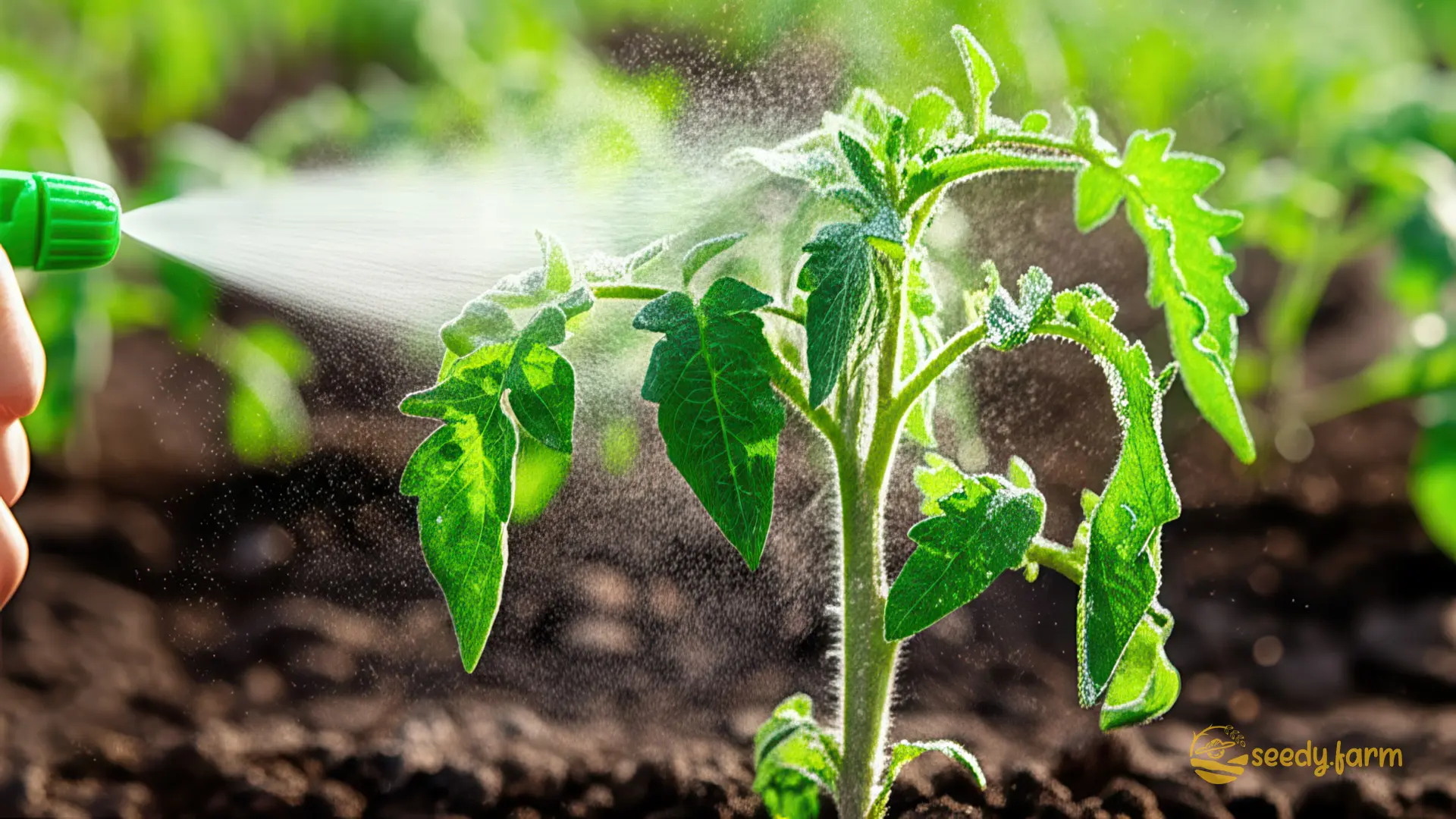
Copper is one of horticulture’s oldest and most reliable tools. Its use as a plant protectant is not a modern invention but a practice refined over centuries, from the ancient vineyards of France to today’s most productive organic farms. Copper’s enduring value comes from its powerful, dual-action role as both a fungicide (controlling fungal diseases) and a bactericide (controlling bacterial diseases).
Its effectiveness lies in a simple, potent mechanism: copper ions disrupt the life processes of pathogens, preventing them from infecting plants. This makes copper-based products an essential component of plant health management for nearly every type of gardener. The key to using it successfully and responsibly is to understand which product to choose, when to apply it, and why it works. This guide is built to provide that understanding, giving you the knowledge to use copper effectively, protect your plants, and steward your garden’s long-term health.
This is not a cure-all, but a protectant. Its primary strength is in preventing disease before it starts, forming a microscopic shield on leaves and stems. Understanding this principle is the first step toward mastering its use.
I. Understanding and Selecting Copper Products
1. Types of Copper Compounds for Gardening
a. Common Forms of Copper in Products
Walking down the garden center aisle, you’ll find that “copper” comes in several chemical forms. Each has distinct characteristics, and choosing the right one depends on your specific needs.
- Copper Sulfate: Often sold as blue crystals (bluestone), this is a powerful and historically important form of copper. Its high solubility means it releases copper ions quickly, providing a strong, fast-acting effect. However, this same property makes it the most likely to cause phytotoxicity—plant injury, appearing as leaf spotting or burning—if mixed or applied incorrectly. It is the foundation of the classic Bordeaux mixture.
- Copper Hydroxide: A widely used “fixed copper,” meaning it is much less soluble in water. This formulation provides a slower, more sustained release of copper ions. This makes it significantly safer for a wider range of plants and a common choice in modern, ready-to-use liquid fungicides.
- Copper Oxychloride: Another type of fixed copper that offers excellent persistence on leaf surfaces. It adheres well to foliage, providing a durable protective barrier that is less easily washed off by rain than copper sulfate, making it a reliable choice for seasons with persistent disease pressure.
- Bordeaux Mixture: This is not a product you buy, but a recipe you create by combining copper sulfate with hydrated lime. The lime’s role is crucial: it neutralizes the acidity of the copper sulfate, dramatically reducing the risk of phytotoxicity while improving how well the solution sticks to leaves. It creates a distinctive blue-green coating that is highly effective against many fungal and bacterial diseases.
Understanding these forms allows you to move beyond brand names and select a product based on its active ingredient and properties, matching its strength and safety profile to your plants and the disease you aim to prevent.
b. Available Product Formulations
These copper compounds are packaged in different physical forms for application.
- Wettable Powders (WP): These are dry, fine powders that you mix with water to create a sprayable suspension. They require continuous agitation in the sprayer tank to keep the particles from settling. While very effective and often economical, they require careful measuring and handling to avoid inhaling the dust.
- Flowable Liquids / Liquid Concentrates (F or L): These formulations contain finely milled copper particles already suspended in a liquid. They are easy to measure and mix with water, making them a convenient and popular choice for home gardeners. They generally stay suspended well in a sprayer with minimal agitation.
- Ready-to-Use (RTU): These are pre-diluted liquid products sold in their own spray bottle. While offering maximum convenience for spot-treating a few small plants, they are the least economical option for treating larger areas or multiple plants.
For most gardeners, liquid concentrates offer the best balance of ease-of-use, effectiveness, and economy. Regardless of the formulation, the goal is to create a fine spray that can thoroughly coat plant surfaces.
2. How Copper Combats Plant Diseases
a. The Mode of Action Against Pathogens
Copper works as a contact protectant. When sprayed on a plant, it forms a microscopic, protective film on leaves, stems, and fruit. When a fungal spore or bacterial cell lands on this treated surface and moisture is present, the copper film slowly releases copper ions (Cu2+). These ions are absorbed by the pathogen, where they immediately begin to disrupt vital cellular functions. They bind to enzymes, denature proteins, and damage cell membranes, effectively stopping the pathogen from germinating or multiplying.
This is why copper is an excellent broad-spectrum tool—its mode of action is fundamental and affects a wide range of fungi and bacteria. It prevents infection before it can ever take hold. As a fungicide, it stops spores from germinating, preventing diseases like downy mildew and anthracnose. As a bactericide, it kills bacterial cells on contact, which is critical for managing diseases like bacterial leaf spot and fire blight.
b. Preventive vs. Curative Applications
This is the most critical concept for a gardener to master: Copper is a shield, not a sword. Its primary value is in prevention, not cure.
Applying copper to healthy plant tissue establishes that protective barrier, ready to neutralize pathogens as they arrive. This is why timing is everything. It must be applied before a fungal spore germinates or bacterial populations explode. Once a fungus has successfully penetrated leaf tissue and established itself, the disease is systemic, and the protective barrier of copper on the leaf surface can do little to stop it. While copper can help limit the spread of an existing infection to new leaves, it cannot cure already-infected tissue.
Therefore, integrate copper into a proactive strategy. Apply it in anticipation of disease-favoring conditions—typically cool, wet weather—rather than in reaction to seeing spots on leaves. This approach is more effective, uses less product over time, and is the cornerstone of responsible disease management.
II. Practical Copper Application in Your Garden
1. Diseases Effectively Controlled by Copper
Copper’s broad-spectrum activity makes it a valuable tool against many of the most common garden diseases. Successful identification is the first step toward effective management.
- Fungal diseases: - Powdery and Downy Mildews: Powdery mildew appears as white, talc-like patches on the upper leaf surface, while downy mildew often causes yellowish spots on the top of leaves and fuzzy, grayish mold on the undersides. Both thrive in specific humidity and temperature ranges and can quickly reduce a plant’s vigor. - Blights (Early and Late): These are devastating fungal diseases, especially on tomatoes and potatoes. Early blight (*Alternaria solani*) causes “target spot” lesions, while late blight (*Phytophthora infestans*) causes large, water-soaked, greasy-gray spots that can destroy a crop in days. Copper is a primary tool for preventing late blight. - Anthracnose: This disease affects a wide range of plants, including trees, shrubs, and vegetables. It typically causes dark, sunken spots on leaves, stems, or fruit. On shade trees like sycamore and oak, it causes irregular dead areas on leaves. - Leaf Curls and Scabs: Peach leaf curl, caused by the fungus *Taphrina deformans*, results in thickened, puckered, and distorted leaves in spring. Apple scab (*Venturia inaequalis*) causes olive-green to brown spots on leaves and fruit. Dormant-season copper sprays are critical for preventing these diseases.
- Bacterial diseases: - Bacterial Leaf Spot: Caused by various *Xanthomonas* or *Pseudomonas* species, this appears as small, angular, water-soaked spots on leaves that often turn dark brown or black. The spots may fall out, creating a “shot-hole” effect. - Fire Blight: A highly destructive bacterial disease (*Erwinia amylovora*) affecting plants in the rose family, such as apples, pears, and pyracantha. Infected shoot tips wilt and turn black, forming a characteristic “shepherd’s crook” shape, as if scorched by fire. Copper sprays during bloom can help prevent infection.
- Algal Leaf Spot: In very humid climates, parasitic algae (*Cephaleuros virescens*) can cause grayish-green, slightly raised spots on the leaves of plants like magnolias and camellias. Copper is effective at controlling this issue.

### 2. Plants That Commonly Benefit from Copper
A wide array of garden plants are susceptible to diseases that copper can effectively prevent. Proactive treatment is a standard practice for many crops.
- Fruits: Copper is a cornerstone of disease management in home orchards. Apples and pears benefit from applications against fire blight and scab. Stone fruits like peaches, plums, and cherries are treated during their dormant season to prevent peach leaf curl and bacterial canker. Grapes and brambles (raspberries, blackberries) are protected from downy mildew and anthracnose.
- Vegetables: The vegetable garden is a prime location for copper use. Tomatoes and potatoes rely on it for prevention of early and late blight. Cucurbits—cucumbers, squash, and melons—are protected from downy mildew, powdery mildew, and angular leaf spot. Beans can be protected from bacterial blights.
- Ornamentals: Many landscape plants can be kept healthy with timely copper sprays. Roses are protected from black spot and powdery mildew. Lilacs, dogwoods, and hydrangeas benefit from treatments to prevent various leaf spot diseases and mildews.
- Trees and Shrubs: Beyond specific ornamentals, copper is used on a variety of woody plants. It can help manage anthracnose on shade trees like sycamores and oaks and prevent canker diseases on many fruit and ornamental trees when applied to pruning cuts or during the dormant season.
Always check the product label for plant-specific precautions. Some plants can be sensitive to copper, especially when young or under stress. If in doubt, test the spray on a small, inconspicuous area first.
3. Methods for Applying Copper Products
Proper application is just as important as product selection and timing. The goal is always thorough, uniform coverage.
- Foliar Sprays: This is the most common and effective method. The copper solution is sprayed directly onto the plant’s leaves. The key is to achieve complete coverage, including the undersides of leaves where many pathogens hide and infect. Spray until the liquid just begins to drip from the leaf tips; excessive runoff is wasteful and increases soil loading.
- Dormant Sprays: This is a specific type of foliar spray applied to deciduous trees and shrubs after they have lost their leaves in fall or before they bud out in spring. This high-concentration application is highly effective for controlling overwintering disease spores (like peach leaf curl and apple scab) on bark and in bud scales with minimal risk of phytotoxicity to the dormant plant.
- Soil Drenches: This method involves pouring a diluted copper solution onto the soil around the base of a plant. It is used much less frequently and only for specific soil-borne pathogens that cause “damping-off” in seedlings. This method should be used with extreme caution, as it directly contributes to copper accumulation in the soil. For most issues, cultural controls are a better first choice than soil drenches.

Mentor’s Corner: Best Practices for Effective Spraying
- Use a Good Sprayer: A pump sprayer that produces a fine, consistent mist is superior to a trigger bottle. A fine mist coats leaves more evenly than large droplets.
- Spray at the Right Time of Day: Apply sprays in the early morning when winds are calm and temperatures are cool. This minimizes spray drift and allows foliage to dry before the intense sun can cause leaf burn. Avoid evening applications, which can leave foliage wet overnight, potentially encouraging the very diseases you are trying to prevent.
- Add a Spreader-Sticker: Consider adding a surfactant or “spreader-sticker” (many are approved for organic gardening) to your spray tank. This is a wetting agent that helps the copper solution break surface tension, spread more evenly across the waxy leaf surface, and adhere better through rain.
- Safety First: Even though copper is an organic-approved product, always wear appropriate personal protective equipment (PPE), including gloves, safety glasses, and long sleeves, when mixing and spraying.
### 4. Timing Your Copper Applications for Best Results
Success with copper hinges on applying it at the right moment.
- Follow the Weather: The most critical time to have a protective copper layer on your plants is just before a period of rain or high humidity. Disease spores require water to germinate and infect. Check the forecast and apply copper 24 hours before a predicted rain event.
- Protect New Growth: Remember that copper only protects the tissue it touches. As plants grow rapidly, they produce new, unprotected leaves. During periods of active growth and high disease pressure, you may need to reapply every 7 to 10 days to cover this new foliage.
- Follow the Plant’s Life Cycle: Timing is often tied to specific plant stages. A dormant spray on a peach tree in late winter is critical. An application on apple trees at the “green tip” stage helps prevent scab. For tomatoes, regular applications should begin as soon as they are planted if late blight is common in your area.
- Do Not Over-Apply: More is not better. Adhere strictly to the application rates and frequencies on the product label. Excessive use increases the risk of phytotoxicity and contributes to unnecessary copper buildup in your soil. Responsible use is effective use.
IV. Environmental and Soil Health Considerations for Copper Use
1. Understanding Copper’s Impact on Soil Health
Copper is a heavy metal and a persistent element, meaning it does not break down in the soil. While it is an essential micronutrient for plants in tiny amounts, it can become toxic when it accumulates. Responsible use requires managing its long-term impact.
- Copper Accumulation in Soil: With every spray, a small amount of copper drips onto the soil below. Over years of repeated use, its concentration can build to levels that are harmful to the soil ecosystem.
- Impact on Soil Life: High copper levels are toxic to beneficial soil organisms. This includes earthworms, which are crucial for soil aeration and structure, as well as essential microbes like mycorrhizal fungi, which help plants absorb water and nutrients. Damaging these populations can reduce your garden’s long-term fertility and resilience.
- Risk of Phytotoxicity: As soil copper levels rise, they can reach a point where they become toxic to plants. Roots can be damaged, leading to stunted growth, nutrient deficiencies (especially iron), and overall poor plant health—the very opposite of what you are trying to achieve.

To mitigate these risks and practice sustainable horticulture:
- Use Copper as a Tool, Not a Crutch: Emphasize cultural controls first. Ensure good air circulation through proper spacing and pruning, water at the soil level to keep foliage dry, and remove and destroy diseased plant material. Use copper only when necessary.
- Enrich Soil with Organic Matter: Regularly amending your soil with compost is one of the best things you can do. Organic matter helps to bind free copper ions, making them less available and less toxic to plants and soil life.
- Rotate Products: If you are spraying regularly, rotate copper with other fungicides that have different modes of action. This can include sulfur, horticultural oils, or biological fungicides (products containing beneficial bacteria or fungi like *Bacillus subtilis*).
2. Considering Copper’s Environmental Fate and Effects
Beyond your garden beds, copper has the potential to move into the wider environment.
- Runoff into Waterways: The primary environmental concern is runoff. Copper that is washed off plants and soil by heavy rain or irrigation can enter storm drains and eventually make its way into ponds, streams, and lakes. Copper is highly toxic to aquatic life, including fish, invertebrates, and algae.
- Targeted Application is Key: The best way to prevent runoff is to keep the product on the plant. Avoid spraying when rain is imminent. Use a directed spray to hit only the target plants, not the surrounding soil. For small jobs, a hand sprayer is more precise than a broadcast sprayer.
Using copper wisely means thinking like a horticultural surgeon—applying the right amount in the right place at the right time—rather than using a blanket approach. This protects your plants while also protecting the soil and water that sustain them.
V. Frequently Asked Questions (FAQ)
Is copper safe to use in an organic garden? Yes, most copper formulations are approved for use in certified organic production because copper is a natural mineral. However, “organic” does not mean it can be used without care. Organic standards strictly regulate its use to prevent soil accumulation. Always choose a product listed by the Organic Materials Review Institute (OMRI) and use it judiciously as part of a larger Integrated Pest Management (IPM) plan.
When is the best time to apply copper fungicides? Apply preventively, before disease appears. The ideal time of day is early morning when winds are calm and temperatures are below 85°F (29°C). This allows the spray to dry on the foliage before the sun becomes intense, reducing the risk of leaf burn. The best time of year is just before or during periods of wet, humid weather that favor disease.
Can I mix copper fungicides with other garden sprays? It is strongly advised not to mix copper with other products like insecticides or liquid fertilizers unless the product labels for both products explicitly state they are compatible. Mixing can cause chemical reactions that render the products ineffective or, worse, create a combination that is toxic to your plants. This is often due to changes in the pH of the spray solution.
Will copper stain my plants or surfaces? Yes, copper sprays, especially Bordeaux mixture or those containing copper hydroxide, will leave a visible blue-green or whitish residue on leaves and any other surface they contact (fences, walls, pavers). This residue is the protective film at work. It is not harmful to the plant but can be an aesthetic concern. Avoid spraying near surfaces you do not want to stain.
How often should I reapply copper fungicide? This depends on three factors: the product’s persistence, rainfall, and plant growth rate. A general guideline during high-pressure periods is every 7 to 14 days. You must reapply after a significant rain event (e.g., more than half an inch) as it will wash off the protective barrier. You also need to reapply to protect new, emerging foliage. Always follow the specific interval stated on the product label.
Are there any plants that are sensitive to copper? Yes. While many plants are tolerant, some are known to be copper-sensitive, especially under certain conditions (e.g., high heat or when the plant is very young). Some varieties of stone fruits, cucurbits, and tomatoes can show signs of phytotoxicity if copper is applied at too high a rate or in hot weather. If you are unsure, test the spray on a small area of the plant and wait 48 hours to check for damage before spraying the entire plant.
Can copper kill beneficial insects? Copper’s primary mode of action is against fungi and bacteria. It is generally considered to have low toxicity to insects, including pollinators like bees, once the spray has dried. However, a direct, wet spray can harm soft-bodied beneficials. To minimize risk, spray in the early morning or late evening when bees are not actively foraging.
What should I do if I accidentally overuse copper?
- Symptom: You may see yellowing leaves (chlorosis), black or brown spots, leaf burn, or stunted growth.
- Immediate Action: Stop all copper applications. If you just sprayed, you can try to gently rinse the foliage with clean water to remove some of the excess residue. Ensure the plant is not water-stressed.
- Long-Term Solution: Focus on building soil health. Top-dress the affected area with a thick layer of high-quality compost. The organic matter will help bind the excess copper in the soil, making it less available to the plant’s roots. A soil test can confirm the level of accumulation.
Where should I store copper-based gardening products? Store all garden products in their original, clearly labeled containers in a locked cabinet or on a high shelf in a cool, dry, and well-ventilated location like a garage or shed. Ensure they are kept away from children, pets, food, and animal feed. Never store them inside your home.
Is copper considered a pesticide? Yes. A pesticide is any substance used to prevent, destroy, or repel a pest. In this context, the “pests” are pathogenic fungi and bacteria. Therefore, copper-based products used for disease control are classified as pesticides—specifically, fungicides and bactericides.
Comments (0)
No comments yet. Be the first to share your thoughts.