 Skip to content
Seeds or Seedlings: Which is Best for Your Urban Garden?
Urban farming has blossomed into a cornerstone of sustainability and community in our cities. As balconies, rooftops, and community plots
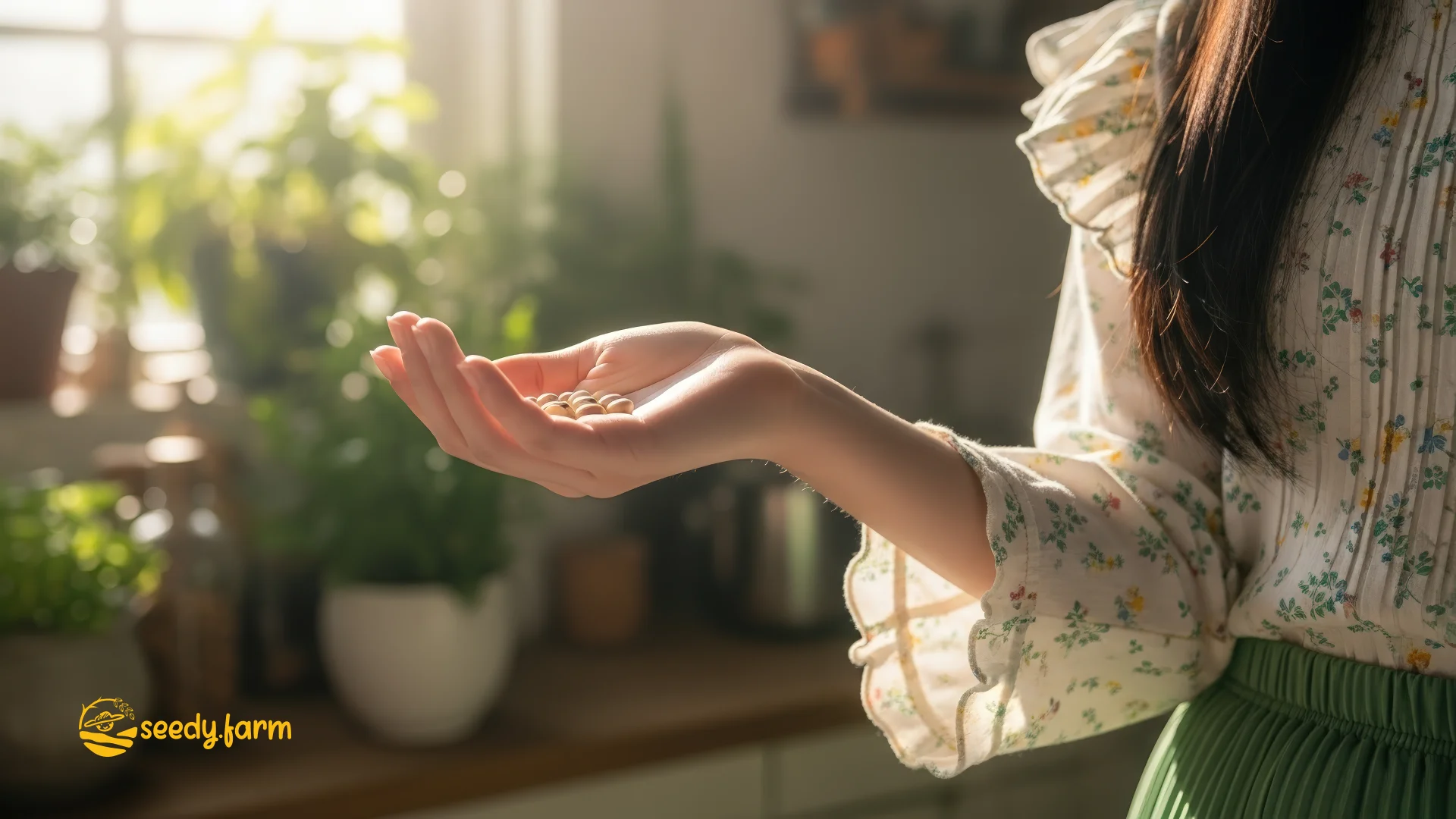
Urban farming has blossomed into a cornerstone of sustainability and community in our cities. As balconies, rooftops, and community plots transform into green oases, the foundational choice between starting with seeds or seedlings becomes paramount. This decision dictates not just the health and yield of your harvest, but the very nature of your gardening journey. This guide will provide the horticultural knowledge you need to make the right choice for your urban space.
I. The Gardener’s Foundation: From Seed to Start
1. Seeds vs. Seedlings: Understanding the Basics
To weigh the pros and cons, we must first be precise about what a seed and a seedling are in the context of your garden.
a. The Potential Within a Seed
A seed is a self-contained life-support system. It holds the complete genetic blueprint for a plant, dormant and protected within an outer coat. Choosing to start with seeds is choosing to participate in the entire life cycle, from germination to harvest. This path offers unparalleled variety and a deep, foundational understanding of how plants grow. Remember that seed viability decreases over time; always check the ‘packed for’ date on a packet. Proper storage in a cool, dark, and dry place is essential for longevity.
b. The Head Start with Seedlings
A seedling, also called a start or transplant, is a young plant that has passed the initial, vulnerable stages of life. Critically, it has moved beyond germination and developed its first set of true leaves. This is a key milestone. The first ‘leaves’ that emerge are actually cotyledons, or seed leaves, which are part of the seed’s embryo and provide its initial fuel. The appearance of true leaves—which resemble the leaves of the mature plant—signals that the plant is now self-sufficient, creating its own energy through photosynthesis. At this point, it is officially a seedling, not just a sprout. A healthy seedling ready for transplanting should have 2-3 sets of true leaves, a root system that holds its soil together without being ‘root-bound’ (dense, circling roots), and a stem thick enough to handle the move.
2. Sprout vs. Seedling: Clarifying the First Stages of Life

#### a. The Sprout: The Initial Emergence
Think of a sprout as a newborn. It is the very first stage after a seed germinates and breaks through the soil surface. At this point, the plant is running almost entirely on the energy reserves stored within its seed leaves (cotyledons). It is highly vulnerable to changes in moisture, temperature, and to fungal diseases like damping off.
b. The Seedling: The First True Leaves
A seedling is like a toddler. This stage begins when the plant develops its first set of true leaves. This is a significant moment because it marks the start of active photosynthesis, where the plant begins to produce its own food from sunlight. It is more resilient than a sprout and has begun to establish a true root system, making it more self-sufficient.
c. Why This Distinction Matters for Urban Gardeners
Knowing this difference informs critical gardening decisions. You thin out competing sprouts to give one the best chance to become a strong seedling. You begin to consider a very light dose of fertilizer only after a plant becomes a seedling and can utilize the nutrients. Most importantly, assessing ‘seedling transplant readiness’—not ‘sprout readiness’—is the key to a successful move to a new pot or garden bed.
3. Weighing Your Options: Pros and Cons for Urban Growers

#### a. Starting from Seed: Advantages
- Economic Advantage: Seeds provide unmatched value. A single packet, costing very little, can produce dozens of plants, making it the most cost-effective method for any urban garden, large or small.
- Unmatched Variety & Biodiversity: The world of seeds is nearly infinite. You can access thousands of heirloom, rare, and specialized varieties (e.g., container-specific breeds) that are simply not sold as seedlings.
- Deep Educational Experience: Observing the full cycle from seed to harvest provides a profound understanding of plant biology, which is invaluable for new gardeners, families, and anyone seeking a deeper connection to their food.
- Superior Acclimatization: A plant sown directly in its final location adapts to your specific microclimate—light, wind, and humidity—from day one. This creates a more resilient plant and avoids the stress of transplanting.
- Fostering Sustainability & Resilience: Saving seeds from your best open-pollinated plants builds a locally-adapted seed stock, reduces reliance on commercial supply chains, and connects you to a tradition of agricultural self-sufficiency.

#### b. Starting from Seed: Challenges
- Significant Time Investment: Patience is non-negotiable. Growing from seed adds weeks or months to your timeline, requiring consistent care that may not align with short growing seasons or busy schedules.
- Requires Specific Knowledge & Care: Success depends on understanding germination needs like temperature, moisture, and depth. You must also learn to prevent common issues like ‘damping off,’ a fungal disease that kills sprouts.
- Potential Space & Equipment Needs: Starting seeds indoors properly often requires dedicated space for trays and pots, and frequently supplemental grow lights or heat mats to ensure strong, healthy growth.
- Uncertainty and Variability: Not every seed will germinate, and growth can be uneven. This unpredictability can be a challenge when every square inch of your urban plot counts.
- Maintaining Ideal Conditions: Providing the consistent environment needed for germination can be difficult, exposing seeds to risks from fluctuating temperatures, pests, or weather if sown outdoors too early.
c. Choosing Seedlings: Advantages
- Faster Path to Harvest & Instant Impact: Seedlings offer immediate gratification and significantly shorten the time to harvest. This is a major advantage for short seasons or for quickly greening a new garden space.
- Increased Initial Predictability: The germination stage is the first major hurdle. By starting with a seedling, you have a much higher certainty of initial success, which is a great confidence booster for beginners.
- Simplified Early Care: Established seedlings are more robust than tiny sprouts. While they still need care and proper ‘hardening off’—the vital 7-10 day process of gradually exposing them to outdoor conditions—they are less fragile.
- Bypassing Germination Difficulties: This is the ideal choice for plants that are notoriously difficult to start from seed, such as those requiring cold stratification or scarification (scratching the seed coat).
- Easier Space Planning: Working with plants of a known size allows for precise spacing and arrangement in containers or raised beds, maximizing the efficiency of a small urban footprint.

#### d. Choosing Seedlings: Disadvantages
- Higher Upfront Cost: Convenience has a price. On a per-plant basis, seedlings are significantly more expensive than seeds.
- Restricted Variety Selection: Your choices are limited to what local nurseries decide to grow, which are typically common, commercially popular hybrid varieties.
- Risk of Importing Problems: Nursery plants can unintentionally carry pests (like aphids or spider mites) or diseases into your carefully managed garden. A thorough inspection is crucial.
- Transplant Shock: Moving a seedling causes stress. The plant’s microscopic root hairs, which are vital for water and nutrient absorption, are inevitably damaged. The plant must then expend energy to repair these roots and acclimate to new light and temperature levels, temporarily pausing foliage growth.
- Less Environmental Adaptation & Control: A nursery-grown plant is adapted to a greenhouse, not your balcony. You also have no control over the soil, fertilizers, or pesticides used in its early development.
- Reliance on Suppliers & Plastic Waste: Your success depends on nursery availability, and the practice generates a significant amount of plastic pot and tray waste. Actively seek suppliers who use biodegradable pots or have a recycling program.
4. Sourcing Smart: How to Choose Quality Seeds & Seedlings

#### a. Reading a Seed Packet Like a Pro
A seed packet is a user manual for your future plant. Key terms to understand include:
- Days to Germination: How long it takes for the seed to sprout under ideal conditions.
- Days to Maturity: The time from germination to the first expected harvest. This is critical for planning in regions with short growing seasons.
- Sun Requirements: ‘Full sun’ (6+ hours), ‘part sun/shade’ (4-6 hours), or ‘shade’ (<4 hours). Be honest about your urban space’s light.
- Spacing: The distance required between plants to allow for mature growth. Overcrowding leads to competition and poor health.
- ‘Packed For’ Date: This indicates freshness. Seeds lose viability over time, so always buy for the current year if possible.
b. Heirloom, Hybrid, Organic: What’s Best for Your Urban Plot?
- Heirloom: Open-pollinated varieties passed down through generations. Choose these for unique flavors, colors, and the ability to save your own seeds for next year.
- Hybrid (F1): Created by cross-pollinating two different parent varieties. Choose these for specific traits like high yield, disease resistance, or uniformity—often great for challenging urban conditions. You cannot save true seeds from hybrids.
- Organic: The seed was harvested from a plant grown according to certified organic standards (no synthetic pesticides or fertilizers). Choose these to ensure your entire growing process is organic from start to finish.
c. Evaluating Nursery Seedlings: A Buyer’s Checklist
Don’t just grab the biggest plant. Inspect it carefully before you buy:
- Check for Pests: Look under the leaves for common pests like aphids, spider mites, or whiteflies. Avoid any plant with visible insect activity.
- Healthy Leaves & Stems: Look for vibrant, green leaves. Avoid plants with yellowing, spotting, or signs of wilting. The stem should be stocky and strong, not thin and ‘leggy’ (stretched out from lack of light).
- Examine the Root System: Gently slide the plant out of its pot if possible. Roots should be white or light-colored and visible throughout the soil. Avoid plants with brown, mushy roots (rot) or a dense, circling mass of roots (‘root-bound’), as this will hinder growth after transplanting.
- Proportional Size: The plant should be a reasonable size for its container. A huge plant in a tiny pot is likely root-bound and stressed.
II. Crop Selection Guide: Seeds vs. Seedlings for Urban Environments

### 1. Crops Often Best Started as Seedlings
These plants have long maturation times or specific germination needs, making a head start from a seedling highly advantageous.
- *Tomatoes (Solanum lycopersicum):* Seedlings give a vital head start, especially indeterminate (vining) types. For containers, choose compact determinate (bush) varieties.
- *Peppers (Capsicum annuum):* Notoriously slow to germinate and grow initially; seedlings are highly recommended for urban gardens to ensure a harvest.
- *Eggplants (Solanum melongena):* Require a long, warm season. Seedlings are almost always advantageous in temperate urban climates. Look for compact varieties.
- *Brassicas (Broccoli, Cauliflower, Cabbage, Brussels Sprouts – Brassica oleracea varieties):* Starting seedlings indoors helps these cool-season crops establish before summer heat arrives (for spring planting) or get large enough before winter (for fall planting).
- Many Herbs (e.g., Basil, Parsley, Rosemary, Thyme): While many grow easily from seed, buying herb seedlings offers instant usability and robust plants quickly for containers and windowsills.
2. Crops Generally Best Sown Directly from Seed
These plants grow quickly or have sensitive taproots that are easily damaged by transplanting.
- Root Vegetables (Carrots, Beets, Radishes, Turnips): Direct sowing is essential. Disturbing the primary root during transplanting can cause it to fork or become stunted. Choose shorter varieties for shallower containers. Beet ‘seeds’ are actually seed clusters, so thinning is almost always required.
- Leafy Greens (Lettuce, Spinach, Arugula, Mustard Greens): Most germinate quickly and are easy to manage when sown directly. Excellent for succession planting (sowing small batches every few weeks) for a continuous harvest.
- *Legumes (Peas, Bush Beans, Pole Beans – Pisum sativum, Phaseolus vulgaris): Seeds germinate reliably, and plants establish best when roots aren’t disturbed. Bush beans are great for containers; pole beans utilize vertical space efficiently. Inoculating legume seeds with Rhizobium bacteria can boost nitrogen fixation and growth.*
- Fast Cycle Greens (Mesclun Mixes, Microgreens): Designed for dense sowing and quick harvesting at a young stage, perfect for small indoor or outdoor urban spaces.
- *Most Squash & Zucchini (Cucurbita pepo):* Vigorous growers that sprout readily from large seeds once soil is warm. Direct sowing avoids transplant shock. Select compact bush varieties for smaller urban footprints.
3. Flexible Crops: Suitable for Either Method
These can be successfully grown either way, depending on your climate and goals.
- *Cucurbits (Cucumbers, Melons – Cucumis spp.):* Can be direct-sown in warm soil, or started indoors 2-3 weeks before the last frost for an earlier harvest (use peat/paper pots to minimize root disturbance). Trellising is key for urban space saving.
- *Kale & Swiss Chard (Brassica oleracea, Beta vulgaris):* Hardy and adaptable. Direct sow or start indoors. These provide long harvest periods and tolerate varied urban conditions well.
- *Okra (Abelmoschus esculentus):* Direct sow in warm climates, or start as seedlings in cooler regions to extend the growing season. Needs full sun.
- *Sunflowers (Helianthus annuus):* Easy to direct sow, but starting dwarf varieties indoors can work for containers or getting a jumpstart.
- Edible Flowers (e.g., Nasturtiums, Calendula, Marigolds): Generally easy either way. Offer beauty, attract pollinators, and add flavor/color to urban meals.
4. Quick Reference Crop Guide: Seedlings vs. Seeds for Urban Farming
a. Quick Reference: Seeds vs. Seedlings for Urban Farms
| Feature | Starting from Seed | Buying Seedlings (Starts) | Key Urban Farming Takeaway |
|---|---|---|---|
| Cost | Lower cost per plant (especially buying bulk/packets) | Higher initial cost per plant | Seeds win for budget-conscious or large-scale planting. |
| Time | Longer time to harvest; requires early planning/starting | Quicker time to harvest; instant gratification | Seedlings save time if you missed the starting window. |
| Variety | Huge selection available (heirloom, unusual, specific) | Limited selection (common varieties, often hybrids) | Seeds are essential for growing unique or niche crops. |
| Effort | Higher initial effort (sowing, thinning, hardening off) | Lower initial effort (plant directly) | Seedlings reduce early-stage work, good for busy schedules. |
| Space | Needs dedicated initial space (seed trays, lights) | Needs immediate final container/bed space | Consider your indoor setup vs. immediate outdoor/pot space. |
| Success | Learning curve; potential issues (damping off, pests) | Generally higher initial success rate for beginners | Seedlings offer reliability, especially for tricky-to-start plants. |
| Control | Full control over soil mix, organic methods from day 1 | Less control over initial conditions (pesticides, soil) | Seeds provide maximum control over growing practices. |
| Pests/Disease | Lower risk of introducing pests/diseases | Potential to bring home pests or diseases from nursery | Inspect seedlings carefully before bringing them into your space! |
| Best For: | Root crops (carrots, radishes), fast growers (beans, lettuce), unique varieties, experienced growers, budget projects | Slow growers (peppers, eggplant), tender herbs (basil), beginners, time-crunched projects | Match the method to the plant type and your situation. |
#### b. Urban Farming: Seedling vs. Direct Sow Recommendations
| Crop | Seedlings | Direct Sow | Notes for Urban Farmers |
|---|---|---|---|
| Tomatoes | Recommended | Good Alternative | Seedlings crucial for long season; choose determinate/patio types for containers. |
| Peppers | Recommended | Good Alternative | Slow starters; seedlings give an essential head start in almost all urban settings. |
| Eggplants | Recommended | Good Alternative | Need warmth & time; seedlings highly recommended. Compact varieties exist. |
| Lettuce | Good Alternative | Recommended | Direct sow for cut-and-come-again or head lettuce. Good for containers and vertical systems. |
| Spinach | Good Alternative | Recommended | Sow directly in cool weather (spring/fall). Fast growing. |
| Carrots | Not Recommended | Recommended | Always direct sow to avoid root damage. Choose short/round types for containers. |
| Beets | Good Alternative | Recommended | Direct sowing preferred for root quality. Thin carefully. Tops are edible too! |
| Radishes | Not Recommended | Recommended | Very fast from seed; ideal for impatient urban gardeners & small spaces. Succession sow. |
| Peas | Good Alternative | Recommended | Direct sow preferred. Need support/trellis. Great for early spring vertical gardening. |
| Beans (Bush/Pole) | Good Alternative | Recommended | Direct sow once soil is warm. Bush types ideal for pots; pole types maximize vertical space. |
| Cucumbers | Good Alternative | Recommended | Direct sow or start indoors for earliness (use biodegradable pots). Choose bush varieties & trellis. |
| Squash/Zucchini | Good Alternative | Recommended | Direct sow common & easy in warm soil. Choose bush varieties for containers/small plots. |
| Herbs (most) | Recommended | Good Alternative | Seedlings for quick start/convenience; seeds for variety/cost. Many ideal for pots/windowsills. |
| Kale/Chard | Recommended | Recommended | Very adaptable. Direct sow or transplant. Highly productive, often tolerating heat/cold. |
| Microgreens | Not Recommended | Recommended | Always direct sow densely in shallow trays. Perfect for indoor urban farming, very fast harvest. |
## III. Your Urban Gardening Questions, Answered
1. Getting Started & Troubleshooting
What’s the real difference between a sprout and a seedling?A sprout is a plant in its first stage of life, running on energy from its seed. A seedling is the next stage, which begins when the plant grows its first ‘true leaves’ and starts to photosynthesize, creating its own food. Think of it as the difference between a newborn (sprout) and a toddler (seedling). This milestone is your cue that the plant is becoming self-sufficient. My seedlings are really tall and thin. What did I do wrong?This condition is called ‘legginess,’ and it’s almost always caused by insufficient light. The seedlings are desperately stretching to find a stronger light source. To fix this, provide more intense light immediately. Use a stronger grow light or move them to a brighter, sunnier window. For future batches, ensure your light source is very close to the tops of the seedlings (just a few inches away) and raise it as they grow.

Is it more advantageous to transplant or direct sow for most beginners?For absolute beginners, using a mix is best. Buy robust seedlings for slow-growing, high-value crops like tomatoes and peppers to guarantee some success. At the same time, direct sow easy, fast-growing seeds like radishes, bush beans, or lettuce. This blended approach boosts confidence with early wins from seedlings while providing a low-risk way to learn the skill of direct sowing. Why didn’t my seeds germinate?The most common culprits are incorrect temperature, improper moisture levels, or planting depth. Temperature: many seeds (like peppers) need consistent warmth to sprout. Moisture: soil should be consistently moist like a wrung-out sponge, not waterlogged (which rots seeds) or bone dry. Depth: a general rule is to plant a seed about twice as deep as it is wide. Planting too deep means the sprout exhausts its energy before reaching the surface.
### 2. Space, Cost & Equipment
I have a very small balcony. Are seeds or seedlings better for limited space?It depends on where the space limitation is. If you lack indoor space for starting trays, then buying seedlings is better, as they can go directly into your final balcony pots. If your balcony space itself is the main constraint, seeds can be more strategic, allowing you to grow compact or vertical varieties specifically chosen for small containers, which may not be available as seedlings. From a pure cost perspective, how much cheaper are seeds really?Significantly. A packet of 50 tomato seeds might cost the same as a single tomato seedling. If you plan to grow more than a handful of plants, the cost savings from using seeds multiply rapidly. The tradeoff is the initial investment in seed-starting mix and potentially a grow light, but these items can be reused for many seasons. Do I absolutely need a grow light to start seeds indoors?While a very bright, south-facing window can work for some easy-to-grow plants, a grow light is a game-changer and highly recommended. It prevents ‘legginess’ (weak, stretched stems) and ensures strong, stocky seedlings that are better prepared for transplanting. Affordable LED shop lights or clip-on grow lights are excellent investments for any serious urban gardener.

What are the overall pros and cons of urban farming itself?Pros: Fresh, nutritious food at your doorstep; reduced food miles and carbon footprint; connection to nature; educational for all ages; and building community. Cons: Space limitations; potential for lower yields compared to traditional farms; challenges with pests, pollination, and light in a city environment; and potential startup costs for containers and quality soil.
### 3. Deeper Dive & Sustainability
How do I save seeds from my urban garden for next year?First, ensure you are growing open-pollinated or heirloom varieties (not F1 hybrids). For easy plants like beans or peas, let the pods dry completely on the vine, then shell and store the seeds. For tomatoes, scoop out the seeds and gel into a jar of water, let it ferment for a few days until the gel dissolves, then rinse, dry thoroughly on a paper towel, and store. Always store seeds in a cool, dark, dry place. What does it mean to ‘inoculate’ legume seeds?Inoculating means coating the seeds (like peas, beans) with a powder containing specific Rhizobium bacteria before planting. These bacteria form a symbiotic relationship with the plant’s roots, creating nodules that ‘fix’ nitrogen from the air and convert it into a usable form for the plant. This natural process acts as a free fertilizer, boosting growth and soil health. Besides plastic pots, what are the biggest environmental considerations when choosing between seeds and seedlings?The primary consideration is the energy and resource chain. Seeds are resource-light, requiring minimal energy to produce and ship. Seedlings require heated and lighted greenhouses, significant water, fertilizer, and often peat moss (a non-renewable resource), plus the transportation energy to get them from a large-scale grower to your local nursery and then to your home. Growing your own seedlings from seed using peat-free mix is the most sustainable path.
Comments (0)
No comments yet. Be the first to share your thoughts.