 Skip to content
Your Guide to Planting and Caring for Crab Claw Herb
Have you encountered the delightful herb known as “Crab Claw Herb” (Peperomia pellucida)? Perhaps you’ve seen it thriving in warm,
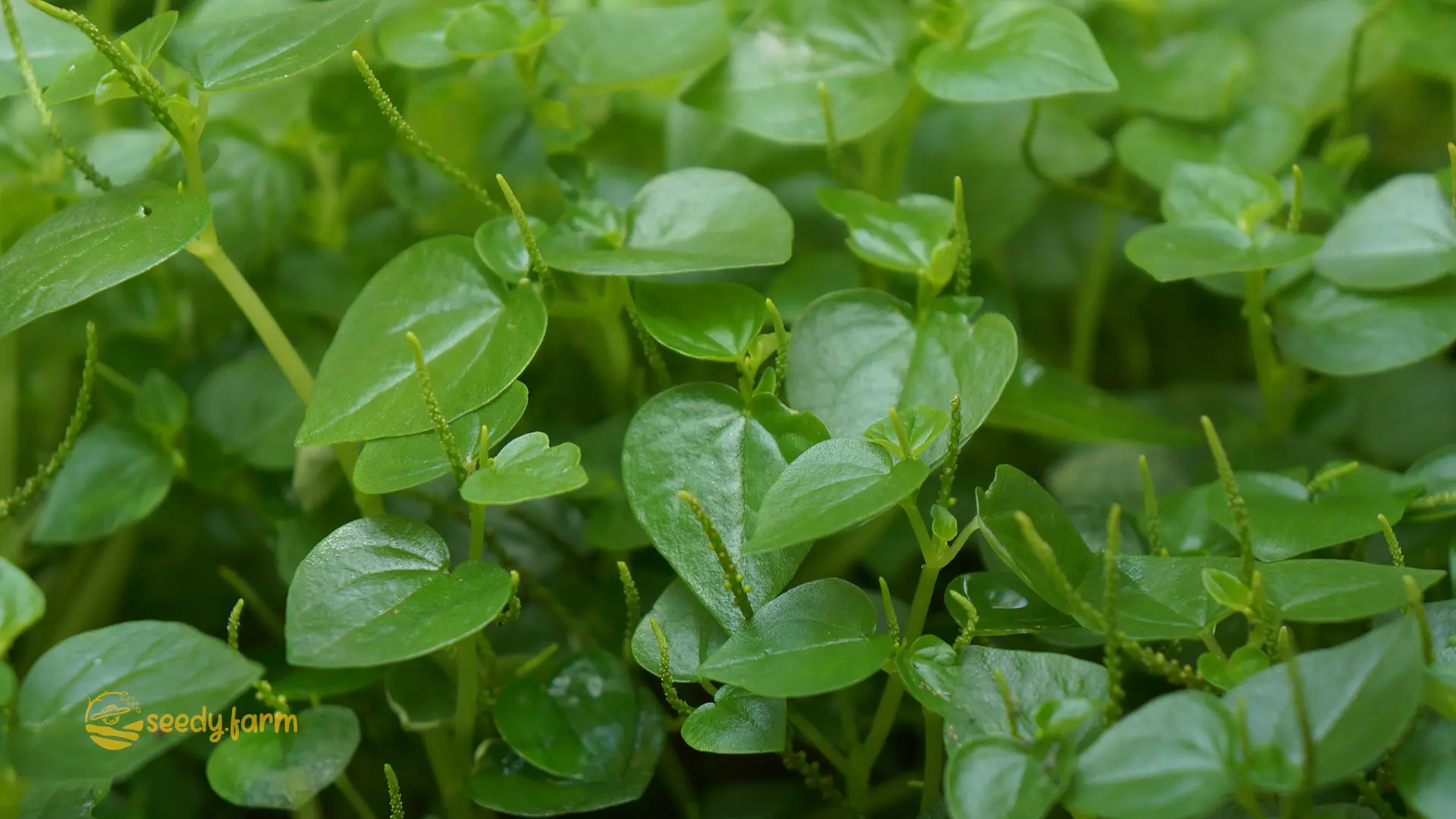
Have you encountered the delightful herb known as “Crab Claw Herb” (Peperomia pellucida)? Perhaps you’ve seen it thriving in warm, damp spots, or maybe, like me, you discovered it during travels. My own introduction was in Vietnam, where this resilient plant grows abundantly in the wild and features prominently in local cuisine. It’s the star ingredient in a refreshing salad called “rau càng cua”, which gains an extra dimension of flavour when paired with traditional Vietnamese dipping sauces.
But Crab Claw Herb offers more than just culinary appeal; it’s valued for its nutritional content and has a history in traditional wellness practices. It’s sometimes noted for potential cooling properties and use in certain folk remedies for skin conditions. A memorable encounter with a market vendor even yielded a fantastic recipe for beef salad with a tangy oil vinegar dressing – showcasing just one of the many ways to enjoy this versatile herb. Let’s explore how you can successfully cultivate this intriguing plant yourself.
I. Plant Overview: Getting to Know Peperomia pellucida
 This versatile herb, known scientifically as Peperomia pellucida, is valued both in the kitchen and as an easy-to-grow plant. Here’s a summary of its key characteristics and growing needs:
| Botanical Name | Peperomia pellucida (L.) Kunth |
|---|---|
| Common Names | Crab Claw Herb, Pepper Elder, Shining Bush Plant, Silverbush, Clearweed, Man to Man, Rau Càng Cua (Vietnamese) |
| Plant Family | Piperaceae (Pepper Family) |
| Origin & Distribution | Native to Tropical Americas; widely naturalized in warm, humid regions globally (incl. SE U.S., Hawaii, Asia, Africa). Can sometimes become weedy in ideal conditions. |
| Growth Habit | Annual (or short-lived perennial in optimal zones), typically 6-18 inches (15-45 cm) tall, with an upright to somewhat sprawling habit, often forming clumps. |
| Key Physical Traits | Features succulent, translucent light green stems that are somewhat fragile. Leaves are bright green, glossy, succulent, and distinctly heart-shaped (cordate), arranged alternately. Releases a mild peppery or mustard-like scent when leaves or stems are crushed. |
| Flowers | Produces inconspicuous, tiny greenish flowers densely packed on slender, erect spikes (technically spadices, often called ‘rat-tails’) which arise opposite the leaves. |
| Seeds | Develops minute, dark, dot-like seeds along the flower spikes. These seeds are sticky when moist and readily dispersed, allowing the plant to self-sow easily. |
| Hardiness | Sensitive to frost. Can be grown as a perennial in frost-free climates, typically USDA Hardiness Zones 10-11. Usually cultivated as an annual in cooler zones. |
### 1. Ideal Growing Environments: Indoor vs. Outdoor
Crab Claw Herb demonstrates excellent adaptability.
- Outdoors: It thrives in warm, humid climates (like its native tropical conditions or USDA Zones 10-11), performing best in partially shaded, consistently moist garden locations.
- Indoors: It makes a superb houseplant year-round in any region. Success indoors hinges on providing adequate bright, indirect light and maintaining high humidity levels.
2. Soil Requirements: The Right Foundation
Preferred Soil Type: This plant needs soil that holds moisture consistently but also drains well, preventing waterlogging. Aim for a mix that is light, airy, and rich in organic matter. Avoid heavy clay or compacted soils which can lead to root rot.
Sustainable Soil Mixes: You can create an excellent growing medium by combining equal parts:
- Coco coir (a sustainable peat moss alternative) OR quality potting soil
- Finished compost or well-rotted leaf mold (for nutrients and structure)
- Perlite, coarse horticultural sand, or small bark fines (for aeration and drainage)
A slightly acidic to neutral soil pH (around 6.0-7.0) is generally suitable. Incorporating compost regularly helps maintain soil health and fertility naturally.
3. Essential Conditions: Light, Temperature, and Humidity
Light Needs: Provide bright, indirect light. An east or north-facing window is often ideal indoors. Outdoors, dappled sunlight or partial shade (like under taller plants) is preferred. Avoid direct, intense sunlight, especially afternoon sun, as it can easily scorch the delicate, succulent leaves. While it tolerates lower light levels, the plant might grow ‘leggy’ (stretched stems with sparse leaves).
Temperature Range: Crab Claw Herb prefers warm conditions, growing best in temperatures between 65°F and 80°F (18°C – 27°C). Protect it from temperatures dropping below 50°F (10°C) and keep it away from cold drafts or sudden temperature fluctuations.
Humidity Requirements: This is crucial – it demands high humidity, ideally above 60%. In dry indoor environments (especially with heating or air conditioning), boost humidity by:
- Placing the pot on a pebble tray filled with water (ensure the pot base isn’t submerged).
- Grouping it with other plants (which release moisture through transpiration).
- Using a room humidifier nearby.
- Regularly misting the leaves (provides temporary benefit).
II. Planting and Cultivation: Step-by-Step Guide
Growing Crab Claw Herb is generally straightforward, whether you start from seeds, cuttings, or young plants.
1. Starting from Seeds
Peperomia pellucida seeds are tiny and require specific conditions for successful germination.
a. Seed Selection and Preparation
Obtain fresh, high-quality seeds from a reputable source for best germination rates. The seeds are minute, appearing as tiny dark specks, often still attached to dried flower spikes. No special pre-treatment is usually needed, but ensure they haven’t completely dried out for years.
b. Ideal Conditions for Germination
Crab Claw Herb seeds require warmth, consistent moisture, and light to germinate. Aim for a stable temperature between 75-85°F (24-29°C). The soil surface must remain consistently damp (like a wrung-out sponge, never soggy).
c. Steps for Planting Seeds
- Fill a seed tray, shallow pots, or flats with a fine, loose, well-draining seed-starting mix (as described in the soil section). Moisten the mix thoroughly before sowing.
- Carefully sprinkle the tiny seeds evenly over the surface of the moist soil mix. Do not cover the seeds with soil, as they need light to germinate. Gently press them onto the soil surface to ensure good contact.
- Cover the tray or pots with a clear plastic dome or plastic wrap to maintain high humidity and warmth. Ensure there are some small ventilation holes or lift the cover daily for a few minutes to allow air exchange.
- Place the container in a location with bright, indirect light. Avoid direct sun, which can overheat the container. A spot under grow lights can also work well.
- Keep the soil surface consistently moist using a fine mist sprayer. Avoid heavy watering that can dislodge the tiny seeds. Patience is key; germination can occur anywhere from 3 days to 3 weeks, sometimes longer depending on conditions.
- Once seedlings emerge and develop their first true leaves (the second set of leaves that appear), gradually acclimate them to lower humidity by removing the plastic cover for longer periods each day over a week. Continue to keep the soil consistently moist.
- When seedlings are large enough to handle, carefully transplant them into individual small pots or their final growing location (see transplanting section below). Handle them gently by their leaves, not their fragile stems.

2. Propagating from Stem Cuttings
This is often an easier and faster method than starting from seed.
a. Taking Cuttings
Select a healthy, vigorous stem tip, about 3-4 inches long. Make a clean cut just below a leaf node (where a leaf attaches to the stem). Remove the leaves from the bottom inch or two of the cutting.
b. Rooting Cuttings
- Fill a small pot with a moist, well-draining potting mix (similar to the seed starting mix).
- Make a small hole in the center of the mix with a pencil or dibber.
- Insert the base of the cutting into the hole, ensuring the stripped nodes are below the soil surface. Gently firm the mix around the stem. (Optional: Dip the cut end in rooting hormone before planting).
- Alternatively, place the cutting in a glass of water, ensuring the nodes are submerged but leaves remain above water. Change the water every few days.
- Cover the potted cutting with a plastic bag or place it in a propagator to maintain high humidity. If rooting in water, high humidity is still beneficial.
- Place in bright, indirect light and maintain warmth (70-75°F / 21-24°C is ideal).
- Roots should develop within a few weeks. For soil-rooted cuttings, you can gently tug the cutting – resistance indicates root growth. For water-rooted cuttings, transplant to soil once roots are about an inch long.
3. Growing from Transplants (Young Plants)
Using nursery-bought plants or divisions from established clumps is the quickest way to get started.
a. Choosing Healthy Transplants
Select plants that look vigorous, with bright green, turgid leaves and no signs of pests or disease (check undersides of leaves!). Ensure the root system is established but not overly root-bound (circling roots).
b. Transplanting Process
- Prepare the planting site (garden bed or pot) with appropriate loose, well-draining, organically rich soil. Ensure the pot has drainage holes.
- If moving a plant from indoors/greenhouse conditions to an outdoor garden spot, ‘harden it off’ first. Gradually expose it to outdoor conditions (light intensity, temperature) over 7-10 days to prevent shock.
- Dig a hole slightly larger than the root ball of the transplant.
- Carefully remove the plant from its current container, disturbing the roots as little as possible. Handle the fragile stems gently.
- Place the transplant in the hole, ensuring the top of the root ball is level with the surrounding soil surface.
- Backfill the hole with soil, gently firming it around the root ball to eliminate large air pockets. Do not compact the soil heavily.
- Water thoroughly immediately after transplanting to settle the soil and hydrate the roots. Ensure water drains freely from pots.
- Keep the soil consistently moist (but not waterlogged) while the plant establishes itself in its new location, which may take a couple of weeks.
4. Essential Care: Watering and Feeding
- Watering: Crab Claw Herb thrives in consistently moist soil but is susceptible to root rot if conditions become waterlogged. Water whenever the top inch of soil feels dry to the touch. Check moisture by gently inserting your finger into the soil. Water thoroughly, allowing excess water to drain away. Reduce watering slightly during cooler periods or if growth slows, but never let the soil dry out completely. Sustainable Tip: Water at the base of the plant early in the morning to minimize evaporation and allow foliage to dry before evening, reducing disease risk. Using collected rainwater is an excellent sustainable choice.
- Feeding: This plant is not a heavy feeder. Over-fertilization can lead to weak, leggy growth and potentially harm the plant. During the active growing season (spring and summer), feed sparingly once a month with a balanced liquid fertilizer diluted to half-strength. Sustainable Tip: Opt for organic fertilizers like diluted fish emulsion, worm castings tea, or compost tea. Incorporating compost into the soil mix at planting time also provides slow-release nutrients.
5. Site Selection, Spacing, and Management
- Optimal Planting Sites: Choose a location offering partial shade or dappled sunlight outdoors. Underneath taller plants or on the east side of a structure often works well. Indoors, bright indirect light is key (e.g., near an east or north window). Protect from harsh afternoon sun and strong winds.
- Spacing: Allow about 6-12 inches (15-30 cm) between plants if growing in a bed, to ensure good air circulation and prevent overcrowding.
- Managing Spread (Containment): Peperomia pellucida self-seeds readily in ideal conditions and can spread quickly, sometimes becoming weedy in gardens in warm climates. Growing it in containers is an effective way to keep it contained. If planting in garden beds, be prepared to monitor its spread. Unwanted seedlings are usually easy to pull up when young. Sustainable Tip: Instead of discarding excess seedlings, share them with fellow gardeners!
- Maintenance and Pruning: Pinch back the stem tips occasionally to encourage bushier, more compact growth. Regularly remove any yellowing or dead leaves. Trimming helps maintain shape and can prevent the plant from becoming too sprawling. Spent flower spikes can be removed if desired, though allowing some to mature will provide seeds for future propagation or self-sowing.
- Mulching: Applying a thin layer (1-2 inches) of organic mulch (like compost, shredded bark, or leaf mold) around outdoor plants helps retain soil moisture, suppress weeds (including unwanted Crab Claw seedlings), and keep roots cool. Keep mulch slightly away from the base stems to prevent rot.
6. Harvesting Crab Claw Herb
For the best flavour and texture, harvest young, tender leaves and upper stem portions.
- When to Harvest: Harvest in the morning after dew has dried for the highest moisture content and crispness. Leaves are typically best before the plant flowers heavily, but are usable throughout its life.
- How to Harvest: Simply pinch or snip off the top few inches of the stems, including leaves. You can also harvest individual leaves. Harvest regularly to encourage new growth. Leave the lower part of the plant (at least a few inches with leaves) intact so it can continue growing.
- Frequency: You can harvest lightly and frequently once the plant is established (around 6-8 inches tall). Avoid taking more than one-third of the plant at any single time.
III. Uses: Culinary, Traditional, and More
Disclaimer: The information provided regarding traditional uses is for educational purposes only and does not constitute medical advice. Always consult with a qualified healthcare professional before using any herb for medicinal purposes.
1. Traditional Wellness Uses
Throughout its native and naturalized ranges, various parts of Crab Claw Herb (Peperomia pellucida) have been utilized in traditional folk medicine systems. Reported uses include:
- Skin Applications: Crushed leaves or juice have been traditionally applied topically for minor skin issues, burns, or as a poultice. Some cultures incorporate it into facial preparations.
- Cooling Applications: The plant is sometimes considered to have cooling properties, with infusions or leaf applications used to address feverish conditions or headaches in some traditions.
- Internal Use Preparations: Infusions (teas) or decoctions made from the leaves or whole plant have been traditionally consumed for various ailments, including digestive discomfort, urinary issues, or gout-like symptoms, depending on the region and specific tradition.
- Analgesic Properties: Some traditional practices utilize it for relief from minor aches and pains.
Note: Scientific research into these traditional uses is ongoing, but robust clinical evidence supporting many of these claims in humans is often limited.
2. Culinary Uses
Crab Claw Herb is primarily enjoyed for its fresh, succulent texture and unique flavour.
- Fresh Salads: This is its most popular use. The crisp leaves and stems add a refreshing, mildly peppery or mustard-like crunch to salads. It pairs exceptionally well with beef, seafood, eggs, and tangy vinaigrettes (like the Vietnamese rau càng cua trộn thịt bò).
- Garnishes: Use fresh sprigs to garnish soups, stir-fries, or other dishes just before serving.
- Light Cooking: While best fresh, it can be lightly wilted into soups, stews, or stir-fries at the very end of cooking to retain some texture and flavour. Prolonged cooking diminishes its delicate qualities.
- Herbal Tea: Fresh or dried leaves can be steeped in hot water for a mild herbal infusion, though this is less common than its culinary use in salads.
Nutritionally, it contains vitamins and minerals, contributing positively to a balanced diet when consumed as part of varied meals.
| Nutrient | Approximate Amount per 100g |
|---|---|
| Calories | ~ 20 – 25 kcal |
| Water | ~ 90 – 94 g (90-94%) |
| Protein | ~ 1 – 1.5 g |
| Carbohydrates | ~ 2.5 – 5 g |
| Dietary Fiber | ~ 1.5 – 2.5 g |
| Sugars | ~ 0.5 – 1 g |
| Fat | ~ 0.3 – 0.5 g |
| Potassium | Moderate Source (variable) |
| Calcium | Moderate Source (variable) |
| Iron | Source (variable) |
| Vitamin C | Good Source when fresh (variable) |
| Vitamin A (as Beta-carotene) | Source (variable) |
| Other Phytochemicals | Contains various flavonoids, alkaloids, and other compounds studied for potential antioxidant and other properties. |
*Disclaimer: These values are approximate estimates based on available data and general composition of leafy greens. Actual nutritional content can vary significantly based on growing conditions, soil health, plant age, and analytical methods used. This table is for informational purposes only.*
3. Potential Indoor Air Quality Benefit
Some research on various Peperomia species suggests they may have the capacity to absorb certain volatile organic compounds (VOCs), such as formaldehyde, from indoor air. While Peperomia pellucida might contribute modestly to a healthier indoor environment, relying on plants alone for significant air purification is not sufficient. Good ventilation remains crucial. Consider it a small bonus to enjoying this plant indoors!
IV. Troubleshooting Common Issues
While generally resilient, Crab Claw Herb can encounter some problems. Here’s how to address them:
1. Pests and Diseases
- Common Pests: Watch out for aphids, spider mites (especially in dry conditions), mealybugs, and whiteflies. They often hide on the undersides of leaves and in stem joints. Sustainable Solutions: First, try dislodging pests with a strong spray of water. Encourage beneficial insects like ladybugs and lacewings in outdoor settings. For persistent infestations, use insecticidal soap or neem oil, following label instructions carefully and applying in the cooler parts of the day. Inspect new plants thoroughly before introducing them.
- Fungal Diseases & Root Rot: Overwatering, poor drainage, and inadequate air circulation are the main culprits. Symptoms include yellowing leaves, mushy stems at the base, and wilting despite moist soil. Prevention & Treatment: Ensure pots have drainage holes and use a well-draining soil mix. Water only when the topsoil is dry. Improve air circulation around plants. If root rot is suspected, gently remove the plant, trim away any brown, mushy roots with sterile shears, repot in fresh, appropriate soil, and water sparingly until recovery.
2. Environmental Stress Factors
- Leaf Scorch: Brown, dry patches on leaves usually indicate exposure to excessive direct sunlight. Move the plant to a shadier location with bright, indirect light.
- Leggy Growth: Long, stretched stems with sparse leaves suggest insufficient light. Move the plant to a brighter location (still avoiding direct sun). Pinching tips can encourage bushier growth.
- Wilting: Can be caused by both underwatering (soil is dry, leaves look limp) and overwatering (soil is soggy, roots are rotting, preventing water uptake). Check soil moisture to diagnose. Adjust watering practices accordingly.
- Yellowing Leaves: Can indicate overwatering, underwatering, nutrient deficiency, or sometimes just old leaves naturally dying off. Assess watering habits and soil moisture first. If conditions seem right, consider a light feeding if it hasn’t been fertilized recently.
- Brown Leaf Tips/Edges: Often a sign of low humidity, especially for indoor plants. Increase humidity using methods mentioned earlier (pebble tray, humidifier, grouping plants). It can also sometimes indicate water quality issues (excess salts or chlorine) – try using filtered or rainwater.
- Temperature Stress: Drooping, leaf drop, or blackened foliage can occur if exposed to cold drafts or temperatures below 50°F (10°C). Protect from cold and maintain stable, warm temperatures.
3. Nutrient Deficiencies
While not a heavy feeder, prolonged growth in nutrient-poor soil can lead to deficiencies.
- Symptoms: General pale green or yellowing leaves (especially older ones), slow or stunted growth.
- Solution: Apply a balanced organic fertilizer (like fish emulsion or compost tea) diluted to half-strength, about once a month during active growth. Refreshing the top layer of soil with compost annually can also help. Avoid over-fertilizing, which can cause more harm than good.
4. Propagation Challenges
- Seed Germination Failure: Common causes include old/non-viable seeds, insufficient warmth, lack of light (if covered with soil), or inconsistent moisture (too dry or too wet). Use fresh seeds, ensure proper temperature, sow on the surface, and keep consistently moist and humid.
- Cutting Failure: Cuttings may fail to root if the medium is too wet (rot), too dry, too cold, or humidity is too low. Ensure a moist but well-draining medium, warmth, and high humidity (use a plastic cover). Using rooting hormone can sometimes improve success rates.
- Transplant Shock: Wilting or slowed growth after transplanting is common. Minimize root disturbance during the process, water thoroughly after planting, keep the soil consistently moist, and protect from harsh conditions until established. Hardening off is crucial when moving plants outdoors.
5. Frequently Asked Questions (FAQ)
How exactly do I propagate Peperomia pellucida?
The easiest ways are by seed or stem cuttings. For seeds: Sow the tiny seeds on the surface of moist, well-draining soil (do not cover), keep warm (75-85°F / 24-29°C), consistently moist, and provide bright indirect light and high humidity. Germination takes 1-3 weeks typically. For cuttings: Take a 3-4 inch stem tip cutting below a node, remove lower leaves, and root it in moist soil or water. Maintain high humidity and warmth. Roots form in a few weeks.
What are the absolute must-haves for ideal growing conditions?
Peperomia pellucida needs:
- Bright, indirect light (no harsh sun)
- Warm temperatures (65-80°F / 18-27°C)
- High humidity (above 60%)
- Consistently moist, well-draining soil (never soggy or completely dry – Think “tropical understory” conditions)
How often should I really water Crab Claw Herb?
There’s no fixed schedule; water based on the plant’s needs. Check the soil moisture by sticking your finger about an inch deep. If it feels dry, it’s time to water thoroughly until water drains from the pot’s bottom. If it feels damp, wait. Aim to keep the soil consistently moist like a wrung-out sponge. Reduce frequency in cooler weather or low light.
Is Crab Claw Herb actually used for medicine?
It has a history of use in traditional folk medicine across various cultures for ailments like skin issues (topically), fever, headaches, and digestive complaints. However, scientific evidence for many of these uses is limited. Remember, this is not medical advice; consult a healthcare professional for health concerns. Its primary verified value is culinary and ornamental.
Can I easily grow Crab Claw Herb indoors all year?
Absolutely! It makes an excellent houseplant. Place it near a window with bright, indirect light (like an east or north window). Ensure high humidity by misting, using a pebble tray, or a humidifier, especially in dry indoor environments. Use a good quality, well-draining potting mix and water consistently as described above.
Is this plant invasive? Should I worry about it spreading?
In warm, humid climates (like USDA zones 10-11 or similar tropical areas), Peperomia pellucida can self-seed very effectively and may become weedy or spread aggressively in gardens if not managed. Growing it in containers is the best way to prevent unwanted spread outdoors in these regions. In cooler climates where it acts as an annual, invasiveness is generally not a concern. Unwanted seedlings are easy to identify and remove.
Comments (0)
No comments yet. Be the first to share your thoughts.