 Skip to content
How to Grow and Care for Chameleon Plant in Your Garden
Houttuynia cordata, commonly known as Chameleon Plant, is a visually striking ground cover admired for its heart-shaped leaves displaying a
Houttuynia cordata, commonly known as Chameleon Plant, is a visually striking ground cover admired for its heart-shaped leaves displaying a vibrant tapestry of red, green, yellow, and cream. Native to Asia, this herbaceous perennial certainly captures attention. However, its beauty comes with a significant challenge: a highly aggressive growth habit driven by vigorous underground stems called rhizomes. While its adaptability allows it to thrive in various conditions, including moist soils and pond edges, this same trait makes it notoriously invasive if not strictly managed. Understanding both the allure and the potential drawbacks of this plant is crucial before introducing it to your garden. This guide provides comprehensive information on identifying, growing, caring for, and rigorously containing Chameleon Plant.
I. Understanding Chameleon Plant (Houttuynia cordata)
1. Botanical Information and Origins
Houttuynia cordata belongs to the Saururaceae family (Lizard’s Tail family). It is a low-growing, spreading herbaceous perennial native to Southeast Asia, China, Korea, and Japan. Common names include Chameleon Plant, Fish Mint (due to its distinct fishy aroma when bruised), Rainbow Plant, Heartleaf, and Fish Wort. It is valued in some cultures for culinary and traditional medicinal uses, but primarily known in Western horticulture for its ornamental (though often problematic) ground cover potential. The species name, cordata, refers to the heart shape of its leaves.
2. Key Characteristics and Growth Conditions
| Specification | Details |
|---|---|
| Plant Type | Herbaceous perennial |
| Family | Saururaceae |
| Growth Habit | Aggressively spreading ground cover via rhizomes; also suitable for contained plantings (pots, water gardens) |
| Mature Height | Typically 9-15 inches (23-38 cm), can be shorter in drier conditions |
| Spread | Indefinite and rapid spread through rhizomes. Can quickly colonize large areas if uncontained. |
| Sunlight Requirements | Full sun to partial shade. Best leaf variegation and color intensity develop in full sun. In deep shade, foliage may become predominantly green. |
| Soil Requirements | Prefers fertile, consistently moist to wet soil. Tolerates a range of soil types (clay, loam, sand) provided moisture is adequate. Thrives in boggy conditions. |
| Water Needs | Requires consistently moist soil. Tolerates shallow standing water (up to 2 inches / 5 cm deep), making it suitable for water margins and bog gardens. |
| Temperature Range | Optimal growth between 60°F-80°F (15°C-27°C). Dormant in winter in colder zones. |
| Planting Time | Spring or early summer, after the last frost, allows establishment before winter. |
| Spacing | If planting multiple starts (use caution), space 12-18 inches (30-45 cm) apart within a securely contained area. |
| Propagation | Extremely easy via division of rhizomes (even small fragments) or stem cuttings rooted in water or moist soil. This ease of propagation contributes to its invasiveness. |
| Growing Zones | Generally hardy in USDA Hardiness Zones 5-11. May die back to the ground in winter in colder zones (5-7) and regrow from rhizomes in spring. |
| Flowers | Small, inconspicuous greenish-yellow flowers surrounded by four (typically) showy white bracts, appearing in late spring to early summer. Not the primary ornamental feature. |
| Leaves | Heart-shaped (cordate), typically 2-3 inches (5-7.5 cm) long. The popular cultivar ‘Chameleon’ features striking variegation in shades of green, cream, pink, and red. The species form is typically plain green. |
| Odor | Produces a distinctive pungent odor when leaves or stems are crushed, often described as fishy, citrusy, or even reminiscent of diesel fuel. This scent is a key identifying feature. |

3. Understanding its Invasive Nature
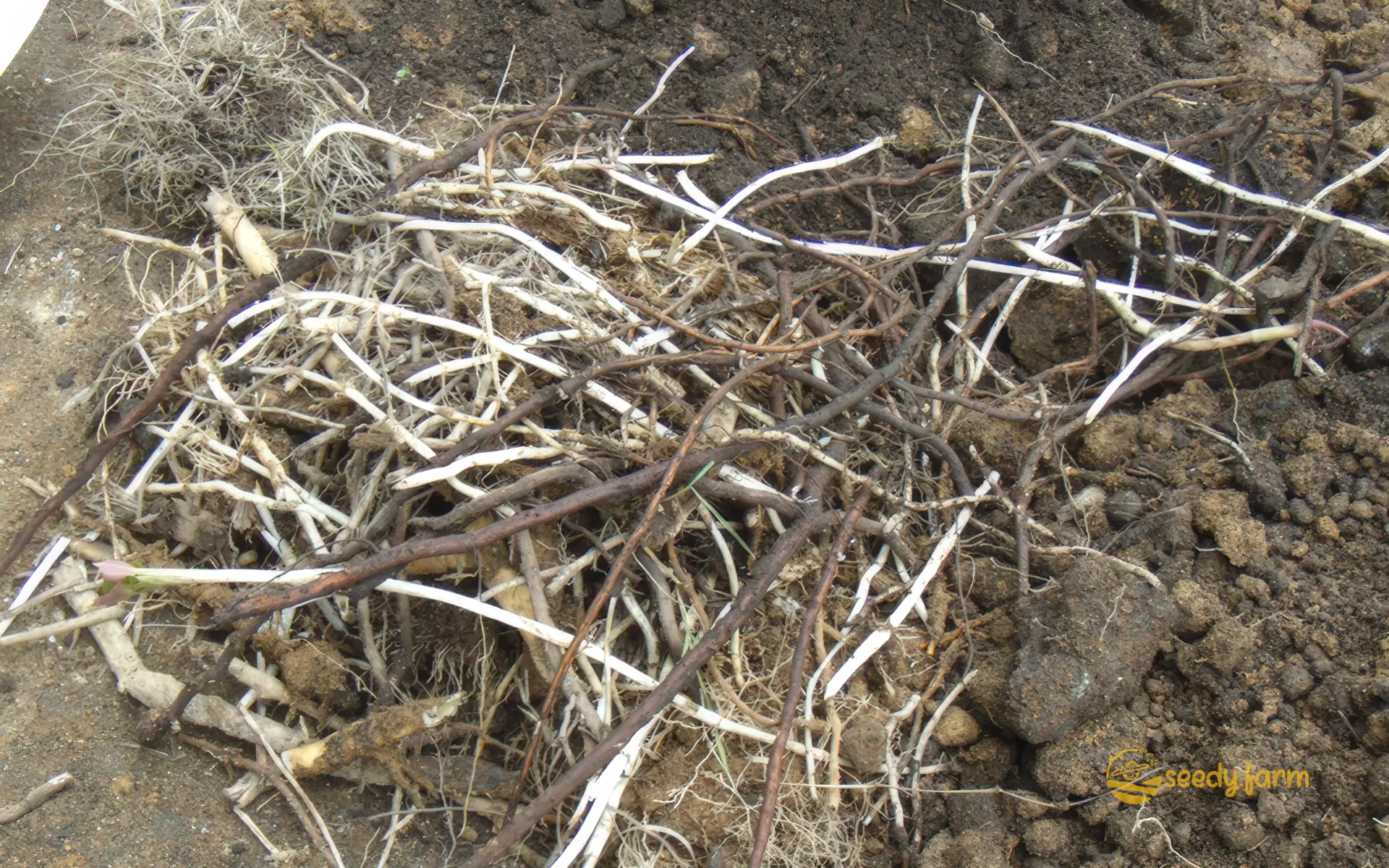
- Spreading Mechanism: The primary spread is vegetative, through vigorous, fleshy, white rhizomes. These are horizontal underground stems that grow rapidly, sending up new shoots and down adventitious roots at nodes along their length. Even tiny fragments of rhizome left in the soil can regenerate into new plants.
- Invasive Potential: Houttuynia cordata is listed as invasive in several regions. Its ability to spread quickly, outcompete other plants, and regenerate from fragments makes it extremely difficult to control or eradicate once established in open ground. It can easily invade lawns, garden beds, and natural areas.
- Critical Containment Strategies: Due to its aggressive nature, planting in open garden beds is strongly discouraged unless rigorous, permanent containment methods are employed from the outset. Physical barriers are essential.
II. Choosing the Right Location and Containment Method
1. Ideal Growing Conditions (Within Containment)
- Light Requirements: While tolerant of partial shade, Chameleon Plant achieves its most stunning leaf colors (especially the red and pink hues of the ‘Chameleon’ cultivar) in full sun (6+ hours of direct sunlight daily). In shadier spots, the variegation may fade, resulting in mostly green leaves.
- Soil Requirements: It thrives in rich, fertile soil that remains consistently moist or even wet. Amend planting areas within containers or barriers with compost or well-rotted manure to improve fertility and water retention. It tolerates heavy clay soil if moisture is adequate.
- Water Needs: This plant loves water. It’s an excellent choice for shallow pond margins, bog gardens, or areas with naturally damp soil, provided it is strictly contained. It can tolerate submersion in up to 2 inches (5 cm) of water. Regular watering is crucial in average garden soil or containers to prevent drying out.
2. Suitable Planting Sites & Containment Methods
- Containers: This is the safest and most recommended method for growing Chameleon Plant. Use large, sturdy pots without drainage holes if placing in a water feature, or with drainage holes if growing on patios or decks (ensure runoff doesn’t allow rhizomes to escape). Containers effectively restrict rhizome spread.
- Sinking Containers: To integrate the plant into a garden bed visually while maintaining control, plant it in a robust container (like a large plastic pot or tub) and sink the entire container into the ground, leaving the rim slightly above soil level to prevent rhizomes from “jumping” over the edge.
- Raised Beds with Solid Liners: A raised bed constructed with solid walls and lined at the bottom with a durable root barrier fabric can work, but ensure there are no gaps for rhizomes to escape.
- Hardscape Barriers: Planting in an area completely surrounded by deep, impenetrable barriers like concrete sidewalks, driveways, or solid foundation walls can contain it, but constant vigilance is needed to prevent it from escaping over or through cracks.
- Water Gardens/Ponds: Ideal for planting in pots submerged along the shallow edges of ponds or in contained bog gardens. Ensure the pot prevents rhizomes from escaping into the pond substrate or surrounding soil.
3. Critical Considerations for Invasiveness
- Containment is Non-Negotiable: Never plant Chameleon Plant directly into open garden soil or near lawns, desirable perennials, shrubs, or natural areas without employing robust physical barriers. Its rhizomes can travel surprising distances underground.
- Think Long-Term: Choose containment methods that are durable and permanent. Thin plastic barriers can be punctured by rhizomes over time.
- Regular Monitoring is Essential: Even with barriers, regularly inspect the edges of the contained area for any escaping shoots or rhizomes. Remove escapees immediately and meticulously, ensuring you get the entire rhizome piece.
III. Planting Chameleon Plant (Using Containment)
1. Starting from Divisions or Nursery Plants
- Selecting Plant Material: Choose healthy-looking plants or divisions. If dividing an existing clump (handle with care to avoid spreading fragments), select vigorous sections with plenty of roots and rhizomes attached. Ensure rhizomes are firm and white or cream-colored, not mushy or dried out.
- Preparing the Container/Site: Select a suitably large container or prepare the contained planting area (e.g., sunken pot, lined raised bed). Fill with a rich, moisture-retentive potting mix or garden soil amended with compost. Ensure the containment method is securely in place *before* planting.
- Planting Process: Plant the division or nursery plant at the same depth it was previously growing. If planting bare rhizome pieces, lay them horizontally 1-2 inches (2.5-5 cm) deep. Space plants or rhizomes about 6-12 inches (15-30 cm) apart within the contained area; they will fill in quickly.
- Watering After Planting: Water thoroughly immediately after planting to settle the soil around the roots and rhizomes. Keep the soil consistently moist to encourage establishment.
2. Planting in Containers
- Container Choice: Select a wide, relatively shallow container if possible, as the plant spreads horizontally. Ensure it’s made of durable material. Decide whether drainage holes are needed based on placement (no holes for water features, holes for patios/decks).
- Potting Mix: Use a quality potting mix amended with compost for moisture retention.
- Planting: Plant as described above, ensuring the crown of the plant is level with the soil surface.
- Placement: Place the container in a location receiving the desired amount of sunlight (full sun for best color). If using drainage holes, place a saucer underneath or position it where runoff won’t allow escape into garden soil.
3. Planting Near or In Water Features (Contained)
- Method: The safest approach is to plant Chameleon Plant in a solid container (no drainage holes) and submerge the pot in the shallow margins of a pond or bog garden.
- Container Preparation: Fill the container with heavy loam soil or aquatic planting medium to prevent it from floating or clouding the water excessively. Add a layer of gravel on top of the soil to keep it in place.
- Placement: Position the container so the water level is just above the soil surface or covers it by 1-2 inches (2.5-5 cm).
- Monitoring: Regularly check that the plant remains confined to its pot and hasn’t sent rhizomes over the edge into the surrounding water or substrate.
IV. Care and Maintenance (Within Containment)
1. Watering Requirements
- Consistent Moisture is Key: Never allow the soil to dry out completely. Water regularly, especially for container plants and during hot, dry weather. The goal is evenly moist soil.
- Water Features: If grown in submerged pots, ensure the water level remains appropriate (covering the soil surface or slightly above). Top up water levels as needed, especially during summer evaporation.
- Sustainable Watering: Group with other moisture-loving plants in contained areas to water efficiently. Use rainwater harvesting systems if possible. Apply mulch (see below) to conserve soil moisture.
2. Fertilization
- Minimal Needs in Rich Soil: If planted in soil rich with organic matter (compost), Chameleon Plant often requires little to no additional fertilizer. Its vigor means it efficiently utilizes available nutrients.
- Container Plants: Container-grown plants may benefit from occasional feeding during the active growing season (spring and summer). Use a balanced liquid fertilizer (a fish emulsion or seaweed-based organic fertilizer is a good sustainable choice) diluted to half-strength every 4-6 weeks. Avoid over-fertilizing, which can encourage excessive, weaker growth.
- Annual Compost Top-Dressing: Refreshing the soil surface with a layer of compost annually helps maintain soil health and provides slow-release nutrients.
3. Pruning and Controlling Spread (Essential Maintenance)
- Regular Edge Patrol: This is the most crucial maintenance task. Routinely inspect the boundaries of the container or barrier. Immediately prune or dig out any shoots or rhizomes attempting to escape. Be thorough, removing the entire piece.
- Trimming for Vigor/Appearance: You can trim the plant back periodically during the growing season if it becomes leggy or you want to encourage denser growth. This is also a good time to harvest leaves if using them.
- Division (for Control, Not Propagation): Within a contained space, the plant will eventually become crowded. Every 2-3 years, you may need to lift the plant, divide the rhizome mass (discarding a significant portion responsibly – see Section V), and replant a smaller section back into the contained area with fresh soil.
4. Pest Management
- Generally Pest Resistant: Chameleon Plant has few serious pest problems, likely due to its pungent compounds.
- Potential Pests: Slugs and snails may occasionally feed on the leaves, especially in damp conditions. Aphids might appear on new growth.
- Sustainable Control Methods: - Slugs/Snails: Handpick them in the evening or early morning. Use barriers like copper tape around containers or diatomaceous earth (use food-grade, apply when dry). Encourage natural predators like ground beetles and birds. Avoid toxic chemical baits which harm wildlife. - Aphids: A strong spray of water can dislodge them. Encourage beneficial insects like ladybugs and lacewings. If necessary, use insecticidal soap, targeting only the affected areas.
5. Disease Prevention
- Generally Disease Resistant: Major diseases are uncommon.
- Potential Issues: In very humid conditions or with poor air circulation, fungal leaf spot might occur. Root rot can happen if soil remains perpetually waterlogged *without* adequate drainage (less common for this moisture-lover, but possible in heavy, compacted soil).
- Prevention: Ensure good air circulation, especially if growing densely in containers. Water at the soil level rather than wetting the foliage excessively. Remove any yellowing or diseased leaves promptly. Use clean tools when pruning or dividing.
V. Managing Invasiveness and Eradication
1. Reinforcing Containment Strategies
- Vigilance is Paramount: Understand that containment requires ongoing effort. Assume the plant *will* try to escape and plan accordingly.
- Container Integrity: Regularly check pots (especially sunken ones) for cracks or damage through which rhizomes could escape. Ensure barrier rims remain above soil level.
- Root Barriers: If using landscape fabric barriers, choose thick, durable, professional-grade material specifically designed for root control (e.g., heavy-duty polypropylene). Overlap seams generously and ensure they extend at least 12-18 inches (30-45 cm) deep. Even these can eventually fail. Solid barriers (metal, concrete) are more reliable but costlier.
2. Regular Monitoring and Early Intervention
- Frequent Inspections: Walk the perimeter of the contained area at least weekly during the growing season. Look for any errant shoots emerging outside the boundary.
- Immediate Removal: The moment an escapee is spotted, dig it out immediately. Trace the rhizome back towards the main clump and remove as much as possible. Do not just snip off the top growth.
3. Manual Removal Techniques (Eradication – Difficult)
- Persistence Required: Eradicating established Chameleon Plant from open ground is extremely challenging and labor-intensive. It often requires repeated efforts over several seasons.
- Digging Out Rhizomes: Carefully dig up the entire infested area, going deeper and wider than the visible plants. Sift through the soil meticulously to remove every single piece of the white, fleshy rhizome. Even fragments as small as a fingernail can resprout.
- Repeated Efforts: Monitor the cleared area closely for regrowth and dig out new sprouts immediately as they appear. This repeated removal will gradually weaken and potentially eliminate the plant by exhausting the rhizome reserves.
- Relocating Desirable Plants: If Chameleon Plant has invaded a bed with other perennials or shrubs, it is often necessary to carefully dig up the desired plants first. Thoroughly inspect their root balls and wash the roots if necessary to remove *all* clinging Houttuynia rhizome fragments before replanting them in a clean, temporary location or pot while you deal with the infestation.
- Sustainable Disposal of Rhizomes: Do NOT compost Chameleon Plant rhizomes or add them to yard waste destined for municipal composting. This risks spreading the plant. The safest methods are: - Place rhizomes in a black plastic bag, seal it, and leave it in the sun for several weeks to “cook” and kill them before disposing in household trash. - Thoroughly dry the rhizomes out completely on a tarp in the sun until they are brittle and clearly dead, then dispose of them in the trash. - Incineration is effective where permitted.
- Chemical Herbicides (Use with Extreme Caution): Systemic herbicides (e.g., glyphosate-based) *can* be effective but often require repeated applications and carry environmental risks. They should be a last resort, applied carefully according to label directions, targeting only the Chameleon Plant, and avoiding drift onto desirable plants or into waterways. *Consider professional consultation if opting for chemical control.*
4. Avoiding Planting in Sensitive Areas
- Protect Natural Ecosystems: Never plant Chameleon Plant near woodlands, wetlands, stream banks, or other natural areas where it could escape and displace native vegetation, harming local biodiversity.
- Responsible Gardening: Choose planting locations responsibly, always prioritizing containment. If unsure, opt for less aggressive alternatives.
5. Educating and Sharing Responsibly
- Inform Others: If sharing divisions with other gardeners, be absolutely clear about its invasive potential and strongly advise strict containment methods.
- Nursery Awareness: Encourage local nurseries to provide clear labeling regarding the invasive nature and necessary containment for Houttuynia cordata ‘Chameleon’.
VI. Companion Planting (With Extreme Caution and Containment)
Given Chameleon Plant’s aggressive nature, companion planting should only be considered within a securely contained environment (e.g., a large contained bog garden or mixed container). The goal is not to control the Houttuynia, but to pair it with other robust plants that tolerate similar moist-to-wet conditions and won’t be immediately overwhelmed.
1. Suitable Companions for Moist/Wet Contained Areas
- *Japanese Iris (Iris ensata):* These elegant irises thrive in moist soil and pond margins, offering vertical contrast.
- *Marsh Marigold (Caltha palustris):* A cheerful spring bloomer that loves wet feet and provides bright yellow flowers.
- Astilbe species: With their feathery plumes and tolerance for shade and moisture, certain Astilbes can coexist if the Houttuynia is kept somewhat in check.
- Ligularia species: Bold foliage and striking flowers, these also prefer consistently moist soil and partial shade.
- Hardy Ferns: Many ferns, like Ostrich Fern (Matteuccia struthiopteris) or Royal Fern (Osmunda regalis), appreciate moist conditions and offer textural contrast (ensure they are not invasive themselves).
- Note: Avoid planting with less vigorous plants that would be quickly smothered.
2. Benefits in a Contained Setting
- Aesthetic Variety: Companions add different textures, forms, and colors, creating a more visually interesting contained planting.
- Niche Filling: Different root depths and growth habits can utilize resources within the container more effectively.
- Enhanced Biodiversity (Micro-scale): Increases plant variety within the specific contained environment, potentially attracting a wider range of beneficial insects to that small area.
3. Planting Strategies within Containment
- Strategic Placement: Position companions thoughtfully, giving them adequate space initially, knowing the Houttuynia will spread towards them. Place less vigorous companions towards the edges or where Houttuynia growth might be slightly slower.
- Vigilant Monitoring: Regularly monitor the growth interactions. Be prepared to prune back the Houttuynia aggressively to prevent it from completely overwhelming its companions, even within the container.
- Resource Management: Ensure adequate water and nutrients (if needed) for all plants within the shared, contained space.
VII. Harvesting, Using, and Storing Chameleon Plant
While primarily grown ornamentally (and often managed invasively) in the West, Houttuynia cordata is used culinarily and medicinally in parts of Asia.
1. Harvesting Leaves and Rhizomes
- Harvesting Time: Leaves are best harvested throughout the growing season, choosing younger, tender leaves for the best flavor and texture. Rhizomes are typically harvested in late fall after the top growth begins to die back, or in early spring before new growth starts.
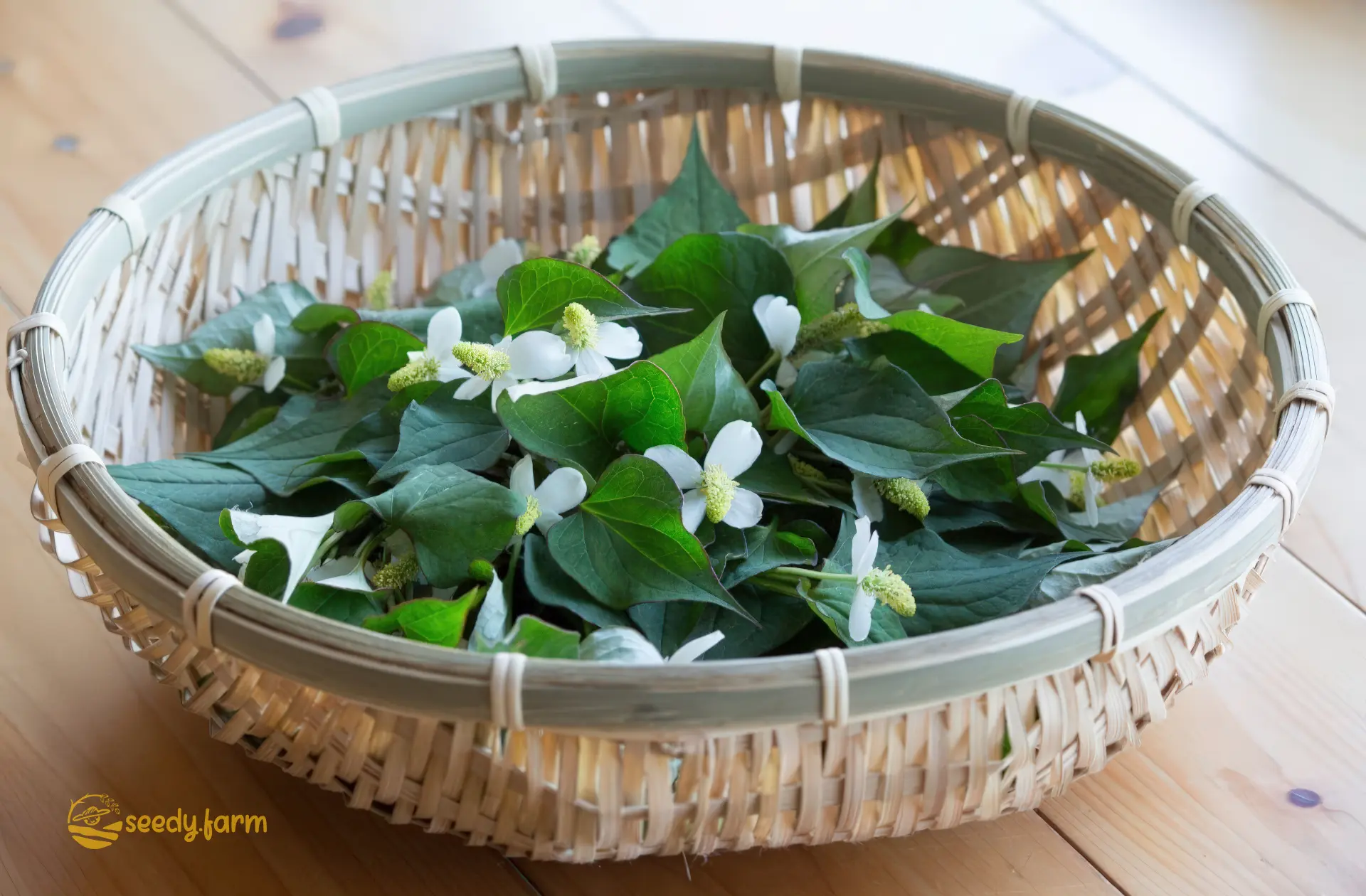
- Harvesting Leaves: Snip or pinch off leaves and tender stem tips as needed. Regular harvesting can encourage bushier growth. Wash leaves thoroughly before use.
- Harvesting Rhizomes: Carefully dig around the plant within its contained area. Lift sections of the rhizome mass, select firm, white rhizomes, and wash them thoroughly. Remember that any piece left behind can regrow.
2. Potential Uses (Use with Awareness)
- Culinary Uses: The leaves and sometimes rhizomes have a distinct pungent, fishy, or citrusy flavor (hence “Fish Mint”). They are used raw in salads, spring rolls, and as a garnish, or cooked in soups, stews, and stir-fries, particularly in Vietnamese and Southwest Chinese cuisines. It’s an acquired taste for many.
- Traditional Medicinal Uses: In traditional Chinese medicine and other Asian practices, Houttuynia cordata is used for various purported properties, including anti-inflammatory, antiviral, and detoxifying effects. It’s often consumed as a tea or extract. Note: These uses are based on traditional practices; consult healthcare professionals for medical advice.
- Aroma: Be aware of the strong aroma released when handling or preparing the plant.
3. Storing Harvested Material
- Fresh Leaves (Short-term): Wrap washed and gently dried leaves in a damp paper towel and store them in a sealed plastic bag or container in the refrigerator’s crisper drawer. Use within a few days for best quality.
- Drying Leaves: Spread clean leaves in a single layer on screens or tie small bunches and hang them in a warm, dry, dark, well-ventilated area until crisp. Store dried leaves in an airtight container away from light. Flavor and potency will diminish over time.
- Freezing Leaves: Blanch fresh leaves briefly (a few seconds) in boiling water, immediately plunge into ice water to stop cooking, pat thoroughly dry, and freeze flat on a baking sheet. Once frozen solid, transfer to airtight freezer bags or containers. Alternatively, chop fresh leaves and freeze them in ice cube trays with a little water.
- Storing Rhizomes: Cleaned rhizomes intended for replanting or later culinary use can be stored short-term like ginger root: in the refrigerator’s crisper drawer, perhaps wrapped loosely in a paper towel inside a plastic bag. Ensure they don’t dry out completely or become moldy.

VIII. Troubleshooting Common Issues, Tips for Successful Growth, and FAQ
1. Pests and Diseases Recap
a. Common Pests
- Slugs and Snails: Can chew holes in leaves. Use sustainable methods like handpicking, copper barriers, or diatomaceous earth. Encourage natural predators.
- Aphids: May cluster on new growth. Dislodge with water spray or use insecticidal soap if necessary. Promote beneficial insects.
b. Potential Diseases
- Fungal Leaf Spot: Dark spots on leaves. Prevent with good air circulation, watering at the base, and removing affected leaves promptly.
- Root Rot: Unlikely given its preference for moisture, but possible in compacted, poorly drained containers. Ensure adequate drainage if not in a water feature.
2. Tips for Successful (Contained) Growth
- Prioritize Containment: Choose your containment method *before* planting. This is the single most important factor for responsible growing.
- Sun for Color: Provide full sun exposure for the most vibrant leaf variegation in cultivars like ‘Chameleon’.
- Consistent Moisture: Maintain evenly moist to wet soil conditions. This plant does not tolerate drying out well.
- Rich Soil: Amend planting medium with compost for fertility and moisture retention.
- Regular Edge Patrol: Diligently monitor for and immediately remove any escaping rhizomes or shoots.
- Mulching (Containers): Applying a layer of organic mulch (like compost or shredded bark) in containers can help retain moisture and keep roots cool, but ensure it doesn’t provide a bridge for rhizomes to escape over the container rim.
3. Frequently Asked Questions (FAQ)
- Is Chameleon Plant really that invasive? Yes. Its rhizomatous growth is extremely aggressive in open ground. It can quickly dominate garden beds and lawns and is very difficult to eradicate once established. Containment is essential.
- How do I make my Chameleon Plant more colorful? Grow it in full sun. The brightest reds, pinks, and creams develop with at least 6 hours of direct sunlight daily. In shade, the leaves tend to revert to green or have less intense variegation.
- What causes the strong smell? The plant contains volatile organic compounds that produce its characteristic pungent, often described as fishy or metallic, aroma when bruised or crushed.
- Can Chameleon Plant be grown indoors as a houseplant? Yes, it can be grown indoors in pots. Provide bright, indirect light (or direct sun for best color, if acclimated) and keep the soil consistently moist. High humidity is beneficial. Be mindful of its spreading habit even within the pot.
- Will it survive winter? In USDA zones 5-11, it typically survives winter. In colder zones (5-7), the top growth will die back with frost, but the rhizomes usually overwinter and sprout again in spring. Container plants in colder zones may need winter protection (e.g., moving to a sheltered location or garage).
- How deep do the rhizomes grow? The rhizomes generally grow in the top 6-8 inches (15-20 cm) of soil, but can sometimes go deeper, especially in loose soil, making removal challenging.
- Is it safe to eat? It is consumed in some cultures, but has a very strong, distinct flavor. Ensure correct identification if considering culinary use, and be aware that plants from nurseries may have been treated with pesticides not safe for consumption. If foraging, be 100% certain of identification and location safety.
Comments (0)
No comments yet. Be the first to share your thoughts.