 Skip to content
How to Grow and Use Broadleaf Plantain: A Gardener’s Handbook
Broadleaf plantain, often overlooked and sometimes unwelcome in manicured lawns, is actually a fascinating plant with a rich history of
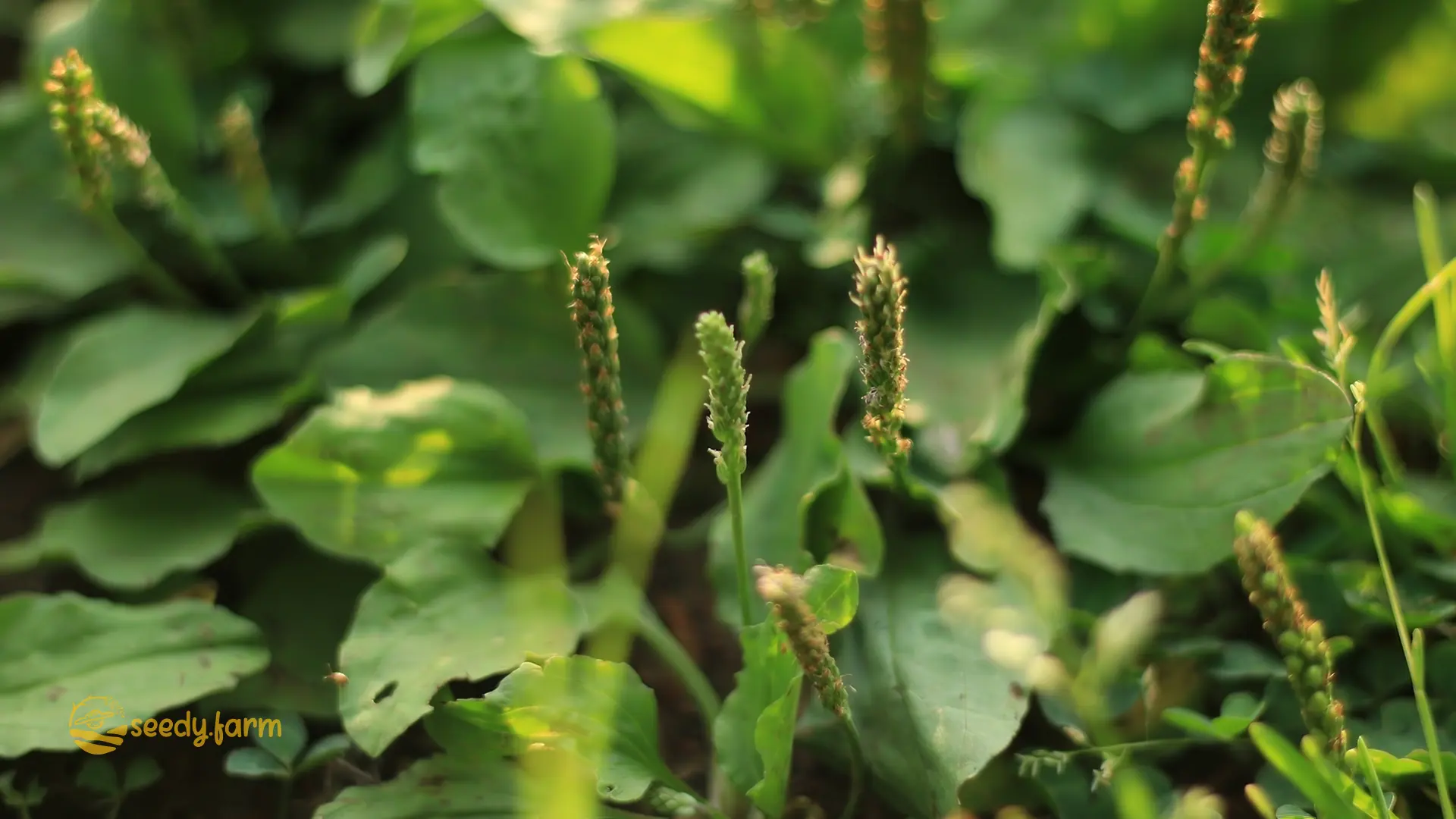
Broadleaf plantain, often overlooked and sometimes unwelcome in manicured lawns, is actually a fascinating plant with a rich history of culinary and medicinal use. Known scientifically as Plantago major, this remarkably adaptable herb originated in Europe and Asia but has successfully journeyed across the globe, readily establishing itself in diverse environments. While it can be vigorous, understanding and cultivating broadleaf plantain intentionally allows you to harness its benefits. This handbook is your guide to transforming this common plant from a perceived nuisance into a valuable ally in your garden. Whether you’re drawn to its traditional healing applications or its potential in the kitchen, you’ll find the essential knowledge here to confidently grow, harvest, and utilize broadleaf plantain.
I. Understanding Broadleaf Plantain
1. Botanical Information and Key Characteristics
Broadleaf plantain (Plantago major) is a herbaceous perennial, meaning it’s a non-woody plant that lives for multiple years, often dying back to its roots in winter and regrowing in spring. It belongs to the Plantaginaceae family. Its key identifying feature is a basal rosette – a cluster of leaves arranged in a circle at ground level – composed of broadly oval or egg-shaped leaves. These leaves have distinct, parallel veins (typically 5 to 9) running from the base to the tip. From late spring through summer, inconspicuous greenish-brown flowers appear densely packed on slender, leafless spikes that rise above the foliage. Its ability to thrive in compacted soils often makes it common in lawns, pathways, and disturbed ground. It’s important to distinguish it from its cousin, Narrowleaf Plantain (Plantago lanceolata), which has much narrower, lance-shaped leaves.
| Specification | Details |
|---|---|
| Plant Type | Herbaceous perennial |
| Family | Plantaginaceae |
| Growth Habit | Low-growing basal rosette, can spread via seeds |
| Mature Height | Leaves typically 4-8 inches (10-20 cm) long; flower spikes 6-18 inches (15-45 cm) tall |
| Sunlight Requirements | Full sun to partial shade (more sun encourages robust growth) |
| Soil Requirements | Highly adaptable; tolerates poor, compacted soils but thrives in fertile, well-draining loam |
| Water Needs | Drought-tolerant once established due to a fibrous root system, but prefers consistent moisture for tender leaves |
| Optimal Temperature Range | Prefers temperate conditions, roughly 60°F-80°F (15°C-27°C) during active growth |
| Planting Time | Early spring or fall |
| Spacing | Allow 6-12 inches (15-30 cm) between plants if cultivating intentionally |
| Propagation | Primarily by seeds; established clumps can sometimes be carefully divided |
| Growing Zones | Extremely adaptable, commonly found in USDA Hardiness Zones 3-9, and often beyond |
| Harvest Time | Leaves best harvested young in spring but usable throughout the growing season; seeds harvested in late summer/fall |
## II. Planting and Cultivating Broadleaf Plantain
1. Starting from Seed
- Seed Selection and Preparation: Obtain seeds from a reputable source, or consider saving seeds from healthy, positively identified plants growing in uncontaminated areas (avoid roadsides or sprayed lawns). Broadleaf plantain seeds are tiny. While they often germinate readily, you can improve and synchronise germination through cold stratification. This process mimics natural winter conditions. Mix seeds with a small amount of slightly damp (not wet) sand or peat-free compost, place in a sealed bag or container, and refrigerate for 3-4 weeks before sowing.
- Sowing Seeds: Sow seeds directly onto prepared soil in early spring or fall. Scatter them thinly over the surface. Plantain seeds benefit from some light for germination, so cover them very lightly with soil or fine compost – no more than 1/8 inch (3 mm) deep, or simply press them gently into the soil surface. Water carefully with a fine spray to avoid dislodging the seeds.
- Germination Conditions: Consistent moisture is crucial. Keep the soil surface evenly moist until seedlings emerge, typically within 7-21 days, depending on temperature (ideal range 60°F-70°F / 15°C-21°C) and seed condition.
2. Using Transplants or Divisions
- Selecting Transplants: If you find young plantain plants growing where they are unwanted (and you’re certain the area is free from pesticides or pollutants), you can carefully transplant them. Choose vigorous-looking young plants. Alternatively, established clumps can sometimes be divided in spring by carefully separating rooted sections.
- Transplanting Process: Dig carefully around the chosen plant, aiming to get as much of the root system as possible. Prepare a hole in the desired location, enriching the soil with a little compost if needed. Place the transplant in the hole so the crown (where leaves emerge) is at the same level as it was previously. Backfill gently and water thoroughly.
- Initial Care for Transplants: Keep the soil consistently moist for the first couple of weeks until the plant shows signs of new growth, indicating it’s establishing. If moving a plant from a shady spot to a sunnier one, provide temporary partial shade for a few days to prevent scorching.
3. Watering and Feeding Wisely
- Watering Needs: While established plantain is notably drought-tolerant, regular watering promotes lusher, more tender leaves, which are preferable for culinary use. Water deeply when the top inch of soil feels dry, especially during hot, dry periods. Using collected rainwater is a sustainable way to irrigate.
- Feeding Requirements: Broadleaf plantain is not a heavy feeder and thrives even in poor soils. Over-fertilizing can lead to weak, floppy growth. A single application of well-rotted compost or mature manure worked into the soil before planting is usually sufficient. For ongoing feeding in containers or very poor soil, an annual top-dressing with compost or a diluted feed of organic liquid fertilizer (like seaweed extract or compost tea) in spring is ample. Focus on building healthy soil with organic matter, which supports robust growth naturally.
4. Choosing a Location and Managing Spread
- Optimal Planting Sites: Plantain performs well in full sun but tolerates partial shade. It adapts to most soil types but grows best in reasonably fertile, well-drained soil. Its tolerance for compaction makes it unique, but intentional cultivation benefits from loosened soil.
- Managing its Vigour: Be mindful that broadleaf plantain produces abundant seeds and can spread readily, potentially becoming weedy where it’s not wanted. To manage its growth: - Consider planting it in containers (at least 1 gallon size with good drainage) or in dedicated beds with clear boundaries. - Deadhead regularly: Remove the flower stalks *before* they turn brown and the seeds mature. This is the most effective way to prevent self-sowing. Snip the stalks near the base. - Mulch around desired plants with wood chips or straw to suppress germination of unwanted seedlings. - Promptly remove any volunteer seedlings that appear outside the designated area. If removed before flowering, these pullings can be added to your compost pile.
III. Harvesting, Using, and Storing Your Plantain

1. Harvesting Broadleaf Plantain
- Harvesting Leaves: Leaves can be harvested throughout the growing season. For the most tender texture and mildest flavour, especially for salads, harvest young leaves from the centre of the rosette in spring. Older, larger leaves become tougher and slightly more bitter but are still excellent for cooking or medicinal use. Harvest sustainably: take only a few outer leaves from each plant at a time, using clean scissors or fingers, allowing the plant to continue growing. Harvesting in the morning after dew has dried is often recommended for best quality.
- Harvesting Seeds: Wait until the flower stalks turn brown and dry, typically in late summer or fall. You’ll know they’re ready when the tiny seeds detach easily. You can either snip the entire stalk and hang it upside down over a container or paper bag to dry further and catch falling seeds, or simply strip the seeds directly from the stalk into a bowl by running your fingers firmly up the spike.
2. Ways to Use Broadleaf Plantain
- Culinary Uses: Young, tender leaves add a subtle earthy flavour, similar to spinach or Swiss chard, to fresh salads. Older leaves are best cooked; steam, sauté, add to soups, stews, omelettes, or blend into green smoothies. The tiny seeds can be eaten raw, toasted, or ground into a flour extender or thickening agent (psyllium, from a related Plantago species, is famous for this). Plantain ‘chips’ can be made by lightly oiling and baking leaves until crisp.
- Medicinal Preparations: Traditionally, plantain is celebrated for its soothing properties. A simple field poultice for insect bites, stings, or minor scratches can be made by chewing a clean leaf (if harvested from a safe source) or crushing it to release the juices and applying it directly to the affected area. Dried leaves can be infused in hot water for a tea, or steeped in oil (like olive or sunflower oil) over several weeks in a sunny spot to create an infused oil, which can then be used to make salves or balms. Disclaimer: While traditionally used, this information is not medical advice. Consult a healthcare professional for medical concerns or before using herbs therapeutically, especially if pregnant, nursing, or on medication.
3. Storing Your Harvest
 - Fresh Storage: Use fresh leaves promptly for best quality. They can be stored for a few days in the refrigerator’s crisper drawer, wrapped loosely in a damp cloth or paper towel inside a reusable bag or container.
- Drying Leaves: For long-term storage, drying is effective. Spread clean leaves in a single layer on drying screens or tie small bunches loosely and hang them in a warm, dry, well-ventilated place out of direct sunlight. A food dehydrator on a low setting also works well. Ensure leaves are completely dry and brittle before storing to prevent mould. Store crumbled or whole dried leaves in airtight jars in a cool, dark place.
- Freezing Leaves: Blanching helps preserve colour and texture. Dip clean leaves in boiling water for about 30-60 seconds, then immediately plunge them into ice water to stop the cooking. Pat thoroughly dry, then pack into airtight freezer bags or containers, removing as much air as possible. Frozen leaves are best used in cooked dishes.
- Storing Seeds: Ensure harvested seeds are fully dry. Store them in an airtight container (like a small glass jar) in a cool, dark, dry place. Properly stored seeds can remain viable for several years, useful for replanting or culinary use.

IV. Troubleshooting Common Issues with Broadleaf Plantain
1. Common Pests and Diseases
- Powdery Mildew: Appears as white, powdery patches on leaves, often in humid conditions with poor air circulation. Prevention is key: ensure adequate spacing between plants. Avoid overhead watering; water at the base. If it appears, remove affected leaves promptly. Improve air flow if possible. Fungicidal sprays are rarely necessary for plantain.
- Aphids: Tiny pear-shaped insects, often green or black, cluster on new growth, sucking sap. A strong jet of water can dislodge them. Encourage beneficial insects like ladybugs and lacewings, which prey on aphids. If needed, use insecticidal soap, following label instructions carefully.
- Flea Beetles: Small, dark beetles that jump when disturbed. They chew small “shotholes” in leaves. Minor damage is usually tolerable. Floating row covers can protect young plants. Sticky traps can help monitor populations. Neem oil spray can offer some control if applied early.
- Slugs and Snails: May chew holes in leaves, especially in damp conditions. Handpick them in the evening or early morning. Use barriers like copper tape around containers or beds. Iron phosphate-based baits are an effective, lower-toxicity option.
- Buckeye Caterpillars (and others): Various caterpillars might feed on leaves. Small numbers can be handpicked and relocated. For larger infestations, consider applying Bacillus thuringiensis (Bt), a biological insecticide specific to caterpillars, following product directions.
2. Environmental Stress Factors
- Drought Stress: While tolerant, prolonged drought makes leaves tough and can slow growth. Provide supplemental water during extended dry spells, especially if harvesting for tender culinary leaves. Mulching helps conserve soil moisture.
- Poor Soil/Compaction: Plantain tolerates these conditions but won’t thrive as vigorously. If cultivating for optimal yield, amend heavy clay or compacted soil with generous amounts of compost to improve drainage and aeration. For container growing, use a quality potting mix.
3. Frequently Asked Questions (FAQ)
How can I be sure I’ve identified Broadleaf Plantain (Plantago major)?
Look for the combination of broadly oval leaves growing in a basal rosette (low circle), with 5-9 prominent veins running parallel from the leaf base to the tip. Distinguish it from Narrowleaf Plantain (P. lanceolata), which has long, narrow, lance-shaped leaves. If foraging, ensure 100% positive identification before consuming.
Is it safe to forage Broadleaf Plantain?
Yes, if you can positively identify it AND you are certain the area has not been sprayed with herbicides, pesticides, or contaminated by pollution (e.g., avoid busy roadsides, industrial areas, or chemically treated lawns). Always harvest responsibly, taking only what you need.
Can I grow Broadleaf Plantain effectively in containers?
Absolutely! It adapts well to containers. Choose a pot at least 6-8 inches deep and wide (or larger) with good drainage holes. Use a standard peat-free potting mix. Container growing is an excellent way to enjoy plantain while easily controlling its spread. Remember that container plants may need more frequent watering than those in the ground.
Is Broadleaf Plantain considered invasive?
It’s often considered a weed because it spreads easily by seed and tolerates difficult conditions. While not typically listed as noxious or legally invasive, its vigour means it can outcompete less robust plants in gardens or lawns if not managed. Intentional cultivation requires managing its spread, primarily by removing flower stalks before they set seed.
What are the primary medicinal uses people claim for Broadleaf Plantain?
Traditionally, it’s renowned for soothing skin irritations like insect bites, minor cuts, and rashes (often used as a poultice). It’s also used internally (e.g., as tea) for coughs or digestive issues. Its properties are often described as anti-inflammatory, astringent, and antimicrobial. Remember to consult reliable sources and healthcare professionals for therapeutic use.
When exactly is the best time to harvest the leaves?
For culinary use, especially raw salads, harvest the young, inner leaves in spring when they are most tender and mild. For medicinal use or cooking, leaves can be harvested anytime during the growing season, though older leaves will be tougher. Harvest seeds only when the stalks are fully brown and dry, and seeds detach easily.
Comments (0)
No comments yet. Be the first to share your thoughts.