 Skip to content
A Home Gardener’s Guide to Growing Delicious Ash Gourd
Ash Gourd, scientifically known as Benincasa hispida, is a wonderfully versatile and nutritious vegetable, celebrated in various cuisines worldwide. You
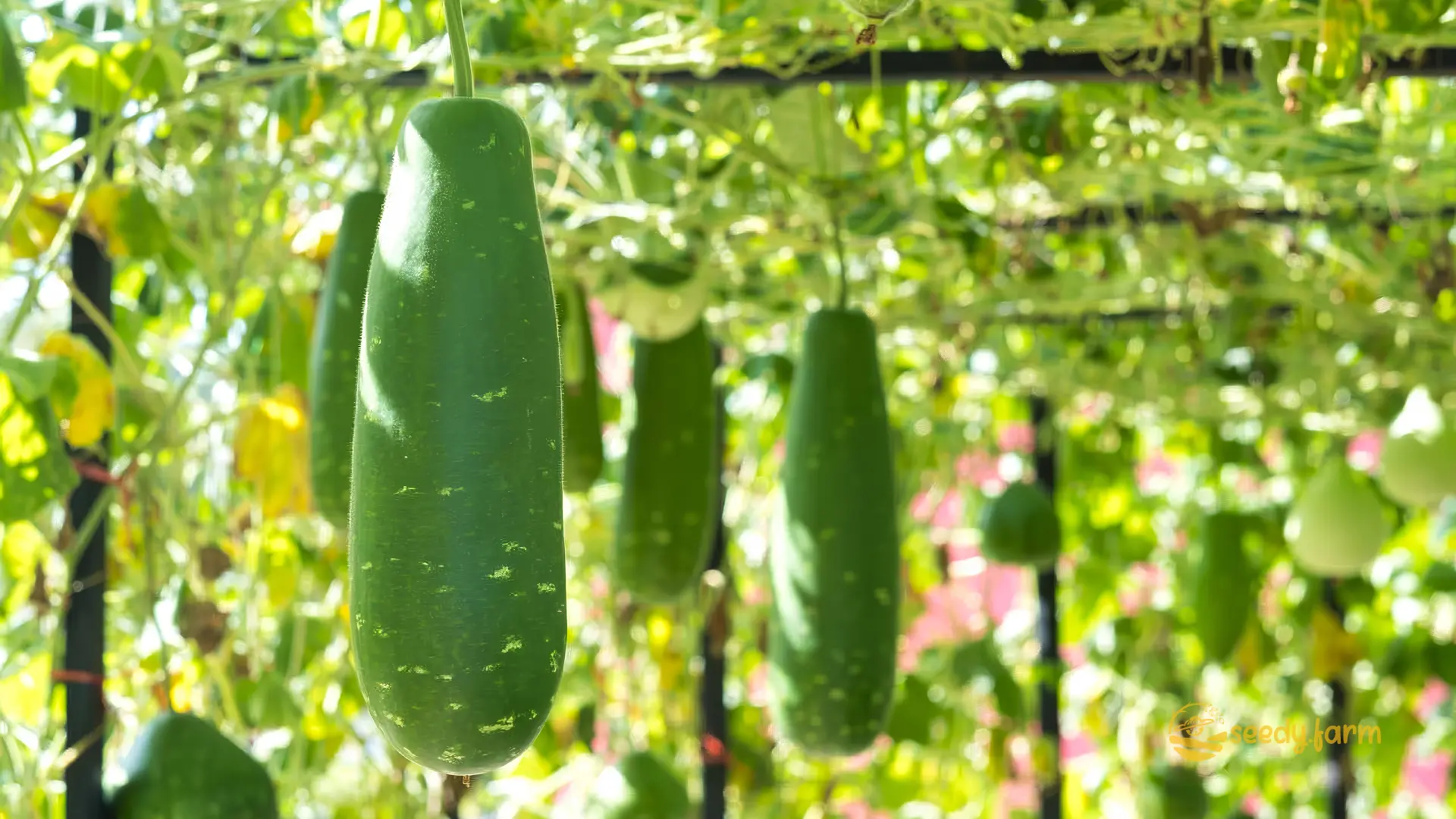
Ash Gourd, scientifically known as Benincasa hispida, is a wonderfully versatile and nutritious vegetable, celebrated in various cuisines worldwide. You might also know it as Wax Melon, Winter Melon, Wax Gourd, White Gourd, or Safed Petha. Beyond its culinary flexibility, this fascinating plant is valued for its potential health benefits and surprising ease of growth, making it a rewarding addition to your home garden. Some traditions even associate Ash Gourd with a balanced, or satvic, lifestyle.
Growing your own Ash Gourd is a fantastic way to enrich your diet – it’s known for its high water content, refreshing alkaline nature, and reputed detoxifying properties. This guide will walk you through everything you need to know, from preparing the seeds to harvesting your impressive gourds, ensuring you cultivate a healthy and productive plant.
I. Getting to Know Ash Gourd

1. Description and Characteristics
Ash Gourd (Benincasa hispida) belongs to the gourd family (Cucurbitaceae) and grows as a vigorous vine. It produces large, impressive fruits that are typically round or oblong with smooth skin that develops a waxy, ash-like coating as it matures – hence the common names ‘Ash Gourd’ or ‘Wax Gourd’. Inside, you’ll find crisp, white flesh and seeds. Native to Southeast and South Asia, Ash Gourd thrives in warm, sunny conditions, characteristic of tropical and subtropical climates. The plant itself features large, slightly fuzzy leaves and attractive yellow blossoms (which require pollination to set fruit). Its mild flavour makes the fruit incredibly adaptable for use in soups, stews, curries, refreshing drinks, and even sweets like the famous ‘Petha’.
| Specification | Details |
|---|---|
| Plant Type | Warm-season annual vining vegetable |
| Family | Cucurbitaceae (Gourd family – related to cucumbers, melons, and squash) |
| Growth Habit | Sprawling or climbing vine |
| Vine Length | Can easily reach 10-20 feet (3-6 meters) or more; requires support or ample space |
| Sunlight Requirements | Full sun (minimum 6-8 hours of direct sunlight daily is ideal) |
| Soil Requirements | Fertile, well-draining soil, rich in organic matter. Loamy soil is preferred. |
| Soil pH | Slightly acidic to neutral (ideally pH 6.0-6.8) |
| Water Needs | Requires consistent moisture, especially during fruit development. Avoid waterlogged conditions. |
| Optimal Temperature Range | Prefers warm temperatures: 70°F-90°F (21°C-32°C) for best growth. Sensitive to frost. |
| Planting Time | Sow seeds after all danger of frost has passed in spring, when soil temperatures are consistently warm (above 65°F or 18°C). |
| Spacing | Allow 6-8 feet (1.8-2.4 meters) between plants or planting mounds to accommodate vigorous vine growth. |
| Propagation | Exclusively by seeds. |
| Days to Maturity | Typically 90-120 days from sowing to first harvest, depending on variety and conditions. Some can take up to 145 days. |
### 2. Nutritional Profile and Health Benefits
Ash Gourd is notably high in water (about 96%) and low in calories, making it hydrating and light. Its alkaline nature is thought to help balance the body’s pH. Traditionally, it’s valued for aiding digestion and its cooling effect. It provides essential vitamins and minerals, contributing to a balanced diet.
Note: The following values are approximate and can vary based on growing conditions and variety.
| Nutrient | Approximate Value per 100g (raw) |
|---|---|
| Energy | ~13-16 kcal |
| Carbohydrates | ~3-3.6g |
| Protein | ~0.4-0.6g |
| Fat | ~0.1-0.2g |
| Dietary Fiber | ~1.5-2.9g |
| Vitamin C | ~13-18mg (~14-20% DV) |
| Riboflavin (B2) | Provides small amounts |
| Calcium | ~16-19mg (~2% DV) |
| Iron | ~0.4mg (~2% DV) |
| Magnesium | ~10-12mg (~3% DV) |
| Phosphorus | ~19-31mg (~3-4% DV) |
| Potassium | ~111-170mg (~2-4% DV) |
| Zinc | ~0.6-0.7mg (~5-6% DV) |
## II. Cultivating Ash Gourd in Your Garden
1. Sowing Ash Gourd Seeds: Timing and Technique
Getting the timing right is key for Ash Gourd. As a warm-season crop, seeds should be sown when the soil has warmed up reliably and the danger of frost is completely gone. In many temperate regions, this means late spring or early summer. In tropical/subtropical climates, suitable planting windows might occur at other times, often aligning with the start of a rainy season (e.g., February-March or June-July in some parts of Asia).
Seed Preparation: Ash Gourd seeds have a relatively tough coat. To encourage faster and more uniform germination, you can soak the dry seeds in room temperature water for 12-24 hours before planting. This helps soften the coat and hydrate the embryo.
Sowing Method:
- Direct Sowing: Once the soil is warm, sow seeds directly into prepared garden beds or mounds. Plant 2-3 seeds per spot, about 1/2″ to 1″ (1.3 cm to 2.5 cm) deep. Space these planting spots about 6-8 feet (1.8-2.4 m) apart to give the sprawling vines enough room. Once seedlings emerge and establish, thin to the strongest one or two plants per spot.
- Starting Indoors: For a head start, especially in areas with shorter growing seasons, sow seeds indoors 2-3 weeks before your last expected frost date. Use biodegradable pots (like peat or coir pots) or seedling trays filled with a good quality, well-draining seed starting mix (a mix containing cocopeat is excellent for moisture retention). Plant one seed per pot, about 1/2″ deep. Keep the pots consistently warm (around 75-85°F or 24-29°C is ideal for germination) and moist. Provide bright light. Transplant seedlings outdoors *carefully* after the last frost, disturbing the roots as little as possible. Handle seedlings by their leaves, not the delicate stem.
Germination: Expect seedlings to emerge within 6-14 days, depending on temperature and moisture. Be patient!
2. Ensuring Successful Propagation
Beyond soaking seeds, ensure you use fresh, viable seeds from a reputable source for the best germination rates. Older seeds tend to lose viability. Plant the prepared seeds (soaked or dry) into a moist, well-drained seed starting mix or directly into well-prepared garden soil. If starting indoors, seedlings are generally ready for transplanting when they are about 3-4 inches (7.5-10 cm) tall and have developed their first set of true leaves (these are the leaves that appear after the initial seedling leaves, or cotyledons). Choose the sunniest spot in your garden with fertile, well-drained soil. Gently transplant, ensuring the final spacing is adequate (6-8 feet / 1.8-2.4 m apart). Water thoroughly after transplanting to settle the soil around the roots and reduce transplant shock.
III. Essential Ash Gourd Plant Care

1. Sunlight and Temperature Needs
Ash Gourd is a sun-lover! It absolutely thrives in warm, bright conditions. Aim for a location that receives at least 6-8 hours of direct sunlight daily. Optimal growth occurs in temperatures between 70°F and 90°F (21°C to 32°C). While it enjoys heat, extreme temperatures above 95°F (35°C) might cause stress or flower drop. It’s very sensitive to cold and frost; any exposure below 50°F (10°C) can damage the plant. In areas with intense midday sun, providing some partial afternoon shade (using taller plants or shade cloth) might be beneficial, but ensure it still receives ample morning and overall light.
2. Watering Wisely and Managing Humidity
Consistent moisture is crucial, particularly during flowering and fruit development. The goal is to keep the soil evenly moist like a wrung-out sponge, but never waterlogged. Water deeply whenever the top inch or two of soil feels dry.
- Watering Technique: Water at the base of the plant, avoiding wetting the leaves excessively, which can encourage fungal diseases like powdery mildew. Drip irrigation or soaker hoses are excellent, water-efficient options.
- Frequency: This depends heavily on your climate, soil type, and rainfall. Young plants need gentler, more frequent watering. Mature plants, especially those bearing fruit, may need significant amounts of water during hot, dry weather.
- Humidity: While Ash Gourd tolerates humidity, good air circulation is vital to prevent diseases. Ensure adequate spacing and consider vertical support.
3. Soil Preparation and Feeding
Ash Gourd performs best in rich, fertile soil that drains well. A loamy soil (a balanced mix of sand, silt, and clay) amended with plenty of organic matter is ideal.
- Soil Preparation: Before planting, dig the soil deeply (at least 12 inches / 30 cm) and incorporate generous amounts of well-rotted compost or aged manure. This improves soil structure, fertility, and water retention. Aim for a soil pH between 6.0 and 6.8. You can test your soil pH using a simple kit.
- Fertilization: If your soil is rich, Ash Gourd may not need much supplemental feeding. However, these are heavy feeders once they start fruiting. You can apply a balanced organic fertilizer at planting time. Once the vines start running vigorously, consider side-dressing with compost or applying a fertilizer slightly higher in potassium and phosphorus to encourage flowering and fruiting (e.g., a tomato fertilizer). Avoid excessive nitrogen, which promotes lush leaves but fewer fruits.
- Sustainable Tip: Relying on compost and aged manure builds long-term soil health, reducing the need for synthetic fertilizers. Mulching around the plants (see below) also adds organic matter as it breaks down.
4. Providing Support and Managing Space
Ash Gourd vines are vigorous and need space to roam or climb. Providing support is highly recommended:
- Benefits of Support: Trellising or staking keeps the developing fruits off the ground (reducing rot and pest issues), improves air circulation (lowering disease risk), makes harvesting easier, and saves valuable garden space.
- Support Structures: Strong options include sturdy trellises, arbors, fences, or individual stakes. Ensure the structure is robust enough to handle the weight of mature gourds, which can be substantial! You may need to create slings (from netting or cloth) to support very heavy fruits hanging from a trellis.
- Spacing: Remember the 6-8 feet (1.8-2.4 m) spacing allows vines room to spread, even if grown vertically. Good spacing is crucial for air circulation.
- Mulching: Applying a layer of organic mulch (like straw, shredded leaves, or wood chips) around the base of the plants helps conserve soil moisture, suppress weeds, and keep the soil temperature more stable. Keep mulch a few inches away from the stem itself.

5. Understanding Pollination
Ash Gourd plants produce separate male and female flowers on the same vine (monoecious). Male flowers typically appear first, have a slender stem, and contain pollen. Female flowers have a tiny, immature gourd (ovary) visible at their base, below the petals. For fruit to develop, pollen must be transferred from a male flower to a female flower, usually by bees or other insect pollinators.
- Encouraging Pollinators: Plant pollinator-friendly flowers nearby to attract bees. Avoid using broad-spectrum pesticides that can harm these beneficial insects.
- Hand Pollination: If you notice lots of flowers but few fruits forming, poor pollination might be the issue (common in cool/wet weather or if pollinator populations are low). You can hand-pollinate easily: Early in the morning when flowers are open, gently remove the petals from a fresh male flower to expose the pollen-laden anther. Carefully dab or brush the pollen onto the stigma (the sticky central part) inside a receptive female flower.
IV. Harvesting Your Ash Gourd and Storing the Bounty
1. When and How to Harvest
Patience pays off! Ash Gourd typically requires 100 to 145 days from planting to reach maturity, depending on the variety and growing conditions. Here’s how to tell when they’re ready:
- Waxy Bloom: The most distinctive sign of maturity is the development of a powdery or waxy white coating (the “ash” or “wax”) on the fruit’s skin. Young gourds are often fuzzy or green; this coating indicates ripeness.
- Hard Rind: Gently press the skin. A mature gourd will have a hard, firm rind that resists denting.
- Sound Check: Tapping the gourd should produce a dull, hollow sound.
- Stem and Tendril: Look at the tendril closest to the fruit’s stem. It often starts to dry out and turn brown as the fruit matures. The stem itself should be firm and dry.
- Harvesting Technique: Use sharp pruning shears or a knife to cut the gourd from the vine. Leave about 1-2 inches (2.5-5 cm) of stem attached to the fruit. This “handle” helps prevent decay from entering the fruit and significantly improves storage life. Handle the harvested gourds carefully to avoid bruising or damaging the skin or stem attachment point.
2. Storing Ash Gourd for Later Use
One of the fantastic qualities of Ash Gourd is its excellent storage potential, especially if harvested carefully with the stem intact and the waxy bloom undisturbed.
- Short-Term Storage: An intact, uncut Ash Gourd can be stored at cool room temperature (around 50-60°F or 10-15°C), in a dry, dark place with good air circulation (like a pantry or cellar) for several weeks, sometimes even months, depending on the variety and conditions. Do not wash the gourd before storing, as this removes the protective waxy layer.
- Long-Term Storage (Cool): For potentially longer storage (many months), ideal conditions are cool and dry, similar to winter squash storage.
- Refrigeration (Cut Pieces): Once cut, Ash Gourd should be used relatively quickly. Wrap cut surfaces tightly in plastic wrap or store slices in an airtight container in the refrigerator. Use within a week for best quality. The flesh can absorb odours, so keep it away from strong-smelling foods.
- Freezing (Not Ideal Raw): Raw Ash Gourd doesn’t freeze well due to its high water content, becoming mushy upon thawing. However, cooked Ash Gourd (e.g., blanched or in soups/stews) can be frozen for later use.
V. Troubleshooting Common Ash Gourd Growing Challenges
Even with the best care, you might encounter a few issues. Here’s how to address common problems:
1. Poor Seed Germination
- Possible Causes: Old/non-viable seeds, soil too cold, soil too wet (rotting), soil too dry, planting too deep.
- Solutions: Use fresh seeds from a reliable source. Soak seeds before planting. Ensure soil temperature is consistently warm (use a soil thermometer if needed). Maintain even moisture, avoiding sogginess. Plant at the recommended depth (1/2″ to 1″). If starting indoors, consider using a heat mat.
2. Flowers Dropping / No Fruit Set
- Possible Causes: Lack of pollination (insufficient pollinators, weather affecting bee activity), extreme temperatures (too hot or too cold), water stress (too dry or too wet), nutrient imbalance (often too much nitrogen). The plant naturally produces many male flowers first before female flowers appear.
- Solutions: Check for both male and female flowers. Encourage pollinators or try hand-pollination (see Section III.5). Provide consistent watering. Ensure balanced fertilization, avoiding high-nitrogen fertilizers once vines are established. Protect from extreme temperature swings if possible.
3. Environmental Stress (Wilting, Yellowing)
- Possible Causes: Inconsistent watering (both over and under), extreme heat, cold snaps, transplant shock.
- Solutions: Water deeply and consistently, checking soil moisture before watering. Mulch to moderate soil temperature and moisture. Provide temporary shade during extreme heatwaves. Protect young plants from cold using row covers or cloches. Be gentle during transplanting.
4. Pests and Diseases
- Common Pests: - Aphids: Small, pear-shaped insects clustering on new growth/undersides of leaves, sucking sap. Can cause yellowing, distortion. Manage with strong water spray, insecticidal soap, or neem oil. Encourage beneficial insects like ladybugs. - Cucumber Beetles: Small yellow/black striped or spotted beetles. Feed on leaves, flowers, and stems; can transmit bacterial wilt. Use row covers on young plants (remove when flowering starts for pollination), handpick beetles, or use organic insecticides like pyrethrin if infestations are severe. - Squash Vine Borers: Moths lay eggs near the base of stems; larvae burrow inside, causing sudden wilting. Look for frass (sawdust-like excrement) near the base. Prevention is key: wrap base of stems with foil or fabric barriers early in the season. Difficult to treat once inside. - Fruit Flies (less common on intact gourds, more on damaged/overripe ones): Practice good garden sanitation, harvest promptly.
- Common Diseases: - Powdery Mildew: White, powdery spots on leaves and stems, especially in humid conditions with poor air circulation. Improve spacing/pruning for airflow, water at the base, use resistant varieties if available. Treat with neem oil, horticultural oil, or potassium bicarbonate sprays. - Downy Mildew: Yellowish spots on upper leaf surfaces, fuzzy purplish/grey growth underneath, often during cool, damp weather. Similar prevention to powdery mildew; copper-based fungicides can be used organically if needed. - Bacterial Wilt: Causes rapid wilting and death, often spread by cucumber beetles. No cure; remove infected plants immediately to prevent spread. Focus on beetle control.
- Sustainable Pest/Disease Management: Prioritize prevention through good air circulation, proper watering, crop rotation (don’t plant gourds in the same spot year after year), and building healthy soil. Use physical barriers and organic treatments only when necessary. Encourage biodiversity in your garden.
5. Frequently Asked Questions (FAQs)
What are the ideal growing conditions for Ash Gourd?
Warmth and sun are key! Aim for 70-90°F (21-32°C), at least 6-8 hours of direct sun daily, and fertile, well-drained soil (pH 6.0-6.8) enriched with organic matter. Consistent watering is also essential.
How often should I water Ash Gourd plants?
Water deeply whenever the top 1-2 inches of soil feel dry. Frequency varies with weather and soil type. Keep soil consistently moist, especially during fruiting, but avoid waterlogging. Water at the base of the plant.
What are common pests, and how can I manage them sustainably?
Aphids, cucumber beetles, and squash vine borers are common. Manage aphids with water sprays or insecticidal soap. Control beetles with row covers (early season) or handpicking. Prevent borers with stem barriers. Prioritize attracting beneficial insects and use organic options like neem oil sparingly.
How can I prevent common diseases in Ash Gourd?
Ensure good air circulation through proper spacing and trellising. Water at the soil level, not on the leaves. Rotate crops annually. Remove any diseased plant parts immediately. Choose disease-resistant varieties if available. Healthy soil promotes healthy plants.
When is the best time to harvest Ash Gourd?
Harvest about 100-145 days after planting. Look for a fully formed waxy/powdery coating on the skin, a hard rind, and a drying tendril near the fruit stem. Cut with 1-2 inches of stem attached.
How do I store Ash Gourd for the longest shelf life?
Store uncut, undamaged gourds with stems attached in a cool (50-60°F / 10-15°C), dry, dark place with good air circulation. Do not wash before storing. They can last for weeks or even months. Refrigerate cut pieces tightly wrapped and use within a week.
Why are my Ash Gourd seeds not germinating?
Reasons include old seeds, cold soil, too much or too little water, or planting too deep. Use fresh seeds, ensure warm soil, maintain consistent moisture, and plant at the correct depth (1/2″ to 1″). Soaking seeds for 12-24 hours can help.
How do I provide effective support for heavy Ash Gourd vines?
Use strong trellises, arbors, or sturdy stakes. Guide the vines onto the support as they grow. For very heavy fruits hanging vertically, create slings from fabric or netting to support their weight and prevent them from detaching prematurely.
Can I grow Ash Gourd in containers?
Yes, but you’ll need a very large container – at least 15-20 gallons (57-76 liters) per plant, preferably larger, with excellent drainage holes. Use high-quality potting mix amended with compost. Container plants require more frequent watering and feeding than in-ground plants. Provide sturdy support.
My plant has lots of flowers but no fruit. What’s wrong?
This is often a pollination issue. Ensure both male and female flowers are present (female flowers have a tiny gourd at the base). Attract pollinators or try hand-pollination. Other causes can include extreme heat or water stress.
What should I do if my Ash Gourd plant leaves turn yellow?
Yellowing can indicate several things: overwatering (check drainage), underwatering (check soil moisture deeper down), nitrogen deficiency (consider feeding with a balanced organic fertilizer or compost tea), or sometimes pests/diseases (inspect closely). Address the most likely cause first.
Comments (0)
No comments yet. Be the first to share your thoughts.