 Skip to content
Growing Acalypha indica for Your Cat: A Comprehensive Home Gardener’s Guide
Acalypha indica, commonly known as Indian Acalypha, Indian Mercury, Indian Copperleaf, or sometimes referred to as Cats’ Attraction or Pussy
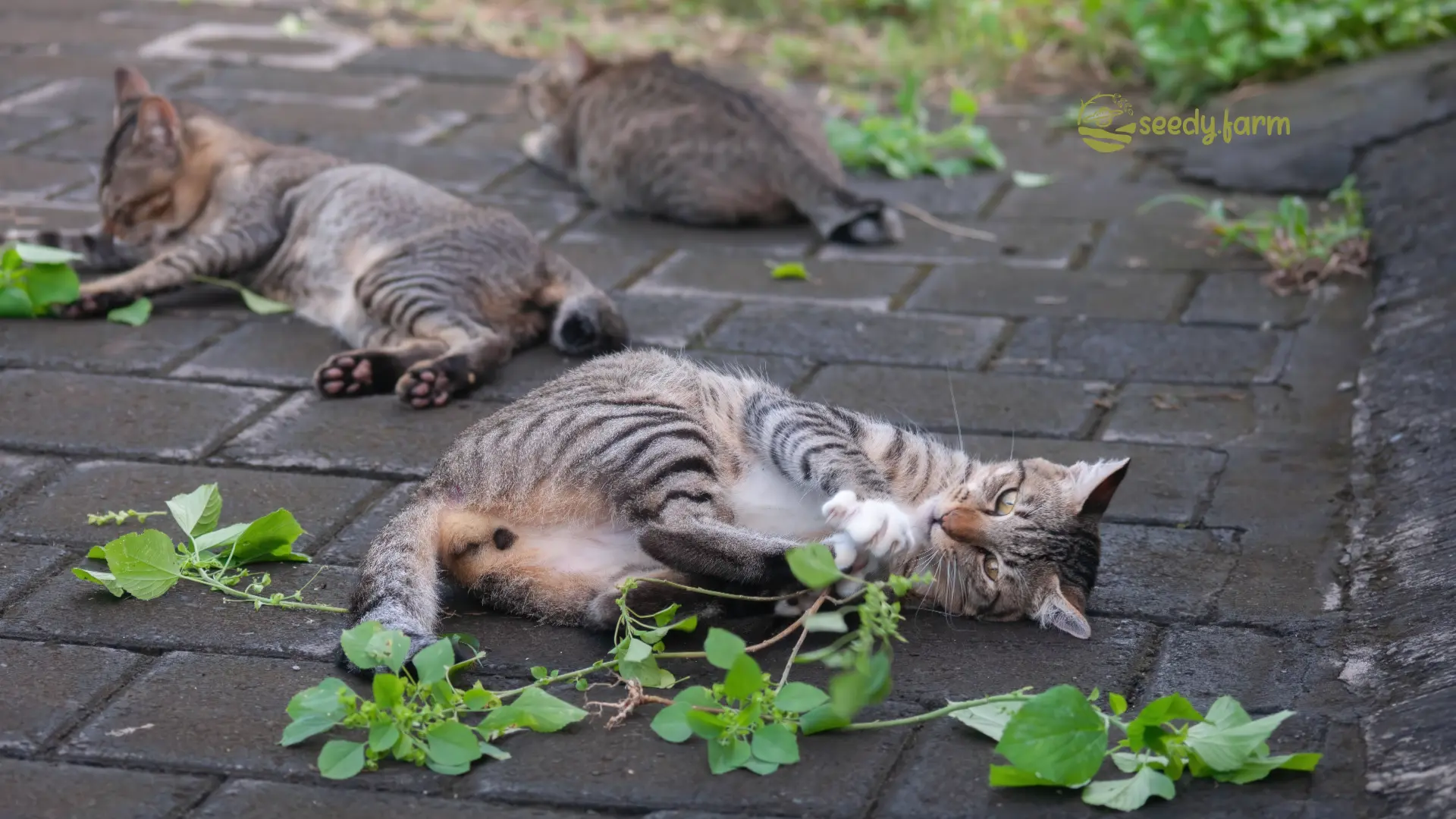
Acalypha indica, commonly known as Indian Acalypha, Indian Mercury, Indian Copperleaf, or sometimes referred to as Cats’ Attraction or Pussy Plant due to its effect on felines, is a fascinating plant native to tropical regions. While often appearing as a weed in disturbed soils, it can be intentionally cultivated by home gardeners, especially those interested in its unique interaction with cats. This guide provides detailed, practical information to help you successfully grow and understand Acalypha indica, including how to manage its interaction with pets responsibly.
I. Getting to Know Acalypha indica (Indian Copperleaf)
1. Botanical Profile: What Does It Look Like?
Acalypha indica is generally an upright annual herb, meaning it typically completes its life cycle in one year. However, in favorable conditions, it can persist and develop a slightly woody base, becoming more like a small subshrub. It usually grows to a height of 0.5 to 1 meter (around 1.5 to 3 feet), though exceptionally it might reach up to 2.5 meters (over 8 feet). Its stems are often angular or grooved and can be smooth or covered in fine, soft hairs (a condition botanists call pubescent).
 The leaves are quite distinctive. They are arranged alternately along the stem, sometimes appearing clustered. Each leaf blade is typically diamond-shaped (rhombic), egg-shaped (ovate), or elongated egg-shaped (ovate-lanceolate), measuring about 2 to 9 cm long and 1 to 6 cm wide. They feel relatively thin (membranous or chartaceous). A key feature is the long leaf stalk (petiole), which can be up to 12 cm long, attaching the leaf blade to the stem. The base of the leaf blade is often wedge-shaped (cuneate), and the edges have rounded or pointed teeth (described as crenate-serrate). At the base of the leaf stalk, you’ll usually find tiny, narrow leaf-like structures called stipules, about 1-2 mm long.
The flowers are small and easily overlooked. They are grouped into spike-like clusters (inflorescences) that emerge from the axils (the angle where a leaf stalk joins the stem). These spikes are typically bisexual: they bear female flowers towards the base and a denser cluster of male flowers towards the tip. Often, a unique, sterile female flower sits at the very apex. The female flowers are nestled within prominent, leafy structures called bracts. These bracts grow significantly larger as the fruit develops (a trait called accrescent), becoming somewhat cup-shaped or broadly heart-shaped with toothed edges, measuring up to 1.1 cm long and 1.6 cm wide. The fruit itself is a small, typically 3-lobed capsule, around 1.5-2.2 mm long and 2-2.8 mm wide. Inside are tiny, egg-shaped (ovoid) seeds, roughly 1.2-1.5 mm long. In its natural habitat, flowering and fruiting typically occur over a long period, often observed from March through October, depending on the climate.
Quick Plant Reference:
| Characteristic | Description |
|---|---|
| Common Height | 0.5 – 1.2 m (approx. 1.5 – 4 ft), occasionally taller |
| Growth Habit | Typically an annual herb; can become a slightly woody subshrub |
| Leaf Shape | Variable: Diamond-shaped (rhombic), egg-shaped (ovate), or elongated egg-shaped (ovate-lanceolate) |
| Leaf Size | Blade: 2-9 cm long, 1-6 cm wide |
| Leaf Margin | Toothed (crenate-serrate) |
| Leaf Stalk (Petiole) | Can be quite long, up to 12 cm |
| Flower Cluster (Inflorescence) | Spike-like, from leaf axils, usually with female flowers below male flowers |
| Female Flower Bracts | Enlarge significantly with fruit, cup-shaped/broadly heart-shaped, toothed, up to 1.1 cm x 1.6 cm |
| Fruit | Small 3-lobed capsule (~1.5-2.2 mm x 2-2.8 mm) |
| Seeds | Tiny, egg-shaped (~1.2-1.5 mm long), typically brown or greyish |
| Typical Flowering/Fruiting Period | Extended season, often March – October in native range |
### 2. Natural Habitat and Adaptability
Understanding where Acalypha indica thrives naturally helps us cultivate it successfully. It’s commonly found in tropical and subtropical zones across Africa and Asia (including India, Southeast Asia, Southern China, Malaysia, Philippines) and has naturalized elsewhere, like Guam. It typically grows at lower elevations (sea level up to about 300m, occasionally higher). You’ll often spot it in disturbed areas – think roadsides, cultivated fields (where it’s often considered a weed), waste ground, gardens, and along the edges of seasonal streams or rivers, particularly in sandy soils. It can tolerate various conditions, including full sun to partial shade, and grows well in sandy loam or other reasonably fertile soils. Its presence as a common “weed” highlights its resilience and adaptability, suggesting it’s not overly demanding in cultivation.

II. Cultivating Acalypha indica at Home: Indoors and Outdoors
1. Creating the Ideal Growing Environment
To grow a healthy Acalypha indica, try to replicate its preferred tropical conditions:
Light Needs
Provide plenty of bright light, but shield it from harsh, direct midday sun, especially in hot climates, as this can scorch the leaves. Several hours of morning sun or bright, indirect light throughout the day is ideal. If growing indoors, a spot near a bright window (East or North-facing, or slightly back from a South or West window) works well.
Temperature and Humidity
This plant loves warmth and humidity. Aim for temperatures typical of indoor environments or warm outdoor conditions (ideally above 15°C or 60°F). It appreciates higher humidity levels. If growing indoors in a dry environment (e.g., heated homes in winter), boost humidity by:
- Placing the pot on a tray filled with pebbles and water (ensure the pot base is above the water level).
- Grouping it with other plants.
- Using a room humidifier.
- Misting the leaves occasionally (though this provides only temporary relief).
Watering Wisely
Keep the soil consistently moist but never waterlogged. Aim for the soil surface to feel slightly damp to the touch. Allow the top inch or so of soil to dry out slightly between waterings. Overwatering is a common mistake and can lead to root rot. Ensure your pot has drainage holes to allow excess water to escape freely. Sustainable Tip: Use collected rainwater or allow tap water to sit overnight before using; this allows chlorine to dissipate, which can be beneficial for sensitive plants. Outdoors, applying a layer of organic mulch (like compost or shredded bark) around the base can help retain soil moisture and reduce watering needs.
Air Circulation
Good airflow around the plant is beneficial, especially in humid conditions. This helps prevent fungal diseases, which can sometimes be an issue, particularly during propagation or in crowded conditions. Avoid placing it in stagnant air corners.
2. Soil Choice and Potting
Choosing the Right Soil Mix
Acalypha indica prefers a well-draining yet moisture-retentive soil. A good quality potting mix designed for houseplants is often suitable. You can improve drainage and aeration by adding perlite or coarse sand. For outdoor planting or creating your own mix, aim for a loamy soil enriched with organic matter. A blend of garden loam, mature compost, and sand or perlite (e.g., 2 parts loam, 1 part compost, 1 part perlite/sand) generally works well. Sustainable Tip: Incorporating homemade compost or well-rotted manure provides nutrients naturally and improves soil structure. Opting for peat-free potting mixes helps conserve peat bog ecosystems. The goal is a soil that feels rich and crumbly, holds some moisture, but doesn’t become a dense, soggy mass.
Repotting: When and How
As an annual, rapid repotting might not be needed if starting from seed each year. However, if growing it as a longer-lived subshrub or if it becomes root-bound (roots circling densely inside the pot or emerging from drainage holes), repotting is necessary, usually every 1-2 years.
- Choose a pot only one size larger than the current one, ensuring it has drainage holes.
- Best time is typically in spring as active growth begins.
- Gently remove the plant from its old pot. Inspect the roots – if tightly circled, gently tease them apart. Avoid excessive root disturbance.
- Place the plant in the new pot at the same depth it was previously growing.
- Fill the gaps with fresh, appropriate soil mix, firming it gently around the root ball.
- Water thoroughly after repotting to settle the soil.
3. Feeding Your Plant for Healthy Growth
During the active growing season (spring and summer), Acalypha indica benefits from regular feeding.
- Use a balanced liquid fertilizer (e.g., with an N-P-K ratio like 10-10-10 or similar) diluted to half-strength, applying every 4-6 weeks.
- Alternatively, incorporate a balanced slow-release fertilizer into the soil mix at the beginning of the season according to package directions.
- Sustainable Tip: Supplement or replace synthetic fertilizers with organic options like compost tea, worm castings, or fish emulsion. These feed the soil biology as well as the plant.
- Avoid over-fertilizing, which can harm the plant. Reduce or stop feeding during cooler months (autumn/winter) when growth naturally slows.
4. Pruning for Shape, Health, and Bushiness
Regular pruning isn’t strictly necessary for survival but helps maintain a tidier shape and encourages denser, bushier growth.
- Use clean, sharp scissors or pruning shears.
- Pinch off the growing tips of young plants to encourage branching.
- Trim away any yellowing, dead, or damaged leaves and stems promptly.
- You can prune lightly throughout the growing season to maintain the desired size and shape.
- This also improves air circulation within the plant’s canopy.

III. Propagating Acalypha indica: Growing New Plants
You can increase your stock of Acalypha indica using a few methods. Stem cuttings are generally the most reliable and practical for home gardeners wanting specific results.
1. Stem Cuttings (Recommended Method)
This method creates genetically identical clones of the parent plant.
- Timing: Best done during spring or summer when the plant is actively growing.
- Selecting Cuttings: Choose healthy, vigorous stems. Take cuttings that are about 4-6 inches (10-15 cm) long. Aim for ‘semi-hardwood’ cuttings – stems that are firm but not old and woody, typically from the current season’s growth.
- Preparation: Make a clean cut just below a leaf node (where a leaf attaches). Remove the leaves from the lower half of the cutting.
- Rooting Hormone (Optional but Recommended): Dipping the cut end in rooting hormone powder can significantly increase the success rate and speed of rooting.
- Planting Medium: Use a well-draining, sterile propagation mix. Options include: - A 50/50 mix of perlite and vermiculite. - Coarse sand mixed with peat or coir. - A light seed-starting mix.
Moisten the mix before inserting the cuttings. The medium should be damp but not soaking wet.
- Planting: Make a hole in the medium with a pencil or dibber and insert the cutting, ensuring the leafless part is buried. Firm the medium gently around the base.
- Creating Humidity: High humidity is crucial for rooting. Cover the pot with a clear plastic bag (propped up so it doesn’t touch the leaves) or place it in a propagator. Ensure some ventilation daily to prevent mould.
- Care: Place the cuttings in bright, indirect light. Keep the rooting medium consistently moist.
- Rooting Time: Roots typically develop within several weeks to a couple of months. You can gently tug the cutting; resistance indicates root formation. Once well-rooted, pot them individually into standard potting mix.
- Challenges: Cuttings can be prone to rotting or fungal diseases if conditions are too wet or stagnant. Sterilize tools and pots, use sterile medium, and ensure good air circulation.
2. Division (For Established Clumps)
If you have a larger, mature plant that has formed a clump, division is a simple option.
- Timing: Best done in spring.
- Technique: Carefully remove the entire plant from its pot or the ground. Gently shake off excess soil to see the root structure. Using your hands or a clean knife/spade, separate the root ball into smaller sections. Ensure each new section (division) has a healthy portion of roots attached to some stems or shoots.
- Replanting: Plant the divisions immediately into prepared pots or garden locations with suitable soil. Plant them at the same depth they were growing previously.
- Aftercare: Water the newly planted divisions well and keep the soil consistently moist until they establish.
- Considerations: This method is straightforward but only suitable for established, clumping plants. Handle roots gently to minimize damage.
3. Other Methods (Seed and Tissue Culture)
- Seed Germination: Acalypha indica readily produces seeds and often self-sows in suitable climates (part of why it’s considered weedy). You can collect the tiny seeds from the dried capsules. Sow them shallowly (or just press onto the surface) in a pot with seed-starting mix. Keep the mix consistently moist and warm (ideally 20-25°C / 68-77°F). Germination can be erratic and may take several weeks or longer. While possible, starting from seed may not be as predictable or quick as using cuttings for planned cultivation. The seeds themselves are tiny, dry, and typically brownish or greyish when mature.
- Tissue Culture (Micropropagation): This is a laboratory technique used for rapid, large-scale cloning of plants under sterile conditions. It requires specialized equipment, sterile environments, and technical expertise, making it impractical for home gardeners. It’s primarily used commercially or for research/conservation purposes.
IV. Understanding Acalypha Indica and Your Cat
One of the primary reasons gardeners cultivate Acalypha indica is its well-known psychoactive effect on domestic cats, similar to that of catnip. Understanding how to manage this interaction safely is paramount.
1. Clarifying Safety: Scent Interaction vs. Ingestion
There’s important information to understand regarding safety:
Behavioral Effects (Scent/Rubbing/Licking): Expert sources, like veterinary researchers at Chulalongkorn University, indicate that the compounds in Acalypha indica responsible for attracting cats and triggering euphoric behaviors (like rubbing, rolling, temporary excitement) are considered safe when experienced through smell, licking, or rubbing. The effect is temporary (usually 5-15 minutes) and not chemically addictive. This is the intended and generally safe way for cats to interact with the plant, primarily its roots.
Ingestion Risk (Eating Plant Material): Despite the safety of the scent interaction, caution is still warranted regarding the ingestion (eating) of the plant material itself (leaves, stems, large amounts of root). Some sources suggest that consuming the plant matter can potentially cause gastrointestinal upset (like vomiting or diarrhea) in pets.
The Balanced Approach: Therefore, the recommended approach is to allow supervised interaction focused on the scent (especially from the roots), permitting rubbing and perhaps brief licking, but actively preventing your cat from chewing on or eating significant amounts of the plant. Always supervise interactions closely.
Think of it like this: enjoying the aroma of chocolate is safe, but eating large amounts can be toxic to pets. Similarly, let your cat enjoy the scent of Acalypha indica roots safely, but don’t let them treat the plant like a food source.
2. The Feline Attraction – A Catnip Alternative?
Many cats show a strong attraction to Acalypha indica, exhibiting behaviors very similar to their reaction to catnip (Nepeta cataria), even though the plants are unrelated. These reactions can include:
- Intense rubbing of their face and body against the offered root or plant.
- Licking (monitor closely to prevent chewing).
- Rolling on the floor playfully.
- Appearing energized, excited, or euphoric (“high”).
- Sometimes purring, drooling, or making chirping sounds.
 The specific compounds responsible in Acalypha indica trigger a response via the cat’s olfactory system, mimicking natural feline pheromones. While the Chulalongkorn article identifies the compound as nepetalactone (the same as in catnip), other sources suggest related but different volatile compounds might be involved, particularly concentrated in the roots. Regardless of the precise chemistry, the effect is similar.
Roots Rule: The roots are generally considered the most potent part for attracting cats.
Temporary High: The behavioral effects typically last only 5-15 minutes, followed by a period where the cat is temporarily immune to the effects.
Recommended Safe Interaction: The best practice is to offer a small piece of washed fresh root for your cat to sniff and rub against under your direct supervision. Allow the interaction for a few minutes, then remove the root. Do not leave your cat unattended with the plant or root pieces. Discard any root piece that seems chewed or damaged.
Not Addictive: Veterinary experts confirm that, like catnip, this interaction is not addictive in the clinical sense. The effect is temporary and neurological, not dependency-forming.
3. Frequently Asked Questions (FAQ) for Cat Owners
*Is Acalypha indica addictive for cats?* No. While it triggers a temporary, often intense, euphoric-like response through the cat’s sense of smell, veterinary experts indicate it doesn’t create chemical dependency or addiction. The effect wears off quickly.
*Will my cat definitely react to Acalypha indica?* Not necessarily. Sensitivity varies greatly among individual cats (likely due to genetics), just like with catnip. Some cats will have a strong positive reaction, some mild interest, and others none at all. Observe your cat’s individual response. Rarely, allergies (sneezing, irritation) could occur.
*How should I introduce my cat to Acalypha indica safely? Introduce it cautiously and under supervision. Offer a small, washed piece of fresh root for sniffing and rubbing for just a few minutes. Watch their reaction. If positive, allow this brief, supervised interaction occasionally. Crucially, prevent them from eating the plant material.* Start with infrequent exposure (e.g., once a week or less).
Is it harmful to let my cat interact with the scent frequently? While the scent interaction itself is considered safe in moderation, excessive exposure isn’t recommended. As noted by Assoc. Prof. Dr. Uttra Jamikorn, very frequent use might theoretically lead to the cat becoming overly focused on it or less interested in other stimuli (a behavioral pattern, not true addiction). More importantly, frequent unsupervised access increases the risk of accidental ingestion. Occasional, supervised scent enrichment is the safest approach.
 *What are the signs of potential problems if my cat eats Acalypha indica?*
If a cat were to ingest enough plant material to cause issues, signs would likely involve gastrointestinal upset: vomiting, diarrhea, drooling, reduced appetite, lethargy. If you suspect your cat has eaten the plant (not just licked/rubbed the root) and shows these signs, contact your veterinarian for advice.
*What are the signs of potential problems if my cat eats Acalypha indica?*
If a cat were to ingest enough plant material to cause issues, signs would likely involve gastrointestinal upset: vomiting, diarrhea, drooling, reduced appetite, lethargy. If you suspect your cat has eaten the plant (not just licked/rubbed the root) and shows these signs, contact your veterinarian for advice.
*Is Acalypha indica the same as Cat Grass? No, they are very different. “Cat Grass” (like wheat, oat, barley grass) is grown specifically for cats to eat safely. Acalypha indica* should not be treated as an edible plant for cats due to the potential ingestion risk; interaction should be limited to supervised scent/rubbing enrichment.
Growing Acalypha indica offers unique rewards, from its interesting botanical features to its special connection with cats. By understanding how to provide safe, supervised enrichment focusing on scent while preventing ingestion, you can responsibly enjoy this plant and share its fascinating properties with your feline friends.
Comments (0)
No comments yet. Be the first to share your thoughts.