 Skip to content
Growing Aromatic Rhizomes: Your Guide to Flavor & Fragrance
Spice Up Your Garden: Choosing and Growing Aromatic Rhizomes for Intense Flavor & Fragrance Imagine stepping into your garden and
Spice Up Your Garden: Choosing and Growing Aromatic Rhizomes for Intense Flavor & Fragrance
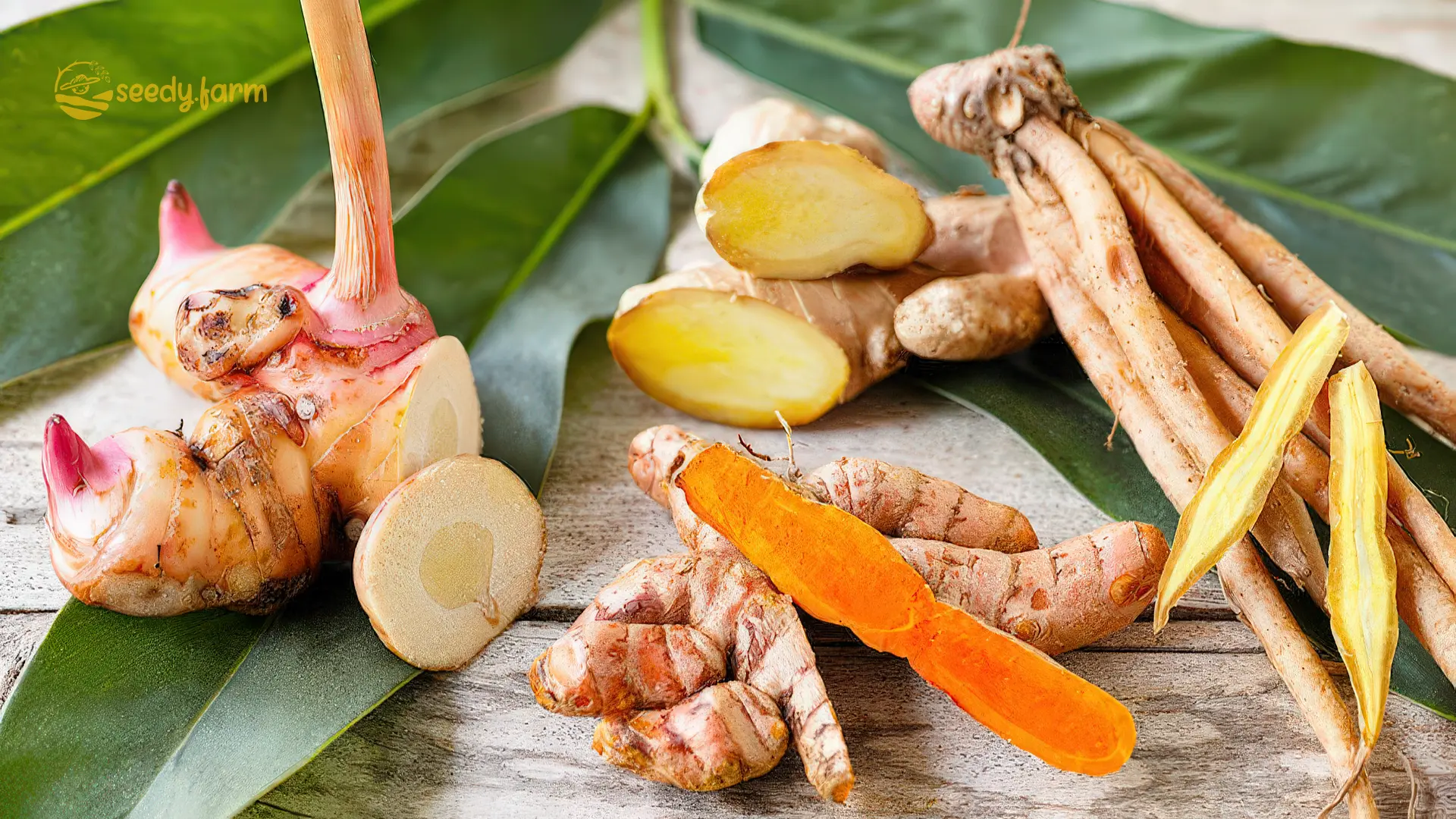
Imagine stepping into your garden and being greeted not just by the sight of green leaves, but by the promise of intense, exotic aromas waiting just beneath the soil. Picture unearthing a knob of Ginger, its sharp, spicy perfume instantly invigorating your senses, or discovering the complex, citrusy scent of fresh Galangal. Forget the often-muted notes of jars stored away in the pantry; growing your own aromatic rhizomes unlocks a world of vibrant flavor and fragrance right at your fingertips.
Many of the world’s most captivating spices don’t hang from branches or sprout on vines – they develop underground as fleshy, modified stems called rhizomes. These aren’t just roots; they are the plant’s aromatic powerhouses, packed with volatile oils and potent compounds.
This guide is your aromatic map to navigating the exciting world of growable spice rhizomes. We’ll explore a selection of fascinating options, diving deep into their unique scent and spice profiles. Our goal? To help you choose the perfect candidates for your own garden spice adventure, matching your taste preferences and growing capabilities, and leading you toward mastering their cultivation.
I. Why Grow Aromatic Rhizomes? The Fresh Difference
You might wonder, why bother growing something you can buy dried? The answer lies in the unparalleled sensory experience offered by fresh harvests:
- Peak Volatile Oils: Freshly harvested rhizomes contain the highest concentration of the volatile oils responsible for that incredible aroma and potent flavor. Much of this vibrancy is inevitably lost during the drying, grinding, and storage process.
- Complexity & Nuance: Taste fresh Turmeric or Galangal side-by-side with its powdered form, and you’ll discover brighter notes, deeper complexity, and subtle nuances simply absent in the dried version.
- Unlock Unique Profiles: Some rhizomes, like the intriguing Fingerroot or Zedoary, possess unique aromatic compounds that are poorly preserved or entirely different when dried. Growing them is often the only way to truly experience their signature scent.
- Customization: Harvest exactly what you need, when you need it, ensuring maximum aromatic impact in your culinary creations, teas, or infusions.
- The Sensory Reward: There’s an undeniable pleasure and deep connection that comes from cultivating, harvesting, smelling, and tasting spices nurtured by your own hands. It transforms cooking from a task into a sensory journey.
II. Meet Your Aromatic Rhizome Candidates: Choosing Your Spice Adventure
Let’s explore some of the most rewarding aromatic rhizomes you can grow. Consider which scent and spice profiles excite your palate and suit your growing conditions!
1. The Warm & Zesty Classic: Ginger (Zingiber officinale)
Instantly recognizable, Ginger offers a potent, warm, pungent heat balanced by bright, lemony top notes and sometimes subtle, sweet floral undertones. The aroma is sharp, clean, and invigorating. It’s incredibly versatile, a star player in countless global cuisines – essential in Asian stir-fries, Indian curries, warming teas, zesty marinades, and adding a kick to baked goods and beverages. Even the leaves have a milder green-ginger scent.

| Aromatic Feature | Details |
|---|---|
| Primary Aromatic Part(s) | Rhizome (underground stem), leaves (milder) |
| Scent Profile | Warm, pungent, spicy, bright lemony notes, slightly sweet |
| Key Compound(s) | Zingiberene (aroma), Gingerols (pungency) |
| Best Aroma Release | Cutting, grating, mincing, or bruising fresh rhizome |
| Best Home Aroma Method(s) | Tea, Simmer Pot, Cooking, Infused Oil/Honey, Baking |
Growing Essentials: Loves tropical warmth and humidity but adapts well to container growing. Prefers partial shade in hot climates or bright indirect light. Needs rich, fertile, moist, and consistently well-draining soil (critical). Moderate difficulty. Harvesting for Aroma: Harvest mature rhizomes 8-10 months after planting, usually when foliage yellows. Carefully dig up sections. Aroma is most vibrant when freshly cut or grated. Ensure rhizomes are firm. Grow Guide Link: Intrigued by its versatile spice? Learn how to grow your own vibrant harvest with our complete Ginger Growing Guide.
2. The Galangals: Citrusy Powerhouse & Pungent Cousin (Alpinia galanga & A. officinarum)
The term “Galangal” most commonly refers to two related but distinct species prized for their aromatic rhizomes. *Greater Galangal (Alpinia galanga) is the more widely known type, essential in Southeast Asian cooking. It boasts a sharp, clean, almost medicinal aroma with pronounced citrusy (like pine and lime) and peppery notes, lacking ginger’s sweetness. Its unique perfume is key for authentic Thai soups and pastes. In contrast, Lesser Galangal (Alpinia officinarum)* packs a sharper, more intensely pungent punch. Its aroma is more medicinal and camphoraceous, with stronger peppery notes. Historically significant in European spice trade, it offers a fascinating, more aggressive aromatic profile.

| Aromatic Feature | *Greater Galangal (A. galanga)* | *Lesser Galangal (A. officinarum)* |
|---|---|---|
| Primary Aromatic Part(s) | Rhizome | Rhizome |
| Scent Profile | Sharp, citrusy (pine/lime), peppery, slightly earthy/medicinal | Intensely pungent, sharp, medicinal, camphoraceous, peppery |
| Key Compound(s) | Higher levels of 1,8-cineole often noted | Often higher levels of certain pungent compounds |
| Best Aroma Release | Slicing, pounding, bruising fresh rhizome | Slicing, pounding, grating fresh rhizome |
| Best Home Aroma Method(s) | Cooking (SE Asian soups, pastes), Simmer Pot | Cooking (sparingly), historical spice blends |
Growing Essentials: Both Greater and Lesser Galangal share similar tropical needs: consistent warmth, humidity, and critically, rich, fertile, well-draining soil to prevent rot. They thrive in containers, which helps manage conditions. Greater Galangal often grows taller. Moderate difficulty overall. Harvesting for Aroma: Harvest mature rhizomes similarly to ginger, usually when the plant shows signs of maturity or dormancy. For culinary use, slicing or pounding Greater Galangal is key. Use Lesser Galangal where its sharper, more intense profile is specifically desired, often more sparingly. Grow Guide Links: Crave that authentic Southeast Asian aroma? Discover how to cultivate Greater and Lesser Galangal in our detailed Galangal Growing Guide.
3. The Golden Earthy Spice: Turmeric (Curcuma longa)
Fresh Turmeric offers a surprisingly complex aroma – deeply earthy, musky, with hints of orange and ginger, and a distinct peppery or even mustard-like scent, far more vibrant than the flat smell of powder. Its flavor is warm, slightly bitter, and pungent. The backbone of countless curries, it provides both foundational flavor and brilliant golden color. Remember its potent staining power! The large leaves also have a faint spicy scent when bruised.

| Aromatic Feature | Details |
|---|---|
| Primary Aromatic Part(s) | Rhizome, leaves (subtle) |
| Scent Profile | Earthy, musky, warm, woody, slightly peppery/mustard-like |
| Key Compound(s) | Turmerone, ar-Turmerone, Zingiberene |
| Best Aroma Release | Cutting, grating, or pounding fresh rhizome |
| Best Home Aroma Method(s) | Tea (‘Golden Milk’), Simmer Pot, Cooking, Pickling |
Growing Essentials: Needs a long, warm growing season (8-10 months). Prefers full sun to partial shade. Requires rich, fertile, well-draining soil and consistent water. Great for large containers. Moderate difficulty due to the long season. Harvesting for Aroma: Harvest main rhizomes after foliage yellows and dies back (8-10 months). Carefully dig clumps. Freshly cut or grated rhizomes have the most vibrant aroma and color. Ensure firmness. Grow Guide Link: Ready to grow this golden wonder? Master the process from planting to harvest with our step-by-step Turmeric Growing Guide.
4. The Queen of Aromatic Spices: Cardamom (Elettaria cardamomum)
Truly regal, Cardamom offers an explosion of complex fragrance from its pods/seeds – intensely aromatic notes of mint, citrus, smoke, and floral sweetness all woven together. Note: We grow the plant from rhizomes, but harvest the aromatic seed pods formed after flowering near the base. Prized globally in both sweet and savory dishes, from Indian chai to Scandinavian baking.
| Aromatic Feature | Details |
|---|---|
| Primary Aromatic Part(s) | Seed pods (harvested from flower stalks arising from rhizome base) |
| Scent Profile | Intense, complex: minty, citrusy, smoky, sweet, floral |
| Key Compound(s) | Cineole, Terpinyl acetate, Limonene, Linalool |
| Best Aroma Release | Bruising whole pods; grinding seeds just before use |
| Best Home Aroma Method(s) | Infusing drinks/dishes (whole pods), Baking/Spice Blends (ground seeds) |
Growing Essentials: Challenging. Requires specific tropical conditions: high humidity, consistent moisture, dappled shade, protection from cold/wind. Best for dedicated gardeners in humid climates or greenhouses. Higher difficulty. Harvesting for Aroma: Harvest pods when plump and green but before they split open, typically several months after flowering. Careful drying is required to preserve aroma. Grow Guide Link: Aspire to grow the Queen of Spices? Learn about its specific needs in our forthcoming Cardamom Growing Guide.
5. The Unique Camphoraceous Note: Fingerroot (Boesenbergia rotunda)
This rhizome presents a truly unique aromatic signature – strongly medicinal, camphoraceous, earthy, and pungent, quite unlike ginger or galangal. Its flavor is intense and specific. Known as Krachai in Thai, it’s a key aromatic in specific Southeast Asian cuisines, essential for perfuming certain curry pastes, fish dishes (like hor mok), and soups where its distinct character is irreplaceable.
| Aromatic Feature | Details |
|---|---|
| Primary Aromatic Part(s) | Rhizome |
| Scent Profile | Strongly medicinal, camphoraceous, earthy, pungent |
| Key Compound(s) | Pinostrobin, Panduratin A, various monoterpenes |
| Best Aroma Release | Pounding, bruising, or finely slicing fresh rhizome |
| Best Home Aroma Method(s) | Cooking (specific SE Asian pastes/dishes) |
Growing Essentials: Tropical needs similar to ginger – warmth, humidity, rich well-draining soil. Often grown in containers for easier management. Moderate difficulty. Harvesting for Aroma: Harvest mature rhizomes as needed. Pounding or fine slicing is crucial for releasing its potent aroma into specific dishes. Grow Guide Link: Want to add this unique aromatic to your repertoire? Explore its cultivation in our upcoming Fingerroot Growing Guide.
6. The Intriguing ‘Mango-Ginger’: Zedoary / White Turmeric (Curcuma zedoaria)
Fascinatingly different from common turmeric, Zedoary offers an intriguing aroma reminiscent of green mango and ginger, overlaid with distinct camphoraceous or pine-like notes. Its flavor is pungent and noticeably bitter. Used in specific South and Southeast Asian pickles, chutneys, salads, and curry pastes, its unique aromatic qualities have also seen it used historically in liqueurs and perfumery.
| Aromatic Feature | Details |
|---|---|
| Primary Aromatic Part(s) | Rhizome |
| Scent Profile | Green mango, ginger, camphoraceous, pine-like notes; pungent, bitter |
| Key Compound(s) | Various sesquiterpenes (e.g., curzerene), cineole |
| Best Aroma Release | Slicing, grating, or pounding fresh rhizome |
| Best Home Aroma Method(s) | Pickling, Chutneys, specific Curry Pastes |
Growing Essentials: Similar growing requirements to Turmeric – needs a long warm season, rich well-draining soil, and consistent moisture. Moderate difficulty. Harvesting for Aroma: Harvest mature rhizomes after foliage dies back. Use where its unique bitter-aromatic profile is desired. Grow Guide Link: Curious about this ‘white turmeric’? Learn how to grow Zedoary with tips from our future Zedoary Growing Guide.
III. Cultivation and Usage: Maximizing Your Aromatic Harvest
Successfully growing these fascinating plants and making the most of their unique sensory qualities involves understanding both their cultivation needs and how best to release their signature aromas.
1. Harnessing the Aroma & Spice: Tips for Usage
Growing these treasures is just the beginning. To truly capture their magic in your kitchen or preparations:
- Prioritize Freshness: The closer to harvest, the more vibrant the volatile oils and the more intense the sensory experience. Use promptly for best results whenever possible.
- Consider Preparation Method: Bruising or pounding rhizomes (like Galangal or Fingerroot in a mortar and pestle) ruptures cells differently than slicing or grating (like Ginger or Turmeric), releasing different facets of their aroma. Experiment to find what suits your dish.
- Utilize Gentle Infusion: For capturing delicate aromas, consider steeping slices or lightly bruised pieces in liquids (water for tea, oil, vinegar, simple syrup) without applying high heat, which can destroy some volatile compounds. Simple simmer pots on the stove also gently release fragrance into the air.
- Time Your Additions in Cooking: Adding pungent, fresh spices like grated Ginger towards the end of cooking often preserves more of their bright top notes. Heartier rhizomes used for deep flavor (like sliced Galangal in soup) can typically withstand longer simmering.
- Experiment Boldly: Don’t hesitate to try them raw (thinly sliced Turmeric or Ginger in salads), pickled, candied, or in unique combinations beyond traditional recipes. Explore infused honeys or simple syrups.
- Handle Harvested Material Gently: Until you’re ready to use them, handle harvested rhizomes gently to avoid unnecessary bruising which can start releasing precious volatile oils prematurely. Rinse off soil and pat dry.
- Preserve for Later Use: While fresh is often best, you can preserve rhizomes. Cleaned rhizomes can be frozen whole or sliced/grated. Some can also be dried (sliced thinly, dehydrated until brittle) and stored in airtight containers in a cool, dark place, though expect some change in the aromatic profile compared to fresh.
2. General Tips for Rhizome Growing Success
While each plant has specific needs detailed in its dedicated guide, these core principles will significantly improve your chances of a successful and aromatic harvest:
- Light Fuels Fragrance: Adequate light drives photosynthesis, providing energy for the plant to create the complex secondary metabolites (including aromatic oils) we desire. Most rhizomes like Ginger, Turmeric, and Galangal thrive with several hours of direct sun but appreciate some partial shade or protection from intense, scorching afternoon sun, especially in very hot climates. Insufficient light leads to weak growth and poor aroma development. Cardamom is an exception needing more consistent dappled shade.
- Prioritize Excellent Soil Drainage: This is perhaps the most critical factor for rhizome success. Soggy, waterlogged soil deprives the underground rhizomes of oxygen and is the leading cause of rot, which is often fatal. Always use pots with ample drainage holes. Amend garden soil or potting mixes generously with organic matter like finished compost, which improves structure, fertility, and drainage. Adding materials like perlite, coarse sand, or fine pine bark further enhances aeration in container mixes.
- Water Consistently & Appropriately: Avoid wild swings between bone dry and soaking wet. During active growth (spring through fall), aim for consistently moist soil, but never saturated. A common guideline is to water thoroughly when the top 1-2 inches (2.5-5 cm) of soil feels dry to the touch. Reduce watering significantly during winter dormancy if applicable (when foliage dies back). Applying a layer of organic mulch (like shredded leaves or straw) around outdoor plants or on top of container soil helps conserve moisture, regulate soil temperature, and suppress weeds – a valuable sustainable practice.
- Feed Mindfully with Organic Inputs: These plants are heavy feeders, storing energy in their rhizomes. Support them during active growth with balanced organic fertilizers. Options include regular applications of finished compost as a top-dressing, incorporating well-rotted manure before planting, using worm castings, or supplementing with liquid feeds like fish emulsion or seaweed extract. These nourish the plant and build healthy soil biology. Avoid excessive high-nitrogen synthetic fertilizers, which can promote weak, leafy growth at the expense of robust rhizome development and concentrated aroma.
- Provide Necessary Warmth: Most of the rhizomes discussed are tropical or subtropical. They require consistently warm temperatures, ideally within the 70-90°F (21-32°C) range, for active growth. Protect them rigorously from frost. Using containers allows easier relocation indoors or to protected areas during cold snaps or winter in non-tropical zones.
- Harvest at Peak Maturity: For rhizomes like Ginger, Galangal, and Turmeric, the optimal harvest time for maximum flavor, size, and aroma concentration is typically after the foliage naturally begins to yellow and die back, signaling the plant is entering dormancy (usually 8-10 months or more after planting). Carefully dig around the base of the plant to lift the rhizome clumps, taking care not to damage them excessively.
- Practice Sustainable Pest Management: Healthy, well-cared-for plants are less susceptible to pests and diseases. Start with prevention: choose healthy rhizomes, provide good air circulation, and maintain optimal growing conditions. If pests (like spider mites or fungus gnats, sometimes seen indoors or in greenhouses) appear, use the least toxic methods first: a strong spray of water, wiping leaves, or using insecticidal soap or neem oil according to label directions. Avoid harsh chemical pesticides, which can harm beneficial organisms and leave unwanted residues.
From the familiar warmth of Ginger to the exotic perfume of Cardamom and the unique notes of Fingerroot, the world of aromatic rhizomes offers an incredible spectrum of sensory experiences for the home gardener. Equipped with an understanding of their distinct aroma and spice profiles, and attention to their cultivation needs, you can now choose the perfect candidates to embark on your own growing adventure, enriching your garden and kitchen with unparalleled freshness and fragrance derived directly from the source.
Comments (0)
No comments yet. Be the first to share your thoughts.