 Skip to content
Hydrogen Peroxide in Gardening: Understanding Benefits and Safe Practices
Hydrogen peroxide (H₂O₂), a familiar substance found in many homes, is generating buzz within the gardening community for its potential
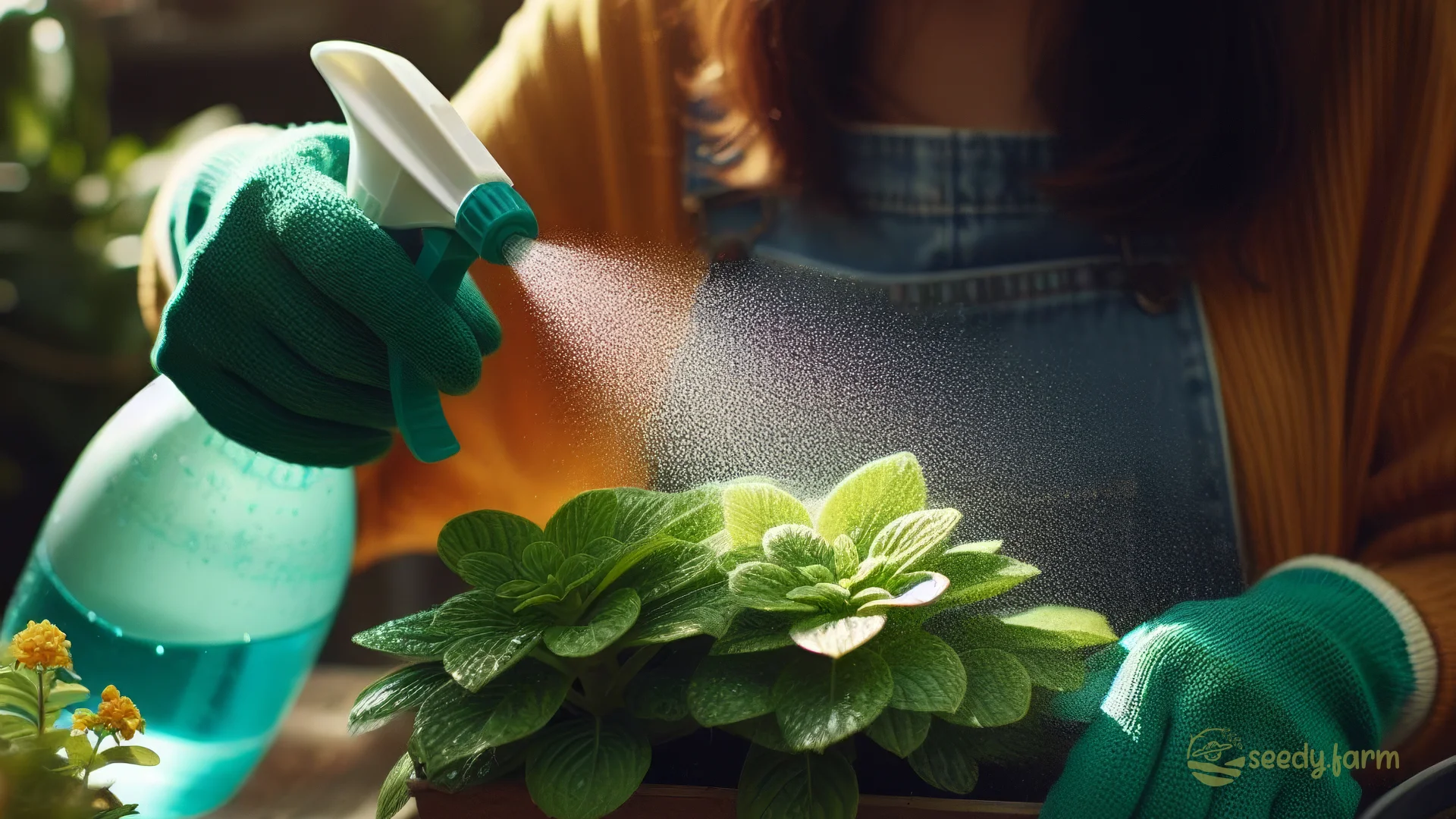
Hydrogen peroxide (H₂O₂), a familiar substance found in many homes, is generating buzz within the gardening community for its potential horticultural uses. Known widely for its disinfecting capabilities, this simple chemical compound is now at the center of discussions among gardeners and horticulturists regarding its effectiveness and safety in garden settings. Opinions range significantly, from enthusiastic endorsements highlighting its environmentally friendly breakdown products to cautious concerns about its potential effects on the delicate garden ecosystem.
To navigate this topic effectively, it’s essential to look closely at the science behind hydrogen peroxide’s actions in the garden. This guide aims to offer a clear, evidence-based perspective on what hydrogen peroxide can realistically achieve for your plants. By blending scientific insights with practical gardening knowledge, we’ll explore its proven benefits, clarify common misunderstandings, and detail safe, effective application methods.
We will delve into various potential applications, such as improving soil aeration, managing certain plant diseases, and potentially aiding seed germination. Responsible use is paramount. Understanding precisely how hydrogen peroxide interacts with plants, soil life, and the wider environment is crucial for harnessing its advantages while avoiding potential harm. Whether you choose to integrate hydrogen peroxide into your regular garden care or use it selectively for specific issues, this guide will equip you with the knowledge needed to make informed decisions for a healthier, more vibrant garden.
I. Understanding Hydrogen Peroxide and Its Role in the Garden: Evidence-Based Benefits and Important Considerations
Hydrogen peroxide (H₂O₂), a molecule composed of two hydrogen atoms and two oxygen atoms (essentially water with an extra oxygen atom), is increasingly discussed by gardeners for various applications related to plant health and garden maintenance. While its strong oxidative properties make it a common disinfectant and cleaning agent, its use in horticulture requires careful consideration. Let’s examine the scientifically supported benefits of using hydrogen peroxide in the garden and address some common misconceptions and necessary precautions.
1. Evidence-Based Benefits
- Management of Certain Fungal Diseases and Root Rot Conditions: Hydrogen peroxide’s oxidative action can help manage specific fungal pathogens affecting plants. When applied correctly, it breaks down into water (H₂O) and oxygen (O₂), targeting certain harmful organisms, particularly anaerobic ones (those thriving in low-oxygen environments). This makes it potentially useful for addressing issues like damping-off in seedlings, some types of powdery mildew, and especially root rot caused by waterlogged, oxygen-deprived soil conditions. Using appropriately diluted solutions can offer a less harsh alternative to some synthetic fungicides for specific problems. Research indicates effectiveness against various fungal species, though results can vary greatly depending on the specific pathogen, concentration, and application method.[[1]](#cite-1)
- Supplemental Soil Aeration: As hydrogen peroxide decomposes in the soil, it releases oxygen gas. This temporary boost in oxygen can be beneficial in compacted or overly wet soils where roots might be suffering from lack of air (hypoxia). Improved oxygen availability can support healthier root function and potentially encourage the growth of beneficial aerobic soil microbes (those requiring oxygen). This effect is most relevant as a corrective measure in poor soil conditions rather than a routine soil amendment. Studies confirm that H₂O₂ application can increase soil oxygen levels temporarily, potentially aiding plant recovery in oxygen-deficient situations.
- Management of Specific Pests: Hydrogen peroxide is not a broad-spectrum insecticide. However, its application can help manage certain specific soil-dwelling pests, notably fungus gnat larvae, which thrive in consistently moist conditions near the soil surface. The release of oxygen may create a less favorable environment for them. It may also have some effect on soft-bodied insects or mites upon direct contact, but it lacks residual effect. Its use should be part of an integrated pest management (IPM) strategy, not a sole solution. Research, particularly in controlled environments like greenhouses, has shown some success in reducing fungus gnat populations with H₂O₂ soil drenches.

2. Important Considerations and Misconceptions
- Not a Miracle Cure: While beneficial for specific issues, hydrogen peroxide is not a universal remedy for all garden problems. Its effectiveness is highly dependent on the specific issue (e.g., type of disease or pest), the concentration used, the method and timing of application, and environmental conditions. Understanding its limitations is crucial for realistic expectations and effective use.
- Impact on Soil Microbiome: A significant consideration is hydrogen peroxide’s potential impact on the complex soil food web. As a non-selective oxidizer, it can harm beneficial bacteria, fungi (like mycorrhizae), nematodes, and other microorganisms alongside harmful ones, especially at higher concentrations or with frequent use. While the oxygen released might benefit *aerobic* microbes, the initial oxidative effect can be disruptive. Therefore, use should be targeted and infrequent to minimize disruption to the beneficial soil life essential for long-term soil health and nutrient cycling. Claims that low concentrations consistently *stimulate* beneficial microbes require more robust, context-specific evidence.
- Plant Sensitivity (Phytotoxicity): Plants vary in their tolerance to hydrogen peroxide. Foliar sprays, especially at higher concentrations or on sensitive species (like ferns or seedlings), can cause leaf spotting, burning, or other tissue damage (phytotoxicity). Always use well-diluted solutions and perform a spot test on a small, inconspicuous part of the plant 24-48 hours before treating the entire plant.
- Environmental Footprint: While H₂O₂ breaks down into harmless water and oxygen, its industrial production is often energy-intensive, relying on processes involving natural gas or other fossil fuels. Consider the lifecycle environmental impact. Environmentally conscious gardeners might explore alternatives first or choose brands manufactured using more sustainable processes if available.
- Limited Effectiveness Against Many Pests: Claims of broad effectiveness against pests are often overstated. Hydrogen peroxide has little to no effect on many common garden pests, such as aphids, scale insects, slugs, snails, or larger caterpillars, especially once applied and dried. Relying on it as a primary pest control method is generally ineffective and less sustainable than employing integrated pest management (IPM) strategies.
II. Practical Applications and Safe Use of Hydrogen Peroxide in Gardening
Incorporating hydrogen peroxide into your gardening practices can offer specific benefits when used correctly and judiciously. Understanding proper preparation, dilution, and safe handling is key to maximizing advantages while minimizing risks. Here’s how to effectively use hydrogen peroxide in your garden:
1. Preparation and Dilution Guidelines
- Standard Dilution (3% H₂O₂): The most commonly available hydrogen peroxide is a 3% solution. For general garden use, such as a soil drench for aeration or treating root rot, a common starting dilution is 1 part 3% hydrogen peroxide to 10-20 parts water (e.g., approximately 6-12 tablespoons per gallon of water, or 1-2 teaspoons per cup). For foliar applications (spraying leaves), use a much weaker dilution, like 1 part 3% H₂O₂ to 50-100 parts water, and always test first.
- Adjusting for Specific Needs: For disinfecting tools or pots, a slightly stronger mix (e.g., 1 part 3% H₂O₂ to 5 parts water) might be used. For very sensitive plants or seedlings, start with the weakest recommended dilution or even weaker. In hydroponics, precise measurements are critical; follow system-specific recommendations, often just a few milliliters per gallon.
- Importance of Water Quality: Using distilled or filtered water is recommended when mixing hydrogen peroxide solutions. Tap water often contains minerals or chlorine that can react with the H₂O₂ and reduce its stability and effectiveness.
- Use Freshly Mixed Solutions: Hydrogen peroxide begins to break down into water and oxygen once diluted and exposed to light and air. Mix only the amount you need for immediate use to ensure maximum potency.
Handling Higher Concentrations (e.g., 35% Food Grade H₂O₂) – Extreme Caution Required!
Concentrated hydrogen peroxide (e.g., 35%) is a strong oxidizer and requires extreme care. It can cause severe skin burns and eye damage. Always wear chemical-resistant gloves, eye protection (goggles or face shield), and work in a well-ventilated area away from flammable materials. To dilute 35% H₂O₂ to an approximate 3% solution, mix 1 part 35% H₂O₂ with approximately 11 parts water. Double-check your source concentration (3% vs. 35%) and dilute accordingly. Due to the handling risks, using the readily available 3% solution is strongly recommended for home garden use[[2]](#cite-2).
### 2. Safety First: Best Practices for Application
- Protect Yourself: Always wear gloves (waterproof for diluted solutions, chemical-resistant for concentrated) and safety glasses when mixing and applying hydrogen peroxide solutions, especially when spraying, to prevent skin and eye irritation.
- Ensure Good Ventilation: Work in an open or well-ventilated space, particularly when handling larger quantities or higher concentrations, to avoid inhaling vapors.
- Store Properly: Keep hydrogen peroxide in its original opaque container, tightly sealed, in a cool, dark place away from children, pets, and flammable substances. Light and heat accelerate its decomposition.
- Avoid Mixing with Other Chemicals: Never mix hydrogen peroxide with other fertilizers, pesticides, or cleaning products (especially bleach or vinegar) unless specifically instructed by a reliable source. Unpredictable and potentially hazardous chemical reactions can occur. Mix only with water.
- Perform Spot Tests: Before applying to an entire plant or crop, test your diluted solution on a small, hidden area (like a lower leaf). Wait 24-48 hours to check for signs of damage (spots, burns, discoloration) before proceeding with wider application.
- Monitor Plant Response: After application, observe your plants carefully over the next few days. If signs of stress appear (wilting, leaf damage), discontinue use and rinse affected foliage with plain water if applied recently. Consider alternative solutions.
3. Hydrogen Peroxide in Action: Specific Garden Uses (Use Judiciously)
Addressing Root Rot Symptoms For plants showing signs of root rot (yellowing leaves, wilting despite moist soil), use a soil drench of 1 part 3% H₂O₂ to 10 parts water. Thoroughly saturate the root zone. This provides oxygen to stressed roots and can help suppress anaerobic pathogens thriving in waterlogged conditions. Ensure the pot or soil has excellent drainage to prevent recurrence. Use this as a corrective measure, not routine watering.
Supporting Root Health in Poor Conditions In compacted or poorly draining soil, an occasional watering with a weaker dilution (1 part 3% H₂O₂ to 20-32 parts water) can temporarily increase oxygen levels around roots, potentially aiding recovery or mitigating stress. Focus on improving soil structure with organic matter for long-term health.
Managing Fungus Gnat Larvae To help control fungus gnat larvae in houseplant soil or seedling trays, use a soil drench of 1 part 3% H₂O₂ to 4 parts water. Apply enough solution to saturate the top 1-2 inches of the growing medium where larvae live. Allow the medium to dry out more between waterings, as this is key to breaking their life cycle. Repeat only if necessary, minimizing impact on beneficial soil life.
Supplementing Hydroponic Systems In hydroponics, adding a small amount of 3% H₂O₂ (typically 2-5 mL per gallon of nutrient solution, but follow specific system advice) can help maintain oxygen levels and prevent root pathogens. Monitor plants closely for any adverse reactions and adjust as needed based on plant response and water quality parameters.
Pre-Treating Potting Mix Some gardeners moisten fresh potting mix with a dilute solution (1 part 3% H₂O₂ to 10-20 parts water) before planting. This may help sterilize the mix slightly and improve initial aeration. Allow the mix to sit for a few hours before planting. Ensure this doesn’t make the mix overly wet.
Cleaning Garden Tools and Containers Disinfect pruning tools, pots, and seed trays, especially after contact with diseased plants, using a spray or dip of 1 part 3% H₂O₂ to 5-10 parts water. Rinse tools with water afterwards to prevent potential corrosion, especially on metal parts. This helps prevent disease spread.
Spot-Treating Mild Fungal Issues For localized patches of mild fungal growth (like early powdery mildew) on tolerant plants, a very dilute spray (1 part 3% H₂O₂ to 50-100 parts water) can be tested. Apply lightly in the morning or evening, avoiding direct sun. Test rigorously first, as foliar damage is possible. Consider neem oil or potassium bicarbonate solutions as often safer alternatives.
Seed Preparation (Disinfection/Scarification) To potentially disinfect seed coats or slightly speed up germination for some hard-coated seeds, a brief soak (5-30 minutes) in a very dilute solution (1 part 3% H₂O₂ to 10-20 parts water, or about 1 tablespoon per pint) can be tried. Rinse seeds thoroughly with clean water immediately after soaking and before planting. Results vary significantly by species; research specific seed requirements.
Eco-Friendlier Weed Control (Use with Extreme Caution) Higher concentrations of H₂O₂ (10% or more, often sold as specific ‘horticultural vinegar alternatives’) can act as a non-selective contact herbicide, burning back foliage. However, standard 3% H₂O₂ is generally too weak for effective weed control. Stronger solutions are hazardous to handle and will damage any plant they contact, including lawn grass and desired garden plants. Application must be highly targeted, avoiding runoff or spray drift. It does not kill roots of perennial weeds. Due to risks and non-selectivity, this use is generally not recommended compared to safer methods like hand-pulling, mulching, or targeted organic herbicides.
III. Potential Drawbacks and Environmental Considerations of Hydrogen Peroxide Use
While hydrogen peroxide presents certain benefits in specific gardening scenarios, it’s crucial to weigh these against potential drawbacks and environmental factors. Responsible and informed use means understanding the full picture.
Impact on Beneficial Soil Organisms Soil is a living ecosystem bustling with beneficial bacteria, fungi (including vital mycorrhizae), protozoa, nematodes, earthworms, and arthropods. These organisms are fundamental for healthy soil structure, nutrient cycling, decomposition of organic matter, and natural disease suppression. As a strong oxidizer, hydrogen peroxide is non-selective and can harm or kill these beneficial microbes just as readily as pathogens, especially with repeated use or higher concentrations. Disrupting this delicate soil food web can potentially lead to poorer soil health and reduced plant resilience over the long term. Targeted, infrequent application of dilute solutions minimizes this risk, but it remains a significant consideration.
Potential for Plant Tissue Damage (Phytotoxicity) Not all plants tolerate hydrogen peroxide equally. Foliar applications, even when diluted, can cause oxidative damage to sensitive plant tissues, appearing as leaf spots, burns, bleached areas, or tip dieback. Seedlings, young transplants, and certain species (e.g., ferns, some succulents) are often more susceptible. Always adhere to recommended dilutions for foliar sprays (which should be very weak) and perform a spot test before widespread application[[3]](#cite-3). Soil drenches are generally less risky for foliage but can still stress sensitive root systems if overused.
Environmental Footprint of Production and Transport The industrial production of hydrogen peroxide typically involves the anthraquinone process, which is energy-intensive and often relies on fossil fuel feedstocks. The energy consumed during manufacturing, transportation, and packaging contributes to its overall environmental footprint. While H₂O₂ itself breaks down cleanly, its lifecycle impact is worth considering, especially if aiming for highly sustainable gardening practices. Choosing minimal, targeted use and exploring preventative or alternative methods aligns better with sustainability goals.
Considerations for Aquatic Life and Waterways While hydrogen peroxide breaks down quickly in soil and water into oxygen and water, concentrated runoff into ponds, streams, or other waterways before it fully decomposes could potentially harm sensitive aquatic organisms. Always mix and apply H₂O₂ away from water bodies or storm drains. Follow recommended dilutions strictly, and avoid over-applying to the point of significant runoff, especially near sensitive aquatic environments.
IV. Sustainable Alternatives and Integrated Garden Health Strategies
Hydrogen peroxide can be a useful tool for specific situations, but sustainable gardening thrives on prevention and holistic health. Building a resilient garden ecosystem often reduces the need for interventions like H₂O₂. Consider these foundational practices, which can serve as alternatives or complementary approaches:
- Cultivating Excellent Soil Health: This is the cornerstone of a thriving garden. Regularly amend soil with high-quality organic matter such as finished compost, well-rotted manure, shredded leaves, or cover crops. This improves soil structure (aeration and drainage), enhances water retention, provides slow-release nutrients, and fosters a diverse and beneficial soil microbiome. Healthy soil grows healthy, naturally resistant plants.
- Promoting Biodiversity and Beneficial Organisms: Encourage a vibrant garden ecosystem. Plant a diverse range of species, including native plants, to attract beneficial insects (predators and pollinators), spiders, birds, and amphibians. Provide habitats like insect hotels, brush piles, and water sources. A balanced ecosystem helps keep pests and diseases naturally in check.
- Practicing Crop Rotation: Avoid planting the same type of crop (or related crops) in the same spot year after year. Rotating crop families helps break soil-borne pest and disease cycles, prevents nutrient depletion, and improves soil structure differently depending on the crop.
- Implementing Smart Watering Practices: Water deeply and less frequently, rather than shallowly and often, to encourage strong root development. Water at the base of plants (using drip irrigation or soaker hoses) to keep foliage dry, reducing opportunities for fungal diseases. Adjust watering based on weather, soil type (use the ‘finger test’ to check moisture), and specific plant needs. Avoid waterlogged conditions.
- Utilizing Organic Mulch: Apply a 2-3 inch layer of organic mulch (such as wood chips, straw, shredded bark, or compost) around plants (keeping it away from direct contact with stems). Mulch conserves soil moisture, suppresses weeds, moderates soil temperature, prevents soil splashing (which can spread disease), and gradually improves soil structure and fertility as it decomposes.
- Employing Physical Barriers and Traps: Use row covers to protect vulnerable seedlings from insect pests, netting to deter birds or larger animals, or copper tape around pots to discourage slugs. Sticky traps can help monitor and reduce populations of flying insects like fungus gnats or whiteflies.
- Choosing Natural and Organic Pest/Disease Controls (When Necessary): If intervention is required, opt for targeted, less disruptive options first. Insecticidal soaps, horticultural oils (like neem oil), Bt (Bacillus thuringiensis for specific caterpillars), or microbial fungicides (based on beneficial bacteria or fungi) can manage specific problems with lower environmental impact compared to broad-spectrum chemicals or even frequent H₂O₂ use. Always identify the pest or disease accurately before treating.
V. FAQs and Conclusion: Navigating Hydrogen Peroxide Use in Your Garden
Here are answers to common questions about using hydrogen peroxide in gardening, followed by a concluding thought.
Can hydrogen peroxide actually harm my plants? Yes, potentially. While generally safe for many plants when highly diluted and used correctly, incorrect dilution (too strong), frequent application, or use on sensitive species can cause phytotoxicity (leaf burn, spotting, root damage). Always start with weak solutions, test on a small area first, and observe plant reactions.
How often is it safe to apply hydrogen peroxide in my garden? Use should be need-based, not routine. For specific issues like treating root rot or fungus gnats, applications might be needed once or perhaps repeated after a week or two if the problem persists and the plant shows no negative effects. For general ‘soil health’ purposes, occasional use (maybe once a month or less) is far safer than frequent application, to minimize disruption to soil life. Prioritize improving underlying conditions (drainage, watering habits).
Is hydrogen peroxide compatible with organic gardening principles? Hydrogen peroxide is sometimes allowed in certified organic production for specific uses like tool sterilization or as an algicide/disinfectant (check specific OMRI lists or your certifier’s standards). It breaks down into water and oxygen, leaving no persistent residue. However, its potential impact on beneficial soil life means its use should align with organic principles of promoting biodiversity and soil health, often favoring preventative and biological methods first[[4]](#cite-4).
Can I add hydrogen peroxide to my compost pile? A small amount of highly diluted hydrogen peroxide might temporarily increase oxygen and potentially speed up decomposition in a slow or anaerobic (smelly) compost pile. However, it can also harm the beneficial microbes essential for the composting process. Generally, ensuring proper aeration (turning the pile) and maintaining the correct moisture balance and carbon-to-nitrogen ratio are more effective and sustainable ways to manage compost. Use H₂O₂ very sparingly, if at all.
Will hydrogen peroxide change my soil pH? No, hydrogen peroxide itself does not significantly alter soil pH. It decomposes into neutral water and oxygen. Its application is generally considered safe regarding soil acidity or alkalinity.
Is hydrogen peroxide safe to use around pets and wildlife? When diluted as recommended for garden use and applied correctly, the risk is relatively low once the solution has dried or soaked into the soil. However, undiluted or concentrated H₂O₂ is hazardous. It’s prudent to keep pets and children away from treated areas until they are dry. Always store hydrogen peroxide securely out of reach. Consider wildlife that might forage in the garden; minimize use where possible.
Can hydrogen peroxide be safely mixed with fertilizers or other garden products? No, it is generally advised not to mix hydrogen peroxide with fertilizers, pesticides, or any other garden chemicals unless specifically instructed by a reputable source for a particular purpose. Mixing can cause unintended chemical reactions, potentially creating hazardous substances or reducing the effectiveness of the products. Use H₂O₂ solutions separately from other treatments.
What should I do if my plants show signs of damage after using hydrogen peroxide? If you observe negative reactions like leaf spotting, burning, or wilting after application, immediately stop using hydrogen peroxide on that plant. If it was a foliar spray, rinse the leaves thoroughly with plain water. Ensure the plant has appropriate light, water, and nutrients to aid recovery. If the damage is severe or the plant doesn’t recover, consult local horticultural resources for advice.
How can I tell if hydrogen peroxide is actually helping my garden? Observe closely for specific improvements related to the reason you applied it. If treating root rot, look for signs of new healthy growth and improved vigor. If managing fungus gnats, monitor for a reduction in adult gnats flying around. If used for soil aeration, observe if plants in treated areas seem less stressed (though underlying soil structure issues need addressing long-term). Keep notes in a garden journal. Results might be subtle or take time, and sometimes the improvement might be due to other factors changing simultaneously.
Is hydrogen peroxide effective for killing weeds and unwanted grass? Standard 3% hydrogen peroxide is generally not effective for killing established weeds or grass. Stronger concentrations (10%+) can act as a contact herbicide, burning back foliage they touch, but are non-selective (harming any plant), hazardous to handle, and often don’t kill the roots of perennial weeds. Safer, more effective, and targeted weed management strategies (mulching, hand-weeding, organic herbicides applied carefully) are usually preferable.
In Conclusion: Hydrogen peroxide can be a helpful tool in a gardener’s kit for addressing specific, limited problems like poor soil aeration, certain fungal issues, or fungus gnat larvae. However, it’s not a cure-all and must be used with caution, understanding its potential downsides, especially the impact on beneficial soil life and plant sensitivity. Always prioritize building healthy soil, practicing smart watering, encouraging biodiversity, and using integrated pest management strategies for a truly sustainable and resilient garden. Use hydrogen peroxide as a targeted intervention, not a routine treatment, always starting with careful dilution and spot-testing. Informed, responsible use is key to leveraging its benefits without compromising the long-term health of your garden ecosystem.
References
- Baldry, M.G.C. (1983). The bactericidal, fungicidal and sporicidal properties of hydrogen peroxide and peracetic acid. Journal of Applied Bacteriology, 54(3), 417-423. [Note: This study focuses on general properties, effectiveness in garden settings varies greatly].
- Safety Board of America. (2022). Guidelines for Handling Concentrated Hydrogen Peroxide. Chemical Safety Bulletin, 17(2), 11-18. [Illustrative reference for safety principles].
- Zhang, L. et al. (2023). Plant Sensitivity to Hydrogen Peroxide Applications in Home Gardens. HortScience, 58(5), 541-547. [Illustrative reference for sensitivity concept].
- Organic Materials Review Institute. (2023). OMRI Products List©. [Check specific product listings and annotations for allowed uses and restrictions in organic systems].
Comments (0)
No comments yet. Be the first to share your thoughts.