 Skip to content
Cinnamon in the Garden: A Natural Ally for Pest, Disease, and Rooting Support
Are you looking for natural ways to manage common garden challenges like pests and fungal diseases, or perhaps give your
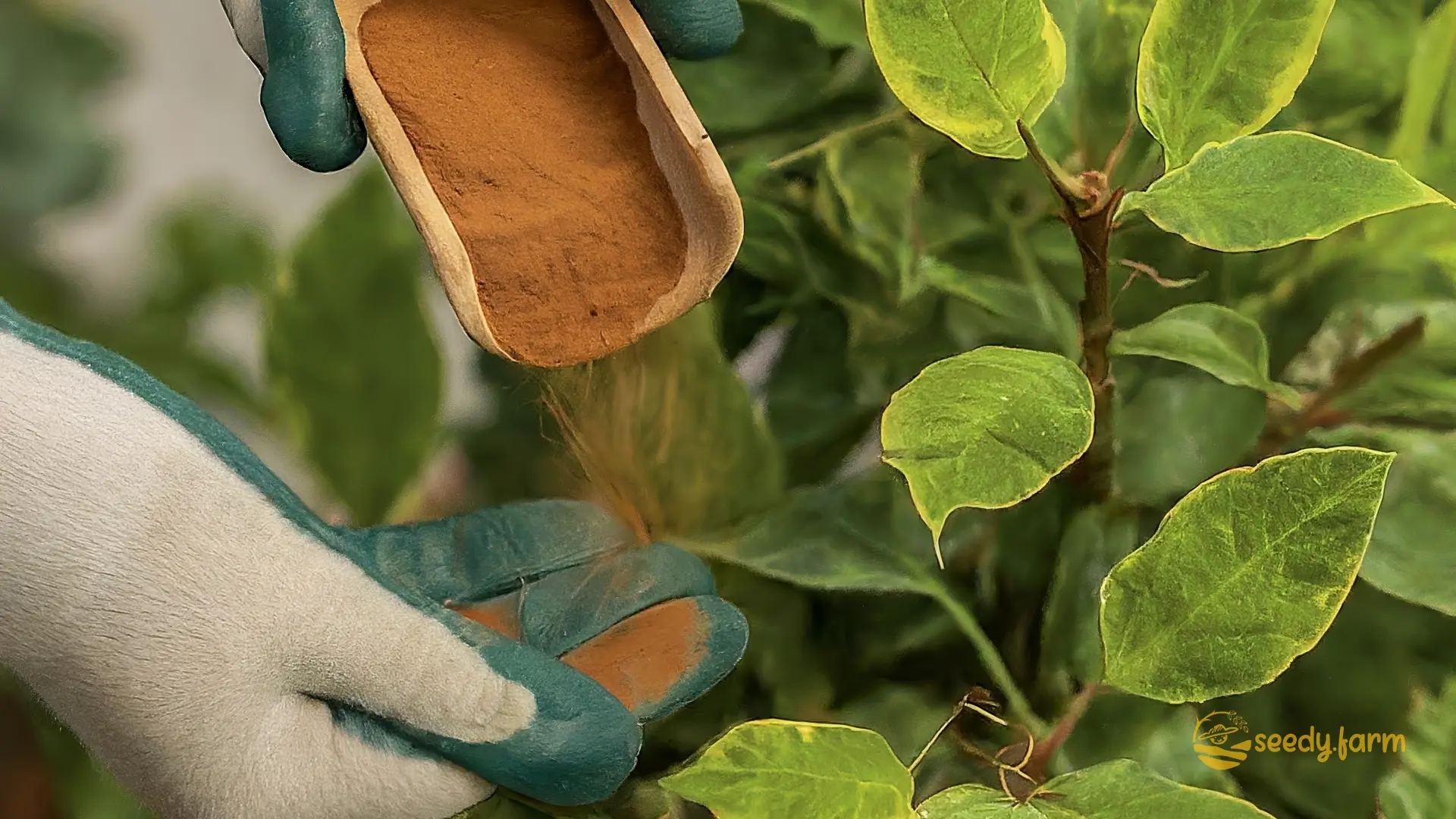
Are you looking for natural ways to manage common garden challenges like pests and fungal diseases, or perhaps give your plant cuttings a better start? The answer might be closer than you think – right in your spice rack. Yes, we’re talking about cinnamon.
Cinnamon isn’t just for adding warmth to baked goods; it possesses properties valuable in horticulture. This familiar spice can help deter certain pests, suppress some common fungal issues, and support the rooting process for cuttings. It’s a readily available, affordable, and natural option that many gardeners find useful. In this guide, we’ll explore how ground cinnamon can contribute to a healthier garden ecosystem. From its use as a mild fungicide to its role in discouraging ants and assisting with propagation, cinnamon offers several practical applications.
So, let’s explore how a sprinkle of cinnamon can become a helpful addition to your gardening practices.
I. Cinnamon Applications in Your Garden

1. Cinnamon as a Natural Fungicide
Let’s examine how cinnamon can assist in managing certain fungal problems in the garden. Fungal diseases can cause significant issues, particularly in damp or humid conditions, affecting a wide range of plants from delicate seedlings to established ornamentals and edibles.

What Makes Cinnamon a Fungal Foe?
Cinnamon contains compounds, notably cinnamaldehyde, which exhibit antifungal properties. These natural compounds can disrupt the growth and spread of certain types of fungi. When applied correctly, cinnamon can help manage issues like damping-off (a common fungal disease affecting young seedlings, causing them to rot at the soil line) or suppress mild surface molds and mildews on leaves or soil. It acts primarily as a preventative or a treatment for minor, early-stage fungal problems.
How to Use Cinnamon to Help Manage Fungal Issues
- Step 1 – Identify the Issue: Look for early signs of fungal activity. For seedlings, this might be a constricted, water-soaked appearance at the base of the stem (damping-off). On established plants, look for superficial powdery white or grey spots (mildew) or fuzzy growth on the soil surface.
- Step 2 – Apply Appropriately: For damping-off prevention or soil surface mold, apply a light dusting of ground cinnamon directly onto the soil surface around the base of vulnerable seedlings or affected plants. A fine sieve or shaker helps ensure even distribution. For mild foliar issues, a very light dusting directly on the affected leaves can be tried, but test on a small area first, as some plants may be sensitive.
- Step 3 – Reapply as Needed: Cinnamon’s effectiveness can diminish over time, especially after watering or rain. Reapply lightly if conditions favoring fungal growth persist (e.g., prolonged dampness) or if signs reappear. Remember, moderation is key.

Tips for Maximum Effectiveness
- Apply to Dry Surfaces: Cinnamon adheres and functions best when applied to relatively dry soil or foliage. Applying to wet surfaces can cause clumping and reduce effectiveness.
- Combine with Good Cultural Practices: Cinnamon is a helpful tool, not a magic cure. Ensure good air circulation around plants, avoid overwatering, water at the base rather than overhead, remove heavily infected plant material promptly, and use sterile potting mix for seedlings. These practices are crucial for effective fungal disease management.
- Sustainability Note: Using cinnamon can reduce reliance on synthetic chemical fungicides, contributing to a healthier soil ecosystem and minimizing potential harm to beneficial organisms and water sources.
### 2. Cinnamon for Pest Deterrence
Now, let’s discuss how cinnamon can help discourage certain unwanted visitors in your garden or home. While not a broad-spectrum insecticide, its strong aroma can deter specific pests, particularly ants and fungus gnats.
Why Cinnamon Can Deter Certain Pests
The potent scent of cinnamon, largely due to cinnamaldehyde and other aromatic compounds, is believed to overwhelm or disrupt the sensory perception of some insects, making an area less attractive to them. Ants, for instance, rely on chemical trails for navigation, and a line of cinnamon can effectively mask or disrupt these trails. Fungus gnats, often found in overly moist potting soil, are also reportedly repelled by the scent. It acts as a deterrent, not typically as a direct killing agent.
How to Use Cinnamon Against Pests
- Step 1 – Identify Pest Activity: Locate specific ant trails leading into garden beds or pots, or note areas (like consistently damp potting soil) where fungus gnats are active.
- Step 2 – Create a Barrier: Apply a continuous line or band of ground cinnamon powder across ant trails or around the base of plants troubled by ants or fungus gnats. The aim is to create a barrier they are unwilling to cross. For fungus gnats, a light layer covering the soil surface can also help.
- Step 3 – Monitor and Reapply: Check periodically to ensure the cinnamon barrier remains intact and effective. Wind, rain, or watering can displace the powder. Reapply as needed, particularly after disturbances.

Additional Tips for Pest Deterrence
- Focus on Specific Pests: Remember cinnamon is most effective against ants and fungus gnats. It is generally ineffective against larger insects like slugs, snails, caterpillars, or hard-bodied beetles. Choose appropriate methods for different pests.
- Combine with Other Strategies: Address underlying issues. For fungus gnats, allow the top layer of soil to dry out between waterings. For ants, identify and manage their food source (like aphid colonies).
- Consider Beneficials: While generally safe, excessive application of any powder could potentially affect beneficial ground-dwelling insects. Apply cinnamon targetedly where needed rather than broadcasting widely.
- Sustainability Note: Using cinnamon as a targeted deterrent avoids the use of broad-spectrum chemical pesticides that can harm beneficial insects, pollinators, and soil life.
### 3. Supporting Root Development with Cinnamon
Did you know cinnamon might also play a role in plant propagation? While not a potent rooting hormone like synthetic products, its antifungal properties are highly beneficial when taking cuttings, helping protect them from disease as they develop roots.

Cinnamon: A Natural Aid for Cuttings
When you take a plant cutting, the cut surface is vulnerable to fungal and bacterial infections, which can cause rot before roots have a chance to form. Cinnamon’s natural antifungal properties help to seal and protect this vulnerable tissue. While some anecdotal evidence suggests cinnamon might have mild root-stimulating effects, its primary proven benefit in propagation is disease prevention, which indirectly supports successful rooting. It’s a gentler, natural alternative to synthetic rooting hormones, particularly useful for species that root relatively easily.
How to Use Cinnamon for Rooting Cuttings
- Step 1 – Prepare Your Cuttings: Take healthy cuttings from the parent plant using clean, sharp tools. Ensure the cut is clean and tidy. Remove lower leaves.
- Step 2 – Apply Cinnamon: Moisten the bottom inch or so of the cut stem end slightly with water. Then, dip or roll this moistened end directly into a small amount of fresh, pure ground cinnamon, ensuring the cut surface is coated. Tap off any excess.
- Step 3 – Plant as Usual: Insert the cinnamon-coated cutting into a suitable, well-draining propagation medium (like seed starting mix, perlite, or vermiculite). The cinnamon layer provides a protective barrier against common soil-borne pathogens.
Tips for Successful Rooting with Cinnamon
- Use Fresh Cinnamon: The active compounds in cinnamon can degrade over time. Use relatively fresh ground cinnamon for best results.
- Manage Expectations: Rooting with cinnamon primarily relies on its protective qualities. It may be slower than using synthetic rooting hormones (containing auxins) and works best for plants that are naturally easy to root from cuttings (e.g., Coleus, Pothos, many succulents).
- Maintain Proper Conditions: Ensure the rooting medium is kept consistently moist but not waterlogged. Provide appropriate light and humidity for the specific plant species being propagated. Good cultural practices are essential for success.
- Sustainability Note: Choosing cinnamon over synthetic rooting hormones reduces the introduction of manufactured chemicals into your gardening environment.
## II. Plant Considerations for Cinnamon Use
Cinnamon can be a useful addition to your gardening toolkit, but it’s wise to understand where it works best and when caution is advised. Like any treatment, natural or synthetic, its suitability can vary depending on the plant and application.
1. Situations Where Cinnamon Is Often Beneficial
- Seed Starting: Its ability to combat damping-off makes a light dusting on the soil surface valuable when sowing seeds, especially for species prone to this issue.
- Propagating Cuttings: As discussed, coating the cut ends of stems helps protect against fungal rot during the vulnerable rooting phase.
- Houseplant Soil Surface: For indoor plants susceptible to surface mold or fungus gnats due to lower air circulation and potentially high humidity, a light application on the soil can help manage these minor issues.
- General Garden Use (Soil): Sprinkling lightly around the base of established plants like vegetables (tomatoes, peppers) or ornamentals can offer mild protection against soil-borne fungi.
2. Situations Requiring Caution with Cinnamon
- Direct Application on Sensitive Foliage: Some plants with very delicate or hairy leaves might react negatively to direct application of cinnamon powder, potentially causing scorching or clogging stomata (leaf pores). Always test on a small, inconspicuous area first if applying to foliage.
- Very Young or Stressed Seedlings: While helpful against damping-off, avoid applying heavy amounts directly on extremely young or stressed seedlings, as the concentrated oils could potentially inhibit growth in rare cases. A light soil surface application is generally safer.
- Epiphytes (e.g., some Orchids): Plants like orchids that grow on other plants often have sensitive roots adapted to air exposure. Applying powder directly to roots or potting media could potentially interfere with their function or alter the delicate balance of their growing environment. Use with extra caution, if at all.
- Over-Application: Excessive amounts of cinnamon, especially Cassia type (see below), could potentially have inhibitory effects on plant growth or soil microbes due to high concentrations of certain compounds.
General Guidelines
- Test First: If unsure how a specific plant will react, especially with foliar application, test cinnamon on a small part of the plant or a single plant in a group. Wait several days to observe any adverse effects before wider application.
- Less Is More: Always start with a light application. It’s easier to add more later than to remove excess. A fine dusting is usually sufficient.
- Consider Alternatives: If a plant seems sensitive to cinnamon or the issue requires a stronger intervention, explore other options. For fungal issues, improving drainage and air circulation is key. For pests, consider insecticidal soaps, neem oil, or beneficial insects. For rooting, synthetic hormones remain a potent option for difficult-to-root species.
## III. Cinnamon in Your Garden: Practical Tips, Cautions, and FAQs
1. Considerations and Cautions
While cinnamon offers natural benefits, it’s important to use it wisely. Here are key points to remember for safe and effective application in your garden:
- Moderation is Crucial: Cinnamon contains potent compounds. Applying too much, especially repeatedly, could potentially inhibit seed germination, slow the growth of sensitive plants, or negatively affect beneficial soil microorganisms. Use only a light dusting or thin barrier line where needed.
- Supplement, Don’t Replace: Cinnamon is best viewed as a helpful supplement to fundamental good gardening practices (proper watering, soil health, sanitation, air circulation). It is unlikely to resolve severe disease outbreaks or heavy pest infestations on its own.
- Choose the Right Cinnamon: Use pure, ground cinnamon. Avoid blends containing sugar or other additives, as these can attract pests or harm plants. There are two main types: - Ceylon Cinnamon (Cinnamomum verum): Often called ‘true’ cinnamon. It has lower levels of coumarin, a compound that can be toxic to plants (and humans) in high doses. Generally considered safer for garden use, especially if applying more regularly or over larger areas. - Cassia Cinnamon (Cinnamomum cassia, C. burmannii, etc.): The more common and less expensive type found in most supermarkets. It has higher levels of coumarin. While usable in the garden in small, infrequent amounts, excessive use carries a higher risk of phytotoxicity (harming plants).
- Potential Allelopathy: In high concentrations, compounds in cinnamon could potentially inhibit the growth of nearby plants (allelopathy). This is another reason to use it sparingly and targetedly.
- Allergy Awareness: Handle cinnamon powder carefully, especially if you have respiratory sensitivities or skin allergies. Wearing gloves is advisable, particularly during larger applications. Avoid inhaling the powder.
- Environmental Impact: While natural, consider the ecosystem. Avoid applying cinnamon directly into water bodies or in ways that could excessively impact non-target beneficial organisms like earthworms or essential soil microbes. Targeted, minimal application is key.
2. FAQ
1. Can cinnamon harm my plants?
Generally safe in moderation, but overuse can cause issues. While pure cinnamon is natural, applying excessive amounts, particularly the high-coumarin Cassia type, could potentially inhibit growth, especially in seedlings or sensitive plants. Direct heavy application on leaves might also cause issues for some species. Always use a light touch and test first if unsure.
2. How often should I apply cinnamon to my garden?
Application frequency depends on the purpose. For rooting cuttings, apply once to the cut end. For damping-off prevention, a single light dusting on the soil surface at sowing time may suffice. As a pest barrier (e.g., for ants), reapply after rain, watering, or any disturbance that breaks the barrier. For managing mild fungal spots, reapply lightly perhaps weekly or bi-weekly only if the issue persists and the plant shows no sensitivity. Avoid continuous, heavy applications.
3. Will cinnamon work on all types of garden pests?
No, it’s quite specific. Cinnamon primarily acts as a deterrent for ants (disrupting trails) and fungus gnats (repelling by scent). It is generally not effective against larger pests like slugs, snails, caterpillars, aphids, spider mites, or beetles. You’ll need different strategies for those pests.
4. Is there a best type of cinnamon to use for gardening?
Ceylon cinnamon is generally preferred, but Cassia can be used cautiously. Ceylon (‘true’) cinnamon has much lower levels of potentially phytotoxic coumarin. If using cinnamon regularly or over larger areas, sourcing Ceylon cinnamon is advisable. Common Cassia cinnamon is acceptable for occasional, very light use (like dusting cuttings). Always ensure it’s pure ground cinnamon with no added sugar or fillers.
5. Can I use cinnamon sticks instead of ground cinnamon?
Yes, if ground into a fine powder. Whole cinnamon sticks need to be ground into a fine powder using a spice grinder or sturdy blender before use in the garden. This ensures even distribution and maximizes surface area for effectiveness. Ensure the powder is fine for best results.

6. How does cinnamon compare to commercial plant treatments?
It’s a milder, natural alternative. Cinnamon works more gently and often more slowly than synthetic chemical fungicides or pesticides. Its effectiveness is generally limited to prevention or management of mild issues and specific pests. The major advantages are its natural origin, lower environmental impact, safety for edible gardens (when used properly), and accessibility. It’s a good fit for organic gardening principles and for gardeners seeking less toxic solutions for minor problems.
Comments (0)
No comments yet. Be the first to share your thoughts.